Primrose, or Primula vulgaris, is one of the first flowers to brighten late winter and early spring, but its value goes beyond appearance. In European folk practice, common primrose has been used for coughs, chest congestion, mild skin complaints, and soothing herbal teas. Modern interest centers on its naturally occurring saponins, flavonoids, and other phenolic compounds, which help explain why primrose is often discussed for expectorant, antioxidant, and skin-supportive effects. At the same time, this is a plant that requires careful framing. Common primrose is not the same as evening primrose, and many of the best-documented medicinal monographs in Europe apply to closely related primula flowers and roots rather than to Primula vulgaris alone.
That distinction matters. The strongest case for primrose today is as a traditional respiratory herb with supportive, rather than dramatic, actions. Preclinical work also suggests antioxidant, antimicrobial, and wound-supportive potential. This article explains what common primrose is, which parts are used, what its key compounds do, how it is taken, where the evidence is solid or thin, and which safety points deserve the closest attention.
Core Points
- Primrose is mainly valued for gentle expectorant support in coughs with thick mucus and for mild soothing traditional use.
- Its flowers and roots contain saponins, flavonoids, and phenolic compounds with antioxidant and surface-active properties.
- Traditional adult use of standardized primula flower products often falls around 2 to 4 g daily or 1 to 3 mL liquid extract three times daily.
- Avoid self-treating with primrose if you are pregnant, breastfeeding, highly allergy-prone, or have gastritis, a stomach ulcer, or asthma without professional guidance.
Table of Contents
- What Primrose Is and How It Differs from Evening Primrose
- Key Ingredients and Medicinal Properties of Primrose
- Potential Benefits and What the Evidence Actually Supports
- How Primrose Is Used in Traditional Practice and Modern Products
- Primrose Dosage Forms Timing and Practical Guidelines
- Safety Side Effects Interactions and Who Should Avoid It
What Primrose Is and How It Differs from Evening Primrose
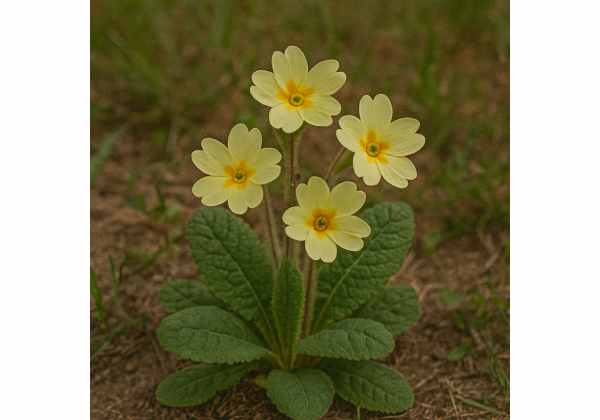
Primula vulgaris, commonly called common primrose, is a low-growing perennial native to much of Europe and parts of western Asia. It produces pale yellow flowers with a soft fragrance and a basal rosette of leaves. In gardens it is mostly admired as an ornamental, but in traditional herbal practice the flowers, leaves, and roots have all been used in small amounts for respiratory and soothing purposes.
The first important fact for readers is that common primrose is not evening primrose. This mix-up is extremely common because the names sound similar, yet the plants are botanically unrelated and are used very differently. Evening primrose belongs to the Oenothera genus and is mainly known for its oil-rich seeds. Common primrose belongs to the Primula genus and is associated more with flowers, roots, saponins, and traditional cough remedies. When people borrow claims from evening primrose oil and attach them to common primrose, the result is an inaccurate picture.
The second useful distinction is between Primula vulgaris and licensed “primula” herbal medicines in Europe. Official herbal monographs more often focus on Primula veris and Primula elatior, especially their roots and flowers. These species are closely related and share a traditional expectorant role, but they are not identical to P. vulgaris. That means a careful article on common primrose should avoid pretending that every regulatory statement about primula root applies automatically to home-harvested Primula vulgaris.
In practice, primrose appears in a few different forms:
- dried flowers for tea,
- flower or root extracts in syrups and drops,
- combined respiratory formulas, often with thyme,
- topical folk preparations,
- fresh flowers used sparingly as edible decoration.
The plant’s medicinal reputation comes mostly from traditional use in coughs, bronchial congestion, and mild chest complaints. It has also been mentioned in folk medicine for spasms, restlessness, minor pain, and skin concerns, though these uses are less consistently supported.
A final point matters for safety and accuracy. The fact that common primrose is a garden flower can make it seem automatically gentle. It is gentler than many potent medicinal plants, but it is still a biologically active herb. Its roots and flowers contain compounds that can irritate sensitive stomachs, and some primula species are known for allergic contact reactions in susceptible people. So while primrose may look delicate, it should still be used thoughtfully and identified correctly.
Once those distinctions are clear, the rest of the topic becomes much easier to understand. Primrose is best approached as a modest traditional herb with real chemistry, a long respiratory history, and a narrower evidence base than many popular supplement articles suggest.
Key Ingredients and Medicinal Properties of Primrose
The medicinal profile of primrose is shaped by two main groups of compounds: saponins and phenolic compounds. Together, they help explain why primrose has been used for coughs, mucus congestion, mild irritation, and supportive skin applications.
Saponins are the best-known active compounds in primula roots and, to a lesser extent, flowers. These soap-like molecules can influence the texture and movement of secretions. In traditional European herbal medicine, this is the main reason primula preparations are described as expectorants. The usual explanation is that saponins create a reflex increase in bronchial secretions, which can make thick mucus easier to loosen and expel. This is why primrose has often been paired with thyme or other chest herbs. If you are comparing classic respiratory botanicals, mullein for cough support is another herb people often consider, though its chemistry and evidence profile are different.
A second important group is flavonoids and related phenolic compounds. These include rutin, p-coumaric acid, and other antioxidant plant molecules found in primrose flowers and aerial parts. Their role is less about strong symptom relief and more about overall protective biology. In lab settings, these compounds show antioxidant and antigenotoxic activity, which helps explain why primrose extracts attract interest in cosmetic and supportive wellness products.
There are also phenolic glycosides and volatile compounds that contribute to aroma, taste, and some of the plant’s traditional identity. In related primula species, compounds such as primulaverin and primeverin have long been used as chemical markers. Although the exact phytochemical pattern varies by species, harvest conditions, and plant part, common primrose clearly belongs to a genus rich in flavonoids, phenolic acids, and triterpene saponins.
These ingredients translate into a handful of traditional medicinal properties:
- expectorant,
- secretolytic or mucus-thinning support,
- mild antioxidant action,
- gentle antimicrobial potential in lab models,
- mild soothing and skin-supportive potential.
It is important, however, not to overread preclinical data. A lab demonstration of antioxidant activity does not automatically mean a noticeable clinical effect in a person drinking tea. Likewise, wound-healing or enzyme-inhibition results in experimental settings are useful clues, but they do not make primrose a first-line medical treatment.
Another practical detail is that the plant part matters. Flowers are usually used in lighter infusions and gentle traditional remedies. Roots tend to be richer in the saponins most strongly associated with expectorant action. That is why root-based preparations have often been favored in commercial cough formulas, while flowers appear more often in teas and blended traditional products.
The overall picture is balanced and appealing. Primrose is not built around one spectacular compound. Instead, it is a layered herb whose saponins support respiratory tradition and whose flavonoids support its antioxidant reputation. That makes it interesting, but it also means the best effects are likely to be modest, supportive, and dependent on using the right preparation for the right goal.
Potential Benefits and What the Evidence Actually Supports
Primrose has a long herbal reputation, but the modern evidence base is mixed. Some traditional uses are plausible and supported by monographs or preclinical work, while others rest mostly on historical practice. The most honest article on primrose should separate likely benefits from speculative ones.
1. Cough and chest congestion support
This is the best-established traditional role of primula-type medicines. European herbal monographs support primula flower and root preparations as traditional expectorants for coughs associated with colds. The idea is not that primrose suppresses cough outright, but that it helps loosen phlegm so coughing becomes more productive and less stuck. This is especially relevant when the cough feels chesty rather than dry. The evidence here is based more on long-standing use and pharmacological plausibility than on strong modern clinical trials, but it is still the clearest benefit linked to the genus.
2. Mild antioxidant support
Lab studies on Primula vulgaris extracts show antioxidant activity and a meaningful content of phenolic compounds. This is scientifically interesting and may partly explain why primrose is discussed in wellness, food, and cosmetic contexts. Still, antioxidant capacity in test systems should be viewed as supportive background, not a guarantee of major health outcomes.
3. Possible skin and wound-supportive effects
This is one of the more promising newer areas for P. vulgaris specifically. Preclinical work on saponin-rich fractions from the plant suggests wound-healing potential, including effects linked to collagenase and elastase inhibition. That does not make primrose a replacement for proven wound care, but it does make topical and dermal interest more understandable. If you are comparing gentle skin-supportive herbs, calendula for skin support is more established in everyday topical practice.
4. Antimicrobial and anti-biofilm potential
Studies on primula species have reported antimicrobial, antifungal, and anti-biofilm activity in vitro. This helps support the plant’s traditional image as more than a decorative flower. But again, this is not the same as having proven benefits in people for infections, and it should not be marketed that way.
5. Traditional calming or spasm-relieving use
Older herbal sources sometimes mention primrose for mild restlessness, spasms, or discomfort. These uses are part of the plant’s historical profile, but they are much less convincing than its respiratory role. Someone looking for a modern, gentle tea herb for nervous tension will usually find stronger support with chamomile for gentle calming than with common primrose.
That leads to the most important evidence conclusion: primrose is not a highly proven modern herbal superstar. It is a modest traditional plant whose respiratory use is the most credible, whose antioxidant and wound-supportive potential is biologically interesting, and whose broader wellness claims should remain conservative.
In practical terms, primrose makes the most sense when used for short-term cough support, gentle traditional tea use, or carefully selected topical interest. It makes the least sense when sold as a cure for chronic lung disease, a major anti-inflammatory remedy, or a heavily evidence-backed supplement for daily disease prevention.
How Primrose Is Used in Traditional Practice and Modern Products
Primrose is a good example of a plant whose modern uses still reflect its traditional roots. It is not usually used as a single dramatic extract. More often, it appears in simple teas, classic cough formulas, or gentle folk preparations.
The most familiar traditional use is for respiratory complaints. Flowers or roots were prepared as teas, infusions, tinctures, or syrups for coughs with congestion. In Europe, primula root especially became part of chest remedies, often blended with thyme. That pairing still makes sense today because thyme brings aromatic and antimicrobial character, while primula contributes saponin-rich expectorant support.
The flowers are generally considered the lighter part of the plant. They are sometimes used in tea blends, spring cordials, or mild soothing preparations. Their pleasant look has also led to culinary use as a garnish, though culinary use is typically small and secondary to their herbal identity.
The roots are more associated with medicinal action. Because they contain the saponins most often linked to expectorant effects, root-based preparations are more likely to appear in formal herbal products than in casual kitchen use. This is one reason self-harvesting wild primrose is not ideal for people who want medicinal consistency. Commercial preparations are more predictable than home-collected roots.
Topical or folk use also appears in the historical record. Some traditions used primrose for bruised, irritated, or damaged skin, although this is not its strongest modern mainstream role. Interest in skin use has increased because of preclinical work on wound-related pathways, but it still remains more experimental than routine.
Today, primrose products may appear as:
- herbal teas,
- liquid extracts,
- syrups and drops,
- combination respiratory formulas,
- standardized dry extracts,
- niche topical or cosmetic products.
The smartest way to approach these options is to match the form to the goal. A tea may be enough for mild seasonal cough support or simple traditional use. A standardized liquid extract is more practical when someone wants more reliable dosing. A blended respiratory formula may be better than primrose alone when cough, mucus, and throat irritation occur together. For throat comfort, some people also compare it with demulcent herbs such as marshmallow for soothing mucous membranes, though marshmallow works through a very different, more coating mechanism.
One caution is worth repeating: do not assume that every primrose product on the shelf refers clearly to Primula vulgaris. Labels may say primula, cowslip, or primrose without making the species distinction obvious. For safety, quality, and dose clarity, the botanical name matters.
In short, primrose is best used as a traditional-support herb rather than a do-everything remedy. Its classic place is in short-term respiratory care, especially in well-made teas and licensed-style preparations, not in oversized claims or casual wildcrafting without identification and guidance.
Primrose Dosage Forms Timing and Practical Guidelines
Dosage is where primrose needs the most honesty. There is no robust modern evidence-based dose established specifically for self-collected Primula vulgaris across all uses. Most practical dosing guidance comes from traditional European primula flower and root monographs, which primarily describe Primula veris and Primula elatior. Because these are closely related plants, the guidance is useful context, but it should not be treated as blanket permission to self-dose any garden primrose.
For primula flower preparations, adult traditional guidance commonly centers on:
- about 1 g of comminuted dried flower per dose for tea,
- about 2 to 4 g daily of dried flower material,
- or about 1 to 3 mL of liquid extract, usually taken three times daily.
For primula root preparations, traditional monographs include ranges such as:
- 0.2 to 0.5 g of comminuted root infused in 150 mL boiling water, taken three times daily,
- or dry extract amounts around 0.1 to 0.2 g, three times daily, depending on the specific product.
These numbers show why standardized products matter. Small changes in plant part, extract ratio, or preparation method can change the real dose substantially. A licensed-style extract is not equivalent to a loosely packed teaspoon of home-dried plant material.
Timing is straightforward. Primrose is generally taken with or after meals if stomach sensitivity is a concern, and its traditional respiratory use is typically short term, often for a few days up to about a week. If cough, fever, breathlessness, or purulent sputum persists, the right next step is medical evaluation rather than extending the herb indefinitely.
A few practical rules make primrose use safer and more realistic:
- Choose a product that lists the botanical source and plant part.
- Use teas or extracts for short-term respiratory goals, not open-ended daily use.
- Start at the lower end if you have a sensitive stomach.
- Avoid assuming ornamental garden primrose is automatically suitable for medicinal use.
- Do not use primrose as a substitute for asthma treatment, antibiotics, or urgent respiratory care.
A common mistake is to treat “natural cough herb” as meaning “take as much as you like.” That is not a good fit for primrose. Saponin-rich herbs may irritate the stomach if overused, and stronger is not necessarily better. Another mistake is trying to improvise doses from internet fragments while ignoring the plant-species issue.
The best summary is simple: primrose is a short-term, traditional-use herb. Tea and liquid extracts are the most sensible forms. Standardized products are preferable to self-collected material. And if you want to use it medicinally rather than ornamentally, species identification and product quality matter as much as the dose itself.
Safety Side Effects Interactions and Who Should Avoid It
Primrose is generally viewed as a moderate-risk herb when used appropriately, but it is not completely free of side effects or cautions. The main safety issues involve allergy, stomach irritation, age restrictions for some preparations, and the lack of good data in pregnancy and breastfeeding.
The most common side effects reported for primula-type medicines are gastrointestinal. Because saponins can irritate the mucosa, some people may notice:
- nausea,
- stomach upset,
- vomiting,
- loose stools,
- general digestive discomfort.
This is more likely with higher doses or with root-rich preparations. People with gastritis or a stomach ulcer should be especially careful, since official monographs recommend caution in these groups.
The second important issue is allergy. Primula species are well known in dermatology because some can trigger allergic contact dermatitis. The best-known culprit historically is primin, a quinone-like allergen associated especially with some primula species and cultivars. Not every common primrose plant contains the same allergenic burden, but the family reputation is enough that highly sensitive people should take contact reactions seriously. Oral hypersensitivity is less common than skin reactions, but it is still possible.
A third concern is respiratory caution in susceptible people. Some primula flower monograph materials advise caution or avoidance in people with asthma and in certain children with a history of obstructive airway problems. That does not mean primrose is broadly dangerous, but it does mean self-treatment is not appropriate for wheezing, shortness of breath, or unstable lung disease.
Use is generally not recommended during pregnancy or breastfeeding because adequate safety data are lacking. This is a standard herbal rule when good reproductive safety data do not exist. The same caution applies to concentrated supplements in children unless a clinician or pharmacist has advised a specific product.
Interaction data are limited. No major drug interaction pattern is firmly established, but saponins are sometimes discussed as compounds that could theoretically alter absorption of other substances in the gut. Because the evidence is weak, the safest practical advice is not to panic about interactions, but to keep some separation from important medicines and to consult a clinician if you take multiple prescriptions.
Who should avoid or be especially cautious with primrose?
- people with known allergy to primula species,
- people with gastritis, ulcer disease, or frequent nausea,
- pregnant or breastfeeding individuals,
- children unless the product specifically supports their age range,
- people with asthma, wheezing, or severe respiratory symptoms,
- anyone with persistent cough lasting more than a week without improvement.
The final safety point is diagnostic. A chesty cold is one thing. Breathlessness, fever, chest pain, or worsening sputum is another. Primrose is appropriate only in the first category. It belongs in supportive self-care, not in situations that need prompt medical assessment.
References
- Genus Primula and its role in phytomedicine; a systematic review – ScienceDirect 2024. (Systematic Review)
- Bioactive Saponins of Primula vulgaris Huds. Promote Wound Healing through Inhibition of Collagenase and Elastase Enzymes: in Vivo, in Vitro and in Silico Evaluations – PubMed 2022. (Preclinical Study)
- Phytochemical Characterization and Anti-Biofilm Activity of Primula veris L. Roots 2025. (Phytochemical Study)
- Primulae flos – herbal medicinal product | European Medicines Agency (EMA) 2016. (Traditional Use Monograph)
- Primulae radix – herbal medicinal product | European Medicines Agency (EMA) 2016. (Traditional Use Monograph)
Disclaimer
This article is for educational purposes only and is not a substitute for medical advice, diagnosis, or treatment. Primrose should not be used to self-manage asthma, persistent cough, fever, chest pain, or suspected infection requiring medical care. Because common primrose is often confused with evening primrose and with other primula species, product identity matters. Speak with a qualified healthcare professional before using primrose medicinally if you are pregnant, breastfeeding, taking regular medicines, have a stomach ulcer, or have a history of plant allergies.
If you found this article helpful, please consider sharing it on Facebook, X, or any other platform you prefer.