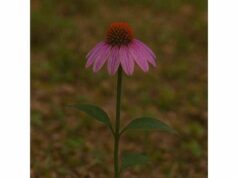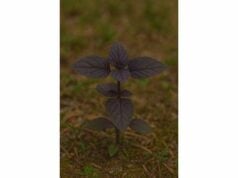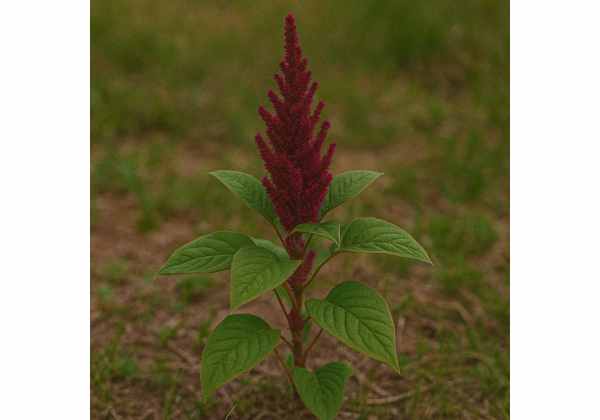
Prince’s feather, Amaranthus hypochondriacus, is a striking amaranth grown for its vivid plumes, nutrient-dense leaves, and tiny protein-rich seeds. Although many people first meet it as an ornamental plant, it has a deeper identity as a traditional food crop and medicinal herb. In practical terms, prince’s feather matters less as a dramatic “healing herb” and more as a functional plant that bridges nutrition and gentle therapeutic use.
Its value comes from several layers at once. The seeds provide high-quality plant protein, fiber, minerals, and lipid compounds such as squalene and tocopherols. The leaves offer pigments, polyphenols, carotenoids, vitamin C, and naturally occurring nitrates. Traditional systems have used amaranth species for digestive comfort, wound care, heavy bleeding, and general strengthening, while modern research focuses more on antioxidant activity, protein-derived peptides, cardiometabolic support, and food performance.
The most responsible way to use prince’s feather is as a food-first herb. Its strongest case is in regular meals, not aggressive supplement dosing. That makes dosage, preparation, and safety just as important as its benefits.
Core Points
- Prince’s feather is best used as a nutrient-dense food plant with added functional benefits rather than as a high-dose medicinal extract.
- Its seeds may support satiety, protein quality, and cardiometabolic health when they replace more refined grains.
- The leaves provide antioxidants and nitrates, while the seeds add fiber, minerals, and useful lipids.
- A practical food range is about 1/2 to 1 cup cooked seeds, roughly 90 to 185 g, in a meal.
- People prone to kidney stones or using nitrate-sensitive blood pressure therapies should avoid high-dose leafy concentrates without medical advice.
Table of Contents
- What prince’s feather is and why it matters
- Key compounds, protein quality, and functional properties
- Prince’s Feather for nutrition, digestion, and steady energy
- Cardiometabolic, antioxidant, and exercise-support potential
- How to prepare and use seeds, leaves, and oil
- Dosage, timing, and practical best practices
- Safety, antinutrients, interactions, and who should avoid it
What prince’s feather is and why it matters
Prince’s feather is one of the grain amaranths, a group of amaranth species cultivated for edible seeds as well as leaves. It belongs to the same broader botanical world as ornamental amaranths and vegetable amaranths, which is why it can be confusing in gardens and in herbal writing. Some people know it for its tall burgundy or crimson flower spikes, others as a pseudocereal, and still others as a traditional leafy herb. All three views are correct.
That mixed identity is exactly why the plant is useful. Unlike herbs that are mainly taken in drops or capsules, prince’s feather can contribute to health through everyday food. The seeds are naturally gluten-free, rich in protein compared with many grains, and easier to fit into daily meals than many specialty herbs. The leaves, especially when harvested young and cooked well, behave more like nutrient-dense greens than like a strong medicinal tea.
Historically, grain amaranths were important foods in Mesoamerica and other traditional food systems. Their value was not only caloric. They were resilient crops that offered nutrition under harsh growing conditions, which helps explain why modern researchers are so interested in them again. In a world that needs plants that are hardy, adaptable, and nutrient-dense, prince’s feather makes practical sense.
It also matters because it is often misunderstood. Some articles overstate its medicinal power as if it were a drug-like herb. Others reduce it to just another ancient grain. The truth sits in between. Prince’s feather has genuine functional-food value and some plausible medicinal properties, but most of its best-supported benefits come from steady dietary use rather than dramatic short-term dosing.
A useful way to think about prince’s feather is this:
- as a seed, it behaves like a protein- and mineral-rich pseudocereal
- as a leafy green, it behaves like a colorful, antioxidant-rich vegetable
- as a traditional herb, it sits in the broader amaranth tradition of astringent, strengthening, and food-based support
This food-and-herb overlap makes it different from more concentrated botanicals. It belongs in the same broad conversation as other nutrient-dense pseudocereals such as buckwheat, where the line between nourishment and medicinal value is not sharp but gradual.
Another practical point is source quality. Prince’s feather grown as an ornamental may not be suitable for consumption if it was treated with pesticides, fungicides, or growth regulators. Garden identification also matters, because “amaranth” can refer to many species with somewhat different uses. When the goal is health, the safest route is to use clearly sourced food-grade seed, leaves grown for culinary use, or professionally prepared products.
Prince’s feather matters, then, because it offers something modern readers often want: a plant that is versatile, nutrient-rich, and realistic to use. It is not mainly about taking more pills. It is about choosing a plant that can support health through repeated, everyday exposure.
Key compounds, protein quality, and functional properties
The chemistry of prince’s feather helps explain why it attracts both nutrition researchers and herbalists. Its benefits do not depend on one miracle molecule. They come from a layered profile that includes proteins, peptides, fiber, minerals, unsaturated fats, polyphenols, pigments, and seed-oil constituents such as squalene and tocopherols.
The seeds are especially notable for protein quality. Amaranth proteins tend to contain more lysine than many cereal grains, which is one reason grain amaranths have long been valued in plant-forward diets. This does not mean they are nutritionally perfect on their own, but it does mean they can improve the amino acid balance of meals built around wheat, rice, or corn. The protein story gets even more interesting when amaranth proteins are hydrolyzed or digested, because researchers have identified peptides with potential antioxidant and blood-pressure-related activity.
The lipid fraction matters too. Prince’s feather seeds contain fatty acids, including linoleic acid and smaller amounts of alpha-linolenic acid, along with squalene and vitamin E-related compounds. These are often part of the reason amaranth oil is marketed as a specialty functional oil. It is not a magic fat, but its composition is distinct enough to justify interest.
The plant also contains a broad set of phytochemicals:
- polyphenols that contribute antioxidant activity
- flavonoids that may help explain some protective effects
- pigments and phenolic compounds in leaves and colored tissues
- minerals such as magnesium, potassium, calcium, and iron
- nitrates in leafy preparations, especially in certain concentrates
These compounds give prince’s feather a functional profile that goes beyond basic calories. The seeds support satiety and protein nutrition. The leaves provide a stronger antioxidant and nitrate story. The oil fraction adds a more specialized lipid story.
At the same time, this chemistry is not purely beneficial. Prince’s feather also contains antinutritional compounds, especially in seeds and leaves, depending on processing and growing conditions. These may include lectins, trypsin inhibitors, saponins, tannins, oxalates, and nitrates. That does not make the plant unsafe. It means preparation matters. Germination, popping, boiling, and discarding cooking water can materially change how the plant behaves in the body.
That balance between benefit and friction is important. Prince’s feather is not valuable because it is chemically simple. It is valuable because it is rich, and richness always brings tradeoffs. The goal is not to chase the highest raw number for antioxidants or protein. The goal is to make the plant more digestible, safer, and easier to use consistently.
In nutrition terms, prince’s feather sits somewhere between a whole food and a functional ingredient. A helpful comparison is flax as a seed with both nutrient and bioactive value. Like flax, amaranth is not defined by one single use. Its full benefit shows up when the food matrix, preparation method, and overall dietary pattern all work together.
This is why the plant’s “medicinal properties” are best understood as physiology-supporting properties. They are real, but they are usually gradual, pattern-based, and preparation-dependent rather than fast or drug-like.
Prince’s Feather for nutrition, digestion, and steady energy
For most people, the clearest benefits of prince’s feather are nutritional rather than strongly medicinal. That may sound less exciting, but it is actually its biggest strength. A plant that improves meal quality, satiety, micronutrient intake, and digestive comfort can have a larger real-world effect than a more dramatic herb that few people use consistently.
The seed is where this story starts. Cooked prince’s feather seeds offer protein, fiber, and starch in a form that is more filling than many refined grains. This is one reason grain amaranths are often described as supportive for steady energy. They are not stimulants, and they do not act like caffeine. Their value is that they can help meals feel more satisfying, which may reduce the cycle of quick hunger, grazing, and energy swings.
Several practical benefits flow from that:
- better meal satiety in plant-forward eating patterns
- more protein diversity for people who rely heavily on grains and legumes
- improved texture and thickness in porridges, soups, and grain bowls
- support for regularity when fiber intake is otherwise low
The leaves add a different kind of benefit. They can raise the nutrient density of meals without adding much bulk or preparation time. When cooked properly, they contribute pigments, vitamin C, folate, minerals, and polyphenols that help round out the meal. For readers who struggle to eat enough greens, prince’s feather leaves can be more approachable than some tougher leafy vegetables.
This makes prince’s feather useful in several settings:
- In gluten-free diets, where protein quality and mineral intake can sometimes slip.
- In high-refined-carb diets, where a whole-seed replacement may improve fullness.
- In low-vegetable diets, where cooked amaranth leaves can help increase micronutrient variety.
- In active diets, where a food that combines protein, minerals, and complex carbohydrate can pull multiple jobs at once.
Its digestive effects are usually gentle. The seeds can support regularity and better satiety, but only if the person’s overall fiber pattern supports it. If someone jumps from a very low-fiber diet straight into large portions of amaranth, bloating or heaviness can follow. That is not unique to prince’s feather. It is how many fiber-rich foods behave.
The leaves can also be helpful, though they need more care in people sensitive to oxalates or rough greens. Boiling and draining often makes them easier to tolerate and may reduce part of that burden.
In a broader food context, prince’s feather belongs with other nutrient-dense greens and antioxidant-rich plant foods that work best when they become routine rather than occasional. That is the key point. This plant is not about heroic doses. It is about repeated use in soups, porridges, pilafs, sautés, breads, and mixed grain meals.
Steady energy from prince’s feather is not a direct pharmacologic effect. It is the result of better meal structure. More fiber, better protein balance, useful minerals, and slower digestion all add up. When people describe a food as making them feel “more even,” this is often what they mean. Prince’s feather earns that description more honestly than many trend-driven superfoods.
Cardiometabolic, antioxidant, and exercise-support potential
This is the section where prince’s feather gets most of its modern “health benefits” attention. Researchers are especially interested in amaranth species for antioxidant activity, lipid-related effects, protein-derived peptides, and, in some products, nitrate-supported exercise performance. Even here, though, the evidence is mixed enough that careful wording matters.
The antioxidant case is the broadest. Prince’s feather seeds and leaves contain phenolic compounds, pigments, and related phytochemicals that can help neutralize free radicals in laboratory systems. This does not prove disease treatment in humans, but it does support the idea that regular amaranth intake contributes to a more antioxidant-rich dietary pattern. In practical terms, that matters most when the plant replaces lower-value foods, not when it is added as a tiny “wellness” garnish.
The cardiometabolic story is more nuanced. Reviews of amaranth research suggest possible support for healthier blood lipids, better vascular function, and improved metabolic resilience, but human trials remain limited and not always convincing. That means prince’s feather should not be marketed as a cholesterol-lowering treatment. It is better viewed as a supportive food within a heart-conscious pattern.
The possible mechanisms include:
- fiber that may help cholesterol handling and satiety
- phytosterol- and lipid-related effects from seeds and oil
- protein hydrolysates and peptides with potential blood-pressure relevance
- antioxidant compounds that may support vascular health
- nitrates in some leafy concentrates that may influence blood flow and exercise tolerance
The most species-specific human evidence is not about cholesterol or diabetes. It comes from a small placebo-controlled study using standardized Amaranthus hypochondriacus concentrate rich in dietary nitrate. In that research setting, several days of use improved markers of aerobic performance in healthy, physically active young men. That is interesting, but it needs perspective. The study used a specific standardized concentrate, not homemade leaf tea or cooked greens. It also looked at performance in a narrow group, not general health for everyone.
That makes prince’s feather promising, but not broadly proven. For everyday health, the best-supported interpretation is modest:
- the seeds may fit a better lipid and glucose pattern when they replace refined grains
- the leaves may add antioxidant and nitrate value to the diet
- the oil may offer specialty lipid compounds, though it is still just one oil among many
- concentrated products are more research-driven than everyday essentials
A practical comparison is the way people use specialty culinary oils in heart-conscious eating. The oil itself matters, but the bigger effect comes from the pattern around it. The same is true here. Prince’s feather helps most when it replaces poorer choices and becomes part of a broader structure that includes legumes, vegetables, unsaturated fats, and fewer refined starches.
It is also worth noting that “antioxidant” is not a guarantee of meaningful clinical effect. Many foods test well in the lab. The question is whether people can eat them regularly, digest them well, and use them in realistic amounts. Prince’s feather passes that practicality test better than many niche health foods. That alone makes its moderate benefits more meaningful than louder claims attached to less usable plants.
How to prepare and use seeds, leaves, and oil
Prince’s feather is most useful when matched with the right form. Seeds, leaves, and oil each behave differently, and each has its own best use. The most common disappointment comes from expecting one form to do the job of another.
The seeds are the most versatile everyday form. They cook into a soft, slightly sticky texture rather than staying fluffy like rice. That makes them excellent for porridge, pilaf-style grain mixes, soup thickening, patties, breakfast bowls, and blended gluten-free baking. Popped amaranth can also add crunch to yogurt, cereal, and bars.
The leaves are closer to spinach or tender beet greens. They work best when young and freshly harvested. Older leaves can become tougher and may carry a stronger earthy or mineral taste. The easiest way to use them is to boil briefly, drain, and then sauté or fold into soups, egg dishes, stews, or bean preparations.
Amaranth oil is a more specialized ingredient. It is used for its lipid profile, squalene content, and vitamin E-related compounds. It makes the most sense as a finishing oil or small-volume culinary oil rather than a high-heat frying fat. Its role is more targeted and less essential than the seed or leaf.
A practical kitchen approach looks like this:
- Use seeds as a staple grain replacement two or three times weekly.
- Add leaves as a cooked green, not as a large raw salad base.
- Use oil sparingly and intentionally, as you would any specialty oil.
- Favor preparation methods that improve digestibility rather than chasing raw-food purity.
Processing matters more than many people realize. Germination and popping can improve digestibility and reduce some antinutritional factors in seeds. Boiling and draining can reduce some of the leaf burden from nitrates and oxalates. These are not small details. They are part of how prince’s feather becomes a better food.
This is one place where comparison helps. People familiar with small-seed functional foods like chia often assume amaranth will behave similarly. It does not. Chia gels. Amaranth thickens and softens. Chia is usually added raw or soaked. Prince’s feather seeds generally need cooking or popping to become truly useful and pleasant.
Another important point is sourcing. If you are harvesting prince’s feather from a decorative garden bed, make sure it was never treated with ornamental chemicals. Food use should come from food-grade seed, edible-greens growing systems, or trusted growers. This matters because the plant’s beauty encourages ornamental production, and ornamental production does not always follow food safety logic.
From a medicinal-use perspective, the plant is better in food or food-like preparations than in aggressive extracts for most people. Decoctions, concentrated powders, and specialty concentrates may have roles, but the strongest case for prince’s feather remains culinary. That is not a limitation. It is its advantage. A useful health plant is one people can actually live with.
Dosage, timing, and practical best practices
Dosage for prince’s feather depends completely on the form. There is no single established medicinal dose for the whole plant, and that is the most important starting point. Food use is the most defensible, best-studied, and most predictable way to dose it. Concentrates, oils, and nitrate-rich products are secondary and need more caution.
For whole-food seed use, a practical range is about 1/2 to 1 cup cooked seeds per serving, roughly 90 to 185 g, depending on the dish and the rest of the meal. That is enough to make the plant relevant nutritionally without forcing tolerance. People who are new to high-fiber grains often do better starting at the lower end.
For leaves, a useful food amount is usually around 1/2 to 1 cup cooked greens. Because leaves shrink heavily during cooking, that may represent a larger raw volume than expected. For most healthy adults, using cooked leaves several times weekly is more sensible than taking large, repeated amounts daily.
For oil, dose should stay small. A range like 1 to 2 teaspoons, about 5 to 10 mL, is a practical culinary amount. More than that can add calories quickly without guaranteeing better results.
Concentrated products are harder to generalize. The clearest research amount for Amaranthus hypochondriacus is from the nitrate-rich exercise study, which used a standardized 4 g concentrate providing about 400 mg dietary nitrate. That is a research format, not a universal recommendation. It should not be copied with random powders, leaf juicing, or home extracts.
A sensible best-practice framework is:
- start with food, not extracts
- use the smallest amount that fits the goal
- increase slowly if fiber tolerance is uncertain
- separate culinary use from performance-supplement use
- reassess after a few weeks of regular intake
Timing also matters. Seeds work well at breakfast or lunch when you want more satiety and steadier energy. Leaves fit easily at lunch or dinner. Nitrate-focused leafy concentrates, when used for training, belong closer to the workout window or within the structured protocol provided by the product or study design.
Common mistakes include:
- Eating very large amounts of leaves without regard to oxalates or nitrates.
- Using ornamental plants as if they were food crops.
- Treating amaranth oil as a “free health food” and ignoring its calorie load.
- Assuming raw is automatically better than boiled, popped, or germinated.
- Confusing a functional food with a high-potency herbal medicine.
For readers mainly interested in digestive regularity, it helps to compare prince’s feather with more concentrated fiber tools such as psyllium. Psyllium is dose-specific and targeted. Prince’s feather is gentler, broader, and more meal-based. That distinction prevents unrealistic expectations.
The most responsible dosage advice for prince’s feather is therefore not a large number. It is a principle: use it often enough to matter, but not so aggressively that the plant becomes harder to digest, less safe, or less enjoyable. Food-first dosing is what makes this plant sustainable.
Safety, antinutrients, interactions, and who should avoid it
Prince’s feather is generally safe as a food for many healthy adults, but “food-safe” does not mean risk-free in every form. Most of the real-world safety issues come from antinutrients, contamination, concentrated products, and special medical situations rather than from the basic cooked seed itself.
The first issue is antinutrients. Seeds may contain lectins, trypsin inhibitors, tannins, and saponins. Leaves may accumulate oxalates and nitrates. These are not reasons to avoid the plant entirely. They are reasons to prepare it intelligently. Germination and popping improve seed digestibility and reduce some problematic compounds. Boiling leaves and discarding the water can lower part of the oxalate and nitrate burden.
The second issue is kidney stone risk. People prone to calcium oxalate stones should be careful with large amounts of leafy amaranth, especially if they are juicing, blending, or concentrating it rather than boiling and draining it. Occasional moderate use may be fine for many, but habitual high intake deserves caution.
The third issue is nitrate-sensitive use. In food amounts, leafy amaranth is usually just another nitrate-containing green. In concentrates, however, nitrate exposure becomes more meaningful. People using nitrate medications, certain blood-pressure therapies, or performance products should not assume “natural nitrate” is irrelevant. It can still be biologically active.
Additional groups who should be cautious include:
- pregnant or breastfeeding people considering extracts rather than food use
- infants and very young children if using high-nitrate leafy preparations
- people with highly sensitive digestion who react to fiber increases
- people with known allergy to amaranth or closely related plants
- anyone using decorative garden plants that may have been chemically treated
There is also the gluten issue. Prince’s feather seeds are naturally gluten-free, but packaged grain can still face cross-contact during harvesting, transport, or milling. That matters for people with celiac disease or severe gluten sensitivity.
Medication interactions are not as well established as they are for stronger herbs, but sensible caution still applies. Large, repeated dietary changes can alter mineral, fiber, or nitrate exposure in ways that matter for some people. If someone is on tight blood sugar control, blood-pressure medication, or a medically restricted kidney-stone diet, major intake changes should be discussed rather than improvised.
A practical safety checklist looks like this:
- Use food-grade sources only.
- Cook seeds and leaves properly.
- Start small if you are fiber-sensitive.
- Boil and drain leaves if oxalates or nitrates are a concern.
- Avoid self-prescribing concentrates if you are pregnant, medically complex, or using cardiovascular medication.
Prince’s feather is best thought of as a strong candidate for regular food use and a weaker candidate for self-directed high-dose supplementation. That is a healthy distinction. Many plants are most valuable when they remain close to the kitchen. Prince’s feather is one of them.
References
- Multifunctional Edible Amaranths: A Review of Nutritional Benefits, Anti-Nutritional Factors, and Potential in Sustainable Food Systems 2026 (Review)
- Effects of Germination and Popping on the Anti-Nutritional Compounds and the Digestibility of Amaranthus hypochondriacus Seeds 2022
- Unraveling Compositional Study, Chemometric Analysis, and Cell-Based Antioxidant Potential of Selective High Nutraceutical Value Amaranth Cultivars Using a GC-MS and NMR-Based Metabolomics Approach 2023
- Amaranth proteins and peptides: Biological properties and food uses 2023 (Review)
- The influence of amaranth (Amaranthus hypochondriacus) dietary nitrates on the aerobic capacity of physically active young persons 2020 (Randomized Placebo-Controlled Human Study)
Disclaimer
This article is for educational purposes only and does not replace medical advice, diagnosis, or treatment. Prince’s feather is a food plant with potential functional benefits, but it is not a proven treatment for cardiovascular disease, diabetes, anemia, sports-performance problems, or any other medical condition. Speak with a qualified healthcare professional before using concentrated products, especially if you are pregnant, breastfeeding, prone to kidney stones, managing a chronic illness, or taking blood-pressure, nitrate-related, or other prescription medication.
If this article helped you, please share it on Facebook, X, or any other platform you prefer.