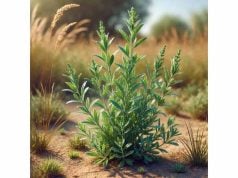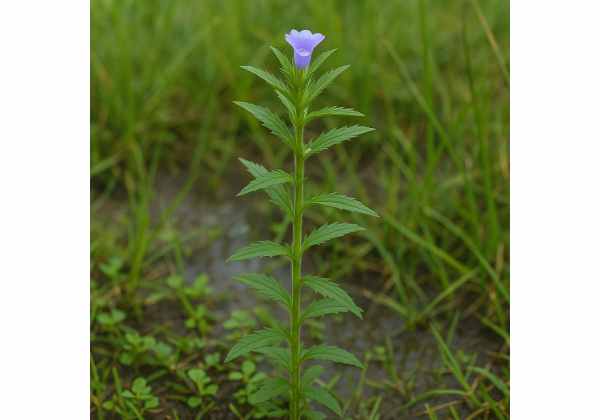
Rice paddy herb, botanically known as Limnophila aromatica, is a fragrant semiaquatic herb used in Southeast Asian cooking and traditional medicine. It is prized as much for its sharp, citrus-spice aroma as for its long folk history in digestive and fever remedies. In the kitchen, it adds freshness to soups, broths, and herb-heavy dishes. In traditional practice, it has been used for indigestion, menstrual discomfort, intestinal complaints, and general convalescence.
Modern interest in the plant comes from its mix of flavonoids, phenolic compounds, aromatic terpenes, fiber, and other plant chemicals that may help explain its antioxidant, antimicrobial, and anti-inflammatory actions. Still, the evidence needs careful framing. Most of what we know about rice paddy herb comes from laboratory studies, food chemistry, and traditional use rather than large human trials. That does not make it unhelpful, but it does mean readers deserve a grounded guide. The most useful way to approach this herb is as a food-forward, aromatic medicinal plant with promising properties, limited clinical proof, and a safety profile that still requires common sense.
Core Points
- Rice paddy herb is mainly valued for digestive comfort and broad antioxidant support.
- Early research suggests antimicrobial and inflammation-modulating potential, but human evidence is still limited.
- A cautious food-first range is about 5 to 10 g fresh herb or 1 to 2 g dried herb in tea daily, since no standardized clinical dose exists.
- Avoid concentrated use if you are pregnant, prone to kidney stones, or sensitive to high-oxalate foods or aromatic herbs.
Table of Contents
- What rice paddy herb is and why it matters
- Key compounds and medicinal properties of rice paddy herb
- Health benefits and what the evidence actually supports
- Traditional uses and practical ways to use it
- Dosage timing and how to prepare it sensibly
- Safety side effects and who should avoid it
- How to buy store and set realistic expectations
What rice paddy herb is and why it matters
Rice paddy herb is a strongly aromatic herb that grows well in wet ground, shallow water, and rice-field margins, which helps explain its common name. It belongs to the Plantaginaceae family and is widely associated with Vietnamese, Thai, Cambodian, and Malaysian food traditions. In daily life, it is often used less like a “supplement” and more like a medicinal culinary herb: something that seasons food while also serving a broader restorative purpose.
That dual role is important. Many plants become overhyped when their culinary identity is ignored and only their chemistry is discussed. Rice paddy herb makes more sense when viewed as both a kitchen herb and a traditional remedy. It is added fresh to soups, sour broths, fish dishes, herb platters, and rice-based meals, where its warm, green, slightly citrusy aroma helps cut heaviness and sharpen flavor. Traditionally, that same aromatic quality is tied to its use for sluggish digestion, intestinal discomfort, mucus-related complaints, mild fever states, and menstrual symptoms.
The herb matters because it sits in a useful middle ground. It is gentler than many concentrated medicinal plants, but more functionally interesting than a simple garnish. That combination gives it a practical place in modern wellness routines, especially for people who prefer food-based health habits over aggressive supplementation.
It is also a good example of how traditional medicine and modern research do not always move at the same speed. Traditional systems may assign rice paddy herb a broad range of actions, but clinical science has only begun to map them. So far, the most credible modern interest centers on its antioxidant potential, antimicrobial effects, aromatic volatile compounds, and inflammation-related activity.
Another reason the herb deserves attention is that it is often misunderstood. Some readers assume every medicinal herb should work like a standardized capsule with a clear milligram target and a dramatic result. Rice paddy herb is not that kind of plant. It is usually subtle, context-dependent, and best appreciated over time through repeated use in food or simple herbal preparations.
If you enjoy herbs such as coriander for digestion and inflammation support, rice paddy herb fits into a similar food-meets-function category, though its flavor and evidence base are quite different.
In practical terms, the value of rice paddy herb lies in three areas: it brings sensory brightness to meals, it contributes plant compounds that may support healthy oxidative and inflammatory balance, and it carries a long history of traditional digestive use. Those strengths make it worth knowing, even if it remains a niche herb outside Southeast Asia.
Key compounds and medicinal properties of rice paddy herb
Rice paddy herb has attracted scientific attention because its aroma and traditional uses point to a chemically active plant. The best-known constituents fall into several broad groups: flavonoids, phenolic compounds, volatile terpenes, structural carbohydrates, and food-like fiber fractions. Together, these help explain why the herb is discussed for antioxidant, antimicrobial, anti-inflammatory, and digestive-support roles.
One of the most interesting recent findings is the identification of flavonoids such as nevadensin and related compounds in ethanolic extracts. These appear to contribute to the herb’s antibacterial activity, especially in laboratory models. That matters because it shifts the conversation away from vague claims like “it contains antioxidants” and toward a more precise idea of which molecules may be responsible for specific biological effects.
Phenolic compounds are another important group. These are often associated with antioxidant behavior, meaning they can help neutralize unstable molecules or support the body’s broader defense systems against oxidative stress. In plant research, antioxidant effects are commonly one of the earliest measurable benefits. They do not automatically translate into large clinical outcomes, but they are a reasonable starting point for understanding medicinal potential.
Then there are the aromatic compounds in the essential oil. These volatile substances give rice paddy herb its fresh, penetrating smell and likely contribute to its traditional digestive reputation. Aromatic herbs often influence the body in two overlapping ways. First, they can stimulate appetite and make food easier to enjoy when digestion feels dull. Second, some volatile compounds show antimicrobial or inflammation-related activity in test systems.
The plant also contains food-style constituents such as starch, fiber, and other structural carbohydrates. That may sound less exciting than flavonoids, but it matters because it places the herb on a continuum between food and medicine. It is not a purified drug. It is a layered plant material whose effects depend on which part is used, how it is extracted, and whether it is eaten fresh, dried, infused, or concentrated.
The medicinal properties most often linked with rice paddy herb include:
- antioxidant activity,
- antimicrobial potential,
- support for healthy inflammatory balance,
- digestive and carminative action,
- mild traditional use for feverish or congested states.
That last point deserves context. Traditional systems often describe herbs through patterns of use rather than isolated mechanisms. So when rice paddy herb is called digestive, warming, or clearing, those descriptions are practical rather than biochemical. Modern chemistry helps translate those older observations into a language of flavonoids, terpenes, and phenolics.
It also helps to compare rice paddy herb with better-known aromatic herbs. Like ginger for digestive and anti-inflammatory support, it combines strong flavor with biologically active plant compounds. Unlike ginger, however, it has far less clinical validation and far less standardization.
That is the real takeaway from its chemistry. Rice paddy herb is not empty folklore. It contains meaningful phytochemicals with real laboratory activity. But the form of the herb, the extraction method, and the level of evidence all matter greatly when turning those findings into practical advice.
Health benefits and what the evidence actually supports
The most honest way to discuss rice paddy herb’s health benefits is to separate three things: traditional use, laboratory findings, and human proof. All three matter, but they do not carry the same weight. For this herb, traditional use is broad, laboratory evidence is promising, and human clinical evidence is still thin.
The best-supported modern benefit is antioxidant potential. Extract studies consistently show that rice paddy herb contains appreciable phenolic and flavonoid content and can perform well in antioxidant assays. In everyday language, that means the plant may help support the body’s defenses against oxidative stress. This does not mean it prevents disease on its own, but it does help explain why the herb is associated with general restorative or protective effects in traditional use.
A second plausible benefit is antimicrobial support. Several studies show that rice paddy herb extracts can inhibit certain bacteria in the lab. More recent work has gone beyond crude extracts and isolated specific antibacterial flavonoids. This is one of the plant’s more interesting scientific directions. Still, readers should not confuse laboratory antibacterial activity with an evidence-based treatment for human infection. It is better understood as a sign of medicinal promise than as a self-treatment instruction.
A third area is inflammation-related activity. Experimental work suggests rice paddy herb can affect inflammatory signaling in cell-based models. That lines up with its traditional use for digestive upset, feverish states, and discomfort-related conditions. Again, this is a biologically meaningful clue, but not the same as proof from large human trials.
Digestive support is probably the most practical real-world benefit. Even when hard clinical endpoints are missing, aromatic herbs can still help people by improving palatability, appetite, and post-meal comfort. Rice paddy herb’s flavor profile suggests why it has long been used in rich or sour soups and broth-based dishes. It sharpens taste, lightens heavy food, and may make digestion feel more comfortable.
Other possible benefits are more speculative:
- mild support for respiratory comfort because of its aromatic nature,
- traditional support for menstrual discomfort,
- possible calming or sensory benefits through aroma,
- broad food-based support for recovery and convalescence.
These uses are part of the herb’s traditional identity, but they should be described carefully because controlled human research is limited.
So what should a reader realistically expect? Not a dramatic medicinal effect after one serving. Rice paddy herb makes more sense as a repeated, modest-support herb. You are more likely to notice it as a contributor to comfort and resilience than as a single powerful remedy.
It can help to compare it with green tea for antioxidant support. Both plants have credible antioxidant interest, but green tea has much deeper human research. Rice paddy herb is promising, yet still far earlier in the evidence pathway.
That is why the strongest health-benefit summary is also the most restrained: rice paddy herb appears to offer antioxidant, antimicrobial, and inflammation-related benefits, especially as a traditional food herb, but its claims should remain modest until better human studies exist.
Traditional uses and practical ways to use it
Rice paddy herb has always been most convincing when used in the ways communities actually use it. It is not primarily a modern capsule herb. It is a fresh aromatic plant that has moved from field edges and home gardens into soups, teas, folk remedies, and household medicine.
Traditional uses commonly include indigestion, diarrhea, mild fever, intestinal complaints, menstrual irregularity, mucus-related discomfort, and general weakness after illness. Some traditions also describe it as a carminative, meaning it may help settle gas and post-meal fullness. Whether every one of these uses will hold up in modern clinical testing is another question, but together they show a consistent pattern: rice paddy herb is treated as a practical support plant for discomfort, sluggish digestion, and minor everyday ailments.
In food, the herb is often used fresh, added toward the end of cooking so its aroma is preserved. This matters because aromatic herbs can lose much of their character with prolonged heat. For many people, culinary use is the smartest starting point because it delivers the herb in a familiar, lower-risk form.
Practical ways to use it include:
- adding chopped fresh leaves to sour soups, fish broths, and rice dishes,
- stirring it into warm broths just before serving,
- blending small amounts into herb sauces or relishes,
- making a mild infusion from the dried herb,
- using it in mixed herbal cooking with other digestive aromatics.
Fresh use suits people who want flavor and light functional benefit. Tea or infusion may suit people more interested in gentle digestive support. Concentrated extracts are less traditional for most households and require more caution because the dose becomes less intuitive.
A useful principle with rice paddy herb is that smell is part of the experience, not a side detail. Aromatic herbs often work through appetite, sensory comfort, and the digestive reflexes that come with tasting and smelling food. This is one reason food-form use may feel more natural than jumping straight to concentrated preparations.
Rice paddy herb also pairs well with other kitchen herbs used for digestive comfort. For example, it shares some food-medicine logic with lemongrass for digestive support, although the taste and chemistry are not identical. Both work best when they stay close to the food traditions that gave them meaning in the first place.
For readers who want a simple starting point, the best approach is to think in tiers.
- Tier one: use it fresh in food a few times per week.
- Tier two: try a mild tea or broth-based preparation if tolerated.
- Tier three: consider concentrated forms only if you understand the product and have a clear reason to use it.
That structure keeps the herb in its strongest context. Rice paddy herb is not at its best when treated like a miracle supplement. It is at its best when used as a fragrant, functional herb that supports meals, comfort, and gentle restorative routines.
Dosage timing and how to prepare it sensibly
Rice paddy herb does not have a standardized clinical dosage in the way that some better-studied herbs do. That is the single most important point in any dosage discussion. There is no widely accepted human therapeutic dose established by strong trials, and concentrated products are not standardized across brands. Because of that, the safest guidance is food-first, conservative, and flexible.
A practical way to think about dosage is by form.
Fresh herb in food: A modest culinary range is about 5 to 10 g fresh leaves and tender stems in a day, usually spread across one or two meals. For many people, that looks like a small handful, not a medicinal heap. This is the most natural and lowest-risk way to use the herb.
Dried herb infusion: A gentle home-use range is about 1 to 2 g dried herb per cup of hot water, taken once daily at first. If tolerated well, some people may use it up to twice daily. The goal here is not intensity. It is to see whether the herb suits your digestion and overall tolerance.
Concentrated extract: Because products vary so much, the label matters more than a generic number. If you do use an extract, start at the lowest labeled serving and avoid assuming that a stronger extract is automatically better. In this category, caution is more important than ambition.
Timing depends on the purpose. If you are using rice paddy herb mainly for digestive comfort, it makes sense with meals or shortly after them. If you are using it as a tea, evening or post-meal use often feels gentler than taking it on an empty stomach.
Preparation matters too. Fresh herb is best added near the end of cooking to preserve aroma. For tea, cover the cup while it steeps so the volatile compounds are not lost too quickly. For broth use, a brief infusion in hot liquid is usually enough.
A sensible trial period is two to four weeks. That is long enough to notice whether the herb supports comfort, appetite, or routine enjoyment, but short enough to stop if it does not suit you. During that period, watch for any signs of stomach upset, irritation, unusual urinary symptoms, or sensitivity.
A few practical rules make dosage safer:
- Start with food before supplements.
- Use one form at a time, not several at once.
- Do not combine large doses with other concentrated aromatic herbs immediately.
- Stop if you notice discomfort rather than pushing through it.
- Reassess whether the effect is real or simply hoped for.
Because the evidence base is limited, good dosage practice is really good self-observation. Rice paddy herb may be helpful in small, steady amounts, but there is no good reason to force high-dose use. With this plant, restraint is a strength, not a weakness.
Safety side effects and who should avoid it
Rice paddy herb is likely safest when used in ordinary culinary amounts. That is where most traditional use sits, and it is also where the herb makes the most practical sense. Safety becomes less certain when people move into concentrated teas, extracts, powders, or essential-oil style preparations.
The first safety issue is simply the evidence gap. There are not enough high-quality human safety trials to describe every risk with confidence. That does not mean the herb is dangerous. It means caution should rise as the dose rises.
Possible side effects include:
- stomach irritation or nausea in sensitive people,
- loose stools if too much is taken at once,
- mouth or throat irritation from strong infusions,
- allergy-like reactions in people sensitive to aromatic herbs,
- discomfort from concentrated preparations that are harder to dose.
A more specific issue comes from oxalates. Research on Thai rice paddy herbs shows that oxalate content can be meaningful and changes with drying and cooking method. That matters because people with a history of kidney stones, oxalate sensitivity, or a medically advised low-oxalate diet may need extra caution. Boiling and thoughtful preparation may reduce part of that burden, but concentrated dried forms can still be a poor fit for some individuals.
Pregnancy and breastfeeding deserve caution too. Traditional use does not equal proven safety in these settings. Without better human data, medicinal or concentrated use is hard to justify. Culinary use in normal food amounts is more plausible, but even that is worth discussing with a clinician if there are complications or prior sensitivities.
People who should be especially careful include:
- anyone with recurrent kidney stones,
- people following a low-oxalate diet,
- pregnant or breastfeeding individuals,
- people with known herb or spice allergies,
- those taking multiple medications and planning to use extracts rather than food amounts.
Drug interactions are not well defined, which creates its own problem. When interaction data are sparse, concentrated extracts should be treated carefully rather than casually. This is especially true for people on anticoagulants, diabetes medicines, or drugs with a narrow therapeutic window, even if a direct interaction has not been clearly proven.
Another practical safety point is product identity. Rice paddy herb can be confused with other aromatic Southeast Asian herbs. Misidentification matters because the chemistry and safety profile may change if the wrong plant is used.
In plain terms, the safest version of rice paddy herb is fresh, moderate, and meal-based. The riskier version is dried, concentrated, poorly labeled, and used as if “more” must mean “better.” That distinction should guide almost every safety decision.
For most healthy adults, careful culinary use is the reasonable lane. Concentrated medicinal use belongs in a slower, more skeptical lane until stronger human data become available.
How to buy store and set realistic expectations
Because rice paddy herb is still a niche medicinal plant outside Southeast Asia, buying well is not always easy. Fresh herb is usually the best option when available, but dried herb and specialty products are becoming more common. The problem is that the less familiar a herb is, the easier it is for quality to become inconsistent.
If you are buying fresh rice paddy herb, look for bright color, a clean aromatic smell, and stems that do not feel slimy or collapsed. The fragrance should be distinct and lively. A dull smell often means the herb is already losing the very compounds that make it attractive in the first place.
If you are buying dried material, check for:
- a clear botanical name,
- harvest or packing information,
- an intact aroma rather than a dusty or stale smell,
- minimal filler material,
- storage that protects from light, air, and moisture.
Concentrated products require even more scrutiny. Because the herb does not have a widely standardized supplement tradition, extract quality can vary greatly. Avoid products that promise dramatic detox, infection cure, hormone correction, or broad disease treatment. Those claims usually signal marketing running far ahead of evidence.
Storage is simple but important. Fresh herb should be refrigerated and used promptly. Dried herb should be sealed away from heat, humidity, and light. Aromatic plants lose character quickly when stored poorly, and in a herb like this, losing aroma usually means losing functional value too.
Setting expectations is perhaps even more important than product choice. Rice paddy herb is not likely to transform health on its own. It is better thought of as a supportive herb that may contribute to comfort, routine, and plant diversity in the diet. That is still valuable. It just is not dramatic.
A good rule is to ask three questions after a few weeks of use:
- Does it fit naturally into my meals or routine?
- Do I feel any meaningful benefit, such as easier digestion or better tolerance of certain foods?
- Is that benefit enough to justify continuing?
If the answer is no, there is no reason to force it. Rice paddy herb is interesting, but it is not essential. If the answer is yes, then it may have earned a modest place in your kitchen or herbal shelf.
The best users of niche herbs are usually the least dogmatic ones. They stay curious, start small, pay attention, and let the plant prove itself in real life rather than in marketing language. Rice paddy herb deserves exactly that kind of use: careful, food-centered, and realistic.
References
- Vietnamese herbal extracts exhibit potent antibacterial activity against Vibrio parahaemolyticus causing acute hepatopancreatic necrosis disease in shrimp aquaculture – PubMed 2026
- Discovery and characterization of bioactive compounds from Limnophila aromatica: nevadensin and related flavonoids as potent antimicrobial agents – PubMed 2025
- Ethnomedicinal Use, Phytochemistry, and Other Potential Application of Aquatic and Semiaquatic Medicinal Plants – PMC 2022 (Review)
- Oxalate contents of Thai rice paddy herbs (L. aromatica and L. geoffrayi) are affected by drying method and changes after cooking | Discover Applied Sciences 2020
- Effect of extraction solvent on total phenol content, total flavonoid content, and antioxidant activity of Limnophila aromatica – PubMed 2014
Disclaimer
This article is for educational purposes only and does not replace medical advice, diagnosis, or treatment. Rice paddy herb has limited human clinical research, and concentrated use may not be appropriate for people with kidney-stone risk, pregnancy, breastfeeding, allergies, or complex medical conditions. Speak with a qualified healthcare professional before using it medicinally, especially if you plan to use dried concentrates, extracts, or regular therapeutic-style doses.
If this article helped you, please share it on Facebook, X, or any platform where others might benefit from a careful, evidence-aware guide.