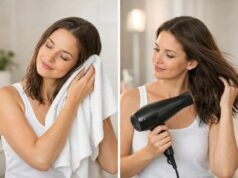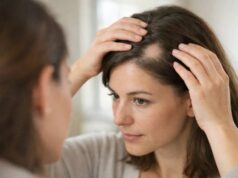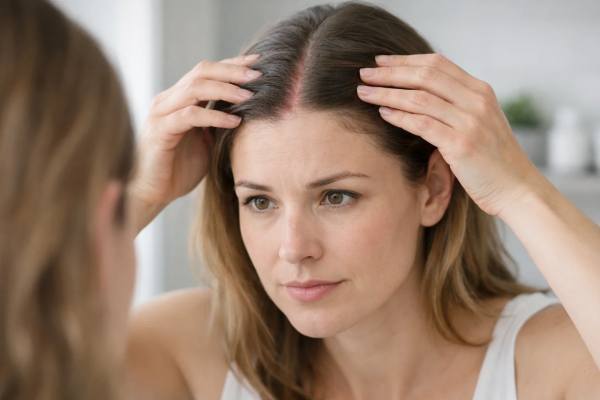
Persistent scalp redness, burning, or unusual sensitivity can be frustrating, especially when it appears without obvious dandruff, infection, or product irritation. In some cases, these symptoms are linked to scalp rosacea—an inflammatory condition that shares features with facial rosacea but affects the scalp instead. Because hair often hides the affected skin, scalp rosacea is frequently overlooked or mistaken for other conditions such as seborrheic dermatitis, scalp psoriasis, or folliculitis.
The condition can cause chronic inflammation, discomfort, and sensitivity that disrupt daily routines like washing, brushing, or styling hair. Some people notice tingling, flushing, or a feeling of warmth across the scalp, while others develop small inflammatory bumps or persistent redness along the hairline. Although scalp rosacea is less widely recognized than facial rosacea, dermatologists increasingly acknowledge it as a real clinical pattern.
Understanding its symptoms, triggers, and treatment options is essential for controlling flare-ups and protecting long-term scalp health.
Key Insights
- Scalp rosacea often causes persistent redness, burning, scalp sensitivity, and flushing that may worsen with heat, stress, or irritating hair products.
- Identifying personal triggers such as spicy food, alcohol, sun exposure, or hot styling tools can significantly reduce flare-ups.
- Early treatment helps control inflammation and prevent chronic scalp discomfort or secondary hair shedding.
- Aggressive scrubbing, harsh exfoliation, or frequent chemical treatments can aggravate the condition.
- A practical management approach combines gentle scalp care, trigger avoidance, and dermatologist-guided therapies when symptoms persist.
Table of Contents
- What is scalp rosacea
- Common symptoms and early warning signs
- Triggers that can worsen scalp rosacea
- How scalp rosacea is diagnosed
- Treatment options for scalp rosacea
- Daily care and prevention strategies
What is scalp rosacea
Scalp rosacea is an inflammatory skin condition affecting the scalp that resembles the vascular and inflammatory changes seen in facial rosacea. It is not always recognized as a distinct diagnosis because symptoms may overlap with other scalp disorders. However, dermatologists increasingly observe that rosacea-related inflammation can extend beyond the face to the scalp, ears, neck, and upper chest.
Rosacea is characterized by abnormalities in blood vessels and immune signaling within the skin. These changes lead to flushing, redness, and increased skin sensitivity. On the scalp, this inflammation can produce persistent warmth, burning sensations, or diffuse redness that may not be immediately visible beneath the hair.
Unlike common dandruff, scalp rosacea usually involves vascular flushing rather than heavy scaling. The scalp may feel hot or irritated after triggers such as sun exposure, spicy foods, alcohol, emotional stress, or heat from styling tools. Many individuals also notice increased scalp sensitivity to cosmetic products.
Another distinguishing feature is heightened nerve sensitivity. Rosacea is associated with neurovascular dysregulation, meaning the nerves that regulate blood vessels become overly reactive. This can produce sensations like tingling, stinging, or burning even when the skin appears relatively normal.
The condition may appear alongside facial rosacea or occur independently. Some people first notice facial flushing and later develop scalp symptoms, while others experience scalp discomfort before facial signs become obvious.
Scalp rosacea is also linked to a disrupted skin barrier and altered microbial environment. These changes can increase susceptibility to irritation from shampoos, fragrances, or styling products. Understanding how the scalp ecosystem supports healthy skin helps explain why disturbances in the scalp microbiome and its balance may contribute to inflammatory conditions like rosacea.
Although scalp rosacea is chronic, symptoms often fluctuate. Periods of calm skin may alternate with flare-ups triggered by environmental or lifestyle factors. Recognizing the inflammatory nature of the condition helps guide treatment strategies that focus on calming the skin and avoiding triggers rather than aggressively exfoliating or scrubbing the scalp.
Common symptoms and early warning signs
Scalp rosacea can present in several ways, which is one reason it is often mistaken for other scalp conditions. Symptoms may appear gradually and vary in intensity depending on triggers and underlying skin sensitivity.
One of the earliest signs is persistent scalp sensitivity. Individuals often describe a burning or stinging sensation that worsens with heat, stress, or certain hair products. Unlike dandruff, this irritation may occur without obvious flaking.
Redness is another common feature. In people with lighter hair density or along the hairline, the scalp may appear flushed or slightly pink. In thicker hair, redness may only become visible when the hair is parted.
Many individuals also experience episodic flushing. Similar to facial rosacea, the scalp may suddenly feel warm or irritated after exposure to triggers such as spicy foods, alcohol, or hot showers. These episodes can last from minutes to hours.
Additional symptoms may include:
- Tingling or prickling sensations on the scalp
- Increased sensitivity to hair care products
- Diffuse scalp warmth or burning
- Mild swelling or tenderness in affected areas
- Occasional inflammatory bumps around follicles
Because these symptoms overlap with other conditions, misdiagnosis is common. For example, inflammatory bumps may resemble scalp acne, which is discussed in guides about causes and treatment of scalp acne. However, scalp rosacea typically produces broader redness and vascular flushing rather than localized clogged follicles.
Another condition frequently confused with scalp rosacea is seborrheic dermatitis. Seborrheic dermatitis often produces greasy flakes and yellowish scale, whereas rosacea tends to cause redness and sensitivity with less scaling.
Symptoms can also fluctuate over time. A person may experience long periods with minimal discomfort followed by sudden flare-ups. These flare-ups often coincide with environmental or lifestyle triggers.
A subtle but important symptom involves scalp pain or hypersensitivity. Even gentle brushing or tying hair back may feel uncomfortable during flare-ups. Some people also notice that wearing hats or exposing the scalp to sunlight intensifies the burning sensation.
Recognizing these early warning signs helps individuals seek treatment before inflammation becomes chronic. Persistent scalp irritation that does not respond to standard dandruff treatments may indicate an underlying inflammatory condition rather than a simple cosmetic issue.
Triggers that can worsen scalp rosacea
One of the defining characteristics of rosacea is its sensitivity to triggers. These triggers activate inflammatory pathways that cause blood vessels to dilate and immune cells to become more reactive. As a result, symptoms such as redness, burning, and flushing can appear suddenly after exposure to certain stimuli.
While triggers vary between individuals, several categories are commonly associated with flare-ups.
Environmental triggers
Heat is one of the most frequent causes of rosacea flares. High temperatures increase blood flow to the skin and promote vascular dilation. On the scalp, this may occur during hot weather, sauna use, or exposure to hot styling tools.
Sun exposure is another important factor. Ultraviolet radiation can increase inflammation and worsen vascular reactivity in rosacea-prone skin.
Dietary triggers
Certain foods and beverages may stimulate facial and scalp flushing. Common examples include:
- Spicy foods containing capsaicin
- Alcohol, particularly red wine
- Very hot beverages
- Highly processed foods
These triggers stimulate nerve receptors that influence blood vessel dilation.
Hair care triggers
Hair products can also aggravate scalp rosacea. Ingredients that frequently provoke irritation include:
- Strong fragrances
- Alcohol-based styling sprays
- Harsh surfactants
- Chemical dyes and bleaching agents
These substances can disrupt the scalp barrier and amplify inflammatory responses.
For some individuals, buildup from styling products can intensify irritation. In such cases, adjusting cleansing habits may help maintain balance, as described in guidance on when and how often to use clarifying shampoo.
Lifestyle triggers
Stress is a major contributor to rosacea flare-ups. Stress hormones influence blood vessel dilation and inflammatory signaling, which can intensify symptoms.
Other lifestyle triggers may include:
- Intense exercise
- Sleep deprivation
- Extreme temperature changes
- Tight headwear that traps heat
Because triggers vary widely, identifying personal patterns is one of the most effective ways to manage scalp rosacea. Keeping a brief symptom diary for several weeks can help reveal connections between flare-ups and specific environmental or lifestyle factors.
Once triggers are recognized, many individuals can significantly reduce flare frequency through targeted adjustments rather than relying solely on medication.
How scalp rosacea is diagnosed
Diagnosing scalp rosacea can be challenging because there is no single laboratory test that confirms the condition. Instead, dermatologists rely on clinical evaluation, patient history, and the pattern of symptoms.
The diagnostic process usually begins with a detailed discussion of symptoms. Patients are often asked about flushing episodes, burning sensations, triggers, and the duration of scalp discomfort. Because rosacea commonly affects the face, clinicians may also examine facial skin for signs such as persistent redness or visible blood vessels.
Physical examination focuses on identifying characteristic signs of inflammation. These may include:
- Diffuse scalp redness
- Increased skin sensitivity
- Vascular flushing
- Inflammatory papules around follicles
Dermatoscopy, a technique that magnifies the skin using specialized lenses, may help visualize subtle vascular changes in the scalp.
Differentiating scalp rosacea from other conditions is essential. Several disorders produce similar symptoms and must be considered during diagnosis. For example:
- Seborrheic dermatitis produces greasy scaling and itching.
- Psoriasis forms thicker plaques with silvery scale.
- Folliculitis causes pustules centered around hair follicles.
- Contact dermatitis develops after exposure to irritating substances.
Distinguishing rosacea from other inflammatory scalp disorders can be particularly important when symptoms overlap. For instance, chronic inflammatory diseases may also affect the scalp and hair follicles, as described in discussions about hair loss associated with scalp psoriasis.
In rare cases, additional testing may be required. A dermatologist might perform a skin biopsy if symptoms are unusual or do not respond to standard treatments. This involves removing a small sample of scalp tissue for microscopic examination.
Patch testing may also be recommended when allergic reactions to hair products are suspected. Identifying allergens can help eliminate a major source of inflammation.
Although the diagnostic process can be complex, an experienced clinician can usually identify scalp rosacea based on symptom patterns and trigger responses. Early diagnosis allows treatment to begin before chronic inflammation causes prolonged discomfort or secondary hair shedding.
Treatment options for scalp rosacea
Managing scalp rosacea focuses on reducing inflammation, calming vascular reactivity, and minimizing exposure to triggers. Treatment strategies typically combine topical therapies, lifestyle adjustments, and supportive scalp care.
Topical medications are often the first line of treatment. Dermatologists may prescribe anti-inflammatory creams or gels that help reduce redness and irritation. In some cases, topical antibiotics are used to control inflammatory papules.
Medicated shampoos may also play a role. Products containing ingredients such as ketoconazole or ciclopirox can help regulate the scalp microbiome and reduce inflammation in certain patients. Guidance on using medicated shampoos effectively is discussed in resources about ketoconazole shampoo and scalp inflammation.
For moderate or persistent symptoms, oral medications may be recommended. Low-dose oral antibiotics with anti-inflammatory properties are commonly used to control rosacea flare-ups. These medications reduce inflammatory signaling rather than acting solely as antibacterial agents.
Other emerging therapies include medications that target vascular dilation or immune pathways involved in rosacea. In more severe cases, dermatologists may consider treatments originally developed for facial rosacea, such as topical ivermectin or laser therapy to reduce persistent redness.
Supportive scalp care is equally important. Gentle cleansing routines, fragrance-free products, and avoiding harsh treatments can help maintain a calm scalp environment.
Treatment plans often involve a stepwise approach:
- Identify and reduce personal triggers.
- Introduce gentle scalp-care products.
- Use topical anti-inflammatory treatments.
- Add oral medications if symptoms persist.
- Monitor long-term scalp health.
Consistency is essential because rosacea tends to relapse when treatment is stopped prematurely. Many patients require ongoing maintenance therapy to keep symptoms under control.
Although scalp rosacea is chronic, effective treatment can significantly reduce discomfort and improve quality of life. With the right combination of medical care and lifestyle adjustments, most individuals can achieve stable long-term control of their symptoms.
Daily care and prevention strategies
Daily scalp care plays a central role in preventing rosacea flare-ups. Because the condition involves heightened skin sensitivity, small adjustments in hair-care habits can make a meaningful difference.
A gentle cleansing routine is one of the most important steps. Harsh shampoos and aggressive scrubbing can disrupt the scalp barrier and increase inflammation. Instead, many dermatologists recommend mild, sulfate-free cleansers designed for sensitive skin.
Maintaining scalp hydration also helps support the skin barrier. Lightweight moisturizers or soothing scalp serums may reduce dryness and irritation. Ingredients such as niacinamide, panthenol, and aloe vera are often used for their calming effects.
Sun protection is another essential component. The scalp is particularly vulnerable to ultraviolet radiation, especially in areas with thinner hair coverage. Wearing hats or using protective sprays can reduce UV-related flare-ups, as described in advice about protecting the scalp from sun damage.
Stress management is equally important. Emotional stress can trigger vascular changes that worsen rosacea symptoms. Techniques such as mindfulness, breathing exercises, and regular physical activity may help stabilize inflammatory responses.
Additional prevention strategies include:
- Avoiding extremely hot showers or hair dryers
- Limiting alcohol and spicy foods if they trigger flushing
- Choosing fragrance-free hair products
- Washing hair regularly to prevent product buildup
Some people also find that cooling the scalp after exercise or heat exposure helps prevent flare-ups. Even small adjustments, such as switching to lukewarm water or avoiding tight headwear, can reduce irritation.
Finally, monitoring scalp symptoms over time helps identify patterns that may otherwise go unnoticed. A simple record of triggers, treatments, and flare-ups can guide long-term management strategies.
Scalp rosacea requires patience and consistent care, but many individuals achieve significant improvement by combining medical treatment with thoughtful daily routines. Maintaining a calm, protected scalp environment remains the most reliable strategy for preventing future flare-ups.
References
- Rosacea: Pathophysiology and Treatment 2018 (Review)
- Update on the Management of Rosacea 2022 (Review)
- Recent Advances in Understanding and Managing Rosacea 2022 (Review)
- Rosacea: Current State of Epidemiology 2023 (Review)
Disclaimer
This article is intended for educational purposes only and should not be considered medical advice. Scalp rosacea and other inflammatory scalp conditions require proper evaluation by a qualified healthcare professional. Individuals experiencing persistent scalp redness, burning, pain, or unexplained hair shedding should consult a dermatologist for diagnosis and appropriate treatment.
If you found this article helpful, consider sharing it on Facebook, X (formerly Twitter), or another platform to help others learn about scalp rosacea and effective ways to manage this often overlooked condition.