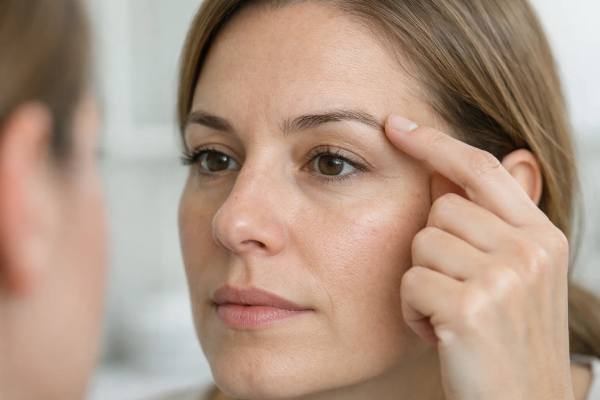
Eyebrow hair loss can feel oddly unsettling because the change is small in size but large in impact. Brows frame the eyes, shape facial expression, and often signal whether hair loss is local, inflammatory, hormonal, autoimmune, or simply the result of years of grooming. Unlike scalp hair, eyebrow hair grows in a much shorter cycle, so thinning may show up quickly and regrow more slowly than many people expect. That is why sudden gaps, loss of the outer third, or rough, broken brow hairs can be more informative than they first appear.
The good news is that eyebrow loss is not one single diagnosis. It is a clue. In many cases, the follicles are still alive and capable of regrowth once the trigger is found and treated. In other cases, early treatment matters because scarring can make loss permanent. Understanding the pattern, the thyroid connection, and the treatment choices can help you move from worry to a more targeted plan.
Essential Insights
- Eyebrow loss is often reversible when the cause is identified early and the follicles are not scarred.
- Patchy smooth gaps, scaling, itching, or loss of the outer third can point to very different underlying problems.
- Thyroid disease can contribute to brow thinning, but outer-brow loss is a clue rather than a thyroid diagnosis by itself.
- Treatments work best when they match the cause; a steroid, an antifungal, thyroid replacement, or habit-reversal therapy may each be the right answer in different cases.
- If brow loss is sudden, spreading, painful, scaly, or paired with scalp or eyelash loss, medical evaluation is the safest next step.
Table of Contents
- What Eyebrow Hair Loss Can Signal
- Most Common Causes of Thinning Brows
- The Thyroid Connection Explained
- How Doctors Find the Cause
- Treatment Options by Underlying Cause
- When to Seek Care and What to Expect
What Eyebrow Hair Loss Can Signal
Eyebrow hair loss, often called madarosis, is best understood as a pattern rather than a stand-alone condition. The first useful question is not “How do I grow my brows back?” but “What kind of loss is this?” The answer often comes from the shape of the thinning.
Diffuse thinning across both brows usually suggests a broad trigger. That can include aging, repeated over-plucking, contact irritation from brow tinting or skin care products, a nutritional problem, or a hormone-related issue such as thyroid dysfunction. Patchy, sharply defined smooth gaps raise more concern for alopecia areata, an autoimmune condition that can affect brows, lashes, scalp, or other body hair. Irregular patches with short broken hairs of different lengths point more toward mechanical damage, such as rubbing, traction, or hair pulling.
The skin under the brow matters too. Redness, scale, itching, or crusting suggest an inflammatory skin disorder rather than a pure hair-cycle problem. Seborrheic dermatitis, eczema, psoriasis, and allergic or irritant contact dermatitis can all thin the brows, often by combining inflammation with scratching. A shiny surface, visible loss of follicle openings, or firm scar-like skin is more worrisome because it suggests scarring alopecia. Once follicles scar, regrowth becomes much harder.
Location adds another clue. Loss concentrated in the outer third of the brow is often associated with hypothyroidism, but that finding is not unique to thyroid disease. It can also appear with eczema and chronic rubbing, which is why brow pattern should be read in context, not in isolation. One-sided loss may suggest a local process, such as trauma, a skin lesion, infection, or a grooming habit that affects one brow more than the other.
An important practical point is that eyebrow loss behaves differently from scalp shedding. Brows have a short growth phase, so they do not get very long, and recovery tends to look gradual. Even when follicles are healthy, the first signs of return may be tiny, pale, or fine new hairs. That is one reason people sometimes mistake early regrowth for treatment failure.
It also helps to separate follicle loss from damage to the hair shaft. A brow can look sparse because hairs are snapping off rather than truly disappearing at the root, much like the distinction between hair shaft breakage and real shedding. That difference changes both the diagnosis and the treatment plan.
Most Common Causes of Thinning Brows
The most common causes of eyebrow hair loss fall into a few broad groups: autoimmune, endocrine, inflammatory skin disease, grooming-related damage, nutritional problems, medications, and scarring disorders. Knowing which group fits best can save time and prevent the trial-and-error approach that often makes things worse.
Alopecia areata is one of the classic causes of eyebrow loss. It usually causes smooth, well-defined bald patches and may involve the brows alone or appear alongside scalp or eyelash loss. Some people also notice nail pitting. Because it is immune-driven, it needs a different plan than loss from over-plucking or thyroid dysfunction.
Inflammatory skin conditions are another major category. Seborrheic dermatitis can affect the brows with scale and irritation. Atopic dermatitis and contact dermatitis may thin the outer brows, especially when itching and rubbing are persistent. Brow cosmetics, tinting, adhesives, fragrance, retinoids that migrate from the forehead, and even harsh cleansers can all play a role. If the history fits, a dermatologist may recommend patch testing for cosmetic and dye reactions rather than repeated product switching.
Mechanical and behavioral causes are common and easy to underestimate. Over-plucking is the obvious one, but threading, waxing, lamination, strong hold products, and vigorous scrubbing can also damage follicles over time. Trichotillomania, a body-focused repetitive behavior, often causes brows with uneven density and hairs of mixed lengths rather than clean, round bald spots.
Thyroid disease deserves its own spotlight because it is both common and widely misunderstood. Hypothyroidism can cause coarse, dry hair and thinning of the outer third of the brows. Hyperthyroidism can also disrupt normal cycling and increase shedding. But thyroid disease is not the only hormonal explanation. General endocrine shifts, chronic illness, and major metabolic stress can change brow density as well.
Nutritional issues matter most when there are risk factors. Iron deficiency, low protein intake, restrictive dieting, malabsorption, and selected micronutrient deficits can all contribute. The key point is targeted correction, not blanket supplementation. Taking large doses of hair supplements without evidence of a deficiency is rarely the smartest first move.
Medications and medical treatments can also trigger loss. Chemotherapy is the most obvious example, but some other drugs can alter the hair cycle or inflame the skin around follicles. If brow thinning started within weeks to months of a medication change, that timeline is worth discussing with a clinician.
Finally, scarring alopecias such as frontal fibrosing alopecia deserve prompt attention. In some people, eyebrow loss appears before obvious scalp recession. Early disease may still respond to treatment, while delayed diagnosis increases the chance of permanent loss. That is why progressive thinning with a shiny surface or reduced follicle openings should never be brushed off as simple aging.
The Thyroid Connection Explained
The link between thyroid function and eyebrow hair loss is real, but it is more nuanced than many people think. Thyroid hormones help regulate how hair follicles move through growth, transition, and resting phases. When thyroid hormone levels are too low or too high, hair cycling can become abnormal. The result may be increased shedding, slower regrowth, brittle texture, and changes that affect not only the scalp but also the brows.
The sign most people know is loss of the lateral, or outer, third of the eyebrow. This is often described as Hertoghe sign. It is a classic clue in hypothyroidism, especially when it appears alongside fatigue, dry skin, constipation, cold intolerance, weight gain, or menstrual changes. The problem is that it is not specific. Chronic eczema, atopic dermatitis, and persistent rubbing can produce a similar pattern. So the outer-brow sign is useful, but it cannot diagnose thyroid disease on its own.
Hypothyroidism tends to produce hair that feels coarse, dry, dull, and fragile. The brows may look sparse rather than sharply patchy. Hyperthyroidism can also lead to diffuse hair changes, though people more often talk about scalp shedding than eyebrow loss. In both cases, the underlying issue is not a local brow problem. It is systemic disruption of follicle behavior.
Thyroid disease also intersects with autoimmunity. Alopecia areata and autoimmune thyroid disease can occur in the same person, which means eyebrow loss sometimes has overlapping explanations. A person may have patchy autoimmune brow loss and thyroid antibodies, or diffuse thyroid-related thinning plus irritated skin from overcompensating with cosmetics. That overlap is one reason a careful workup matters.
A practical point that frustrates many patients is timing. Even after thyroid hormone levels are corrected, brows do not refill overnight. Follicles need time to re-enter a healthier cycle, and new hairs may come in finer or lighter at first. Improvement can lag behind lab normalization by months. That delay does not always mean treatment has failed.
It is also important not to assume every thyroid patient with sparse brows needs a separate brow stimulant right away. If the main driver is uncontrolled hypothyroidism, the central treatment is restoring euthyroid status. Local treatments may still help selected people, but they work best when the broader endocrine problem is addressed.
The most useful takeaway is simple: thyroid disease is an important cause of eyebrow thinning, especially diffuse loss or outer-third loss, but it is one piece of a larger puzzle. When the pattern is very patchy, inflamed, scarring, or paired with eyelash loss, another diagnosis may be equally or more important.
How Doctors Find the Cause
A good evaluation for eyebrow hair loss is usually more focused than people expect. The goal is not to order every possible test. It is to match the history, pattern, and skin findings to the most likely cause.
The visit often starts with a timeline. Sudden loss over days to weeks suggests something different from slow thinning over years. Doctors also ask whether the loss is limited to the brows or involves the scalp, lashes, beard, or body hair. That broader map matters. Isolated eyebrow loss narrows the differential in one direction; multi-site hair loss shifts it in another.
The physical exam is highly informative. A clinician looks for smooth patches, broken hairs, scale, redness, pustules, follicle openings, scar-like shine, and asymmetry. They may inspect the scalp, lashes, nails, and facial skin. Nail pitting can support alopecia areata. Greasy scale favors seborrheic dermatitis. Broken stubble suggests friction or pulling. Loss of follicular openings raises concern for scarring disease.
Dermoscopy or trichoscopy is often the next useful step. This is a magnified view of the skin and hairs that can help distinguish autoimmune loss, fungal infection, trichotillomania, and scarring patterns. It is especially helpful when the brow looks “sort of patchy” but not clearly diagnostic to the naked eye.
History of products and grooming is just as important as the exam. Useful questions include:
- Did thinning begin after tinting, lamination, waxing, threading, or a new makeup remover?
- Is there itching, burning, or flaking before the hairs come out?
- Are you rubbing or checking the area often without realizing it?
- Have you had major dieting, illness, childbirth, or medication changes?
- Do you have symptoms that suggest thyroid, iron, or nutrient problems?
Lab testing should be targeted. Thyroid-stimulating hormone and free thyroid hormone levels are reasonable when symptoms or pattern raise suspicion. Iron studies, ferritin, complete blood count, B12, zinc, or other tests may be considered when diet, anemia symptoms, weight loss, gut disease, or broader shedding suggest a deficiency state. A useful broader framework for this kind of workup appears in discussions of nutrient-related testing clues, though the exact lab panel should be individualized.
A biopsy is not routine for every sparse brow. It is more helpful when scarring alopecia is suspected, when the diagnosis is uncertain after exam and dermoscopy, or when treatment has failed and the pattern is progressing.
The biggest diagnostic mistake is treating all eyebrow loss as cosmetic. The second is ordering a pile of supplements before identifying the actual trigger. The best workup is pattern-based, targeted, and early enough to catch potentially reversible causes before inflammation turns into permanent loss.
Treatment Options by Underlying Cause
There is no single best treatment for eyebrow hair loss because the right treatment depends on why the brow is thinning. The most reliable approach is to separate reversible, nonscarring causes from scarring disorders and then match therapy to the mechanism.
If the cause is thyroid disease, the main treatment is correcting the underlying thyroid imbalance. In hypothyroidism, that often means thyroid hormone replacement under medical supervision. In hyperthyroidism, the plan depends on the cause and severity. Once hormone levels stabilize, eyebrow regrowth may follow, but patience is part of the treatment. Brows often improve on a slower timeline than people want.
If the cause is alopecia areata, limited eyebrow involvement is often treated first with local anti-inflammatory therapy. Dermatologists may use topical corticosteroids or carefully placed intralesional corticosteroid injections for the brows. Some clinicians add topical minoxidil to support regrowth. In more extensive or resistant autoimmune disease, specialist treatment may move toward broader immunomodulatory therapy. The key point is that this is immune-driven loss, not a nutrition problem to solve with random supplements.
If the cause is dermatitis or eczema, removing the trigger matters as much as the medication. Low-potency topical anti-inflammatory treatment, antifungal treatment for seborrheic dermatitis when appropriate, and barrier-friendly skin care can all help. If the brow skin keeps burning, flaking, or itching, repeated use of growth serums and styling products usually backfires.
If the cause is a contact allergy or irritation, treatment starts with subtraction. Stop tinting, fragranced products, harsh exfoliants, and aggressive cleansers around the area. Then calm the inflammation. This is one reason patients with recurring brow irritation may benefit from guidance similar to that used for hair dye and cosmetic contact dermatitis.
If the cause is trichotillomania or repetitive rubbing, regrowth depends on stopping the mechanical trauma. Habit-reversal therapy, stress management, and mental health support are often more effective than piling on topical products.
If the cause is nutritional deficiency, the goal is documented replacement, not megadoses. Iron, protein, zinc, B12, or folate may matter in selected people, especially after restrictive dieting, gastrointestinal disease, or heavy menstrual blood loss. But supplements without a proven need can create new problems.
For selected patients, adjunctive brow-directed treatments may be discussed. Topical prostaglandin analogs or minoxidil are sometimes used to improve eyebrow fullness, though they are not the right choice for everyone and require careful application near the eyes. Steroids used around the eye area also require supervision because skin thinning and eye-related complications are real concerns.
When follicles are lost or disease is stable but incomplete regrowth remains, cosmetic restoration can be very helpful. Brow pencils, powders, tinted gels, and temporary fibers offer immediate camouflage. Microblading and tattooing can improve appearance, but they are best considered after active inflammation is controlled. In selected stable cases, eyebrow transplantation may be an option, especially after trauma, though results are less predictable in scarring conditions.
The important mindset is this: treat the disease first, then rebuild the brow. Reversing that order often leads to frustration.
When to Seek Care and What to Expect
Eyebrow loss is worth medical attention sooner rather than later when the pattern is changing quickly or the skin looks abnormal. Fast treatment is especially important if the cause may be inflammatory or scarring, because the window for regrowth can narrow over time.
You should move evaluation higher on the list if you notice any of the following:
- sudden patchy loss over days to weeks
- eyebrow loss with eyelash, scalp, or body hair loss
- itching, burning, redness, scale, crusting, or pustules
- a shiny or scar-like surface where hairs used to be
- outer-brow loss plus fatigue, dry skin, weight change, cold intolerance, or other thyroid-type symptoms
- thinning that follows new cosmetics, tinting, lamination, or medication changes
- repeated hair pulling, rubbing, or checking behaviors that feel hard to control
For many nonscarring causes, the outlook is better than people fear. If the follicles remain intact, visible regrowth often begins gradually rather than dramatically. Tiny new hairs may appear within a few months, and fuller density may continue to build over the next several months. Autoimmune causes are less predictable, with periods of regrowth and relapse. Thyroid-related loss often improves only after the underlying hormone imbalance is corrected and enough time has passed for a healthier cycle to return.
Scarring disorders behave differently. Once inflammation destroys the follicle, spontaneous regrowth is unlikely. That is why delayed diagnosis matters so much in conditions like frontal fibrosing alopecia and some chronic inflammatory diseases.
It also helps to set realistic goals. The first win may be stopping further loss, not immediate fullness. The second may be regrowth that is finer, lighter, or uneven before it normalizes. Cosmetic support during that period is not vanity; it is part of coping well while treatment works.
If you are unsure whether your situation is cosmetic or medical, lean toward evaluation rather than waiting. A good rule is this: if brow loss is patchy, inflamed, progressive, or accompanied by broader symptoms, it deserves professional attention. Guidance on when hair changes warrant a dermatologist visit becomes especially relevant when the brows, lashes, or facial skin are involved.
References
- Eyebrow and Eyelash Alopecia: A Clinical Review 2022 (Clinical Review). ([PMC][1])
- Impact and Management of Loss of Eyebrows and Eyelashes 2023 (Clinical Review). ([PMC][2])
- Impact of Thyroid Dysfunction on Hair Disorders 2023 (Review). ([PMC][3])
- Alopecia Areata: An Updated Review for 2023 2023 (Review). ([PMC][4])
- British Association of Dermatologists living guideline for managing people with alopecia areata 2024 2025 (Guideline). ([PubMed][5])
Disclaimer
This article is for educational purposes only and is not a diagnosis or a substitute for medical care. Eyebrow hair loss can reflect autoimmune disease, thyroid dysfunction, inflammatory skin disease, infection, nutritional deficiency, medication effects, or scarring disorders. Because treatment depends on the cause, persistent, patchy, inflamed, painful, or rapidly progressive brow loss should be evaluated by a qualified clinician, especially if it occurs with eyelash loss, scalp loss, or systemic symptoms.
If this article helped, please share it on Facebook, X, or your preferred platform so it can reach someone else dealing with unexplained eyebrow thinning.