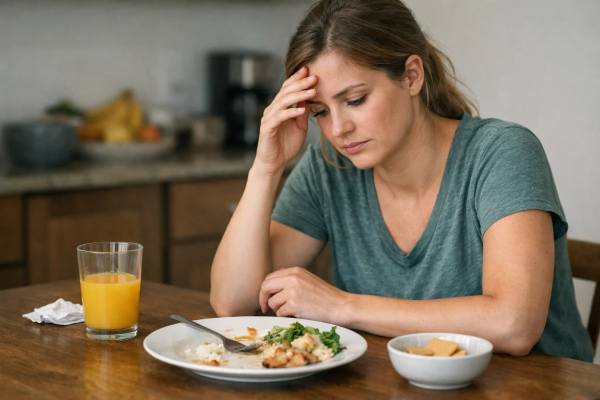
Feeling shaky, suddenly hungry, lightheaded, or oddly anxious a few hours after eating can be unsettling, especially when the meal seemed perfectly normal. Many people describe a fast crash: their hands tremble, their focus slips, and they feel as if they need sugar immediately. This pattern is often called reactive hypoglycemia, but the story is more complicated than the name suggests. Sometimes blood glucose truly drops too low after a meal. Sometimes the symptoms are real, but the measured glucose is not low enough to meet the formal definition of hypoglycemia.
That distinction matters. It shapes which tests are useful, which causes deserve attention, and whether the best next step is meal planning, broader metabolic testing, or evaluation for a less common condition. The good news is that most people can improve symptoms once the pattern is understood clearly. The harder part is avoiding guesswork. A careful approach can separate a common meal-related glucose dip from anxiety, insulin resistance, post-surgical hypoglycemia, or a rarer endocrine problem.
Quick Facts
- Reactive hypoglycemia usually describes symptoms that happen about 2 to 5 hours after eating, but symptoms alone do not prove true low blood sugar.
- Identifying the pattern can help reduce shakiness, hunger, brain fog, and post-meal anxiety with more targeted food choices and timing.
- Large refined-carbohydrate meals, alcohol, delayed meals, and prior stomach surgery can all make post-meal crashes more likely.
- Home finger-stick meters and CGM readings can be helpful for patterns, but they can also mislabel normal fluctuations as low.
- A practical starting step is to track meals, symptoms, and glucose readings for 1 to 2 weeks before changing everything at once.
Table of Contents
- What Reactive Hypoglycemia Means
- Why It Happens After Meals
- What Symptoms Feel Like
- Common Causes and Look-Alikes
- How Doctors Confirm It
- What Usually Helps
What Reactive Hypoglycemia Means
Reactive hypoglycemia usually refers to low blood sugar that happens after eating rather than during fasting. In many descriptions, it appears about 2 to 5 hours after a meal. The classic scenario is familiar: you eat something carb-heavy, feel fine for a while, and then develop tremor, hunger, sweating, weakness, or a wave of anxiety. Because the symptoms often improve quickly after eating again, people naturally assume the diagnosis is obvious.
But medicine asks for more than a recognizable pattern. True hypoglycemia in adults without diabetes is usually defined by Whipple’s triad: symptoms that fit hypoglycemia, a documented low plasma glucose at the same time, and relief when glucose returns to normal. That standard exists for a reason. Many sensations people associate with “low blood sugar” can also happen when glucose is falling quickly but not actually below the clinical threshold, or when something else is causing similar body signals.
That is why reactive hypoglycemia is both a useful term and a slippery one. It is useful because it points to a real lived experience: symptoms after meals that often feel dramatic and recurring. It is slippery because not every post-meal crash is confirmed hypoglycemia. Some people have what clinicians might call postprandial symptoms or hypoglycemia-like symptoms without documented low glucose. Others truly do reach low levels, but only under certain meal conditions or because another disorder is driving the pattern.
The body’s normal response to eating is a coordinated hormone sequence. Glucose rises, insulin helps move it into cells, and counterregulatory hormones stand ready to prevent an excessive drop. When that balance overshoots, glucose can dip far enough to produce symptoms. In some cases, the problem is mainly meal composition and timing. In others, it reflects altered digestion after upper gastrointestinal surgery, early insulin dysregulation, or a rarer endocrine condition.
This is why the question is not simply, “Do I feel bad after eating sugar?” The better question is, “What exactly is happening in my body, and is it true biochemical hypoglycemia or a similar-feeling pattern?” That distinction prevents two common mistakes: dismissing symptoms that deserve evaluation, and self-diagnosing a glucose disorder when the real issue is different. If your symptoms tend to follow pronounced highs and lows after refined meals, it can also help to understand meal-driven glucose surges rather than focusing only on the low point itself.
Why It Happens After Meals
Reactive hypoglycemia happens when the body’s response to a meal becomes mistimed, exaggerated, or poorly matched to the incoming glucose load. The simplest way to picture it is this: the meal pushes glucose up, the pancreas responds with insulin, and then the system overcorrects. Instead of landing smoothly back in range, glucose falls too far or too fast.
Meal composition plays a major role. A meal or snack built mostly from rapidly absorbed carbohydrate can raise glucose quickly. That fast rise may trigger a strong insulin response, especially in people who are more sensitive to glucose swings. The later crash can feel even more dramatic if the meal was low in protein, fiber, or fat, because those nutrients normally slow digestion and steady the curve.
Timing matters too. Long gaps without eating can make the next meal more likely to produce a sharper surge and drop. Alcohol can contribute, especially when it is taken without enough food. Intense exercise, stress, poor sleep, and illness may also change how the body handles glucose on a given day. Some people notice that the same breakfast causes symptoms only after a short night of sleep or during a stressful workweek.
In other cases, the mechanism is less about a routine carb-heavy meal and more about altered physiology. After bariatric or upper gastrointestinal surgery, food may move into the small intestine faster than expected. That can cause a rapid glucose rise, exaggerated incretin signaling, excessive insulin release, and then a delayed post-meal low. This version is not just “ordinary reactive hypoglycemia.” It is a specific and important subtype with its own diagnostic and treatment considerations.
Early insulin resistance can create another paradox. People often assume insulin resistance only causes high glucose. In reality, it can also produce bigger swings. When the early insulin response is less efficient, glucose may rise higher at first, followed by a delayed but stronger insulin release. That later overshoot can set up a post-meal crash. This is one reason symptoms can coexist with normal A1C, borderline fasting glucose, or early metabolic warning signs. In some cases, understanding high insulin despite normal A1C can make the pattern much easier to understand.
The important point is that reactive hypoglycemia is not always one disease with one mechanism. It is a description of a timing problem in glucose control, and several pathways can create it. That is why the same symptoms can arise from a refined breakfast, a post-bariatric anatomy change, early insulin dysregulation, or a much rarer endocrine cause. When symptoms are repetitive, the goal is not to guess which one sounds familiar. It is to identify the mechanism well enough to treat the right problem.
What Symptoms Feel Like
The symptoms of reactive hypoglycemia usually fall into two broad groups. The first are adrenergic or neurogenic symptoms, which come from the body’s alarm response. These include shakiness, sweating, pounding heart, sudden hunger, tingling, and a jittery sense that something is wrong. The second are neuroglycopenic symptoms, which reflect the brain getting less glucose than it wants. These can include brain fog, blurred concentration, weakness, dizziness, visual changes, irritability, and in more serious cases confusion.
Many people experience a mix of both. They describe feeling ravenous, restless, and anxious, but also mentally slow and oddly detached. That combination is one reason reactive hypoglycemia is often mistaken for panic, and panic is sometimes mistaken for low blood sugar. Both states can produce palpitations, sweating, tremor, and a strong urge to escape the moment. The timing helps sort them out. If symptoms repeatedly appear 2 to 4 hours after eating, especially after higher-carb meals, a glucose-related pattern becomes more plausible.
Still, symptoms alone are not enough. Some people feel “low” when glucose is actually normal but falling quickly from a higher peak. Others have symptoms driven by caffeine, sleep loss, dehydration, or autonomic sensitivity. This overlap is one reason the connection between blood sugar shifts and anxiety-like symptoms can be confusing in real life.
Common symptoms include:
- Shakiness or internal trembling
- Sudden intense hunger
- Sweating or feeling flushed
- Palpitations
- Anxiety or a sense of urgency
- Trouble concentrating
- Fatigue or heaviness
- Lightheadedness
- Irritability
- Feeling better quickly after eating
Some people notice predictable triggers. A pastry breakfast, sweet coffee on an empty stomach, a large bowl of cereal, or a long gap between lunch and dinner may produce the same crash again and again. Others feel worse after alcohol, especially if dinner was small or delayed. In post-bariatric cases, symptoms may come sooner and feel more abrupt.
Severity matters. Mild symptoms are unpleasant but manageable. More serious symptoms deserve faster evaluation. These include fainting, confusion, trouble speaking, clumsiness, seizures, or episodes that occur while driving. Recurrent symptoms during fasting, overnight, or early morning also deserve special attention, because that pattern may point away from simple reactive hypoglycemia and toward another cause.
One practical clue is relief after eating. If a balanced snack improves symptoms within minutes, that supports a glucose-related mechanism, though it still does not prove true hypoglycemia. What it does show is that the body is responding to fuel timing. That is useful information, but it is only one piece of the puzzle. The goal is not to ignore symptom relief. It is to place that relief in a bigger clinical context so that “I felt better after juice” does not become the entire diagnosis.
Common Causes and Look-Alikes
One of the biggest frustrations with reactive hypoglycemia is that several different conditions can produce the same symptom cluster. Some are relatively common. A few are uncommon but important not to miss. That is why persistent post-meal symptoms deserve a broader lens than “I must need more sugar.”
A common cause is functional or idiopathic postprandial symptoms. This means the person has a consistent pattern after meals, but testing may not always show clearly low glucose. Another common contributor is early insulin dysregulation, where glucose rises fast, insulin arrives late or in excess, and symptoms follow the drop. People in this group may also have weight gain, a family history of type 2 diabetes, or other features of insulin resistance.
Post-bariatric hypoglycemia is another major cause. After Roux-en-Y gastric bypass and, less often, other upper gastrointestinal surgeries, nutrients can move rapidly into the intestine and trigger an exaggerated hormone and insulin response. This pattern deserves specific attention because treatment often requires more than generic advice to “eat smaller meals.”
Medication and substance effects matter too. Alcohol can impair the liver’s ability to maintain glucose. Some non-diabetes medications and supplements can also contribute. That is why any evaluation should include a full medication and supplement review, not just glucose readings.
Then there are look-alikes. Symptoms after meals are not always caused by glucose. Possibilities include:
- Panic or anxiety episodes
- Caffeine sensitivity
- Dehydration
- Thyroid excess
- Dumping syndrome without true hypoglycemia
- Cardiac rhythm problems
- Migraine-like episodes
- Autonomic dysfunction
Rare but important causes include insulinoma, non-insulinoma pancreatogenous hypoglycemia, autoimmune insulin syndrome, adrenal insufficiency, and critical illness-related hypoglycemia. These become more concerning when symptoms occur during fasting, overnight, with weight loss, or with increasingly severe episodes. If the history is not fitting a simple post-meal pattern, clinicians widen the search.
A useful mindset is to treat reactive hypoglycemia as a working description, not a final explanation. It tells you when symptoms happen, not automatically why they happen. That is especially important for people who start treating themselves with constant snacking or frequent sugar “rescues.” Those strategies can sometimes worsen the cycle by promoting higher peaks and sharper drops.
There is also an emotional trap here. Repeated symptoms can make people fearful of eating, fearful of leaving home without snacks, or convinced they are on the verge of collapse every time they feel shaky. A clearer diagnosis often reduces that fear. Sometimes the answer really is meal structure. Sometimes it is a metabolic problem that needs follow-up. Sometimes it is both. Either way, a careful evaluation is more useful than relying on symptom labels alone. If post-meal symptoms coexist with broader clues such as cravings, waist-centered weight gain, or fatigue after refined meals, it can be worth learning more about early insulin resistance patterns as part of the bigger picture.
How Doctors Confirm It
Diagnosing reactive hypoglycemia starts with history, not with a single lab. Doctors want to know when symptoms happen, what the meal looked like, how soon they start, how long they last, whether they improve with food, and whether they ever occur during fasting or overnight. They also ask about surgery history, alcohol, medications, weight changes, and family history of diabetes or endocrine disease.
The next step is to determine whether true low glucose is being documented at the same time as symptoms. This is where many people get tripped up. Home glucose meters can be helpful, but they are less accurate at lower ranges. Continuous glucose monitors can reveal patterns, yet they measure interstitial rather than blood glucose and can show readings that look lower than the true plasma value. That makes CGM useful for trends, but not always definitive for diagnosis. If you are using one, it helps to understand what CGM is good at and where it can mislead.
Doctors often look for Whipple’s triad in real life: symptoms, low glucose, and symptom relief when glucose normalizes. When episodes are frequent and clearly post-meal, a supervised mixed meal test may be more useful than an oral glucose tolerance test. The oral glucose tolerance test uses an artificial glucose load and may produce misleading lows in people who do not have a true clinical problem in everyday life. A mixed meal better reflects how the body responds to real food containing carbohydrate, protein, and fat.
Testing is often individualized. Depending on the pattern, the workup may include:
- Glucose measured during symptoms
- Insulin, C-peptide, and related labs during an episode
- A mixed meal test
- Review of medications and supplements
- Screening for insulinoma or other endocrine causes when the story is atypical
- Additional testing if fasting symptoms, severe episodes, or weight loss are present
This is also the stage where overtesting can become a problem. Not every mildly low-looking CGM trace needs a full endocrine workup. But not every repeated post-meal crash should be brushed off either. The real goal is to match the intensity of testing to the strength of the pattern.
A practical rule is that the more severe, less predictable, or less meal-linked the episodes are, the lower the threshold for a fuller evaluation. Fasting episodes, night symptoms, confusion, blackouts, or symptoms with documented very low glucose deserve prompt medical attention. By contrast, predictable symptoms after a refined-carb lunch in an otherwise well person may call first for structured monitoring, food review, and targeted follow-up rather than an immediate cascade of rare-disease testing.
What Usually Helps
For many people, the first line of treatment is not a medication. It is changing the shape of the glucose curve. The goal is to reduce fast rises after meals, soften the insulin surge that follows, and prevent the sharp drop that triggers symptoms. That usually means focusing less on “eating sugar when I crash” and more on building meals that are less likely to create the crash in the first place.
Strategies that often help include:
- Eating regular meals rather than long gaps followed by large meals
- Combining carbohydrate with protein, fiber, and fat
- Avoiding large servings of refined carbohydrate on their own
- Limiting liquid sugar and sweet drinks on an empty stomach
- Being cautious with alcohol, especially without food
- Planning a balanced snack when symptoms predictably occur later in the day
Examples tend to work better than abstract advice. Toast alone may trigger symptoms more easily than toast with eggs and yogurt. A pastry and coffee breakfast may be rougher than oats with nuts and protein. Rice or pasta may sit better when paired with beans, fish, chicken, vegetables, and olive oil than when eaten in a large refined portion by itself.
Some people benefit from meal order as well, especially when the crash seems tied to rapid post-meal rises. Starting with protein, vegetables, or another fiber-rich component before the starch may help flatten the curve. That approach overlaps with the logic behind protein-first meal sequencing, though it works best as part of an overall eating pattern rather than a single trick.
For people with confirmed post-bariatric hypoglycemia or more disabling symptoms, management may go further. Dietitian support can be valuable, and some patients need medication such as acarbose or other targeted therapy under specialist care. That is one reason self-treatment has limits. If symptoms are frequent, worsening, or clearly documented as true hypoglycemia, the next step is medical follow-up, not endless dietary improvisation.
Seek prompt care sooner if you have:
- Fainting or near-fainting
- Confusion, trouble speaking, or severe weakness
- Symptoms during fasting or overnight
- Unintentional weight loss
- History of bariatric surgery with recurrent episodes
- Repeated low readings with severe symptoms
- Concern for a medication-related cause
Most importantly, avoid making the cycle worse by chasing every symptom with fast sugar alone. Quick carbohydrate may be appropriate for a true symptomatic low, but relying on that pattern throughout the day can reinforce the rise-crash rhythm. A steadier plan is usually more effective. And when the pattern does not improve, that is the point to consider specialist evaluation rather than assuming the problem is harmless.
References
- Non-Diabetic Hypoglycemia: Evaluation and Management in Adults – PMC 2025 (Review)
- Society for Endocrinology guidelines for the diagnosis and management of post-bariatric hypoglycaemia – PMC 2024 (Guideline)
- Proposed treatment strategy for reactive hypoglycaemia – PMC 2024 (Clinical Practice Article)
- A review on nondiabetic hypoglycemia from various causes: Case series report – PubMed 2023 (Review)
- Assessing Long-Term Impact of Dietary Interventions on Occurrence of Symptoms Consistent with Hypoglycemia in Patients without Diabetes: A One-Year Follow-Up Study – PMC 2022 (Follow-Up Study)
Disclaimer
This article is for education only and is not a substitute for medical diagnosis or treatment. Shakiness, hunger, anxiety, and weakness after meals can have several causes, and true hypoglycemia in adults without diabetes should be evaluated in context rather than assumed from symptoms alone. Do not stop prescribed medicines or begin restrictive eating plans without discussing them with a qualified clinician, especially if you have severe episodes, a history of bariatric surgery, pregnancy, another endocrine condition, or symptoms during fasting or overnight. Seek urgent medical care for fainting, seizures, severe confusion, chest pain, trouble speaking, or any episode that makes driving or operating equipment unsafe.
If this article helped you better understand post-meal crashes, consider sharing it on Facebook, X, or another platform where clear health information can help someone else connect the dots sooner.