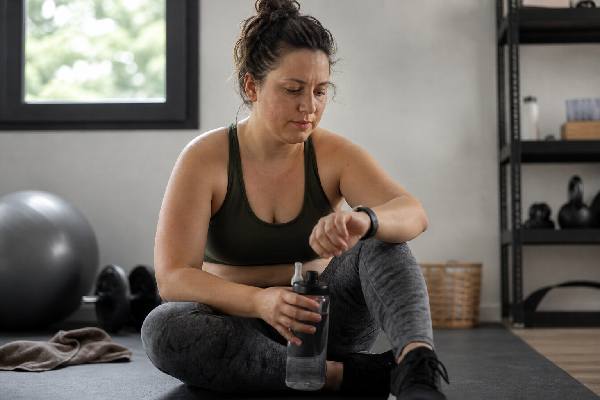
Exercise can improve your health even when the scale is slow to respond, but it does not always create enough of a calorie deficit by itself to produce visible weight loss. If your workouts are consistent and your weight is not changing, the most likely reasons include temporary water retention, increased hunger, lower movement outside workouts, inaccurate calorie estimates, too little recovery, or a medical factor that deserves attention.
The goal is not to exercise harder at any cost. It is to understand what your body is responding to, measure progress in a fair way, and adjust the few variables that matter most.
Table of Contents
- Exercise Can Work Before the Scale Changes
- Why Workouts Do Not Always Create Fat Loss
- Temporary Scale Gain After Exercise
- Food, Movement and Recovery Check
- Medical and Hormonal Factors
- How to Adjust Your Plan
- When to Get Medical Help
Exercise Can Work Before the Scale Changes
The scale is only one measure of progress, and it can lag behind real changes in fitness, body composition, waist size, blood sugar, strength, and cardiovascular health. A stable weight does not automatically mean your workouts are pointless.
This is especially true if you recently started exercising, changed your routine, added strength training, increased workout intensity, or returned after a break. New training can increase muscle glycogen, water stored with glycogen, blood volume, and inflammation from normal muscle repair. These are not signs of fat gain. They are part of adaptation.
You may also be losing fat while gaining or preserving lean mass. This is often called body recomposition. It tends to show up more clearly in waist measurements, progress photos, clothing fit, strength, endurance, resting heart rate, and blood markers than in day-to-day scale weight.
A useful way to evaluate progress is to separate “weight change” from “fat-loss evidence.” Weight can shift because of:
- Food volume in the digestive tract
- Sodium and carbohydrate intake
- Menstrual cycle changes
- Constipation
- Travel, poor sleep, alcohol, or hard workouts
- Muscle repair and inflammation
- Medication changes
- Hydration status
Fat loss is slower and less noisy. One pound of body fat represents a large energy difference, while one to five pounds of water fluctuation can happen quickly. That is why a single weigh-in after a hard workout week can be misleading.
A better tracking method is to compare weekly averages, not isolated days. Weigh at the same time of day under similar conditions, then look at the trend over two to four weeks. Add at least one non-scale measure, such as waist circumference, hip circumference, how clothes fit, step count, workout performance, or resting heart rate.
The most important question is not “Did the scale drop today?” It is “Over the last few weeks, are my weight trend, measurements, habits, and health markers moving in the right direction?” If yes, your plan may be working even if the scale is slow. If no, it is time to check energy intake, daily movement, recovery, and possible medical barriers.
Why Workouts Do Not Always Create Fat Loss
Exercise supports fat loss, but fat loss still requires a sustained calorie deficit over time. Workouts can help create that deficit, but the body and environment often compensate in ways that make the deficit smaller than expected.
The first issue is that exercise burns fewer calories than many people think. Fitness watches, cardio machines, and app estimates can be helpful for activity awareness, but they often overstate calories burned. A challenging workout may feel like it “earned” a large meal, when the true energy burn is more modest. This is one reason overestimating exercise calories can quietly stall progress.
The second issue is hunger. Some people feel hungrier after exercise, especially after long cardio sessions, high-intensity workouts, or under-fueled morning training. Eating a little more may be appropriate for recovery, but the extra intake can erase the deficit if it is unplanned. Liquid calories, larger portions, extra snacks, and “I worked out, so I deserve it” meals are common patterns.
The third issue is reduced movement outside workouts. After a hard session, you may sit more, take fewer steps, skip chores, or feel less energetic the rest of the day. This drop in non-exercise activity can offset part of the workout burn. This pattern is often called exercise compensation.
The fourth issue is consistency across the whole week. Four strong workouts do not always overcome two high-calorie weekend days, frequent alcohol, restaurant portions, or grazing while cooking. Weight loss depends on the weekly pattern, not just the workout days.
A simple example makes this clearer. Suppose you do four workouts per week, and each one creates a real 250-calorie deficit. That is about 1,000 calories for the week. If exercise increases your appetite enough that you eat an extra 200 calories on five days, the deficit is gone. The workouts still improve health, but the scale may not move.
None of this means exercise is ineffective. It means exercise works best when paired with a realistic food strategy, enough protein, adequate sleep, and daily movement outside formal workouts. For many people, the winning formula is not punishing cardio. It is a repeatable mix of strength training, moderate cardio, steps, and meals that make a calorie deficit easier to sustain.
Temporary Scale Gain After Exercise
A temporary scale increase after starting or intensifying exercise is common and usually reflects water, glycogen, inflammation, or digestion rather than fat gain. This can be frustrating, but it is often a normal short-term response.
When you lift weights, run hills, do intervals, or start a new class, your muscles experience small amounts of stress and damage. During repair, the body holds fluid in and around trained tissues. This is part of recovery. Soreness, stiffness, and a heavier scale can appear together.
Carbohydrate intake also matters. When you eat more carbs, your body stores more glycogen in muscle and liver. Glycogen is stored with water, so a higher-carb day can increase scale weight even if calories are controlled. This is not bad. Glycogen helps you train, recover, and feel better during workouts.
Sodium can have a similar effect. Restaurant meals, salty snacks, sauces, packaged foods, and sports drinks can increase water retention. So can poor sleep, stress, menstrual cycle changes, constipation, and long travel. If your clothes fit the same but the scale jumps overnight, water is more likely than fat.
A practical way to tell the difference is to look at time and context. Fat gain requires a meaningful calorie surplus over time. Water weight can appear quickly and disappear quickly. If you gained three pounds the morning after a hard leg workout, salty dinner, late meal, or poor sleep, it is very unlikely to be three pounds of body fat.
| What changed | Likely explanation | What to do |
|---|---|---|
| New strength training | Muscle repair and water retention | Track weekly averages and allow 2–4 weeks |
| Hard cardio or intervals | Inflammation, stress response, increased hunger | Balance intensity with easier sessions and recovery |
| More carbohydrates | More glycogen and water storage | Do not panic; compare trends, not single days |
| Salty restaurant meal | Sodium-related water retention | Resume normal meals and hydrate normally |
| Constipation | More stool and food volume | Increase fluids, fiber, movement, and routine |
If your weight is fluctuating but your waist is shrinking, workouts feel easier, strength is rising, and clothing fits better, you may be seeing water retention hiding fat loss. In that case, changing everything too soon can backfire. Give the trend enough time to reveal itself.
Food, Movement and Recovery Check
When exercise is consistent but weight is not changing, the best next step is a calm audit of food intake, daily movement, and recovery. These three areas explain most non-medical stalls.
Start with food, but avoid turning the process into punishment. You are looking for information, not blame. Many people eat “healthy” foods but still exceed the calories needed for weight loss. Nuts, oils, granola, smoothies, protein bars, restaurant meals, dressings, alcohol, and larger portions can add up quickly.
Protein and fiber are especially important because they help control hunger. A meal built around lean protein, high-fiber carbohydrates, vegetables, fruit, and enough healthy fat is usually easier to manage than a low-protein meal that leaves you hungry an hour later. If hunger rises when you exercise, review your protein intake before cutting calories lower.
Next, check daily movement. Formal workouts are only one part of energy expenditure. The rest includes walking, standing, chores, errands, fidgeting, and general activity. This is often called NEAT, or non-exercise activity thermogenesis. A person who trains for 45 minutes but sits the rest of the day may burn less total energy than expected.
Recovery is the third pillar. Poor sleep can increase hunger, reduce impulse control, lower training quality, and make cravings harder to manage. High stress can also change eating patterns and reduce activity. Recovery does not mean doing nothing; it means supporting the plan enough that you can repeat it.
Use this checklist before making aggressive changes:
- Are you tracking your weight trend for at least two to four weeks?
- Are you comparing weekly averages rather than daily highs and lows?
- Are portions of calorie-dense foods measured or estimated honestly?
- Are weekends, alcohol, restaurant meals, and snacks included?
- Are you eating enough protein at most meals?
- Are you getting enough fiber from fruits, vegetables, legumes, or whole grains?
- Are your steps lower on workout days because you feel tired?
- Are workouts so hard that they trigger overeating or skipped movement later?
- Are you sleeping enough to support appetite control?
- Are you taking rest days before soreness, fatigue, or injury builds up?
If you are unsure where the issue is, track carefully for seven to fourteen days without changing anything. Record meals, snacks, drinks, workouts, steps, sleep, hunger, and weight. Patterns often become obvious: calories are higher than expected, steps drop after workouts, weekends erase progress, or poor sleep predicts cravings.
Medical and Hormonal Factors
If your habits are consistent and progress is still unusually difficult, medical and hormonal factors may be part of the picture. They do not make fat loss impossible, but they can affect appetite, fluid retention, energy, insulin levels, fatigue, pain, and how realistic a plan feels.
Medications are a common place to start. Some drugs can increase appetite, cause fluid retention, reduce energy expenditure indirectly, or make exercise harder because of fatigue or dizziness. Examples may include some antidepressants, antipsychotics, mood stabilizers, beta blockers, insulin, sulfonylureas, corticosteroids, gabapentin, pregabalin, and some hormonal treatments. Never stop a prescribed medication on your own, but do ask whether weight-neutral or weight-supportive alternatives exist. A focused discussion about medications and weight plateaus can be productive.
Hormonal and metabolic conditions can also matter. Hypothyroidism may contribute to fatigue, cold intolerance, constipation, and modest weight gain. PCOS and insulin resistance can increase hunger, cravings, central weight gain, and difficulty managing blood sugar. Perimenopause and menopause can change fat distribution, sleep, muscle mass, and training recovery. Cushing syndrome is less common but important to rule out when weight gain is rapid and accompanied by distinctive symptoms.
Diabetes and prediabetes deserve special care. Exercise can improve insulin sensitivity, but people taking insulin or certain glucose-lowering medications may need guidance to prevent low blood sugar during or after activity. Weight loss plans should be coordinated with medication changes when blood sugar improves.
Pain, injury, autoimmune disease, depression, sleep apnea, and chronic fatigue can also affect weight indirectly. They may reduce daily movement, increase cravings, disrupt sleep, or make intense exercise unrealistic. In these cases, the best plan may involve lower-impact activity, strength training adapted to symptoms, medical treatment, and nutrition changes that do not depend on willpower alone.
Consider asking a clinician about blood tests for trouble losing weight if you have persistent symptoms or a major change in weight without a clear explanation. Depending on your situation, reasonable evaluation may include thyroid testing, glucose or A1C, lipids, liver enzymes, kidney function, iron or B12 status, reproductive hormones, prolactin, or screening for sleep apnea.
Medical factors are not a reason to give up. They are a reason to stop assuming the answer is simply “try harder.” A better plan may be more targeted, safer, and easier to sustain.
How to Adjust Your Plan
The best adjustment is usually small, specific, and measurable. Do not slash calories and double your workouts at the same time, because that makes it harder to know what worked and increases the risk of hunger, fatigue, injury, and rebound overeating.
Start with a two-week baseline. Keep your current exercise routine steady and track the basics: weight trend, steps, workouts, sleep, hunger, and food intake. If your weekly average weight is stable and measurements are not changing, choose one or two adjustments.
A practical sequence looks like this:
- Set a fair tracking window. Use two to four weeks of weekly average weight before deciding you are truly stalled.
- Confirm food intake. Track portions for a short period, including oils, sauces, drinks, snacks, restaurant meals, and weekends.
- Protect protein and fiber. Build meals around protein and high-fiber foods before cutting calories further.
- Set a step floor. Choose a daily step target you can hit on workout and rest days.
- Keep strength training. Two to four sessions per week can help preserve muscle while losing fat.
- Use cardio strategically. Add moderate cardio or walking before relying on frequent all-out intervals.
- Adjust calories modestly. If needed, reduce intake by a small amount rather than making an extreme cut.
- Recheck after two weeks. Look at trend data, hunger, energy, workouts, and measurements.
For food, a modest calorie adjustment might mean reducing portions of calorie-dense extras, replacing liquid calories, planning a higher-protein breakfast, or using a structured approach to calorie deficit steps. For activity, it might mean adding a 10-minute walk after meals, increasing average steps by 1,000 to 2,000 per day, or replacing one exhausting workout with an easier zone of cardio you can repeat consistently.
Avoid the common trap of making every workout harder. More intensity is not always better for fat loss. Too much high-intensity work can increase hunger, soreness, fatigue, and injury risk. A balanced week might include strength training, moderate cardio, walking, and rest. The best program is not the one that looks most impressive; it is the one you can recover from and repeat.
Also decide what success looks like beyond the scale. If weight is slow but your waist is shrinking, blood pressure is improving, you can climb stairs more easily, or your glucose numbers are better, the plan may already be producing meaningful health benefits.
When to Get Medical Help
Get medical help when weight changes are rapid, unexplained, accompanied by concerning symptoms, or not responding to a reasonable plan. This is especially important if you have a health condition, take medications, or feel worse as you increase exercise.
Make an appointment if you notice:
- Rapid weight gain without a clear change in eating or activity
- New swelling in the legs, ankles, face, or abdomen
- Shortness of breath, chest pain, fainting, or unusual exercise intolerance
- Severe fatigue, dizziness, weakness, or feeling unusually cold
- Irregular periods, new facial hair, acne, or symptoms of high androgens
- New purple stretch marks, easy bruising, muscle weakness, or a rounded face
- Persistent constipation, depression, low mood, or sleep disruption
- Loud snoring, choking at night, morning headaches, or daytime sleepiness
- Frequent low blood sugar during or after workouts
- Pain that limits movement or worsens with training
- A history of an eating disorder or current urges to restrict, purge, or overexercise
Seek urgent care for chest pain, severe shortness of breath, fainting, one-sided weakness, sudden severe swelling, or symptoms of dangerously low blood sugar that do not improve with treatment.
It is also reasonable to seek support if you have exercised consistently and followed a measured nutrition plan for several months with no change in weight, waist size, fitness, or metabolic markers. A clinician, registered dietitian, physical therapist, or certified exercise professional with medical experience can help identify barriers you may not see on your own.
A medical visit does not have to be confrontational. Bring a short record of your weight trend, exercise routine, step count, sleep, food pattern, medications, supplements, symptoms, and what you have already tried. That makes the conversation more concrete and less likely to become generic advice. If you are unsure whether your symptoms warrant evaluation, a guide on when to see a doctor for weight gain can help you prepare for the appointment.
The bottom line: exercising and not losing weight is common, explainable, and often fixable. The answer may be a better calorie strategy, more daily movement, improved recovery, patience with water weight, medical review, or a different way of measuring progress. Your workouts still count. The next step is to make the rest of the plan match the goal.
References
- Aerobic Exercise and Weight Loss in Adults: A Systematic Review and Dose-Response Meta-Analysis 2024 (Systematic Review and Meta-analysis)
- Physical Activity and Excess Body Weight and Adiposity for Adults. American College of Sports Medicine Consensus Statement 2024 (Consensus Statement)
- Resistance training effectiveness on body composition and body weight outcomes in individuals with overweight and obesity across the lifespan: A systematic review and meta-analysis 2022 (Systematic Review and Meta-analysis)
- Obesity Management in Adults: A Review 2023 (Review)
- Overweight and obesity management 2026 (Guideline)
- WHO guidelines on physical activity and sedentary behaviour 2020 (Guideline)
Disclaimer
This article is for general educational purposes only and is not a substitute for medical advice, diagnosis, or treatment. If you have a medical condition, take prescription medications, have symptoms with exercise, or are struggling with unexplained weight gain, consult a qualified healthcare professional before making major changes to your diet or training plan.
If you found this helpful, consider sharing it on Facebook, X, or your preferred platform so others can better understand why exercise results do not always show up immediately on the scale.