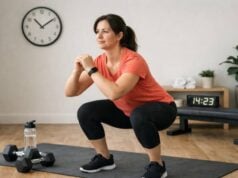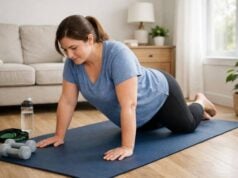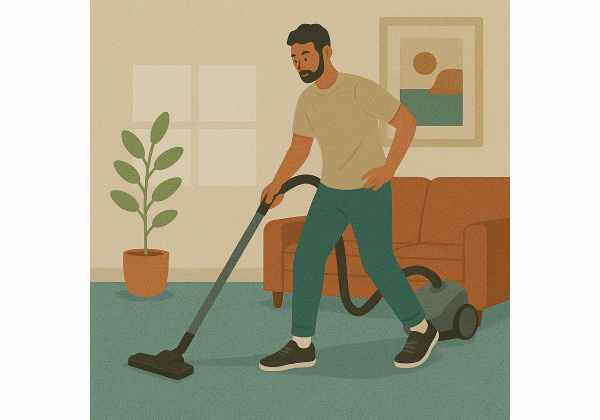
Most people think weight loss activity has to look like a workout: a gym session, a run, a spin class, or a sweaty interval block on a timer. But a large share of daily calorie burn comes from something less obvious and often more realistic: the movement you do outside formal exercise. Standing while folding laundry, walking to the printer, carrying groceries, pacing during a call, taking the stairs, cleaning the kitchen, and getting up often through the day all count. That is NEAT, or non-exercise activity thermogenesis.
It matters because many people can increase NEAT more easily than they can add another tough workout. It usually creates less fatigue, asks less of the joints, and fits better into real schedules. This guide explains what NEAT is, what counts and what does not, how much it can affect calorie burn, how to raise it without making life feel like a fitness challenge, and how to use it alongside strength training, cardio, and nutrition for better weight-loss results.
Table of Contents
- What NEAT means and why it matters
- What counts as NEAT each day
- How much NEAT can change calorie burn
- Simple ways to raise NEAT
- How to combine NEAT with training
- Mistakes that make NEAT disappear
What NEAT means and why it matters
NEAT stands for non-exercise activity thermogenesis. In plain language, it is the energy you use for movement that is not sleeping, eating, or structured exercise. That includes things like standing, walking around the house, climbing stairs, moving between rooms, carrying bags, tidying, gardening, pacing, and all the other ordinary motions that fill a day.
This matters because total daily energy expenditure is not driven by workouts alone. Your body uses calories for basic functions, digestion, exercise, and all the movement that happens outside formal training. For many people, NEAT is one of the most changeable parts of that equation. A person can live two days with the same food intake and the same 45-minute workout, yet burn very different amounts of energy depending on how much they sit, stand, walk, carry, and move the rest of the time.
That is why NEAT deserves more attention in weight-loss planning. It is not glamorous, but it is practical. Unlike a hard training session, increasing NEAT often does not require special clothes, recovery time, equipment, or a fully open hour in the schedule. It can be built into work, errands, chores, commuting, childcare, and small decisions repeated throughout the day.
NEAT also helps solve a problem that frustrates many people: the gap between “I exercise” and “I am active.” Someone can do a solid morning workout and still spend the next ten hours mostly seated. On paper, that person exercises. In real life, their day may still be fairly low movement. NEAT is what fills that gap.
This does not mean NEAT replaces formal exercise. Structured training still matters for cardiovascular fitness, muscle retention, strength, bone health, and long-term health. But NEAT can make a weight-loss plan far more effective because it helps raise daily calorie burn without the wear and tear of treating every day like a workout day. That is one reason it fits so well alongside a broader plan built around a sustainable calorie deficit and a balanced mix of activities rather than one single method. If you want the full picture of how walking, cardio, and lifting fit together, it also helps to see where NEAT sits within the best exercise choices for weight loss overall.
A useful way to think about NEAT is this: workouts are often the headline, but NEAT is the background system. The headline gets more attention. The background system often decides whether the week actually works.
What counts as NEAT each day
One reason NEAT is so powerful is that it is made of ordinary behaviors, not formal training blocks. That means people often underestimate it, overlook it, or fail to count it as meaningful because it does not feel athletic. But from an energy-expenditure standpoint, those small motions add up.
NEAT usually includes activities such as:
- Walking to the car, store, mailbox, or transit stop
- Standing while cooking, cleaning, or folding laundry
- Carrying groceries, luggage, or a child
- Pacing while talking on the phone
- Taking the stairs instead of the elevator
- Walking to a coworker instead of sending a message
- Short movement breaks between meetings
- Yard work, light housework, and errands
- Parking farther away and walking the rest
- Getting up often instead of sitting for long stretches
It does not usually include:
- A planned strength workout
- A run, bike ride, swim, or fitness class
- A formal sports practice
- Sleeping
- The thermic effect of digesting food
The easiest way to separate NEAT from exercise is intent and structure. If you schedule it, track sets or pace, and treat it like training, it is probably exercise. If it happens as part of living, commuting, working, cleaning, parenting, or moving through the day, it is probably NEAT.
This is why office life can quietly crush progress. Desk jobs often reduce movement to a few concentrated bursts: from bed to car, car to desk, desk to couch. Many people do not realize how little they are moving until they track steps or start paying attention to how often they stand up. That is also why workplace routines can have such a strong effect on NEAT. A few built-in habits can turn a low-movement job into a more active day without adding a single formal workout. For people with long seated work hours, a dedicated desk-job movement plan can create more daily energy burn than endlessly chasing harder gym sessions.
Walking deserves special mention here. Not all walking is exercise in the strict sense. A brisk intentional walk can be training, but a large amount of walking is simply NEAT. That includes all the casual steps accumulated through errands, breaks, chores, commuting, and household life. This is why step counts are often useful. They give you a rough picture of background movement even when you are not “working out.”
NEAT also includes tiny movements people rarely think about: shifting positions, getting up to refill water, walking during calls, putting things away one at a time instead of stacking everything for later, or making two small trips instead of one. These are not dramatic calorie burners on their own. Their value comes from repetition. A single movement break is small. Twenty of them across a week are not. That is also why NEAT overlaps naturally with walking-based weight-loss strategies: both succeed by making movement frequent, repeatable, and easy to recover from.
The main question is not whether an action looks impressive. It is whether it gets your body moving more often.
How much NEAT can change calorie burn
NEAT can influence daily calorie burn more than most people expect, but it is important to talk about it carefully. It is not a magic loophole, and it is not the same for everyone. The effect depends on body size, occupation, mobility, environment, and how much sitting a person is replacing.
The first thing to understand is that NEAT is highly variable. Two people with similar body size can have very different daily movement habits. One might spend most of the day seated and accumulate only a few thousand steps. The other might stand more, walk more at work, take stairs, run errands on foot, tidy frequently, and pace during calls. Over time, those differences can create a meaningful gap in total calorie burn.
That gap does not have to come from dramatic behavior. Simple changes can matter:
- Replacing several hours of sitting with more standing and walking
- Taking short movement breaks every hour
- Adding a few 5 to 10 minute walks during the day
- Accumulating 2,000 to 4,000 more daily steps than your usual baseline
For many adults, that may translate to several dozen to a few hundred extra calories burned per day depending on size and pace. Over weeks and months, that is enough to support fat loss or help prevent regain, especially when paired with stable eating habits. This is why NEAT is so valuable during weight loss. It increases energy output without demanding the same recovery as repeated hard cardio sessions.
NEAT also matters because it often falls when people diet. This is easy to miss. When food intake drops, some people become less spontaneous in their movement. They sit more, fidget less, avoid extra trips, and choose convenience more often because energy feels lower. None of that feels like a major change in the moment, but together it can shrink the calorie deficit you thought you had. In other words, you can be “on plan” with food and workouts yet lose less than expected because your background movement quietly dropped.
That is why a weight-loss plateau is not always about metabolism in the dramatic way people fear. Sometimes it is simply less movement hiding inside the day. Keeping an eye on NEAT can help prevent that. A person who protects daily movement while dieting often gets more predictable results than someone who relies only on gym sessions.
The practical lesson is to think in trends, not exact numbers. Wearables, watches, and phone step counts are helpful, but they are not perfect. They are best used to compare your current week with your usual week. If your average steps fell from 8,500 to 5,200 during a busy month, that matters even if the device is not perfectly precise.
This is also where habits matter more than motivation. A reliable daily baseline is more powerful than occasional bursts. A person who consistently adds movement through routines tends to do better than someone who keeps promising to “be more active” when life slows down. That is exactly why small behavior systems such as habit stacking work so well for NEAT: they attach movement to actions you already do instead of asking you to remember it from scratch.
NEAT does not need to be heroic to be valuable. It needs to be present often enough to change the week.
Simple ways to raise NEAT
The best way to raise NEAT is not to turn daily life into a constant fitness challenge. It is to redesign small parts of the day so movement happens with less friction. That matters because NEAT works best when it feels automatic, not when it depends on perfect motivation.
A good starting point is to identify where your day is most still. For many people, it is work hours, evening screen time, commuting, or weekends spent “recovering” by sitting more than usual. Once you know the low-movement blocks, you can insert short, repeatable actions.
Here are practical ways to increase NEAT without needing a gym:
- Create hourly movement breaks
Stand up every 45 to 60 minutes. Walk to refill water, put something away, stretch briefly, or do a two-minute loop around the house or office. - Add one or two short walks after meals
Even 5 to 10 minutes can raise daily movement without feeling like a workout. For many people, post-meal walks are one of the easiest NEAT habits to keep because they attach naturally to something already happening. - Build walking into phone time
Take calls standing or pacing. A 15-minute call while walking indoors or outdoors adds up quickly over a week. - Make the environment slightly less convenient
Park farther away, take the stairs when practical, use a bathroom on another floor, or keep frequently used items far enough away that you must get up. - Use chore bundling
Instead of waiting until everything piles up, do small active tasks throughout the day: put away laundry in smaller batches, tidy one room at a time, or make two trips with groceries instead of one. - Set a step floor
A floor is a minimum you aim to hit on ordinary days. That might be 5,000, 7,000, or 8,000 steps depending on your current level. If you are unsure what target makes sense, it helps to compare your routine with a guide to step targets and realistic results rather than assuming 10,000 is required from day one. - Protect movement on weekends
Many people move less on off days than they expect. A walk to start the morning or a standing household reset in the afternoon can stop weekends from turning into full sedentary days.
The most important principle is progression from your own baseline. If you average 3,500 steps per day, jumping straight to 12,000 may fail. If you increase to 5,000, then 6,500, then 8,000 over time, that is more likely to stick. The same logic applies to standing breaks, walks, and active chores.
NEAT grows best from systems, not guilt. You are not trying to earn food or compensate for one meal. You are building a more active default day. And because NEAT is woven into routines, it often becomes more durable than motivation-heavy plans built only around willpower.
How to combine NEAT with training
NEAT is powerful, but it works best as part of a complete plan rather than as a replacement for everything else. Formal exercise still gives benefits that everyday movement cannot fully match, especially for strength, muscle retention, cardiovascular fitness, and long-term health. The sweet spot for many people is simple: use NEAT to raise your daily calorie burn and use training to improve the quality of your body composition and fitness.
A practical weekly structure often looks like this:
- Strength training two to four times per week
- Cardio one to three times per week if desired
- A daily NEAT goal based on steps, standing time, or movement breaks
- At least one easier day that still includes ordinary movement
This combination works well because each piece solves a different problem. Strength training helps preserve muscle while dieting. Cardio improves fitness and can raise calorie burn efficiently. NEAT fills the rest of the day with movement that is easier to recover from and easier to repeat.
For example, someone following a 3-day beginner strength routine might keep the gym sessions focused and let NEAT do much of the extra calorie-burning work on lifting and nonlifting days alike. That setup often feels better than trying to add long cardio sessions after every workout. The person stays more active overall while keeping fatigue under control.
NEAT is also useful on rest days. A rest day does not need to mean near-total inactivity. In fact, many people recover better when they keep gentle movement in the day through walking, standing, chores, and easy errands. This helps avoid the all-or-nothing pattern where a person trains hard three times a week but spends the other four days almost entirely seated. If recovery is part of the issue, it is worth thinking about NEAT alongside rest-day planning instead of treating rest as a reason to shut movement down completely.
A good rule is to let exercise be purposeful and let NEAT be frequent. Do not try to turn every standing break into a mini workout. Do not try to make every walk sweaty and intense. NEAT is valuable precisely because it does not carry the same recovery cost as harder training. When you blur the line too much, you may start turning easy movement into another chore.
The best program is usually the one that leaves enough energy for both. If your workouts are so punishing that your step count crashes and you spend the rest of the day flattened on the couch, the weekly result may be worse than a plan with slightly easier training and much better background movement. This is also why people who chase calorie burn too aggressively sometimes get stuck. They add formal exercise but unconsciously reduce NEAT afterward.
Use workouts to build fitness. Use NEAT to make the whole day more active. That division of labor is simple, but it is one of the most useful ways to make weight loss more sustainable.
Mistakes that make NEAT disappear
NEAT is easy to lose because it usually slips away quietly. People rarely decide, “I will reduce my daily movement.” It happens indirectly through fatigue, busy workdays, long commutes, dieting, pain, stress, weather, convenience, and routine drift. That is why protecting NEAT often matters just as much as trying to increase it.
One common mistake is relying on workouts to do everything. A person finishes a hard session, feels productive, and then becomes much less active the rest of the day. The workout still counts, but the daily total may end up lower than expected because the rest of the schedule became more sedentary.
Another mistake is treating step goals as optional on busy days. Those are often the days when NEAT matters most. A 20-minute gym session missed because of work is not the end of the week. But if a busy week also kills your walking, standing, breaks, errands, and general movement, the total effect can be substantial.
A third mistake is making NEAT too complicated. You do not need a standing desk, treadmill desk, expensive wearable, or perfectly optimized routine to benefit. Those tools can help, but NEAT also grows through ordinary decisions: stairs, short walks, movement breaks, active chores, pacing during calls, carrying your own bags, or getting up more often. Overengineering the process can become a form of procrastination.
Other common problems include:
- Setting a step target far above your current baseline
- Using fatigue as a reason to sit all evening
- Letting weekends erase weekday movement
- Forgetting that dieting can reduce spontaneous activity
- Ignoring pain or mobility limits that need adjustment, not guilt
- Assuming chores and errands “do not count”
It is also easy to misread progress. NEAT helps create a better energy balance, but it will not always produce fast scale changes on its own. Water retention, menstrual cycle shifts, salty meals, inconsistent weekends, and appetite creep can all blur the picture. That does not mean daily movement is pointless. It means the scale is only one signal. If NEAT is improving, you may also notice better energy, easier appetite control, more steps, less stiffness, and a more active daily rhythm.
If you are training regularly but not seeing expected results, the missing piece may be ordinary movement rather than harder workouts. This is one reason guides on exercising without losing weight often point back to total daily activity, not just formal sessions. And if progress has truly stalled for a few weeks, it can help to use a structured plateau checklist before cutting calories again.
NEAT is not dramatic enough to get much attention, which is exactly why it works so well. It turns everyday life into part of the solution. The more your environment and routines support movement, the less you need motivation to keep it going.
References
- Non-Exercise Activity Thermogenesis in Human Energy Homeostasis 2022 (Review)
- Non-exercise activity thermogenesis in the workplace: The office is on fire 2022 (Review)
- Aerobic Exercise and Weight Loss in Adults: A Systematic Review and Dose-Response Meta-Analysis 2024 (Systematic Review and Meta-Analysis)
- Physical activity and exercise for weight loss and maintenance in people living with obesity 2023 (Review)
- WHO guidelines on physical activity and sedentary behaviour 2020 (Guideline)
Disclaimer
This article is for general educational purposes only and is not a substitute for personal medical, nutrition, or exercise advice. If you have significant pain, limited mobility, a recent injury, or a medical condition that affects activity tolerance, speak with a qualified clinician before making major changes to your movement or weight-loss plan.
If this article helped you, please share it on Facebook, X, or another platform you use so more people can build a more active day without relying only on workouts.