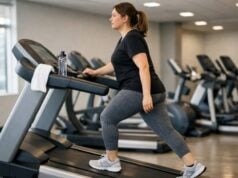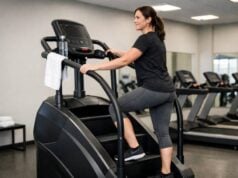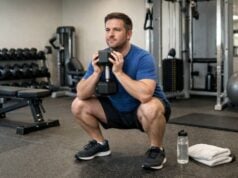
A beginner home workout plan for weight loss works best when it is simple enough to repeat, challenging enough to feel productive, and realistic enough to fit real life. You do not need a gym, a punishing daily routine, or fancy equipment to get started. What matters most is building a routine you can recover from and stick with for weeks, not just days.
This article gives you a practical starting plan: how to set up your routine, which exercises to use, a simple 4-week schedule, and the walking, food, and recovery habits that make home workouts more effective for fat loss.
Table of Contents
- Why home workouts can work
- What to set up first
- Best exercises for beginners
- Your 4-week home workout plan
- How to progress safely
- Walking, eating and recovery
- Beginner mistakes to avoid
Why home workouts can work
Home workouts help with weight loss for a simple reason: they lower the friction between intention and action. When you do not need to commute, wait for equipment, or feel confident in a gym setting, it becomes easier to train consistently. Consistency matters far more than any single “fat-burning” workout.
Exercise does not replace nutrition, but it supports fat loss in several important ways:
- It helps you burn additional calories.
- It helps preserve muscle while you lose weight.
- It improves fitness, which makes everyday movement easier.
- It often improves energy, mood, and routine stability.
- It gives structure to the day, which can reduce the “all-or-nothing” cycle many beginners fall into.
For beginners, the sweet spot is usually a combination of three things:
- Full-body strength training two to four days per week.
- Easy to moderate cardio or brisk walking on most days.
- Higher daily movement overall, even outside formal workouts.
That combination is usually more sustainable than trying to do hard cardio every day. Strength work is especially useful because it helps you keep more lean mass as you lose weight. That matters for how you look, how you feel, how strong you stay, and how well you maintain your results later.
It is also worth setting expectations correctly. A beginner home workout plan should not feel like a boot camp. In your first few weeks, success looks like this:
- You show up regularly.
- Your breathing and stamina improve.
- You feel less wiped out by normal activity.
- Basic movements like squatting, pushing, and getting up from the floor feel easier.
- You can do a little more work than you could two weeks ago.
The scale may move quickly at first, slowly later, or unevenly from week to week. That is normal. Weight loss is usually driven by your total routine, not by one killer session. A good home plan helps create momentum without beating up your joints, schedule, or motivation.
The goal is not to prove how hard you can go. The goal is to make exercise repeatable enough that it becomes part of your normal week.
What to set up first
Before you start, make the plan easier to follow. Most people do better with a routine that is prepared in advance than with one they have to invent each day.
You only need a few basics:
- Comfortable shoes with decent grip
- A small clear floor space
- A chair, bench, or couch edge for support
- A timer on your phone
- Water nearby
- Optional: a pair of dumbbells or resistance bands
No equipment is fine. A chair, wall, and body weight are enough for a strong beginner phase.
Choose your weekly training days
Pick your days before the week begins. For most beginners, Monday, Wednesday, and Friday works well for strength sessions, with walking or light movement on the other days. If that does not fit your life, choose any three nonconsecutive days.
Keep your first month simple:
- Strength sessions: 20 to 35 minutes
- Walking or cardio: 10 to 30 minutes
- Rest between training days when needed
Know how hard the workouts should feel
Your sessions should feel challenging but controlled. A helpful guide is an effort level of about 6 to 7 out of 10. You should be breathing harder and working, but still able to keep good form.
A few useful signs:
- Too easy: you finish feeling like you barely did anything.
- About right: the last few reps feel challenging, but you could still do 2 or 3 more with solid form.
- Too hard: your form breaks down, you get dizzy, or you need very long recovery after basic sets.
Warm up first
Do 3 to 5 minutes before each workout:
- March in place
- Arm circles
- Hip circles
- Sit-to-stand from a chair
- Easy wall push-ups
- Gentle calf raises
A short prep routine is enough. You do not need a long mobility session before every workout, but basic movement prep improves comfort. For a deeper approach, see warm-up and recovery basics.
Modify early if needed
If you have knee pain, back pain, a high body weight, poor balance, or a long exercise layoff, start with supported and low-impact versions. There is no prize for choosing the hardest option too soon. A slower, joint-friendlier start usually keeps people consistent longer. If you need more beginner-friendly modifications, a low-impact plan for larger bodies can be helpful.
Stop the session and get medical advice if you feel chest pain, severe shortness of breath out of proportion to effort, faintness, or sharp pain that changes how you move. If you have a heart condition, uncontrolled blood pressure, recent surgery, or another major medical issue, check with your clinician before starting a new exercise routine.
Best exercises for beginners
A beginner weight loss routine does not need dozens of moves. It needs a small group of exercises that train the whole body, raise your heart rate a bit, and are easy to improve over time.
These are the best building blocks.
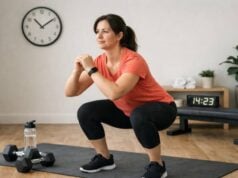
1. Squat to chair
This trains your legs and hips and teaches a basic movement pattern you use every day. Sit down under control and stand back up. If bodyweight squats feel hard, use a taller chair.
2. Wall push-up or incline push-up
This builds upper-body strength without forcing you to start on the floor. The more upright you are, the easier it is. Progress by moving from a wall to a counter, bench, or sturdy couch.
3. Hip hinge or good morning
Place your hands on your hips, push your hips back, and keep a long spine. This teaches you to use your glutes and hamstrings instead of rounding forward.
4. Glute bridge
Lie on your back with knees bent and drive your hips upward. This helps beginners build the back side of the body and improves control around the hips and lower back.
5. Supported reverse lunge or split squat
Hold a wall or chair for balance and take a small step back. If lunges bother your knees, reduce the range or keep using squat variations first.
6. Dead bug or heel tap
These core exercises train control, not just fatigue. For beginners, that is more useful than endless crunches.
7. March in place or step-up
This adds light cardio, coordination, and lower-body endurance. Keep it smooth rather than frantic.
8. Low-impact cardio finisher
Use 3 to 8 minutes of one simple option:
- brisk marching
- step touches
- shadow boxing
- stair walking
- easy step-ups
If you want more movement ideas beyond strength work, a no-equipment bodyweight routine or a list of low-impact home cardio options can help you expand your rotation.
Why these moves work
Together, they cover the main patterns a beginner needs:
- squat
- push
- hinge
- core stability
- single-leg balance
- light conditioning
That means you are training large muscle groups without overcomplicating the plan. It also means you can repeat the same core routine long enough to actually improve.
How many reps to start with
A solid beginner starting point is:
- 8 to 12 reps for most strength moves
- 20 to 40 seconds for marches or core holds
- 1 to 3 rounds total
If one set feels like plenty in week 1, that is fine. Starting smaller is better than getting so sore you skip the next three days.
Form matters more than pace. Controlled reps with good posture beat fast, sloppy reps every time. When in doubt, slow the movement slightly and shorten the range until you can do it well.
Your 4-week home workout plan
This plan uses three strength sessions per week, plus walking or easy cardio on most days. It is built for beginners who want a straightforward routine without complicated programming.
| Week | Strength sessions | Walking and cardio | Main goal |
|---|---|---|---|
| 1 | 2 to 3 sessions of 1 to 2 rounds | 10 to 20 minutes on 3 to 5 days | Learn the movements and finish fresh |
| 2 | 3 sessions of 2 rounds | 15 to 25 minutes on 4 to 5 days | Build consistency |
| 3 | 3 sessions of 2 to 3 rounds | 20 to 30 minutes on 4 to 6 days | Increase total work |
| 4 | 3 sessions of 3 rounds | 20 to 30 minutes on 5 to 6 days | Own the routine and prepare to progress |
Workout A
Do the following in order. Rest about 30 to 60 seconds between exercises if needed.
- Squat to chair — 8 to 12 reps
- Wall or incline push-up — 8 to 12 reps
- Glute bridge — 10 to 15 reps
- March in place — 30 to 45 seconds
- Dead bug or heel tap — 6 to 10 reps per side
Start with 1 or 2 rounds in week 1. Build toward 3 rounds by week 4.
Workout B
- Hip hinge or good morning — 10 to 12 reps
- Supported reverse lunge or split squat — 6 to 10 reps per side
- Incline push-up or wall push-up — 8 to 12 reps
- Step-up or brisk march — 30 to 45 seconds
- Glute bridge hold or front plank on knees — 15 to 25 seconds
Again, begin with 1 or 2 rounds and progress gradually.
Weekly layout
A simple week could look like this:
- Monday: Workout A
- Tuesday: 15 to 20 minute walk
- Wednesday: Workout B
- Thursday: Easy walk or rest
- Friday: Workout A
- Saturday: 20 to 30 minute walk
- Sunday: Rest or gentle movement
In week 2, switch the final Friday session to Workout B. Then keep alternating. The point is not perfect symmetry. The point is repeating full-body work often enough to improve.
If you prefer only two strength sessions at first, do Workout A on one day and Workout B on another, then focus on walking on the other days. That is still a valid start. Many beginners do better by undershooting at first and adding more later.
If formal cardio feels intimidating, begin with walking. A steady daily step habit often makes a bigger difference than occasional hard sessions. You can build that habit with walking for weight loss strategies, then adjust upward later based on how many days to work out for your schedule and recovery.
How long each workout should take
Most sessions will last about:
- 3 to 5 minutes to warm up
- 12 to 25 minutes for strength work
- 3 to 8 minutes optional cardio finisher
That puts many beginner sessions in the 20 to 35 minute range, which is enough. You do not need an hour to get results from a first-stage plan.
What it should feel like by the end
You should feel worked, warmer, and a little breathless, but not wrecked. You should be able to repeat the plan again two days later. If every workout leaves you drained for 48 hours, reduce reps, rounds, or pace.
How to progress safely
Beginners often make one of two mistakes: they never increase the challenge, or they increase it too fast. Good progress sits in the middle.
Use just one progression at a time:
- add 1 to 2 reps per set
- add one extra round
- reduce rest slightly
- increase range of motion
- choose a harder variation
- add light dumbbells or a resistance band
For example:
- Wall push-up to countertop push-up
- Squat to chair to bodyweight squat without the chair
- Supported split squat to deeper split squat
- March in place to faster marching or step-ups
- Glute bridge to a pause at the top
A useful rule is this: when you can complete all sets with solid form and still feel like you had a little left, it is time to make one small change.
Progression should feel boringly manageable
That may not sound exciting, but it works. Beginner success usually comes from stacking many small wins, not from dramatic jumps. A plan that feels almost too easy in week 1 often becomes exactly right by week 3.
Keep one recovery day in mind
You do not get fitter only during the workout. You improve when your body adapts afterward. That is why soreness, poor sleep, and stubborn fatigue are not badges of honor.
Good signs:
- mild soreness that fades as you move
- stable energy
- better control of the exercises
- faster recovery between sessions
Warning signs:
- soreness that keeps worsening
- sharp joint pain
- dread before every session
- heavy fatigue all day
- declining performance for more than a week
If those show up, scale back before you quit entirely. A lighter week often helps more than forcing more volume.
Once your first month feels steady, you can follow the same idea used in progressive overload while losing weight. You can also fine-tune recovery with a smarter rest day guide if you are unsure whether to push or pause.
Walking, eating and recovery
Your home workouts matter, but they work better when the rest of your routine supports them.
Walking fills the gap
Strength training a few days per week is great, but daily movement is what keeps your overall activity level up. Walking is especially useful because it is low impact, easy to recover from, and simple to scale.
A strong beginner target is:
- 10 to 20 minutes after a workout, or
- one separate 20 to 30 minute walk most days
You do not need a perfect step count from day one. Just build upward from your current baseline.
Nutrition still drives the outcome
Exercise supports fat loss, but you still need an eating pattern that puts you in a manageable calorie deficit. That does not mean starving yourself. It means creating a gap that is realistic enough to maintain while still fueling your workouts. If you need a simple starting point, review calorie deficit basics.
A practical beginner food approach looks like this:
- include a protein source at each meal
- build meals around vegetables, fruit, and minimally processed foods when possible
- keep high-calorie snacks visible less often
- drink enough water
- avoid “earning” large treats because you exercised
Protein and recovery matter more than beginners realize
When you are trying to lose weight, protein helps with fullness and supports muscle retention. You do not need to obsess over every gram on day one, but having a clear idea of daily protein targets can make your workouts more productive.
Sleep helps you train again tomorrow
Poor sleep makes exercise feel harder, increases cravings for many people, and can drag down consistency. Try to support recovery with:
- a regular bedtime
- enough total sleep
- a short wind-down routine
- lighter effort when you are clearly run down
Think of fat loss as a system, not just a workout. Training, walking, food, and sleep work together. When one area slips for a week, the answer is usually to tighten the basics, not start an extreme plan.
Beginner mistakes to avoid
A beginner home workout plan fails most often because it is too aggressive, too vague, or too hard to repeat.
Here are the most common problems.
Starting with too much volume
Doing seven hard sessions in week 1 usually leads to soreness, schedule disruption, and quitting. Start with a level you can repeat even on a busy week.
Chasing sweat instead of progress
A drenched shirt is not the goal. Better movement quality, more reps, longer walks, and steadier weekly consistency matter more.
Changing the plan every few days
You do not need a brand-new routine each session. Repeating core exercises is how you improve. Keep the plan stable for at least 4 weeks before overhauling it.
Ignoring daily movement
A few workouts per week help, but long sedentary days can still limit progress. Keep moving outside the workout window too.
Using exercise to “cancel out” overeating
That mindset tends to backfire. Home workouts should support better habits, not become punishment for food choices.
Expecting fast visual changes
In the first month, look for better stamina, improved control, more strength, and better routine adherence. Visual changes often lag behind behavior changes.
Not adjusting for pain
Discomfort from effort is one thing. Sharp, unstable, or worsening pain is different. Modify early. A slightly easier exercise that you can keep doing beats the perfect one that sidelines you.
The best beginner plan is the one that gets repeated next week. If a routine looks good on paper but feels impossible in practice, simplify it until it becomes durable.
References
- Aerobic Exercise and Weight Loss in Adults: A Systematic Review and Dose-Response Meta-Analysis 2024 (Systematic Review)
- Effect of exercise training on weight loss, body composition changes, and weight maintenance in adults with overweight or obesity: an overview of 12 systematic reviews and 149 studies 2021 (Review)
- World Health Organization 2020 guidelines on physical activity and sedentary behaviour 2020 (Guideline)
- Physical activity is associated with lower mortality in adults with obesity: a systematic review with meta-analysis 2024 (Systematic Review)
- Obesity Management in Adults: A Review 2023 (Review)
Disclaimer
This article is for general educational purposes only and is not a substitute for medical advice, diagnosis, or treatment. If you have a heart condition, uncontrolled blood pressure, severe joint pain, recent surgery, or any medical concern that affects exercise safety, speak with a qualified clinician before starting a new workout plan.
If this article helped you, share it on Facebook, X, or any platform you use to help someone else start a simple home workout routine for weight loss.