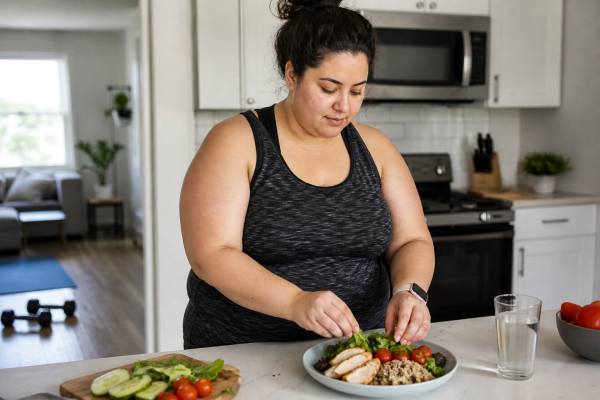
PCOS can make weight loss feel unusually frustrating because it often affects appetite, insulin levels, menstrual cycles, energy, mood, and how the body stores fat. That does not mean weight loss is impossible, and it does not mean the answer is extreme dieting.
The most helpful approach is usually not one single “PCOS diet” or a punishing workout plan. It is a steady combination of insulin-aware nutrition, enough protein and fiber, strength and aerobic exercise, sleep and stress support, realistic progress tracking, and medical care when symptoms or metabolic risks need more than lifestyle changes.
Table of Contents
- Why PCOS Can Make Weight Loss Harder
- What Weight Loss Can Realistically Improve
- How to Eat for PCOS Weight Loss
- Exercise That Actually Helps PCOS
- Sleep, Stress, and Cravings With PCOS
- Medications and Supplements to Discuss
- How to Track Progress Without Obsessing
- When to Get Medical Help
Why PCOS Can Make Weight Loss Harder
PCOS can make weight loss harder mainly because insulin resistance, higher androgen levels, disrupted ovulation, sleep problems, and appetite changes often overlap. The problem is not a lack of willpower; it is a hormonal and metabolic condition that can change how difficult consistency feels.
Many people with PCOS have some degree of insulin resistance. Insulin is the hormone that helps move glucose from the bloodstream into cells. When cells respond less well to insulin, the body may produce more of it. Higher insulin can make hunger feel stronger, increase cravings for fast-digesting carbohydrates, and encourage fat storage, especially around the abdomen in some people. For a deeper look at this pattern, PCOS and insulin resistance are closely linked.
PCOS is also associated with higher androgen levels, such as testosterone, in many people. This can contribute to acne, unwanted facial or body hair, scalp hair thinning, irregular periods, and changes in body fat distribution. Weight gain can worsen insulin resistance, and insulin resistance can worsen androgen production, creating a loop that feels hard to break.
That loop is important, but it should not be overstated. PCOS does not erase the role of energy balance. A calorie deficit still matters for fat loss. What changes is how easy or hard it may be to create and maintain that deficit without feeling excessively hungry, tired, or preoccupied with food.
Several other factors can add friction:
- Irregular periods can make scale weight harder to interpret because water retention may be less predictable.
- Poor sleep or possible sleep apnea can increase hunger, fatigue, and cravings.
- Depression, anxiety, body image distress, or past dieting can make rigid plans harder to sustain.
- Some medications, including certain antidepressants, antipsychotics, steroids, and insulin-related medications, may affect appetite or weight.
- Weight stigma in healthcare or fitness settings can delay diagnosis, reduce support, and make people less likely to seek help.
The practical takeaway is that PCOS weight loss usually works best when it reduces metabolic strain without increasing stress, shame, or restriction. The plan has to be structured enough to improve insulin sensitivity, but flexible enough to live with.
What Weight Loss Can Realistically Improve
Even modest weight loss can improve PCOS symptoms for some people, especially when it reduces insulin resistance and supports more regular ovulation. A realistic first target is often 5% to 10% of starting body weight, not a dramatic transformation.
For example, someone who weighs 220 pounds may see meaningful health benefits after losing 11 to 22 pounds. That does not mean every symptom disappears, and it does not mean everyone must lose weight to deserve treatment. It means small, sustainable changes can matter more than many people expect.
Weight loss may help improve:
- Insulin sensitivity and fasting insulin levels
- Blood sugar patterns and prediabetes risk
- Triglycerides, cholesterol, and blood pressure
- Menstrual regularity and ovulation in some people
- Fertility outcomes for some people trying to conceive
- Waist circumference and abdominal fat over time
- Energy, sleep quality, and joint comfort when excess weight is contributing
PCOS symptoms are not always proportional to weight. Some people with PCOS are lean and still have irregular cycles, acne, hair growth, or insulin resistance. Others lose weight and improve labs but still need medication for cycle regulation, androgen symptoms, fertility, or blood sugar.
That is why the goal should not be “fix PCOS by losing weight.” A better goal is to improve the parts of PCOS that are responsive to nutrition, activity, sleep, and medical care while protecting quality of life.
It is also worth defining success beyond the scale. If your waist measurement is decreasing, blood sugar is improving, cravings are less intense, workouts are more consistent, or periods are becoming more predictable, the plan may be working even when weekly weight loss is slow. PCOS-related water retention can hide fat loss for short periods, especially around cycle changes, stress, high sodium intake, constipation, or a new exercise routine.
A steady rate of loss is usually safer and more sustainable than an aggressive deficit. For many adults, that means roughly 0.5% to 1% of body weight per week, though the right pace depends on starting weight, medical history, medications, hunger, and whether pregnancy is possible or planned.
How to Eat for PCOS Weight Loss
The best diet for PCOS weight loss is one you can repeat consistently while improving fullness, blood sugar control, and overall nutrition. There is no single required PCOS diet, but the strongest patterns tend to emphasize protein, fiber-rich carbohydrates, healthy fats, and minimally processed foods.
A useful starting point is the plate method:
- Fill half the plate with non-starchy vegetables or fruit.
- Fill one quarter with protein, such as eggs, Greek yogurt, fish, poultry, tofu, tempeh, lean meat, beans, lentils, or cottage cheese.
- Fill one quarter with high-fiber carbohydrates, such as oats, beans, lentils, quinoa, potatoes, fruit, whole-grain bread, brown rice, or barley.
- Add a small amount of fat, such as olive oil, avocado, nuts, seeds, or full-fat dairy if it fits your calorie needs.
This structure works because it does not require cutting out carbohydrates. Many people with PCOS do better when carbohydrates are higher in fiber, paired with protein, and spread through the day instead of eaten mostly as refined starches or sweets. A lower-glycemic approach may help some people feel steadier, but very low-carb dieting is not mandatory. For a fuller food-focused breakdown, PCOS diet strategies can be built around several eating patterns.
Protein deserves special attention. It helps preserve lean mass during weight loss, improves fullness, and can reduce the urge to graze. Many people do well with a protein source at each meal rather than saving most protein for dinner. Fiber matters for similar reasons: it slows digestion, supports gut health, and makes meals more filling for fewer calories. A simple template like a high-protein, high-fiber meal plan can be especially useful when cravings and appetite swings are part of the problem.
| Priority | What it looks like | Why it helps |
|---|---|---|
| Protein at meals | Eggs, fish, poultry, tofu, Greek yogurt, legumes, lean meat | Supports fullness and muscle retention |
| Fiber-rich carbs | Oats, beans, lentils, berries, vegetables, potatoes, whole grains | Improves meal satisfaction and blood sugar steadiness |
| Regular meal rhythm | Meals spaced consistently enough to prevent extreme hunger | Reduces rebound eating and late-day cravings |
| Calorie awareness | Portion method, calorie tracking, or planned meals | Creates the deficit needed for fat loss |
| Flexible treats | Planned portions of favorite foods | Prevents all-or-nothing restriction |
A common mistake is trying to eat “perfectly” for PCOS. That often leads to a cycle of strict rules, cravings, overeating, guilt, and restarting. Instead, focus on repeatable meals: a breakfast you tolerate well, a lunch that keeps you full, two or three easy dinners, and snacks that include protein or fiber.
You may need more structure if you are not losing weight after several weeks. That could mean tracking calories temporarily, reducing liquid calories, measuring calorie-dense foods like oils and nut butters, or planning restaurant meals more deliberately. It does not need to mean eating less and less. In PCOS, the plan that controls hunger usually beats the plan that looks most aggressive on paper.
Exercise That Actually Helps PCOS
Exercise helps PCOS even when the scale is slow because it can improve insulin sensitivity, body composition, fitness, mood, and long-term weight maintenance. The most useful plan combines aerobic activity, strength training, and more daily movement.
Aerobic exercise includes brisk walking, cycling, swimming, jogging, hiking, dance workouts, elliptical training, rowing, and similar activities. Strength training includes lifting weights, using machines, resistance bands, bodyweight exercises, or Pilates-style resistance work. Both matter.
For many adults with PCOS, a practical weekly target is:
- 150 to 300 minutes of moderate aerobic activity, such as brisk walking
- Or 75 to 150 minutes of vigorous aerobic activity, such as running or hard intervals
- Plus strength training on at least two non-consecutive days per week
- More activity may be needed for weight loss or weight maintenance, but it should be built gradually
If that sounds like too much, start smaller. Ten-minute walks after meals can improve post-meal glucose patterns and are often easier to repeat than long workouts. Two short strength sessions per week can be enough to build momentum. The best exercise plan for PCOS is not the hardest one; it is the one you can recover from and repeat.
Strength training is especially useful because it helps preserve or build lean mass while losing fat. Lean mass does not “melt fat,” but it supports function, glucose disposal, and a healthier body composition. If you are unsure how to structure sessions, exercise for PCOS weight loss often starts with simple full-body movements: squats or sit-to-stands, hip hinges, rows, presses, step-ups, carries, and core stability work.
Cardio does not have to be intense to count. Zone 2-style activity, brisk walking, cycling, or swimming can be highly effective because it is easier to recover from and repeat. High-intensity intervals can be useful for some people, but they are not required and can backfire if they increase hunger, joint pain, fatigue, or dread.
Daily movement also matters. Non-exercise activity, such as walking, chores, standing breaks, errands, and stairs, can drop when people diet. That drop can quietly reduce the calorie deficit. A step goal can help, but it should be realistic. If you average 4,000 steps per day, jumping to 12,000 may not last. Try adding 1,000 to 2,000 steps per day for a few weeks, then reassess.
Sleep, Stress, and Cravings With PCOS
Sleep and stress management help PCOS weight loss by making appetite, energy, and consistency easier to regulate. They are not substitutes for nutrition and movement, but they often determine whether a plan is sustainable.
Poor sleep can increase hunger, reduce impulse control, raise cravings for sugary or high-fat foods, and make exercise feel harder. PCOS is also associated with a higher risk of sleep disturbances, including obstructive sleep apnea, especially when snoring, daytime sleepiness, morning headaches, or waking unrefreshed are present. Improving sleep duration and quality can make the same calorie target feel less difficult.
A helpful sleep routine does not need to be complicated:
- Keep wake time as consistent as possible.
- Get daylight exposure early in the day.
- Reduce bright screens and work stress close to bedtime.
- Avoid large late meals if they worsen reflux or sleep quality.
- Limit caffeine after late morning or early afternoon if sleep is light.
- Ask about sleep apnea testing if symptoms fit.
Stress also matters, but not because cortisol magically overrides all weight-loss biology. The bigger issue is behavior and recovery. Chronic stress can increase comfort eating, grazing, alcohol intake, sleep disruption, skipped workouts, and all-or-nothing thinking. It can also make PCOS feel more emotionally exhausting because symptoms such as acne, hair growth, infertility concerns, and weight changes can affect confidence and body image.
A realistic stress plan should be specific, not vague. “Stress less” is not useful. Better options include a 10-minute walk after work, a planned protein snack before the hardest part of the day, a two-minute breathing routine before eating, a Sunday meal reset, or an earlier bedtime twice per week. For people whose cravings rise sharply during stress, tools for stress-related cravings can be just as important as a meal plan.
Mental health deserves direct care. PCOS is linked with higher rates of anxiety, depression, body dissatisfaction, and disordered eating. If tracking food, weighing yourself, or trying to lose weight leads to obsessive thoughts, binge eating, purging, severe restriction, or intense distress, weight loss should not be pursued alone. A clinician and a therapist or dietitian with eating-disorder experience can help create a safer plan.
Medications and Supplements to Discuss
Medication can be appropriate when lifestyle changes are not enough, when insulin resistance or blood sugar risk is significant, or when PCOS symptoms need targeted treatment. The right option depends on your goals, labs, symptoms, pregnancy plans, and medical history.
Metformin is commonly used in PCOS, especially when insulin resistance, prediabetes, type 2 diabetes risk, or higher BMI is present. It is not a magic weight-loss drug, but it may modestly help weight, insulin levels, and metabolic markers in some people. It can also cause gastrointestinal side effects, especially when started too quickly. Extended-release versions and gradual dose increases may improve tolerability. A practical discussion of metformin and weight loss can help set realistic expectations.
Hormonal contraceptives may be used to regulate bleeding and reduce androgen-related symptoms such as acne or unwanted hair growth. They are not weight-loss medications, and they are not suitable for everyone. Anti-androgen medications may also be considered for hirsutism or acne, but they require reliable contraception because of pregnancy-related risks.
Anti-obesity medications, including GLP-1 receptor agonists and related options, may be considered for some adults who meet criteria and have not reached health goals with lifestyle treatment alone. These medications can be powerful, but they require medical supervision, side-effect management, and a long-term maintenance plan. They are not appropriate during pregnancy, and people trying to conceive need a clear stop-and-transition plan. This is especially important because weight loss medications and pregnancy require careful timing and clinician guidance.
Inositol is widely marketed for PCOS because it may influence insulin signaling. Some people report better cravings or cycle patterns, but evidence remains mixed and not as strong as marketing often suggests. It is usually discussed as a possible adjunct, not a replacement for nutrition, movement, or indicated medication. If you are considering it, review dose, product quality, cost, and pregnancy plans with a clinician. A deeper look at inositol for weight loss can help separate possible benefits from overclaims.
Be cautious with “hormone-balancing” supplement stacks, detoxes, fat burners, and products that promise rapid belly fat loss. Red flags include proprietary blends, stimulant-heavy formulas, before-and-after claims, “cortisol belly” fear marketing, or advice to stop prescribed medication. Supplements can interact with medications, affect blood sugar, or be unsafe in pregnancy or breastfeeding.
How to Track Progress Without Obsessing
Tracking works best when it shows trends, not when it becomes a daily judgment of your worth. With PCOS, scale weight can fluctuate from water retention, digestion, sodium, stress, sleep, menstrual changes, and new workouts, so one weigh-in rarely tells the full story.
Choose a small set of metrics and review them on a schedule. Good options include:
- Weekly average weight rather than a single weigh-in
- Waist measurement every two to four weeks
- Progress photos monthly, if they are emotionally safe for you
- Step average or workout completion
- Hunger, cravings, and energy ratings
- Menstrual cycle changes
- Lab markers, such as A1C, fasting glucose, lipids, and blood pressure
Waist circumference can be especially useful when abdominal fat is a concern, but it should still be interpreted carefully. Bloating and water retention can change waist measurements in the short term. If abdominal weight gain is a major concern, PCOS belly fat strategies should focus on insulin sensitivity, overall fat loss, strength training, sleep, and medical screening rather than spot-reduction exercises.
Give a plan enough time before changing it. If you are tracking accurately and your weekly average weight has not changed for three to four weeks, it may be time to adjust. That could mean tightening portions, increasing protein and fiber, adding steps, improving sleep, or reviewing medications. If hunger is already high, cutting calories further may be the wrong first move.
It also helps to distinguish a plateau from normal noise. A salty meal, constipation, a hard leg workout, poor sleep, or premenstrual water retention can mask fat loss for several days. Before assuming failure, ask:
- Have I followed the plan consistently for at least two to four weeks?
- Are weekends or restaurant meals erasing the weekday deficit?
- Has my daily movement dropped because I am tired from dieting?
- Am I underestimating oils, snacks, drinks, bites, or portions?
- Am I sleeping enough to manage hunger and recovery?
- Could medication, thyroid disease, pregnancy, or another condition be involved?
The goal is not to monitor everything forever. It is to collect enough information to make calm adjustments instead of reacting to every fluctuation.
When to Get Medical Help
Medical support is important when PCOS symptoms are new, severe, worsening, or not responding to reasonable lifestyle changes. PCOS is common, but it should not be used as a catch-all explanation for every symptom.
A clinician may evaluate menstrual history, acne or hair growth, scalp hair changes, weight pattern, blood pressure, glucose markers, lipids, thyroid function, prolactin, and androgen levels. Depending on symptoms, they may also consider pregnancy, thyroid disease, Cushing syndrome, congenital adrenal hyperplasia, hypothalamic causes of missed periods, medication effects, or an androgen-secreting tumor.
Seek prompt medical care if you have:
- Rapidly worsening facial or body hair growth
- Voice deepening, new clitoral enlargement, or sudden severe acne
- No period for 90 days or more, unless expected from a known cause
- Very heavy bleeding, bleeding between periods, or severe pelvic pain
- Symptoms of high blood sugar, such as excessive thirst, frequent urination, or blurry vision
- Chest pain, shortness of breath, fainting, or severe headaches
- Symptoms of sleep apnea, such as loud snoring and daytime sleepiness
- Severe depression, self-harm thoughts, purging, or binge eating that feels out of control
You should also ask for help if you are doing the basics consistently but not making progress. A medical review can check whether another factor is interfering, such as thyroid disease, medication-related weight gain, insulin resistance, sleep apnea, or perimenopause. If you are unsure where to start, when to see a doctor for weight gain can help you organize symptoms and questions.
PCOS care is often best when it is multidisciplinary. Depending on your needs, that may include a primary care clinician, gynecologist, endocrinologist, reproductive endocrinologist, registered dietitian, therapist, dermatologist, sleep specialist, or exercise professional.
The bottom line: what actually helps is not a perfect diet, a single supplement, or exercising harder every week. PCOS weight loss usually improves when the plan lowers insulin resistance, protects muscle, manages appetite, supports sleep and stress, treats symptoms appropriately, and leaves room for real life.
References
- Recommendations From the 2023 International Evidence-based Guideline for the Assessment and Management of Polycystic Ovary Syndrome 2023 (Guideline)
- Ranking the dietary interventions by their effectiveness in the management of polycystic ovary syndrome: a systematic review and network meta-analysis 2024 (Systematic Review)
- Exercise in the management of polycystic ovary syndrome: A position statement from Exercise and Sports Science Australia 2024 (Position Statement)
- The impact of metformin with or without lifestyle modification versus placebo on polycystic ovary syndrome: a systematic review and meta-analysis of randomized controlled trials 2023 (Systematic Review)
- Inositol for Polycystic Ovary Syndrome: A Systematic Review and Meta-analysis to Inform the 2023 Update of the International Evidence-based PCOS Guidelines 2024 (Systematic Review)
- Anti-obesity pharmacological agents for polycystic ovary syndrome: A systematic review and meta-analysis to inform the 2023 international evidence-based guideline 2024 (Systematic Review)
Disclaimer
This article is for general educational purposes only and is not a substitute for medical advice, diagnosis, or treatment. PCOS, irregular periods, fertility concerns, insulin resistance, and weight changes should be discussed with a qualified healthcare professional, especially before starting medication, supplements, or a major diet or exercise change.
Share this article on Facebook, X (formerly Twitter), or your preferred platform to help others understand PCOS weight loss with more clarity and less blame.