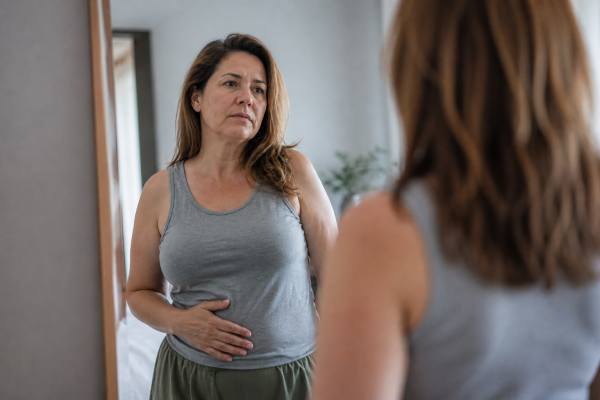
Weight gain in midlife can be frustrating because several real changes may happen at once. Thyroid hormone can affect metabolism, menopause can change fat distribution, sleep can worsen, muscle can decline, and daily movement may drop without anyone noticing. The hard part is that hypothyroidism and menopause can also share symptoms such as fatigue, low mood, brain fog, dry skin, and changes in body shape.
The most useful question is not “Which one is to blame?” but “What pattern fits, what needs testing, and what can I do next?” Hypothyroidism is a medical condition diagnosed with blood tests. Menopause is a normal life stage, usually recognized by menstrual changes and symptoms, but it can still affect weight, waist size, appetite, sleep, and energy. Some people have both at the same time, especially in midlife.
Table of Contents
- Quick Comparison
- How Hypothyroidism Affects Weight
- How Menopause Affects Weight
- Symptom Patterns to Compare
- Tests and Diagnosis
- Treatment Expectations
- Weight-Loss Strategy When Both Apply
- When to Seek Medical Care
Quick Comparison
Hypothyroidism and menopause can both contribute to weight gain, but they usually do it in different ways. Hypothyroidism tends to cause a slower metabolism and salt-and-water retention when thyroid hormone is truly low. Menopause more often changes where fat is stored, how much muscle is maintained, how well you sleep, and how easy it is to stay active.
A practical comparison looks like this:
| Feature | Hypothyroidism | Menopause or perimenopause |
|---|---|---|
| Main mechanism | Low thyroid hormone can reduce energy use and increase salt-and-water retention. | Lower estrogen, aging, sleep changes, and muscle loss can shift fat toward the abdomen. |
| Typical weight pattern | Often modest weight gain; severe untreated disease can cause more noticeable changes. | Gradual midlife gain, increased waist size, and more abdominal or visceral fat. |
| Body-shape clue | Puffiness, swelling, or a heavier feeling may be prominent. | Waistline increases even when overall scale change is not dramatic. |
| Common accompanying symptoms | Cold intolerance, constipation, dry skin, fatigue, slowed heart rate, hair thinning, heavy periods. | Irregular periods, hot flashes, night sweats, sleep disruption, mood changes, vaginal dryness. |
| How it is confirmed | Blood tests, mainly TSH and free T4. | Often clinical history after age 45; testing may be used in younger or unclear cases. |
| What treatment can do | Levothyroxine can normalize thyroid levels and reduce thyroid-related symptoms. | Menopause care can improve symptoms, sleep, and quality of life; it is not primarily weight-loss treatment. |
The strongest clue is usually the full pattern, not weight gain alone. A few pounds with bloating, constipation, cold intolerance, and rising TSH points more toward hypothyroidism. A widening waist with night sweats, irregular cycles, poor sleep, and midlife strength loss points more toward the menopause transition.
It is also possible for both to be present. Hashimoto’s thyroiditis, the most common cause of hypothyroidism in many regions, is more common in women and can appear or become more obvious around the same years that perimenopause begins. For a broader look at medical patterns that can affect the scale, hormonal weight-gain signs can help separate common lifestyle changes from symptoms that deserve medical review.
How Hypothyroidism Affects Weight
Hypothyroidism can cause weight gain, but it usually does not explain large, ongoing fat gain by itself once the condition is treated. The weight effect is often a mix of reduced calorie expenditure and fluid retention rather than pure body fat.
Thyroid hormone helps regulate how the body uses energy. When thyroid hormone is low, many body systems slow down. People may feel colder, more tired, more constipated, and less mentally sharp. Resting energy expenditure can decrease, and salt-and-water retention can make the body feel puffy or heavier.
A common misconception is that hypothyroidism makes fat loss impossible. It can make weight management harder when untreated or undertreated, but it does not remove the basic role of energy balance. Once thyroid levels are brought into the target range, most people still need the same core tools for fat loss: a sustainable calorie deficit, adequate protein, strength training, daily movement, and sleep support.
The thyroid-related weight change is often smaller than people expect. In many cases, the amount of weight directly linked to hypothyroidism is modest, especially if the condition is mild. Severe untreated hypothyroidism can have a larger effect, but this is usually accompanied by more obvious symptoms and abnormal blood tests.
Signs that weight gain may be more thyroid-related include:
- New or worsening cold intolerance
- Constipation that is unusual for you
- Dry, coarse skin
- Puffy face, eyelids, hands, or feet
- Unexplained fatigue despite adequate sleep
- Slower heart rate or feeling unusually sluggish
- Hair thinning or brittle hair
- Heavier or more irregular periods before menopause
- Hoarse voice or muscle cramps
- High cholesterol appearing or worsening without a clear lifestyle change
For people already diagnosed, the key question is whether thyroid hormone levels are adequately controlled. Taking medication inconsistently, taking levothyroxine too close to calcium or iron, changing brands without follow-up, or missing monitoring can all affect results. If you are managing diet changes alongside a thyroid diagnosis, nutrition for hypothyroidism weight loss is usually more useful than extreme elimination plans.
It is also important not to use thyroid medication as a weight-loss shortcut. Extra thyroid hormone can push the body toward hyperthyroidism, which may cause palpitations, anxiety, insomnia, muscle loss, bone loss, and abnormal heart rhythms. If thyroid treatment is appropriate, the goal is normal thyroid function, not forced weight loss through overtreatment. For a focused discussion of what thyroid treatment can and cannot do for body weight, see thyroid medication and weight loss.
How Menopause Affects Weight
Menopause can contribute to weight gain, but its most noticeable effect is often a change in body composition and fat distribution. Many people gain more abdominal fat during the menopausal transition even when their habits have not changed dramatically.
Menopause is defined after 12 months without a menstrual period. Perimenopause is the transition leading up to that point, when cycles may become irregular and symptoms such as hot flashes, night sweats, sleep disruption, mood changes, and heavier or skipped periods can appear. These changes often begin in the 40s, though timing varies.
The drop in estrogen does not simply “shut down” metabolism. The real picture is more layered. Estrogen changes influence where fat is stored, especially around the abdomen. At the same time, aging is associated with gradual loss of muscle mass, lower total daily energy expenditure, and more sedentary routines for many adults. Poor sleep from night sweats or insomnia can increase hunger, cravings, fatigue, and reliance on quick energy foods.
This means a person may gain weight in menopause even while eating “pretty much the same.” The same intake may no longer match a lower energy output. Daily movement may also fall subtly: fewer steps, less intense workouts, more sitting, or longer recovery after exercise. These small changes can erase the calorie deficit that used to happen automatically.
Common menopause-related weight patterns include:
- Waist gain that feels out of proportion to scale gain
- More belly fat or a thicker midsection
- Less muscle tone, especially if strength training has decreased
- More hunger after poor sleep
- Stronger cravings during stressful or sleepless weeks
- Lower exercise tolerance or more joint discomfort
- Weight gain after stopping a routine that used to “work”
Menopause also overlaps with life pressures: caregiving, work stress, less time for exercise, changing alcohol habits, and disrupted sleep. These factors are not character flaws; they are part of the physiology and environment that shape weight regulation.
A helpful approach is to treat midlife weight management as a body-composition project, not just a scale project. Preserving muscle, improving waist circumference, maintaining bone health, and reducing cardiometabolic risk matter as much as pounds lost. For more targeted strategies during the transition, perimenopause weight-loss strategies and menopause weight-loss habits can help narrow the focus.
Symptom Patterns to Compare
The best way to compare hypothyroidism and menopause is to look at clusters of symptoms, timing, and test results together. Weight gain alone is too nonspecific to identify the cause.
Both conditions can cause fatigue, low mood, brain fog, dry skin, hair changes, and changes in periods. That overlap is why people often feel unsure. The distinguishing clues usually come from symptoms that are more typical of one condition than the other.
Symptoms that lean more toward hypothyroidism
Hypothyroidism is more likely when weight gain appears with a slowing-down pattern. You may feel unusually cold when others are comfortable, have constipation, feel physically sluggish, notice puffiness, or develop dry skin and hair thinning. Periods may become heavier or more irregular before they stop for menopause.
Another clue is that symptoms often persist throughout the day rather than coming in waves. For example, hypothyroid-related cold intolerance is usually not the same as hot flashes. Fatigue may feel heavy, slow, and constant rather than mainly linked to night sweats or broken sleep.
Symptoms that lean more toward menopause
Menopause or perimenopause is more likely when weight gain appears with cycle changes and temperature surges. Hot flashes, night sweats, skipped periods, closer-together periods, vaginal dryness, painful sex, sleep fragmentation, and mood shifts around cycle changes all point toward the menopause transition.
Menopause-related weight gain often shows up around the waist. A person may say, “My clothes fit differently even though I have not gained much,” or “I am gaining in my stomach for the first time.” That pattern can be especially noticeable in people who previously stored weight mostly in the hips and thighs.
Symptoms that can belong to either
Some symptoms should not be assumed to be either thyroid or menopause without context. Fatigue may come from low thyroid hormone, poor sleep, iron deficiency, depression, sleep apnea, under-eating, medication side effects, or high stress. Hair shedding may come from thyroid disease, menopause, low iron, rapid weight loss, illness, or genetics. Brain fog may come from night sweats, low thyroid hormone, mood changes, medication effects, or sleep debt.
A symptom diary can be useful for two to four weeks. Track weight trend, waist measurement, sleep quality, bowel habits, menstrual bleeding, hot flashes, medication timing, steps, alcohol, and appetite. Patterns often become clearer when they are written down rather than reconstructed from memory.
Tests and Diagnosis
Hypothyroidism is diagnosed with blood tests, while menopause after age 45 is often diagnosed from symptoms and menstrual history. Testing is most useful when it answers a specific question instead of being used as a broad search for a single “hormone problem.”
For suspected hypothyroidism, the usual first tests are TSH and free T4. TSH is a signal from the pituitary gland telling the thyroid how hard to work. In primary hypothyroidism, TSH is usually high because the body is asking the thyroid for more hormone. Free T4 measures available thyroid hormone in the blood. Thyroid peroxidase antibodies may be checked when autoimmune thyroiditis is suspected.
Testing can be especially reasonable if weight gain is accompanied by cold intolerance, constipation, puffiness, heavy periods, fatigue, high cholesterol, a family history of thyroid disease, another autoimmune condition, prior thyroid surgery, neck radiation, or use of medications that can affect thyroid function. If you are unsure whether your symptoms fit, thyroid testing for weight gain explains when evaluation is worth discussing.
For menopause, the diagnosis depends heavily on age and menstrual history. In many people over 45 with typical symptoms, routine hormone blood testing is not needed because hormone levels fluctuate during perimenopause and may not give a clear answer. Testing may be more useful if symptoms begin before 45, periods stop before 40, pregnancy is possible, bleeding is unusual, or the diagnosis is unclear because of hysterectomy, hormonal contraception, or other medical conditions.
A clinician may also consider related tests based on the full picture, such as:
- A1C or fasting glucose for prediabetes or diabetes risk
- Lipid panel, especially if thyroid disease or menopause may be affecting cholesterol
- Complete blood count and ferritin if fatigue or heavy bleeding is present
- Liver and kidney function tests when medically indicated
- Vitamin B12 or vitamin D in selected situations
- Pregnancy test when missed periods could reflect pregnancy
- Prolactin or other reproductive hormones if periods stop early or symptoms are atypical
Testing should be interpreted carefully. A slightly abnormal result may need repeating. Biotin supplements can interfere with some thyroid lab assays, so clinicians often ask about supplement use before testing. Results also need context: symptoms, medications, pregnancy status, age, prior thyroid disease, and whether the person is taking thyroid hormone already.
For a broader medical review of persistent difficulty losing weight, blood tests for trouble losing weight can help organize what is commonly checked and what is usually not necessary.
Treatment Expectations
Treating hypothyroidism can improve thyroid-related weight gain, but it should not be expected to produce large fat loss by itself. Menopause treatment can improve symptoms and sleep, but hormone therapy is not prescribed solely as a weight-loss medication.
For confirmed hypothyroidism, levothyroxine is the standard treatment for most people. The dose is individualized, then adjusted based on follow-up labs and symptoms. It is usually taken consistently on an empty stomach, separated from calcium, iron, and certain other supplements or medications that can reduce absorption. After starting or changing a dose, thyroid labs are commonly rechecked after several weeks because TSH changes gradually.
When treatment brings thyroid levels back into range, some fluid-related weight may improve. Energy, bowel function, cold intolerance, and skin symptoms may also improve over time. However, if weight gain continues after thyroid labs are stable, it is worth looking beyond the thyroid: menopause, sleep, calorie intake, medication side effects, activity changes, alcohol, insulin resistance, and stress.
For menopause, treatment depends on symptoms, health history, age, time since the final menstrual period, and personal preferences. Menopausal hormone therapy can be very effective for hot flashes, night sweats, and genitourinary symptoms in appropriate candidates. Improving night sweats and sleep may indirectly help appetite control and activity, but hormone therapy should not be framed as a primary fat-loss treatment.
Nonhormonal options may also be appropriate for vasomotor symptoms, mood, or sleep. These can include certain prescription medications, behavioral strategies, cooling approaches, sleep treatment, and treatment for coexisting conditions such as sleep apnea.
A realistic treatment expectation is:
- Correct thyroid hormone deficiency when present.
- Treat disruptive menopause symptoms when appropriate.
- Rebuild the nutrition, movement, sleep, and monitoring habits that determine fat loss over time.
- Reassess medications that may promote weight gain.
- Track waist, strength, energy, and labs, not only scale weight.
The goal is not to prove that one condition is entirely responsible. The goal is to remove medical barriers where possible and then build a plan that matches the body you have now.
Weight-Loss Strategy When Both Apply
When hypothyroidism and menopause both may be involved, the most effective plan is medical correction plus body-composition-focused weight management. That means normalizing thyroid function if needed, addressing menopause symptoms that disrupt sleep or activity, and using nutrition and training strategies that protect muscle.
Start with the basics, but make them midlife-specific. A small calorie deficit is usually better than an aggressive diet because severe restriction can worsen fatigue, increase cravings, reduce training quality, and make adherence harder. Protein becomes especially important because muscle preservation affects resting energy use, strength, glucose control, and long-term maintenance.
A practical plate can include:
- A palm-sized or larger serving of protein at each meal
- High-fiber carbohydrates such as beans, lentils, oats, fruit, potatoes, or whole grains
- Plenty of vegetables for volume and micronutrients
- Healthy fats in measured portions
- Enough total food to avoid rebound hunger
Protein targets vary by body size, age, training, and medical history, but many people benefit from spreading protein across meals instead of saving most of it for dinner. For more detail, protein intake for weight loss can help translate this into daily grams.
Strength training is equally important. In menopause, the aim is not just burning calories during workouts. It is preserving or rebuilding lean mass, improving insulin sensitivity, supporting bone health, and making daily movement easier. A good starting point is two to three full-body sessions per week, using movements such as squats or sit-to-stands, hip hinges, rows, presses, carries, and step-ups. If you are over 50 or returning after a long break, strength training for weight loss over 50 can help with safe progression.
Cardio and steps still matter, but they should support recovery rather than exhaust you. Walking, cycling, swimming, incline treadmill work, and low-impact intervals can all work. The best choice is the one you can repeat consistently without joint flare-ups or next-day fatigue that reduces overall movement.
Sleep deserves special attention. If hot flashes, night sweats, snoring, restless legs, or insomnia are present, fat loss may feel harder because appetite and energy regulation are affected. Treating sleep disruption is not a side project; it is part of the weight plan.
A simple next-step plan might look like this:
- Confirm thyroid status with appropriate labs if symptoms fit.
- Review menopause symptoms, sleep, bleeding patterns, and treatment options with a clinician.
- Track weight trend and waist measurement for four weeks.
- Set a moderate calorie deficit rather than a crash diet.
- Aim for protein at each meal and fiber most times you eat.
- Strength train two to three times weekly.
- Increase daily steps gradually instead of relying only on hard workouts.
- Reassess progress after four to six weeks using trend data, not one weigh-in.
If progress is still absent despite consistent tracking, the issue may be smaller than it feels: hidden calories, lower daily movement, water retention, constipation, under-recovery, or a medication change. In that case, adjust one variable at a time rather than cutting calories repeatedly.
When to Seek Medical Care
Seek medical care when weight gain is rapid, unexplained, accompanied by significant symptoms, or happening alongside abnormal bleeding or severe fatigue. Most midlife weight gain is not an emergency, but some patterns should not be managed with diet changes alone.
Make an appointment if you notice:
- Rapid weight gain over weeks to a few months without a clear explanation
- New swelling in the face, legs, ankles, or around the eyes
- Marked cold intolerance, constipation, or slowed heart rate
- Heavy, prolonged, or unusual uterine bleeding
- Periods stopping before age 40 or menopause symptoms before age 45
- Severe fatigue that interferes with daily life
- New depression, anxiety, or cognitive symptoms that feel out of character
- Snoring, gasping, or daytime sleepiness that may suggest sleep apnea
- New high cholesterol, high blood pressure, high blood sugar, or fatty liver concerns
- Weight gain after starting or changing a medication
Seek urgent care for chest pain, severe shortness of breath, fainting, confusion, one-sided weakness, severe sudden headache, or very heavy bleeding with dizziness or weakness. These symptoms are not typical menopause or routine hypothyroidism symptoms and need prompt assessment.
It is also worth getting help if you feel blamed or dismissed. A good medical visit should include symptom timing, menstrual history, medication review, weight trend, sleep quality, thyroid testing when indicated, and discussion of menopause symptoms when relevant. For more guidance on when weight changes deserve evaluation, when to see a doctor for weight gain can help you prepare for the conversation.
The main takeaway is measured but hopeful: hypothyroidism can contribute to weight gain, menopause can contribute to weight and waist changes, and both can be addressed. The most effective path is not guessing harder. It is matching the pattern, testing where appropriate, treating what is treatable, and using nutrition, strength, movement, and sleep strategies that fit midlife physiology.
References
- Thyroid disease: assessment and management 2023 (Guideline)
- Thyroid and Weight 2012 (Patient Information)
- European Society of Endocrinology clinical practice guideline for evaluation and management of menopause and the perimenopause 2025 (Guideline)
- Adverse Changes in Body Composition During the Menopausal Transition and Relation to Cardiovascular Risk: A Contemporary Review 2022 (Review)
- Weight loss and prevention of weight gain in menopause 2025 (Review)
Disclaimer
This article is for general educational purposes only and is not a substitute for professional medical advice, diagnosis, or treatment. If you have rapid weight gain, abnormal bleeding, suspected thyroid disease, menopause symptoms affecting daily life, or questions about hormone therapy or thyroid medication, discuss your situation with a qualified healthcare professional.
Share this article on Facebook, X (formerly Twitter), or your preferred platform to help others understand the difference between thyroid-related and menopause-related weight changes.