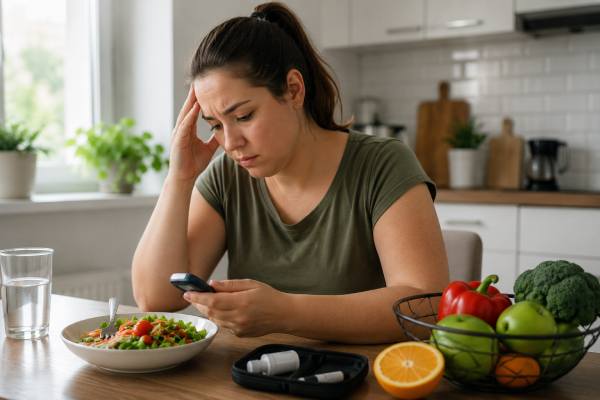
High blood sugar can make weight loss feel more difficult, especially when it reflects insulin resistance, prediabetes, type 2 diabetes, poor sleep, medication effects, or a pattern of large glucose swings after meals. It does not make fat loss impossible, and it does not erase the role of calories, activity, protein, sleep, or consistency. But it can change appetite, energy, cravings, fluid balance, and how your body responds to a weight loss plan.
The key is to treat high blood sugar as useful information, not as a personal failure. When glucose is running high, the most effective plan is usually not a harsher diet. It is a steadier, more medically informed approach that improves blood sugar control while supporting a realistic calorie deficit, muscle retention, and long-term adherence.
Table of Contents
- How High Blood Sugar Affects Weight Loss
- Insulin Resistance, Appetite, and Fat Storage
- Signs Blood Sugar May Be Involved
- What to Eat for Better Glucose and Weight Loss
- Movement, Sleep, and Stress for Glucose Control
- Medications and Medical Factors to Review
- How to Track Progress Without Overreacting
- When to Get Medical Help
How High Blood Sugar Affects Weight Loss
Yes, high blood sugar can make weight loss harder, but usually through indirect effects: hunger, fatigue, cravings, medication needs, water shifts, and reduced activity. It does not mean your metabolism is “broken,” and it does not mean weight loss is impossible.
Blood sugar, or blood glucose, rises after you eat carbohydrate-containing foods. In a healthy glucose response, insulin helps move glucose from the bloodstream into cells, where it can be used or stored. When blood sugar stays elevated more often, it may suggest that the body is not using insulin effectively, not making enough insulin, or both.
That matters for weight loss because the body is not a simple calculator. A calorie deficit still matters, but several real-world factors influence whether you can maintain that deficit:
- Energy levels: High or swinging glucose can leave some people tired, foggy, or less inclined to move.
- Hunger and cravings: Glucose spikes followed by drops may make meals feel less satisfying.
- Thirst and fluid changes: High glucose can increase urination and dehydration, which can make scale weight confusing.
- Medication effects: Some diabetes medications are weight-neutral or weight-reducing, while others can promote weight gain or make hypoglycemia prevention more complex.
- Exercise tolerance: Poor glucose control can make workouts feel harder, especially if sleep, hydration, or blood pressure are also affected.
There is also an important nuance: very high blood sugar can sometimes cause weight loss because glucose is lost through urine or because the body is not able to use fuel properly. That is not healthy fat loss. Unexplained weight loss with excessive thirst, frequent urination, fatigue, blurred vision, nausea, or weakness should be evaluated promptly.
For many people, the practical goal is not to chase perfect glucose numbers after every meal. It is to improve the overall pattern: fewer sharp swings, better fasting glucose or A1C over time, more stable appetite, and a weight loss plan you can follow without feeling constantly depleted. If insulin resistance is part of the picture, a focused guide to insulin resistance and weight loss can help connect the blood sugar side with the fat loss side.
Insulin Resistance, Appetite, and Fat Storage
Insulin resistance can make weight loss feel harder because the body needs more insulin to manage the same amount of glucose. Higher insulin levels are not the only reason people gain weight, but they can be part of a broader pattern that affects hunger, fat storage, and energy use.
Insulin is often described as a “storage hormone,” but that phrase is easy to misunderstand. Insulin does help store nutrients after meals. It also helps keep blood glucose in a safe range. The problem is not that insulin exists. The problem is when the body becomes less responsive to insulin, so the pancreas must work harder to keep glucose controlled.
In early insulin resistance, blood sugar may look normal for a while because the body compensates by making more insulin. Over time, glucose may rise into prediabetes or type 2 diabetes ranges. During that process, weight loss may feel frustrating for several reasons:
- Meals high in refined starches or added sugars may leave you hungry sooner.
- Large swings in glucose may trigger cravings for quick energy.
- Fatigue may reduce daily movement without you noticing.
- Sleep disruption may worsen hunger hormones and insulin sensitivity.
- The same diet that once worked may no longer fit your current metabolic health, schedule, or medication needs.
Insulin resistance is also closely linked with abdominal fat, fatty liver, high triglycerides, low HDL cholesterol, high blood pressure, and polycystic ovary syndrome. These conditions often cluster together, which is why weight loss advice that ignores blood sugar can feel incomplete.
Still, it is important not to turn insulin into the villain. You do not need a zero-carb diet to lose weight with insulin resistance. Many people do well with a moderate-carbohydrate pattern that emphasizes high-fiber carbohydrates, protein, unsaturated fats, and consistent meal timing. Others benefit from a lower-carbohydrate approach, especially if it is easier for appetite control and glucose management. The best plan is the one that improves your labs, appetite, and adherence without causing unnecessary restriction.
If you have prediabetes, the most useful first steps are often modest but consistent: losing a small percentage of body weight if needed, walking more, building muscle, improving sleep, and choosing meals that reduce glucose spikes. A practical plan for prediabetes and weight loss can be especially helpful before blood sugar problems progress.
Signs Blood Sugar May Be Involved
Blood sugar may be affecting your weight loss if you have symptoms of high glucose, risk factors for insulin resistance, or lab results in the prediabetes or diabetes range. The only way to know for sure is testing, because many people have elevated glucose without obvious symptoms.
Common signs that blood sugar deserves attention include:
- Frequent thirst or dry mouth
- Urinating more often than usual, especially at night
- Fatigue after meals
- Blurry vision
- Slow-healing cuts or frequent infections
- Strong cravings for sweets or refined carbs
- Feeling shaky, irritable, or ravenous between meals
- Unexplained weight changes
- A larger waist measurement or increasing abdominal fat
- A history of gestational diabetes, PCOS, fatty liver, or family history of type 2 diabetes
Lab testing gives a clearer picture than symptoms alone. Common tests include fasting plasma glucose, A1C, and sometimes an oral glucose tolerance test. A1C estimates average blood sugar over roughly the past two to three months, while fasting glucose reflects one point in time. Some people have normal fasting glucose but high post-meal glucose, so a clinician may choose additional testing based on the full picture.
| Marker | What it reflects | Why it matters for weight loss |
|---|---|---|
| Fasting glucose | Blood sugar after not eating overnight | Can suggest insulin resistance, impaired fasting glucose, or diabetes risk |
| A1C | Approximate average glucose over several months | Helps show whether the overall pattern is improving, not just daily fluctuations |
| Post-meal glucose | How high glucose rises after eating | Can reveal meal patterns that drive hunger, fatigue, or large glucose swings |
| Fasting insulin or HOMA-IR | Markers sometimes used to estimate insulin resistance | May be useful in selected cases, but interpretation varies and should be clinician-guided |
Blood sugar is only one possible reason weight loss may be slow. Thyroid disease, Cushing syndrome, sleep apnea, menopause, depression, binge eating disorder, medications, fluid retention, and underreported intake can also play a role. When the scale is not moving despite serious effort, it is reasonable to look beyond willpower and consider medical context. A broader review of medical reasons you can’t lose weight may help you decide what to discuss with a clinician.
What to Eat for Better Glucose and Weight Loss
The best eating pattern for high blood sugar and weight loss is one that creates a manageable calorie deficit while slowing glucose spikes and keeping you full. For most people, that means building meals around protein, fiber-rich carbohydrates, healthy fats, and mostly minimally processed foods.
You do not need to remove all carbohydrates. Carbohydrates are found in foods with very different effects on fullness and glucose: lentils, oats, berries, yogurt, potatoes, beans, white bread, candy, juice, and pastries are not metabolically identical meals. Portion size, fiber, protein, fat, food processing, and what you eat with the carbohydrate all matter.
A blood-sugar-friendly weight loss plate often looks like this:
- Protein: eggs, Greek yogurt, fish, chicken, tofu, tempeh, lean meat, cottage cheese, beans, or lentils
- High-fiber carbohydrates: oats, barley, quinoa, beans, lentils, fruit, starchy vegetables, or whole grains
- Non-starchy vegetables: leafy greens, broccoli, peppers, mushrooms, zucchini, cabbage, cauliflower, tomatoes, cucumbers
- Healthy fats: olive oil, avocado, nuts, seeds, tahini, or fatty fish
- Flavor and satisfaction: herbs, spices, vinegar, citrus, salsa, broth-based sauces, or fermented foods
This structure helps in several ways. Protein supports fullness and muscle retention. Fiber slows digestion and helps meals feel more substantial. Fat adds satisfaction, though portions still matter because fats are calorie-dense. Non-starchy vegetables add volume without many calories.
For people who see large glucose spikes, meal sequencing can help. Eating protein and vegetables before or alongside starch may produce a steadier response than eating refined carbohydrates alone. Swapping sweet drinks for water, unsweetened tea, or coffee can also make a large difference because liquid sugar is easy to consume quickly and does not provide much fullness.
A lower-glycemic approach can be useful, but it should not become a rigid list of “good” and “bad” foods. Glycemic index does not account for the entire meal, the portion, or individual response. A practical low-glycemic diet for weight loss focuses less on perfection and more on choosing slower-digesting, fiber-rich staples most of the time.
If you are not sure where to begin, start with breakfast and snacks. Many people with high blood sugar do better when the first meal includes enough protein and fiber rather than mostly refined starch. For example, Greek yogurt with berries and chia seeds, eggs with vegetables and whole-grain toast, or tofu scramble with beans can be more filling than a pastry or sweet cereal. For structured meal ideas, a high-protein, high-fiber meal plan can provide a realistic template.
Movement, Sleep, and Stress for Glucose Control
Exercise can improve blood sugar even before major weight loss happens. Muscle uses glucose, and regular movement improves insulin sensitivity, which can make weight loss feel more manageable over time.
You do not need intense workouts to start improving glucose control. Walking after meals is one of the simplest tools. Even a short walk after a higher-carbohydrate meal can help muscles use some of the incoming glucose. Over weeks and months, walking also increases daily energy expenditure without the recovery burden of hard training.
A balanced movement plan usually includes:
- Post-meal walking: 5 to 15 minutes after one or more meals when possible
- Daily steps: a gradual increase from your current baseline
- Strength training: two or more days per week to preserve or build muscle
- Low-impact cardio: cycling, swimming, incline walking, elliptical, or brisk walking
- Movement breaks: short standing or walking breaks during long sitting periods
Strength training is especially valuable because muscle is a major site of glucose disposal. You do not need advanced programming at first. Squats to a chair, wall push-ups, rows, hip hinges, step-ups, and basic dumbbell or resistance-band exercises can be enough to begin. The goal is consistency and progression, not exhaustion.
Sleep is just as important. Short or fragmented sleep can worsen insulin sensitivity, increase hunger, and make cravings harder to manage. If you regularly sleep less than six hours, wake often, snore loudly, or feel unrefreshed despite enough time in bed, sleep quality may be part of the blood sugar and weight picture. Guidance on sleep duration and weight loss can help you identify where to start.
Stress also matters, but not because one stressful day automatically causes fat gain. Chronic stress can raise appetite, disrupt sleep, reduce planning, increase alcohol intake, and make high-calorie convenience foods more likely. It may also affect glucose regulation through stress hormones. The practical solution is not to eliminate stress; it is to build repeatable defaults for stressful days: simple meals, walking breaks, earlier caffeine cutoff, a consistent bedtime, and a plan for cravings.
For many people, the most effective first movement habit is modest: take a short walk after the meal that usually causes the biggest slump or cravings. A guide to 10-minute walks after meals can make that habit easier to apply without overhauling your schedule.
Medications and Medical Factors to Review
Medications can strongly affect both blood sugar and body weight, so it is worth reviewing them with a clinician if weight loss feels unusually difficult. Do not stop or change prescribed medication on your own, especially diabetes, blood pressure, psychiatric, steroid, or hormone-related medications.
Some glucose-lowering medications tend to be weight-neutral or associated with weight loss. Others can contribute to weight gain or make weight loss more complicated. For example, insulin and sulfonylureas can be necessary and effective for glucose control, but they may increase the risk of hypoglycemia and can be associated with weight gain in some people. GLP-1 receptor agonists and dual incretin medications can improve glucose and reduce appetite for many patients, while SGLT2 inhibitors may lead to modest weight loss in appropriate candidates.
Metformin is commonly used for type 2 diabetes and insulin resistance-related conditions. It is generally considered weight-neutral or modestly weight-reducing for many people, though the response varies. If you want a deeper medication-specific discussion, see metformin and weight loss.
Other medications outside diabetes care can also affect weight or appetite, including some antidepressants, antipsychotics, mood stabilizers, beta blockers, corticosteroids, antihistamines, anti-seizure medications, and hormonal treatments. Sometimes the solution is not to stop the medication, but to adjust the dose, switch to a more weight-neutral option, treat side effects, or plan nutrition around predictable appetite changes. A review of diabetes medications that can cause weight gain can help you prepare better questions for your appointment.
Medical factors that often overlap with high blood sugar include:
- PCOS and insulin resistance
- Fatty liver disease
- Sleep apnea
- Hypothyroidism
- Perimenopause or menopause
- Chronic steroid use
- Depression or binge eating disorder
- Chronic pain that limits activity
- Kidney disease or heart failure, where weight changes may reflect fluid shifts
If you have type 2 diabetes, weight loss can improve glucose control and may reduce medication needs, but it should be planned safely. People using insulin or medications that can cause hypoglycemia need individualized guidance when changing food intake, activity, or weight. A dedicated guide to type 2 diabetes and weight loss can help frame those safety issues.
How to Track Progress Without Overreacting
The best tracking approach combines weight trends, glucose patterns, energy, hunger, and lab results instead of judging progress by one daily weigh-in. High blood sugar can create confusing short-term changes, so the trend matters more than isolated numbers.
Scale weight can jump or drop for reasons that are not fat gain or fat loss. Carbohydrate intake affects glycogen, and glycogen stores water. Salt, soreness, constipation, menstrual cycle changes, dehydration, travel, stress, and poor sleep can all shift the scale. In people with high glucose, fluid balance can be even more variable, especially if urination, thirst, or medication changes are involved.
A more useful tracking system might include:
- Body weight average over 7 days, not a single day
- Waist measurement every 2 to 4 weeks
- A1C or fasting glucose as recommended by your clinician
- Post-meal glucose patterns if you use a meter or continuous glucose monitor
- Hunger and craving notes
- Step count or walking minutes
- Strength training consistency
- Sleep duration and quality
If you use a continuous glucose monitor, avoid turning every spike into a crisis. Glucose rises after meals; the context matters. A large bowl of refined cereal eaten alone may produce a different response than oats with Greek yogurt, berries, and nuts. The goal is to learn which meals keep you full and steady, not to fear normal physiology.
A practical two-week experiment can be useful. Choose one variable to change, such as adding protein to breakfast, walking after dinner, replacing sweet drinks, or increasing fiber. Keep the rest of your routine similar enough that you can notice the effect. Then look at appetite, energy, glucose pattern, and weight trend together.
If weight is not changing after several consistent weeks, do not assume blood sugar is the only reason. Your calorie deficit may be smaller than expected, activity may have dropped, portions may have crept up, or water retention may be hiding fat loss. A guide on being in a calorie deficit but not losing weight can help you troubleshoot without immediately cutting calories too aggressively.
When to Get Medical Help
Get medical help if high blood sugar symptoms are new, worsening, severe, or paired with unexplained weight loss. Blood sugar problems are manageable, but delaying evaluation can allow complications to develop.
Make an appointment with a healthcare professional if you have:
- Repeated fasting glucose readings above your target range
- A1C in the prediabetes or diabetes range
- Frequent thirst, urination, fatigue, or blurred vision
- Strong family history of type 2 diabetes plus weight gain or belly fat
- PCOS, fatty liver, high triglycerides, or high blood pressure
- Weight gain after starting a new medication
- Trouble losing weight despite a consistent, reasonable plan
- Symptoms of sleep apnea, such as loud snoring or daytime sleepiness
Seek urgent care promptly if you have very high glucose with vomiting, severe dehydration, confusion, rapid breathing, fruity-smelling breath, chest pain, severe weakness, or ketones. People with known diabetes should follow their sick-day plan and contact their diabetes care team when readings are persistently high or ketones are present. Pregnant people with high glucose symptoms should also seek medical guidance promptly because glucose targets and risks are different during pregnancy.
For non-urgent appointments, bring useful information instead of vague frustration. A clinician can help more if you provide:
- Recent home glucose readings, if available
- A list of medications and supplements
- Weight trend over the past 1 to 3 months
- Typical meals and meal timing
- Activity level and step count, if tracked
- Sleep schedule and snoring symptoms
- Any episodes of shakiness, sweating, or suspected low blood sugar
The most effective plan may include nutrition changes, physical activity, sleep treatment, medication adjustment, diabetes education, medical nutrition therapy, or anti-obesity medication when appropriate. The goal is not simply to “try harder.” It is to match the plan to your physiology, medical history, and daily life.
High blood sugar can make weight loss more complicated, but it can also point you toward a better strategy. When glucose control improves, many people find that appetite, energy, cravings, and consistency improve too. That is often what makes sustainable weight loss possible.
References
- 8. Obesity and Weight Management for the Prevention and Treatment of Diabetes: Standards of Care in Diabetes—2026 2026 (Guideline)
- 6. Glycemic Goals, Hypoglycemia, and Hyperglycemic Crises: Standards of Care in Diabetes—2026 2026 (Guideline)
- Dietary Advice For Individuals with Diabetes 2024 (Review)
- Obesity Management for the Treatment of Type 2 Diabetes 2024 (Review)
- A network meta-analysis of the comparative efficacy of different dietary approaches on glycaemic control and weight loss in patients with type 2 diabetes mellitus and overweight or obesity 2024 (Systematic Review and Network Meta-Analysis)
Disclaimer
This article is for general educational purposes only and is not a substitute for medical advice, diagnosis, or treatment. If you have high blood sugar, diabetes, symptoms of severe hyperglycemia, or take glucose-lowering medication, work with a qualified healthcare professional before making major diet, exercise, or medication changes.
If you found this helpful, consider sharing it on Facebook, X, or your preferred platform so others can better understand the connection between blood sugar and weight loss.