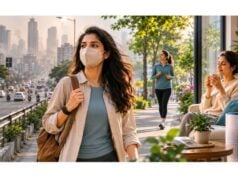
RSV is often treated like a child’s virus, but in later life it can be a serious cause of pneumonia, breathing trouble, emergency visits, and hospitalization. The risk climbs with age, but it also rises with chronic heart or lung disease, frailty, immune compromise, kidney disease, and life in a nursing home. That makes RSV vaccination less about routine box-checking and more about preventing the kind of respiratory illness that can lead to a steep loss of strength and independence.
The guidance has also changed. In the United States, RSV vaccination is now recommended for all adults age 75 and older, and for adults ages 50 to 74 who have increased risk for severe RSV illness. This article explains who falls into those groups, when to get the shot, how long protection appears to last, what side effects are most common, and how to think through timing if you are also getting flu, COVID-19, or pneumococcal vaccines.
Essential Insights
- RSV vaccination can lower the risk of severe lower respiratory illness and hospitalization in older and higher-risk adults.
- In the United States, all adults age 75 and older are recommended to get one RSV vaccine dose.
- Adults ages 50 to 74 may also need it if they have higher-risk medical conditions, immune compromise, frailty, or live in a nursing home.
- The vaccine is not currently given every year, and people who already received one dose should not get another dose at this time.
- The most practical timing for many adults is late summer to early fall, usually August through October in most of the continental United States.
Table of Contents
- Why RSV Matters More Later in Life
- Who Should Get the RSV Vaccine
- When to Get It and How Often
- Which RSV Vaccines Are Available
- Common Side Effects and Safety Concerns
- Practical Questions Before You Book
Why RSV Matters More Later in Life
RSV, short for respiratory syncytial virus, is common and often dismissed as a cold. In older adults, that can be a costly mistake. The virus can move into the lower airways, trigger pneumonia or worsening shortness of breath, and push already-stressed lungs or hearts past their margin of safety. For some people, the illness is not only about one hard week. It can lead to hospitalization, a long recovery, reduced mobility, and a drop in independence that lingers after the infection is gone.
Part of the problem is that the immune system changes with age. It becomes less quick and less coordinated in its response, which makes it harder to contain new respiratory threats early. That broader shift is part of how immunity changes with age. It does not mean the immune system stops working, but it does mean the body often has less reserve when infection causes inflammation, poor appetite, dehydration, or reduced activity.
RSV also does not arrive in a vacuum. Many older adults already have other conditions that make respiratory infections harder to tolerate. Chronic obstructive lung disease, asthma, heart failure, coronary disease, diabetes with complications, advanced kidney disease, severe obesity, and neurologic conditions that weaken airway clearance can all raise the chance that RSV becomes severe. Even frailty matters. Someone who is already losing muscle, walking more slowly, or getting exhausted easily has less room to absorb a hit from a lower respiratory infection.
That is one reason RSV vaccination matters as a prevention tool rather than a last-minute fix. There is no equivalent of a routine, highly effective outpatient antiviral treatment that reverses serious RSV illness in older adults the way people sometimes imagine. Once infection takes hold, care is mostly supportive. That can mean oxygen, hydration, hospital monitoring, treatment for complications, and a long period of rebuilding strength afterward.
This is also why RSV belongs in the broader conversation about immune support for older adults. Vaccination is not the whole story, but it is one of the few targeted steps that can lower risk before exposure happens. Sleep, nutrition, medication management, and chronic disease control all matter, yet they do not replace the value of a vaccine that prepares the immune system in advance.
In practical terms, RSV vaccination matters because it aims to reduce severe outcomes, not just sniffles. For a healthy 78-year-old that may mean avoiding a hospitalization that starts a downward spiral. For a 66-year-old with COPD or a person in a nursing home, it may mean preventing a respiratory illness that becomes much harder to contain than it would in a younger, healthier adult.
Who Should Get the RSV Vaccine
Current U.S. guidance is more specific than many people realize. RSV vaccination is recommended for all adults age 75 and older. It is also recommended for adults ages 50 to 74 who are at increased risk of severe RSV illness. That second group is important because it includes many adults in their 50s, 60s, and early 70s who would not think of themselves as “frail” but still carry meaningful risk.
The clearest risk groups include people with chronic heart or lung disease, weakened immune systems, and people living in nursing homes. The more detailed clinical list is broader. It includes chronic cardiovascular disease other than simple isolated high blood pressure, chronic lung disease such as COPD, emphysema, asthma, interstitial lung disease, and cystic fibrosis, end-stage renal disease or dialysis, chronic liver disease, chronic blood disorders such as sickle cell disease or thalassemia, severe obesity, and moderate or severe immune compromise. It also includes certain neurologic or neuromuscular conditions that make it harder to clear the airway effectively.
Diabetes can count too, especially when it is more advanced or complicated. The same is true for frailty, even when there is not one dramatic diagnosis that stands out. Someone who has lost weight unintentionally, feels exhausted more easily, walks slowly, or has become much less active may have less physiologic reserve than their age alone suggests.
For adults in their 60s and 70s, the key question is not simply, “Am I old enough?” It is, “Would RSV be more likely to put me in the hospital or leave me struggling to recover?” That is often the more useful frame. If the answer might be yes because of lung disease, heart disease, immune suppression, frailty, or residence in long-term care, vaccination deserves real consideration.
This can overlap with other questions about immune vulnerability. People who have undergone transplant, are on immune-suppressing therapy, or are already thinking about vaccination for immunocompromised adults should usually treat RSV as part of a wider prevention plan, not as an isolated shot.
It also helps to correct one outdated idea. Earlier guidance centered on adults age 60 and older using shared clinical decision-making. That is no longer the main framework. Today, the recommendation is clearer: all adults 75 and older should get one dose, and adults 50 to 74 with increased risk should get one dose.
If you are unsure whether you qualify, start with a practical checklist:
- Are you 75 or older
- Do you have chronic heart or lung disease
- Are you immunocompromised
- Do you live in a nursing home
- Do you have frailty, advanced kidney disease, severe obesity, or a condition that weakens airway clearance
If any of those fit, the question is less whether RSV vaccination is relevant and more which visit should be used to get it done.
When to Get It and How Often
The RSV vaccine can be given at any time of year, but timing still matters. For most adults in the continental United States, the ideal window is late summer to early fall, usually August through October, before RSV starts spreading widely. That timing is meant to place the strongest part of the protection in front of the season when RSV is most likely to circulate.
If you missed that window, it is still worth asking about vaccination later. The best time is before exposure, but “not perfect timing” is different from “too late to bother.” A high-risk adult who has not been vaccinated and is entering RSV season still has a reason to get protected rather than waiting for the next calendar cycle.
One of the most common points of confusion is dose schedule. At this time, RSV vaccination for adults is not an annual vaccine. People who already received one RSV vaccine dose are considered vaccinated and should not get another dose right now. That includes people who received a dose in a prior season. Public health agencies are still studying how long protection lasts and whether future additional doses will be useful, but the current recommendation remains a single dose, not a yearly one.
That makes RSV different from influenza and different from some COVID-19 vaccine schedules. For adults trying to simplify preventive care, this is good news. It means RSV vaccination is more like a one-time preventive step under the current guidance, even though recommendations may evolve later as longer-term data accumulate.
Many people also want to know how to time it with other vaccines. In general, RSV vaccines can be given during the same visit as other adult vaccines. That includes flu and COVID-19 vaccines, and often pneumococcal vaccination when appropriate. Same-day vaccination can be efficient, especially for people who do not want multiple appointments during respiratory virus season. If you are sorting out several fall vaccines at once, a guide to getting flu, COVID, and RSV vaccines together can make that planning easier.
There are a few common-sense exceptions. If you are moderately or severely ill, it is usually better to wait until you recover before getting the RSV vaccine. If you only have a minor illness, such as a mild cold without major systemic symptoms, vaccination can usually still go ahead. The goal is not perfection. It is getting the vaccine when your body is stable enough and the timing is still useful.
For many adults, the easiest rule is this:
- Get it before RSV season if possible.
- Do not treat it as a yearly shot right now.
- Do not repeat a dose just because a new season started.
- If you are eligible and unvaccinated, late summer to early fall is the cleanest timing window.
That approach keeps the schedule simple while matching the current recommendation.
Which RSV Vaccines Are Available
There are currently three FDA-licensed RSV vaccines used in adults in the United States: Arexvy, Abrysvo, and mResvia. For eligible adults age 50 and older, current CDC guidance does not express a preference for one over another. In practical terms, that means the “best” RSV vaccine is often the one available to you through your clinic, pharmacy, or health system when you are due.
For most readers, the important point is not memorizing the product names. It is knowing that the vaccines all aim to protect against severe RSV-associated lower respiratory disease and hospitalization, and that they are given as a single dose. Real-world evidence now supports meaningful protection against medically attended RSV illness and hospital-level outcomes in older adults, which is one reason the recommendation has moved from a more optional conversation toward clearer guidance in higher-risk groups.
Still, the product landscape can feel confusing because licensing and age ranges are not identical across every situation. Some products have expanded approvals in younger at-risk adults, while the public health recommendation for routine use still focuses on all adults 75 and older and at-risk adults 50 to 74. For a patient sitting in a pharmacy chair, though, the decision is usually much simpler: if you are in a recommended group, any currently recommended RSV vaccine can generally be used.
This is also where people sometimes overfocus on brand-level differences and miss the bigger clinical question. For a healthy 76-year-old, the main issue is getting protected, not waiting months to compare small distinctions in formulation. For a 58-year-old with advanced lung disease or immune compromise, the central question is eligibility and access, not which television ad sounded more reassuring.
Some adults naturally ask whether vaccine choice should be coordinated with other respiratory vaccines. There is no universal rule that one brand “fits better” with your flu shot, COVID-19 vaccine, or pneumococcal vaccine planning. What matters more is whether you are due, whether the visit is convenient, and whether your clinician or pharmacist has any reason to steer you based on your history of allergic reactions or previous vaccine responses.
You should also keep expectations realistic. RSV vaccination does not prevent every cough or every winter respiratory illness. It is a targeted step against one virus that becomes more dangerous with age and certain medical conditions. That distinction matters because people often judge a vaccine too narrowly. The goal is not to eliminate all respiratory symptoms forever. It is to reduce the odds of the severe version of RSV illness that leads to emergency care, hospital stays, or a long functional decline afterward.
For most eligible adults, then, the right approach is simple: use the available vaccine opportunity rather than holding out for an imagined perfect choice.
Common Side Effects and Safety Concerns
Most RSV vaccine side effects are short-lived and similar to what adults experience after other common vaccines. The most typical reactions include pain, redness, or swelling where the shot is given, along with fatigue, headache, muscle pain, joint pain, nausea, mild fever, or a general run-down feeling for a day or two. These reactions can be annoying, but they are usually mild and self-limited.
It helps to frame those symptoms correctly. They do not mean the vaccine gave you RSV. They reflect the immune system reacting to the shot and building a protective response. For many adults, the effect is little more than a sore arm and a tired evening. Others feel more achy the next day, especially if they are also receiving another vaccine at the same visit.
The more important question is rare serious risk. Since adult RSV vaccines were introduced, public health monitoring has paid close attention to a possible association with Guillain-Barré syndrome, a rare neurologic condition. This has been treated as a real safety signal worth ongoing monitoring, not as something to dismiss. At the same time, the absolute risk appears low, and public health agencies continue to conclude that the benefits of vaccination outweigh the potential risk for the adults currently recommended to receive it.
That balance matters. A very rare safety event should be taken seriously, but so should the risk of severe RSV in a population already vulnerable to hospitalization, breathing complications, and loss of independence. For an adult at high risk of severe RSV disease, the decision is not between “some risk” and “no risk.” It is between the risks that come with vaccination and the risks that come with remaining unprotected during RSV season.
There are also clear reasons not to get the vaccine. Anyone who has had a severe allergic reaction to a previous RSV vaccine dose or to a component of the vaccine should not receive it unless advised by an allergy or vaccine specialist. That is different from having felt tired or achy after a shot, which is common and not a contraindication.
A practical way to prepare is to keep the next 24 hours fairly light if you can. Hydrate, avoid scheduling a demanding morning after vaccination if you know you tend to feel run down, and know what counts as normal. Arm soreness, fatigue, headache, mild fever, and muscle aches are expected. Trouble breathing, swelling of the face or throat, widespread hives, or severe neurologic symptoms need urgent attention. If you want a broader guide to normal vaccine reactions versus red flags, that context can make post-shot symptoms much less stressful.
The safest mindset is neither fear nor dismissal. It is informed calm: common side effects are usually mild, rare serious events are monitored carefully, and the benefit side of the equation is strongest in the adults most likely to get very sick from RSV itself.
Practical Questions Before You Book
The last step is turning general guidance into a decision that fits your own situation. Most people do not need a long theoretical discussion. They need clear answers to a few practical questions.
First, are you already eligible? If you are 75 or older, the answer is straightforward. If you are 50 to 74, look at risk factors: chronic heart or lung disease, immune compromise, advanced kidney disease, frailty, nursing home residence, and similar higher-risk conditions. If you are still unsure, a pharmacist or clinician can usually sort that out quickly.
Second, should you wait if you are sick? A minor cold does not usually require postponing the vaccine. A moderate or severe illness usually does. If you are feverish, acutely unwell, or struggling to tell whether your symptoms are from an infection versus something else, waiting until you recover is often the cleaner choice. That fits the same broader logic discussed in when to wait on vaccination because you are sick.
Third, can you combine it with other vaccines? Often yes. Same-visit vaccination with flu, COVID-19, or other adult vaccines can reduce missed opportunities and simplify scheduling. Some people prefer to separate vaccines to make side effects easier to interpret, but that is usually a convenience choice rather than a medical requirement. If you are choosing between convenience and side-effect clarity, either approach can be reasonable.
Fourth, what if you already got an RSV vaccine last year? Under current guidance, you should not get another dose right now. This is still a one-dose recommendation, not an annual schedule. That point is easy to miss because people naturally assume every fall respiratory vaccine must be repeated each year.
Fifth, what if you are focused on prevention beyond vaccination? That is wise, but it should complement the vaccine, not replace it. Masking in crowded indoor settings during peak respiratory season, better ventilation, hand hygiene, and good sleep still matter. So does avoiding the habits that strain immune resilience. Broader strategies like simple illness-prevention habits can reduce exposure risk, while vaccination lowers the chance that RSV exposure becomes severe illness.
A final note for families: if you are helping an older parent decide, focus less on whether they “usually get colds” and more on whether a serious breathing infection would be hard for them to recover from. That is often the clearest decision point. An older adult with slower recovery, weaker reserve, chronic disease, or frailty has more to gain from prevention than someone judging risk only by how often they get a sore throat.
For most eligible adults, the best next step is simple: check whether you are due, book the vaccine before or during RSV season, and do not assume you missed your chance just because the perfect timing window passed.
References
- RSV Vaccine Guidance for Adults 2026 (Clinical Guidance)
- Use of Respiratory Syncytial Virus Vaccines in Adults Aged ≥60 Years: Updated Recommendations of the Advisory Committee on Immunization Practices — United States, 2024 | MMWR 2024 (Guideline)
- Respiratory Syncytial Virus (RSV) Vaccine Safety 2025 (Safety Guidance)
- Effectiveness and Safety of Respiratory Syncytial Virus Vaccine for US Adults Aged 60 Years or Older 2025 (Observational Study)
- Real-world effectiveness and safety of nirsevimab, RSV maternal vaccine and RSV vaccines for older adults: a living systematic review and meta-analysis 2025 (Systematic Review)
Disclaimer
This article is for educational purposes only and is not a substitute for personal medical advice. RSV vaccine recommendations depend on age, chronic health conditions, immune status, prior vaccination history, and current illness. Guidance can also change as longer-term safety and durability data become available. If you are unsure whether you qualify, have a history of severe vaccine reactions, or are managing complex medical conditions such as immune suppression, dialysis, or advanced lung disease, review the decision with a licensed clinician or pharmacist.
If this article helped you, consider sharing it on Facebook, X, or another platform so more adults and caregivers can better understand who should get the RSV vaccine, when to get it, and what side effects to expect.