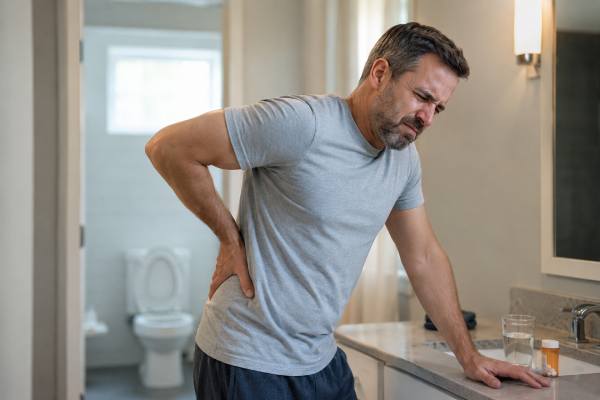
Kidney stones are hard deposits that form when minerals and salts in urine become too concentrated and crystallize. Some stay in the kidney and cause no symptoms. The painful trouble usually starts when a stone moves into the ureter, the narrow tube that carries urine from the kidney to the bladder. That movement can block urine flow, stretch the ureter, and trigger the severe pain known as renal colic.
A kidney stone attack is hard to ignore. The pain often starts suddenly in the side or back, then shifts toward the lower belly or groin as the stone moves. Nausea, vomiting, sweating, blood in the urine, and an urgent need to pee often come with it. Some attacks pass with medicine, fluids, and time. Others need urgent treatment, especially when fever, infection, a blocked kidney, pregnancy, one kidney, or uncontrolled pain is involved.
This guide explains how kidney stones feel, what causes them, what to do during an attack, how doctors diagnose them, and how to reduce the chance of another one.
Table of Contents
- What kidney stones are and why they hurt
- Kidney stone symptoms and warning signs
- What to do during a kidney stone attack
- When a kidney stone needs urgent care
- Common causes and risk factors
- How kidney stones are diagnosed
- Treatment options: passing the stone, medicine, and procedures
- How to prevent another kidney stone
What kidney stones are and why they hurt
A kidney stone forms when urine contains more crystal-forming substances than the fluid can keep dissolved. Calcium, oxalate, uric acid, phosphate, cystine, and certain infection-related minerals can clump together. Over time, tiny crystals grow into a stone.
A stone sitting quietly inside the kidney often causes no pain. Pain usually begins when the stone drops into the ureter. The ureter is small, sensitive, and muscular. It squeezes in waves to move urine toward the bladder. When a stone gets stuck, urine backs up behind it. Pressure rises in the kidney and ureter, and the ureter spasms around the blockage. That combination causes the sharp, deep pain people often describe as worse than any muscle strain.
The pain pattern depends on where the stone is:
- A stone near the kidney often causes pain in the side or back, below the ribs.
- A stone lower in the ureter often causes pain that travels toward the lower belly, groin, testicle, or vulva.
- A stone close to the bladder often causes urinary urgency, burning, or the feeling that you need to pee again right after going.
The stone’s size matters, but size is not the only reason pain becomes severe. A small stone in a tight spot can cause intense pain. A larger stone inside the kidney can cause little pain until it moves. Shape also matters. A jagged stone can irritate the lining of the urinary tract and cause visible or microscopic bleeding.
Kidney stones are different from simple back pain because the pain usually feels deep, intense, and hard to relieve by changing position. Muscle pain often improves when you rest, stretch, apply heat, or find a comfortable posture. Stone pain tends to make people pace, shift constantly, or curl up without finding real relief. If you are unsure whether the pain is coming from the kidney or the spine, the differences in kidney pain and back pain help narrow the pattern.
Kidney stone symptoms and warning signs
The classic symptom is sudden, severe pain on one side of the back or flank. It often comes in waves, but it does not feel like ordinary cramps. The pain climbs, eases slightly, then returns as the ureter contracts around the stone. Some people feel the pain move downward over hours or days as the stone travels.
Common symptoms include:
- Sharp pain in the side, back, lower belly, groin, testicle, or vulva
- Nausea or vomiting
- Pink, red, brown, or tea-colored urine
- Burning when peeing
- Urgent or frequent urination
- Cloudy or strong-smelling urine
- Sweating, restlessness, or inability to sit still
- Passing grit, sand-like particles, or a small hard stone
Blood in the urine is common with stones because the stone rubs against the lining of the urinary tract. The urine does not always look red. A urine test can show blood that is not visible. Still, visible blood should not be automatically blamed on a stone, especially in adults over 40, smokers, people with recurrent bleeding, or anyone without a confirmed stone. Persistent or unexplained blood deserves medical evaluation; the causes listed in blood in urine red flags show why testing matters.
Symptoms that point to a lower ureter stone
When the stone nears the bladder, the pain sometimes becomes less flank-focused and more urinary. People often feel burning, pressure, urgency, or a constant need to urinate. This stage can mimic a urinary tract infection.
The key difference is that stone pain usually starts in the side or back and moves downward. A bladder infection usually starts with burning, frequency, cloudy urine, and lower pelvic discomfort. Fever, chills, and back pain raise concern for a kidney infection or an infected blocked stone.
What a kidney stone attack feels like in real life
A typical attack starts suddenly. A person may wake at night with one-sided flank pain, become nauseated, and feel unable to get comfortable. The pain may radiate toward the groin. Urine may look normal at first, then turn pink later. Some people vomit from pain before they understand the source.
Others have a slower onset. They feel a dull ache in the side for a day, then a sharper wave hits after exercise, dehydration, or a long period without fluids. The attack pattern is not identical for everyone, which is why first-time severe flank pain should be checked rather than self-diagnosed.
What to do during a kidney stone attack
During a suspected kidney stone attack, the goal is simple: control pain, watch for danger signs, avoid making dehydration worse, and get medical care when the situation is not clearly mild.
First steps at home if symptoms are mild and familiar
If you have had stones before, your symptoms match prior attacks, you have no fever, you can pee, and your pain is manageable, these steps are reasonable while arranging medical advice:
- Drink small, steady amounts of water. Do not force large volumes during severe pain or vomiting. Extra water will not “flush out” a stone that is stuck, and overdrinking can worsen nausea.
- Take pain medicine only if it is safe for you. Nonsteroidal anti-inflammatory drugs, such as ibuprofen or naproxen, are often effective for renal colic, but they are not safe for everyone. Avoid them unless a clinician has said they are safe if you have kidney disease, stomach ulcers, bleeding risk, take blood thinners, are dehydrated, or are pregnant.
- Use an anti-nausea medicine if one was prescribed for prior stone attacks. Vomiting quickly leads to dehydration and makes pain harder to manage.
- Strain your urine. Use a urine strainer from a pharmacy, a clean fine-mesh sieve, or gauze over a container. Saving the stone helps doctors identify the type and plan prevention.
- Track symptoms. Write down when pain started, where it travels, your temperature, medicines taken, vomiting episodes, and whether you are able to urinate.
Home care is not the right plan for a first severe attack. Many conditions can imitate stone pain, including appendicitis, ovarian torsion, ectopic pregnancy, kidney infection, abdominal aneurysm, gallbladder disease, and bowel problems. Sudden severe pain needs a diagnosis.
For practical details on easing passage safely, see how to pass a kidney stone faster, especially the difference between useful hydration and risky overdrinking.
What not to do during an attack
Avoid the common mistakes that make stone attacks more dangerous or harder to evaluate:
- Do not keep drinking large amounts of water if you are vomiting.
- Do not take leftover antibiotics unless a clinician confirms an infection.
- Do not ignore fever because the pain “feels like a stone.”
- Do not assume visible blood is harmless if no stone has been confirmed.
- Do not take repeated NSAID doses when you are dehydrated or have reduced kidney function.
- Do not drive yourself to urgent care or the ER if pain, nausea, or dizziness is severe.
Heat on the side or lower back helps some people relax, but it does not treat the blockage. Use it only as comfort while you seek the right level of care.
When a kidney stone needs urgent care
Some kidney stone attacks become emergencies because urine is blocked, infection is present, or the person cannot stay hydrated. The most dangerous situation is an infected blocked kidney. In that case, bacteria can build behind the obstruction and spread into the bloodstream. This needs urgent drainage and antibiotics, not watchful waiting.
| Symptom or situation | Why it matters | What to do |
|---|---|---|
| Fever, chills, or shaking | Possible infected obstruction | Go to the ER now |
| Severe pain that medicine does not control | The stone may be obstructing urine flow or need a procedure | Seek urgent care or ER care |
| Repeated vomiting | Dehydration and inability to keep medicine down | Seek urgent care |
| Unable to pee or only a few drops | Possible blockage, especially with one kidney or bladder outlet problems | Go to the ER |
| Pregnancy | Imaging and pain control need pregnancy-specific choices | Call your obstetric team or seek urgent care |
| One kidney, transplant kidney, or known kidney disease | Less backup kidney function if urine flow is blocked | Seek urgent care promptly |
| Child with suspected stone | Children need careful evaluation for causes and safe imaging | Contact a clinician urgently |
A kidney infection can overlap with stone symptoms. Fever, flank pain, urinary symptoms, and feeling very ill should not be treated as a routine stone attack. The comparison in bladder infection versus kidney infection explains why upper urinary infections need faster action.
Why infection changes everything
A non-infected stone is painful but often manageable. An infected blocked system is different. Antibiotics alone may not reach the trapped infected urine well enough. Doctors often need to drain the kidney with a ureteral stent or a nephrostomy tube, then treat the stone after the infection is controlled.
This is why fever with stone pain is an emergency. Waiting at home for the stone to pass creates real risk.
Common causes and risk factors
Kidney stones form when urine becomes too concentrated or when the balance of stone-forming and stone-blocking substances shifts in the wrong direction. Low urine volume is the most common setup. If you sweat heavily, drink little, work in heat, exercise intensely, or sleep through the night without enough daytime fluids, minerals sit in more concentrated urine and crystals form more easily.
Diet also matters, but not in the oversimplified way many people hear. Most stones are not caused by eating too much calcium. In fact, very low calcium intake can raise oxalate absorption in the gut and increase calcium oxalate stone risk. The more useful target is normal dietary calcium with meals, less sodium, and a diet matched to the stone type.
Common risk factors include:
- Low fluid intake or heavy sweating
- High sodium intake from packaged food, restaurant meals, salty snacks, cured meats, and fast food
- Frequent sugar-sweetened drinks, especially high-fructose drinks
- Large portions of animal protein, especially for uric acid stone risk
- High-oxalate foods in people prone to calcium oxalate stones, such as spinach, rhubarb, beets, almonds, cashews, and some bran products
- Obesity, insulin resistance, type 2 diabetes, and gout
- Family history of stones
- Recurrent urinary tract infections
- Bowel disease, chronic diarrhea, or weight-loss surgery that changes oxalate absorption
- Certain medicines and supplements
- Rare genetic conditions, such as cystinuria
People often focus only on oxalate, but sodium deserves equal attention. High sodium intake makes the kidneys release more calcium into urine. More urine calcium means more raw material for calcium stones. This is why a salty diet can raise stone risk even in someone who avoids spinach and nuts.
Stone type changes the prevention plan. Calcium oxalate stones are the most common. Uric acid stones are linked to acidic urine and often overlap with gout, diabetes, or high animal-protein intake. Struvite stones form with certain infections and can grow quickly. Cystine stones come from a rare inherited condition and usually require specialist care. A deeper look at kidney stone types helps explain why one-size-fits-all advice fails.
Why dehydration is more than “not drinking enough”
You can drink a normal amount and still make concentrated urine if your fluid timing is poor. A person who drinks two large bottles in the evening but little during a hot workday still spends hours producing concentrated urine. The same problem happens with long workouts, sauna use, outdoor work, fever, vomiting, diarrhea, or overnight fluid gaps.
The practical goal is steady urine dilution across the day. Pale yellow urine is a useful sign, though vitamins can change color. Dark yellow urine, strong odor, and long gaps between bathroom trips suggest you need more fluids earlier and more consistently.
How kidney stones are diagnosed
Doctors diagnose kidney stones by matching symptoms with urine tests, blood tests, and imaging. The main questions are: Is there a stone? Where is it? How large is it? Is urine blocked? Is there infection? Is kidney function affected?
A typical evaluation includes:
- A medical history, including prior stones, infections, medicines, supplements, diet, gout, bowel disease, and family history
- Physical exam, including checking for flank tenderness and abdominal warning signs
- Urinalysis to look for blood, crystals, white blood cells, nitrites, pH, and infection clues
- Urine culture if infection is possible
- Blood tests for kidney function, electrolytes, calcium, uric acid, and infection markers when needed
- Pregnancy testing when relevant before certain imaging or medicines
- Imaging to locate and measure the stone
Non-contrast CT is the most accurate common test for a suspected ureter stone in a nonpregnant adult with significant symptoms. It shows stone size, location, obstruction, and other possible causes of pain. Low-dose CT protocols reduce radiation exposure in many cases.
Ultrasound is often used first in pregnancy, children, and situations where radiation avoidance is important. It can show swelling of the kidney and some stones, especially in the kidney, but it can miss ureter stones. A plain X-ray helps monitor some radiopaque stones but does not show all stone types.
Stone analysis is one of the most useful tests after the attack. A lab can identify whether the stone is calcium oxalate, calcium phosphate, uric acid, struvite, cystine, or a mixed stone. Without that information, prevention becomes guesswork.
People with recurrent stones, high-risk stones, young age at first stone, one kidney, kidney disease, bowel disease, gout, cystine stones, or a strong family history often need a metabolic evaluation. That usually includes blood tests and one or two 24-hour urine collections. The test measures urine volume, calcium, oxalate, citrate, uric acid, sodium, pH, and other factors that guide prevention. The steps in a 24-hour urine test for kidney stones show why collection accuracy matters.
Treatment options: passing the stone, medicine, and procedures
Treatment depends on stone size, location, pain level, infection risk, kidney function, and whether the stone is moving. The first priority during an acute attack is pain and nausea control. After that, doctors decide whether observation is safe.
Small ureter stones often pass without a procedure. Stones around 5 mm or smaller have a better chance of passing, especially when they are closer to the bladder. Larger stones, stones high in the ureter, stones causing persistent obstruction, and stones linked with infection are less likely to resolve with time alone. A kidney stone size chart gives a useful starting point, but symptoms and obstruction matter as much as measurement.
Medicine during stone passage
Pain control often includes an NSAID when safe, because these medicines reduce inflammation and ureter pressure. Opioid pain medicine is sometimes needed for severe attacks or when NSAIDs are unsafe, but it does not treat the obstruction and often worsens nausea or constipation.
Doctors sometimes prescribe an alpha blocker, such as tamsulosin, to relax the ureter and improve the chance of passing certain ureter stones, especially distal stones larger than 5 mm. This is called medical expulsive therapy. It is not right for every stone and should be used with guidance, especially in people with low blood pressure, dizziness, or interacting medicines.
Antibiotics are used only when infection is suspected or confirmed. They are not routine treatment for a simple stone. Taking antibiotics without evidence of infection adds side effects and resistance risk without helping the stone pass.
Procedures when a stone will not pass or is unsafe to watch
A procedure becomes more likely when the stone is too large, pain remains uncontrolled, kidney function worsens, infection is present, vomiting prevents hydration, or the stone does not pass after a reasonable observation period.
Common procedures include:
- Shock wave lithotripsy, which uses focused sound waves to break certain stones into smaller fragments.
- Ureteroscopy, where a thin scope passes through the urethra and bladder into the ureter or kidney so the stone can be removed or broken with a laser.
- Percutaneous nephrolithotomy, used for larger or complex kidney stones, where instruments enter the kidney through a small back incision.
- Ureteral stent placement, which keeps urine draining around swelling or obstruction.
- Nephrostomy tube placement, which drains urine directly from the kidney through the back, often used when urgent drainage is needed.
The best procedure is not always the least invasive one. A small ureter stone and a large branching kidney stone need different strategies. Stone hardness, location, anatomy, infection, pregnancy, blood thinner use, and available expertise all affect the plan. The comparison of kidney stone surgery options explains why urologists choose different procedures for different stones.
What happens after the stone passes
Pain often improves quickly once the stone reaches the bladder or passes out through the urethra. Some burning or irritation can linger for a short time. Keep the stone if you catch it, even if it looks tiny. Store it dry in a small bag or container and bring it to your clinician.
Follow-up still matters after the pain stops. A stone can stop hurting but remain stuck. Imaging is sometimes needed to confirm passage, especially with larger stones, ongoing urinary symptoms, infection concerns, reduced kidney function, or a job where sudden recurrence creates danger.
How to prevent another kidney stone
After one kidney stone, prevention should become specific. The best plan uses the stone type, urine chemistry, blood tests, medical history, and eating pattern. General advice helps, but targeted prevention works better.
The most reliable starting point is higher fluid intake spread through the day. Many recurrent stone formers are advised to drink enough to make about 2.5 liters of urine daily, unless a clinician limits fluids for heart, kidney, or liver disease. In practice, that often means drinking before thirst becomes strong, adding fluids during heat or exercise, and having water available during long work blocks.
For most people prone to calcium stones, the prevention basics are:
- Keep normal dietary calcium rather than cutting calcium too low.
- Pair calcium-containing foods with meals that contain oxalate.
- Reduce sodium, especially from restaurant and packaged foods.
- Moderate large portions of meat, poultry, fish, and other animal proteins.
- Limit high-oxalate foods only if calcium oxalate stones or high urine oxalate are part of your pattern.
- Reduce sugary drinks and frequent high-fructose intake.
- Treat gout, diabetes, recurrent UTIs, bowel disease, or other drivers that raise risk.
Normal calcium with meals is a common point of confusion. Calcium in food binds oxalate in the gut so less oxalate enters the urine. Cutting dairy or other calcium foods without replacing calcium wisely can backfire. Supplements are more complicated and should be discussed with a clinician, especially if you have recurrent stones or high urine calcium.
Citrate is another key protective factor. Citrate binds calcium in urine and helps reduce crystal formation. Some people raise citrate through citrus foods or drinks; others need prescription potassium citrate, especially with low urine citrate, uric acid stones, cystine stones, or acidic urine. Lemon water is not the same as a prescribed citrate dose, but it can be part of a broader plan when it fits your urine results and health status.
For food and fluid planning, the most useful approach is to match advice to your test results. Someone with high urine sodium needs a sodium plan. Someone with low urine volume needs a hydration schedule. Someone with acidic urine and uric acid stones needs urine pH management. Someone with high urine oxalate needs oxalate strategy plus normal calcium at meals. A broad kidney stone prevention plan ties these pieces together.
Prevention checklist after an attack
Use this checklist once the acute pain is controlled:
- Save the stone for analysis if it passes.
- Ask whether follow-up imaging is needed to confirm passage.
- Review medicines and supplements, including vitamin C, calcium pills, topiramate, diuretics, antacids, and protein powders.
- Ask whether you need blood tests for calcium, uric acid, kidney function, and electrolytes.
- Ask whether a 24-hour urine test is appropriate.
- Build a daily fluid routine rather than relying on evening catch-up.
- Reduce sodium before making extreme food restrictions.
- Keep a written record of stone dates, side, size, location, procedure, and stone composition.
The goal is not to create a perfect diet. The goal is to fix the main urine risks driving your stones. That is more effective and easier to maintain than avoiding long lists of foods without knowing whether they matter for you.
References
- EAU Guidelines on Urolithiasis 2025 (Guideline)
- Renal and ureteric stones: assessment and management 2019 (Guideline)
- Urological Guidelines for Kidney Stones: Overview and Comprehensive Update 2024 (Review)
- Kidney Stone Pathophysiology, Evaluation and Management 2023 (Review)
- Risk factors for nephrolithiasis formation: an umbrella review 2024 (Umbrella Review)
- Kidney Stone Emergencies 2025 (Review)
Disclaimer
This article is for general education about kidney stones and does not replace medical evaluation. Severe flank pain, fever, chills, vomiting, pregnancy, one kidney, known kidney disease, or trouble urinating needs prompt medical care. Treatment choices, pain medicines, imaging, and prevention plans should be guided by a qualified clinician who knows your health history and test results.