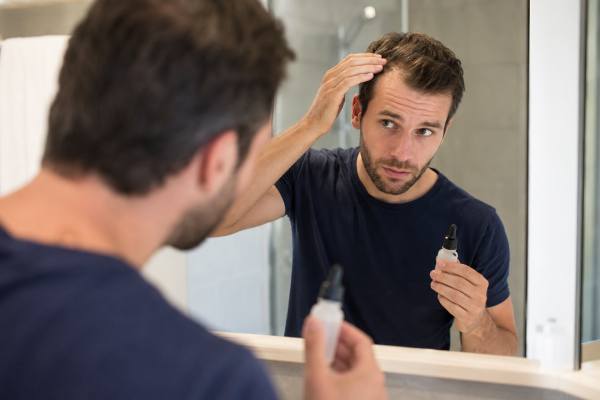
Topical finasteride is used on the scalp to treat male pattern hair loss. It is meant to lower dihydrotestosterone, or DHT, around hair follicles while reducing the amount of medication that reaches the bloodstream. That idea sounds simple, but the real choice is more nuanced. Topical products can still be absorbed through the skin, strengths vary widely, and many U.S. versions are compounded rather than FDA-approved finished drugs.
For men who want to slow thinning at the crown, improve density, or avoid oral finasteride because of side effect concerns, a scalp-applied version may be worth discussing with a dermatologist. It is not risk-free, and it does not work overnight. The best results usually come from steady use, realistic expectations, and a clear plan for monitoring sexual, mood, skin, fertility, and prostate-related concerns.
Table of Contents
- How Topical Finasteride Works
- Benefits Men Can Expect
- Topical vs Oral Finasteride
- Using It Correctly
- Side Effects and Safety Risks
- Fertility, PSA, and Partner Exposure
- Who May or May Not Be a Good Candidate
- When to Stop or Get Medical Advice
How Topical Finasteride Works
Male pattern hair loss is driven by genetics and androgen hormones, especially DHT. DHT can shrink sensitive follicles over time, causing hairs to become thinner, shorter, and less visible. Finasteride blocks type II 5-alpha-reductase, an enzyme that helps convert testosterone into DHT.
Oral finasteride lowers DHT throughout the body. Topical finasteride is applied to the scalp so more of the effect is aimed at the hair follicles. The goal is not to “feed” the hair. It is to reduce the hormone signal that pushes vulnerable follicles into miniaturization.
That matters because male pattern thinning usually follows a pattern:
- Receding temples
- Thinning at the crown
- Widening part or reduced density on top
- Gradual loss over months to years, not sudden shedding over days
A man with early crown thinning may still have many miniaturized follicles that can respond to treatment. A slick bald area that has been bare for many years has fewer active follicles left, so medication is less likely to create dramatic regrowth.
Topical finasteride comes in several forms, including sprays, drops, gels, and solutions. Some products contain finasteride alone. Others combine it with minoxidil, a separate hair-loss treatment that helps stimulate follicles and lengthen the growth phase. Men comparing options may also come across minoxidil foam or liquid, oral minoxidil, oral finasteride, dutasteride, low-level light devices, platelet-rich plasma, or hair transplant surgery.
In the United States, the most important regulatory point is that oral finasteride is FDA-approved for male pattern hair loss, while topical finasteride products are not FDA-approved. Many topical versions are compounded, meaning a pharmacy makes the medication for an individual prescription. Compounding can be appropriate in some situations, but compounded products do not go through the same FDA review for safety, effectiveness, quality, dose consistency, and labeling as approved medications.
Benefits Men Can Expect
Topical finasteride is mainly used to slow further loss and improve density in areas where follicles are still alive. The most realistic goal is stabilization first, then modest thickening. Men often feel disappointed when they expect a full hairline restoration from medication alone.
The strongest evidence is for men with androgenetic alopecia, especially thinning at the crown and top of the scalp. In clinical studies, topical finasteride has improved hair counts compared with placebo. Some data suggest its effect can be similar to oral finasteride in certain settings, with lower systemic exposure. That does not mean every formula performs the same way. Dose, concentration, vehicle, scalp coverage, and adherence all matter.
What improvement may look like
Early improvement is often subtle. A man may notice fewer hairs in the shower, less shedding on his hands, or better coverage under bright light. Photos taken every month in the same room are usually more reliable than daily mirror checks.
Visible changes may include:
- Less shedding after several months
- Thicker-looking hair at the crown
- Better styling control
- Slower recession
- Improved density when combined with minoxidil
Hair grows slowly, so judging treatment too early is a common mistake. Most men need at least 3 to 6 months before they can fairly judge whether shedding has slowed. More visible cosmetic changes may take 6 to 12 months.
Where it is less likely to help
Topical finasteride is less likely to produce major results when the scalp is fully bald and shiny, when hair loss is caused by scarring, or when shedding is due to another trigger such as severe illness, crash dieting, iron deficiency, thyroid disease, medication changes, or autoimmune hair loss.
Men with sudden shedding across the whole scalp should not assume they have male pattern hair loss. The pattern, timeline, family history, scalp exam, and sometimes blood tests help separate androgenetic alopecia from other causes. A dermatologist can also use magnification to look for miniaturized hairs, inflammation, scale, or scarring.
Topical vs Oral Finasteride
The biggest reason men consider topical finasteride is the hope of lowering scalp DHT with less whole-body exposure. That is a reasonable question, but “topical” does not mean “stays only on the scalp.” Finasteride can be absorbed through skin, and blood levels can vary depending on the formula and amount used.
| Feature | Topical finasteride | Oral finasteride |
|---|---|---|
| How it is used | Applied to thinning scalp areas | Swallowed as a tablet |
| Main goal | Reduce DHT activity around scalp follicles with less systemic exposure | Reduce DHT throughout the body |
| FDA status in the U.S. for hair loss | No FDA-approved topical finasteride product | FDA-approved oral 1 mg finasteride for male pattern hair loss |
| Convenience | Requires careful scalp application and drying time | Simple once-daily tablet |
| Common concerns | Scalp irritation, inconsistent compounded formulas, transfer to others, systemic absorption | Sexual side effects, mood concerns, fertility questions, PSA interpretation |
| Best fit | Men who prefer a scalp-applied option and understand that risk is reduced, not erased | Men who want the most established finasteride option and accept systemic exposure |
Topical finasteride may be appealing for men who had mild side effects with oral finasteride or who feel uneasy starting a daily pill. Still, men with previous severe sexual, mood, or persistent symptoms from oral finasteride should be cautious. A topical version is not automatically safe for someone who reacted badly to the oral drug.
Minoxidil is different. It does not block DHT. It helps support hair growth through other pathways. That is why some clinicians combine finasteride and minoxidil: one addresses the hormone-driven miniaturization process, while the other encourages growth. Men who want to compare broader medication choices can also review finasteride for hair loss and dutasteride for hair loss, since the risk-benefit profile is not the same for every drug.
Using It Correctly
The right way to use topical finasteride depends on the prescribed product. Men should follow the exact instructions on the label because concentration and delivery method vary. A few extra drops or sprays may seem harmless, but higher exposure may raise the chance of systemic side effects.
Most products are applied once daily, though some regimens differ. The medication should reach the scalp, not just coat the hair. For men with longer hair, parting the hair before applying can help. The scalp is usually dry before application unless the prescriber gives different instructions.
A typical routine looks like this:
- Apply to the thinning areas as directed.
- Spread gently only where needed.
- Let it dry fully before lying down, wearing a hat, or touching the area.
- Wash hands after applying.
- Avoid letting partners, children, or pets touch the wet area.
- Do not exceed the prescribed amount.
Men often make the mistake of applying it across the entire scalp “just in case.” That can increase exposure without adding much benefit. Treatment should target areas at risk, usually the crown, mid-scalp, or front scalp depending on the pattern.
Timeline for results
The first few months can feel uneventful. Some men may even notice temporary shedding when starting a hair-growth regimen, especially if minoxidil is included. Shedding does not always mean the product is failing, but heavy or sudden shedding should be checked.
A realistic timeline:
| Time after starting | What may happen |
|---|---|
| First month | Usually little visible change; focus on correct use and side effect tracking |
| 2 to 3 months | Shedding may slow for some men; photos may still look similar |
| 4 to 6 months | Early density changes may appear, especially at the crown |
| 6 to 12 months | Best period to judge cosmetic response |
| After stopping | Benefit gradually fades; hair loss pattern resumes over time |
Taking monthly photos under the same lighting helps. Use the same angle, same hairstyle, same hair length if possible, and no concealer fibers. Wet-hair photos can also show density changes more clearly, but they should be compared only with other wet-hair photos.
Side Effects and Safety Risks
Topical finasteride may lower systemic exposure compared with oral finasteride, but it can still cause side effects. The safest mindset is to treat it as a real medication, not as a cosmetic scalp spray.
Local scalp effects can include itching, redness, dryness, scaling, stinging, burning, or irritation. Sometimes the issue is not finasteride itself but the vehicle, alcohol base, propylene glycol, fragrance, or minoxidil in a combination product. Men with dandruff, seborrheic dermatitis, psoriasis, or a sensitive scalp may notice more irritation. Scalp inflammation can also make hair shedding look worse, so persistent redness or flaking should be addressed rather than ignored.
Possible systemic side effects are the concern most men ask about. Reported effects with finasteride products include decreased libido, erectile dysfunction, ejaculation changes, breast tenderness or enlargement, testicular discomfort, mood changes, anxiety, depression, fatigue, sleep problems, and brain fog. These effects are not guaranteed, and many men tolerate finasteride without problems. But dismissing symptoms because the product is topical can delay care.
Sexual symptoms deserve a careful look because erectile changes can also come from stress, poor sleep, alcohol, relationship strain, low testosterone, diabetes, blood pressure problems, or vascular disease. Men who develop new erection problems should not assume one cause. Sudden or persistent ED can also be an early sign of heart or metabolic disease, especially when it appears with reduced exercise tolerance, chest symptoms, weight gain, high blood pressure, or high blood sugar. Men dealing with that pattern may need broader evaluation for ED as a warning sign, not just a medication change.
Mood changes should also be taken seriously. Hair loss itself can affect confidence and stress, but new depression, panic, emotional blunting, suicidal thoughts, or severe anxiety after starting finasteride needs prompt medical attention. Men with a personal history of depression, severe anxiety, or suicidal thoughts should discuss that history before starting.
Why compounded products need extra caution
Many topical finasteride products are compounded. That means the strength, base, dosing device, and instructions may differ from one pharmacy or telehealth platform to another. A “0.1% solution,” “0.25% spray,” and “finasteride-minoxidil gel” are not interchangeable.
Questions worth asking before starting include:
- What is the exact finasteride concentration?
- How much finasteride is delivered per dose?
- Is minoxidil or another active ingredient included?
- How often should it be applied?
- What side effects should lead to stopping?
- How should the product be stored?
- How can transfer to a partner be avoided?
- Who should be contacted if sexual, mood, breast, or testicular symptoms appear?
A man should be wary of any claim that topical finasteride has “no side effects” or “cannot go systemic.” Lower exposure is not the same as zero exposure.
Fertility, PSA, and Partner Exposure
Finasteride can matter beyond hair. Men trying to conceive, men getting prostate screening, and men living with a pregnant partner should bring those details up before using it.
Fertility and semen changes
Oral finasteride has been linked in some men to changes in semen volume and sperm parameters, usually more relevant in men who already have fertility problems or borderline semen results. The fertility impact of topical finasteride is less certain because formulas and systemic exposure vary.
A man actively trying for a pregnancy should tell his clinician before starting. That is especially important if he has a known low sperm count, abnormal semen analysis, varicocele, prior testosterone use, or a couple has been trying to conceive for 6 to 12 months without success. In that situation, it may be reasonable to get a semen analysis or discuss whether to pause finasteride while fertility is being evaluated. Men who want more detail can review finasteride and fertility.
Finasteride is not a male contraceptive. It should not be used as birth control, and it does not reliably prevent pregnancy.
PSA testing and prostate screening
Finasteride can lower prostate-specific antigen, or PSA, which is a blood marker used in prostate evaluation. Most PSA data come from oral finasteride, especially higher doses used for enlarged prostate, but topical absorption raises enough concern that clinicians should know about any finasteride use.
A man getting PSA screening should tell his primary care clinician or urologist that he uses finasteride, including topical products. Otherwise, a PSA result may be misread. This becomes more important for men over 40 or 50, men with a family history of prostate cancer, Black men, and men with urinary symptoms.
Topical finasteride is not a treatment for urinary symptoms from an enlarged prostate. Men with weak stream, nighttime urination, urgency, or trouble starting urine need a separate evaluation. Hair-loss dosing and prostate-treatment dosing are not the same.
Partner and pregnancy exposure
Finasteride exposure during pregnancy is a concern because of possible risk to a male fetus. Oral finasteride tablets are coated, which reduces contact during normal handling when tablets are not crushed or broken. Topical products do not have that same tablet coating and can transfer from wet scalp, hands, pillowcases, hats, or skin contact.
Men with a pregnant partner or a partner who may become pregnant should be especially careful. Let the product dry fully, wash hands after applying, avoid shared contact with the wet application area, and ask the prescriber whether a different treatment plan is safer during that period.
Who May or May Not Be a Good Candidate
A good candidate usually has clear male pattern hair loss, realistic goals, and no major red flags that need diagnosis first. The best results tend to happen when treatment starts while thinning areas still have visible miniaturized hairs.
Topical finasteride may be reasonable to discuss when:
- Hair loss follows a typical male pattern.
- The goal is slowing loss or modest thickening, not recreating a teenage hairline.
- The man prefers a scalp-applied option.
- He can apply it consistently.
- He understands that side effects are possible.
- He can prevent transfer to others.
- He is willing to monitor symptoms and follow up.
It may not be the best first choice when hair loss is sudden, patchy, painful, scaly, or associated with sores. It may also be a poor fit for men who know they will not apply it regularly. Inconsistent use makes it hard to judge whether the medication works.
Men with scalp disease should treat the scalp first. Heavy dandruff, inflamed seborrheic dermatitis, psoriasis, folliculitis, or allergic contact dermatitis can cause itching and shedding on their own. Applying a medicated alcohol-based solution to an inflamed scalp may make irritation worse.
A dermatologist visit is especially useful if the diagnosis is uncertain, the hairline changed rapidly, there is scalp pain or burning, or family history does not fit the pattern. A clinician may check ferritin, thyroid markers, vitamin D, testosterone-related labs, or other tests depending on the story. Men with low energy, low libido, and hair changes should not assume DHT is the whole explanation; broader hormone review may be needed, especially if symptoms overlap with low testosterone symptoms.
Cost and long-term commitment also matter. Finasteride works only while it is being used. If treatment helps and then stops, the benefit is gradually lost. A product that is too expensive, irritating, greasy, or inconvenient may fail simply because it is hard to keep using.
When to Stop or Get Medical Advice
Mild dryness or brief stinging may improve with a formula adjustment, but certain symptoms should not be brushed off. The earlier a problem is recognized, the easier it is to decide whether to stop, switch, lower exposure, or look for another cause.
Contact a clinician promptly if any of these appear after starting topical finasteride:
- New or worsening erectile dysfunction
- Clear drop in libido that persists
- Ejaculation changes that are bothersome
- Testicular pain
- Breast tenderness, swelling, or nipple discharge
- Rash, swelling, hives, or signs of allergy
- Severe scalp burning, sores, or crusting
- New depression, anxiety, panic, or emotional numbness
- Suicidal thoughts
- Brain fog, severe fatigue, or insomnia that feels unusual
- Fertility concerns while trying to conceive
Suicidal thoughts, thoughts of self-harm, or feeling unsafe require urgent help right away. That is not a “wait and see” side effect.
Men should also get medical advice if hair loss continues rapidly after 6 to 12 months of steady use. The issue may be poor application, the wrong diagnosis, low adherence, a weak or irritating formula, untreated scalp inflammation, or a second cause of shedding.
Before stopping, ask whether symptoms require immediate discontinuation or a supervised plan. For serious mood, sexual, allergic, breast, or testicular symptoms, stopping and getting medical advice is usually more appropriate than continuing silently. For mild scalp irritation, a clinician may adjust the base, reduce frequency, treat dermatitis, or switch to another option.
Hair treatment should fit the man’s health, not the other way around. A stronger dose is not always better. A product that preserves hair but causes distressing sexual, mood, or relationship problems is not a good tradeoff. On the other hand, many men use finasteride without major issues and value the stability it gives them. The decision is strongest when it is made with clear expectations, a known dose, careful monitoring, and honest discussion of risks.
References
- Efficacy and safety of topical finasteride spray solution for male androgenetic alopecia: a phase III, randomized, controlled clinical trial 2022 (RCT)
- Efficacy of the association of topical minoxidil and topical finasteride compared to their use in monotherapy in men with androgenetic alopecia: A prospective, randomized, controlled, assessor blinded, 3-arm, pilot trial 2024 (RCT)
- Treatment of Androgenetic Alopecia: Current Guidance and Unmet Needs 2023 (Review)
- FDA alerts health care providers, compounders and consumers of potential risks associated with compounded topical finasteride products 2025 (Safety Alert)
- PROPECIA® (finasteride) tablets for oral use 2022 (Prescribing Information)
- Adverse events of topical finasteride for male androgenetic alopecia: A systematic review and meta-analysis of randomized controlled trials 2025 (Systematic Review)
Disclaimer
This article is educational and does not replace care from a qualified healthcare professional. Topical finasteride is a medication with possible local and systemic effects, and men should discuss personal risks, fertility plans, prostate screening, mood history, and other medications with a clinician before starting or stopping treatment. Seek urgent help for suicidal thoughts, severe allergic symptoms, or sudden concerning health changes.