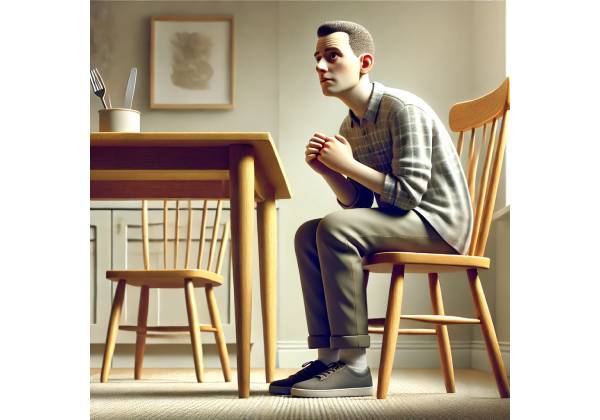
Basophobia is commonly used to describe an intense fear of falling, standing, or walking, especially when balance feels uncertain. For some people, the fear begins after a real fall. For others, it grows gradually after illness, dizziness, weakness, stroke, or repeated near-falls. What makes basophobia clinically important is not ordinary caution. It is the way fear starts to take control of movement, confidence, and daily life.
The term is not always used in a perfectly uniform way. Some writers connect it to fear of walking, while others use it more broadly for fear of falling or being upright without support. In clinical practice, the most useful approach is to look at the pattern itself: how strong the fear is, what triggers it, whether there is true physical fall risk, and how much mobility and independence are being restricted.
Table of Contents
- What Basophobia Usually Means
- Symptoms and Common Triggers
- Causes and Risk Factors
- How Diagnosis Is Made
- Daily Impact and Complications
- Treatment Options That Help
- Management and When to Seek Help
What Basophobia Usually Means
Basophobia usually refers to a strong fear of falling or a fear of standing and walking because falling feels likely, dangerous, or impossible to cope with. The fear may be linked to real physical vulnerability, but it can also become larger than the actual danger. That is why basophobia often sits at the meeting point between physical health and anxiety. A person may have a genuine balance problem, yet the fear that develops around it can become severe enough to restrict life even more than the original problem.
This is also why the term can be confusing. In some articles, basophobia is treated as a fear of falling. In others, closely related terms such as ambulophobia or ptophobia are used for fear of walking or fear of standing after falls. The exact label matters less than the clinical pattern. The central problem is that movement, upright posture, or unsupported walking begins to feel threatening, and the person starts to avoid it.
Common examples include fear of:
- walking without holding onto furniture
- using stairs or uneven ground
- crossing open spaces without support
- standing up quickly
- walking outdoors alone
- moving in crowded or unfamiliar places
- leaving home because a fall might happen
Many people with basophobia are older adults, but the pattern is not limited to old age. It can appear after stroke, surgery, vestibular problems, chronic pain, neuropathy, Parkinsonian symptoms, prolonged bed rest, or any experience that weakens trust in balance and mobility. In some cases, the fear becomes so strong that the person moves stiffly, takes very short steps, grabs constantly for support, or refuses to walk unless another person is present.
A useful distinction is the difference between caution and phobic fear. Caution helps people stay safe. It responds to real hazards and adjusts sensibly to context. Basophobia goes further. The body reacts with anxiety, the mind expects disaster, and the person begins avoiding movement even when appropriate support or rehabilitation is available. In that sense, the fear becomes part of the disability.
This fear can create a vicious cycle. The less a person walks, the weaker and less confident they often become. That reduced confidence then seems to confirm the fear. Over time, the person may stop trusting their legs, their balance, or their ability to recover from a wobble. Understanding basophobia clearly is important because treatment usually needs to address both sides of the problem: real fall risk and the fear response built around it.
Symptoms and Common Triggers
Basophobia often shows up through a mix of physical anxiety symptoms, fearful thoughts, and obvious changes in walking behavior. Some people describe a sudden surge of fear when they stand up. Others feel the fear build before they even move, especially if they know they will need to cross a room, use stairs, walk outside, or manage without a wall, rail, or companion nearby.
Common emotional and physical symptoms include:
- intense anxiety before or during walking
- rapid heartbeat
- sweating
- trembling
- dizziness
- shortness of breath
- muscle tightness
- nausea
- a frozen or panicked feeling when stepping forward
The mental symptoms often revolve around anticipated harm. A person may think:
- “I am going to fall.”
- “If I lose my balance, I will not recover.”
- “My legs cannot be trusted.”
- “If I fall here, no one will help me.”
- “It is safer not to move.”
These thoughts can become automatic, especially after a past fall or near-fall. Even when the environment is objectively safe, the body may react as if danger is immediate. In some people, the fear is strongest in open areas without visible support, such as hallways, shopping centers, or sidewalks. In others, the problem is more specific to stairs, bathrooms, unfamiliar surfaces, or crowded places.
Behavioral changes are often the most revealing. A person may:
- avoid walking unless someone is present
- hold onto walls, furniture, or another person constantly
- refuse to use stairs
- walk with unusually short, cautious steps
- stop leaving the house
- sit for long periods to avoid movement
- decline rehabilitation exercises because the exercises feel unsafe
There may also be safety behaviors that seem protective but quietly reinforce the fear. Examples include carrying a chair from room to room, refusing to take even a few supported steps, overusing a walking aid beyond actual need, or insisting on constant physical assistance even when therapy suggests some independence is possible. These behaviors are understandable, but when they become fixed, they can prevent recovery.
Triggers often include:
- a previous fall
- a near-fall that felt humiliating or frightening
- weakness after illness or hospitalization
- dizziness or vertigo
- changes in vision
- pain
- fatigue
- unfamiliar flooring, poor lighting, or cluttered spaces
A key warning sign is whether the fear is growing faster than the physical problem itself. If walking becomes increasingly restricted, confidence keeps dropping, and fear appears even in controlled or supported settings, basophobia may be taking hold as more than a reasonable concern. At that point, the fear is no longer just a reaction to risk. It has become part of the condition that needs treatment.
Causes and Risk Factors
Basophobia usually develops through a combination of experience, physical vulnerability, and learned fear. For many people, the starting point is easy to identify: they fell, nearly fell, or felt suddenly unstable. The event may have lasted only seconds, but the brain stores it as a strong warning. After that, walking no longer feels automatic. It feels dangerous.
One of the most common pathways begins after an actual fall. The person may recover physically, yet emotionally they remain on alert. A slip in the bathroom, a stumble on stairs, or a fall outdoors can change how the body and mind interpret movement. The next time the person stands or walks, anxiety appears. If they avoid walking and immediately feel safer, the brain learns that avoidance “worked,” which strengthens the fear.
Physical conditions can also increase risk. These include:
- impaired balance
- lower limb weakness
- stroke
- vestibular disorders
- neuropathy
- arthritis and pain
- poor vision
- Parkinsonian movement problems
- use of walking aids
- frailty after illness or hospitalization
These factors matter because basophobia is not always purely psychological. Sometimes the fear starts as a realistic response to altered mobility. The problem becomes more complex when the emotional response grows large enough to worsen movement, increase stiffness, reduce activity, and erode confidence.
Several psychological and social factors raise risk as well:
- previous falls or repeated near-falls
- anxiety
- depression
- living alone
- low confidence in balance
- social isolation
- fear of embarrassment if a fall happens in public
- catastrophizing, which means assuming the worst possible outcome
Older adults are affected more often because fall risk, frailty, medication burden, and balance problems become more common with age. But younger adults can also develop basophobia after injury, surgery, concussion, panic attacks while standing, or functional neurological symptoms. In some cases, the person’s gait becomes extremely cautious not only because they are weak, but because they are frightened.
Environmental factors can contribute too. Poor lighting, loose rugs, clutter, slippery bathrooms, uneven pavements, and lack of handrails can make a vulnerable person feel even less safe. When the home or neighborhood seems full of hazards, fear can spread quickly.
A further complication is deconditioning. Once a person starts moving less, strength, coordination, and endurance often decline. This can make walking genuinely harder, which then appears to prove the original fear correct. The cycle becomes self-reinforcing:
- a frightening balance event occurs
- fear increases
- walking is reduced
- strength and confidence fall further
- walking feels even less safe
This is why basophobia can become surprisingly persistent. It is not only a memory of danger. It becomes a living pattern maintained by fear, avoidance, and physical decline. Effective treatment has to interrupt that cycle rather than addressing only one part of it.
How Diagnosis Is Made
Basophobia is diagnosed clinically, not through a single test. In practice, the assessment needs to answer two separate questions at the same time. First, is there a real physical problem increasing fall risk? Second, has fear become excessive enough to cause avoidance and disability beyond the physical findings? Good diagnosis depends on handling both questions carefully.
A clinician will usually ask about:
- past falls or near-falls
- when the fear started
- which situations trigger it
- whether the person avoids walking or standing
- what symptoms appear during movement
- how much assistance is needed
- how daily activities have changed
The medical and functional evaluation is important because dizziness, weakness, neuropathy, stroke, arthritis, medication effects, visual impairment, and vestibular disorders can all contribute. A person who says, “I am terrified of walking,” may actually have untreated orthostatic dizziness, poor balance after a stroke, or marked weakness after hospitalization. Those issues must be identified rather than dismissed as anxiety.
Clinicians often assess gait, balance, strength, and mobility directly. They may watch the person stand, turn, walk, and transfer from chair to standing. They may also use structured tools that measure concerns about falling and walking confidence. These instruments help show whether fear is high even when physical performance is relatively preserved, or whether fear and physical instability are both present.
At the same time, the psychological assessment matters. The clinician asks what the person expects to happen when walking. Do they fear a minor wobble, a serious injury, humiliation, helplessness, or losing independence completely? Do they avoid movement even in supported settings such as therapy gyms or supervised hallways? Have panic symptoms appeared? Are depression or generalized anxiety also present?
In some cases, basophobia may fit within a broader fear-of-falling syndrome. In others, it may resemble a specific phobic pattern, especially when the fear is strong, persistent, and disproportionate to the current level of objective risk. The diagnosis may also overlap with rehabilitation medicine, geriatrics, neurology, or psychiatry depending on the underlying cause.
A good diagnostic process often includes:
- review of falls history and medical conditions
- gait and balance assessment
- medication review
- evaluation of home and environmental hazards
- screening for anxiety, depression, and avoidance
- measurement of confidence and concerns about falling
The aim is not simply to attach a label. It is to identify the exact mix of fall risk, mobility problems, and fear behavior. That distinction matters because treatment differs depending on what is driving the restriction. A person with severe fear but mild physical impairment needs a different emphasis than someone with major neurological instability and only moderate anxiety. Basophobia is best understood when both body and mind are assessed together.
Daily Impact and Complications
Basophobia can alter a person’s life far beyond walking itself. Because standing, walking, bathing, cooking, shopping, attending appointments, and leaving home all depend on basic mobility, fear in this area can affect independence very quickly. What begins as hesitation can become major restriction if the fear is allowed to grow.
A common pattern is that the person first avoids one difficult situation, such as stairs or outdoor walking. Then the circle of safety gets smaller. They stop going out alone. They avoid showers unless someone is nearby. They choose chairs carefully so they will not need to stand up often. Eventually even moving around the home may begin to feel stressful.
Common daily effects include:
- reduced confidence in standing and walking
- dependence on family or caregivers
- missed medical appointments
- less exercise and lower endurance
- social withdrawal
- lower participation in household tasks
- loss of independence in bathing, shopping, and errands
This loss of mobility can create serious secondary problems. Physical inactivity can lead to further weakness, worse balance, joint stiffness, constipation, poor sleep, and reduced cardiovascular fitness. In older adults, prolonged immobility can accelerate frailty. In people recovering from stroke or surgery, it can slow rehabilitation and reduce the chance of regaining prior function.
The emotional burden is often heavy as well. Many people feel embarrassed by their fear, especially if others tell them they are “just being cautious” or “need more confidence.” They may feel ashamed needing assistance for short walks or ordinary outings. Some begin to feel that their world is shrinking around them.
Complications can include:
- deconditioning and muscle loss
- greater real fall risk due to reduced strength and stiff gait
- depression
- loneliness
- increased caregiver strain
- overreliance on walking aids or physical support
- reluctance to participate in rehabilitation
There is an important paradox here. Basophobia develops because falling is feared, yet the resulting inactivity and hypercautious gait can sometimes increase fall risk instead of lowering it. A person who walks with extreme stiffness, reduced stride, and constant visual scanning may become less adaptable to normal balance challenges. Avoidance can protect in the short term but undermine safety in the long term.
Family members are deeply affected too. Outings take more planning. Reassurance may be needed many times a day. Loved ones may feel torn between wanting to protect the person and knowing that overprotection can worsen dependence. This tension is common in recovery.
A useful way to judge severity is to ask whether life is becoming smaller. If fear of falling is reducing activity more than actual physical limits require, the condition deserves active treatment. Basophobia is not a minor personality quirk or simple nervousness. When it is persistent, it can reduce confidence, function, mood, and health all at once. The longer it continues, the more difficult the cycle can become, which is why early recognition matters.
Treatment Options That Help
Treatment for basophobia works best when it addresses both fall risk and fear. Focusing only on the body is often not enough, because fear can remain even after strength or balance improve. Focusing only on anxiety is also not enough if the person has real mobility problems that need rehabilitation. The most effective plans are usually combined and individualized.
A treatment plan may include:
- physical therapy to improve strength, gait, transfers, and balance
- supervised walking practice
- environmental changes to reduce true hazards
- review of medications that may worsen dizziness or falls
- cognitive behavioral therapy for catastrophic fear
- graded exposure to standing and walking situations
- treatment of depression or generalized anxiety when present
Physical therapy is often central. Many people with basophobia benefit from repeated, supported practice that helps the nervous system relearn safe movement. Therapy may focus on weight shifting, sit-to-stand transitions, turning, stepping, stair negotiation, and walking on different surfaces. These tasks are not only physical exercises. They are also confidence-building experiences.
Cognitive behavioral approaches can be equally important, especially when fear has become intense. Therapy helps the person identify predictions such as “I will definitely fall,” “I cannot recover from a wobble,” or “If I walk without someone touching me, something terrible will happen.” These beliefs are then tested through structured practice. The goal is not false reassurance. It is accurate learning.
Graded exposure is often the bridge between physical and psychological treatment. A simple sequence might look like this:
- stand with support for a set period
- take a few steps with supervision
- repeat the same route until distress falls
- add a slightly more challenging task such as turning or walking farther
- reduce unnecessary reassurance or support gradually
For some people, group exercise or fall-prevention classes are helpful because they combine movement, confidence building, and social support. Balance-oriented programs, strength training, and carefully selected home exercises can reduce fear when practiced consistently.
Treatment may also involve practical measures such as:
- better lighting
- removal of loose rugs and clutter
- bathroom grab bars
- appropriate footwear
- vision correction
- hearing review if needed
- safer walking aids fitted correctly
Medication is not a primary treatment for basophobia itself, but it may play a role if depression, panic, or severe anxiety is making progress difficult. At the same time, some medications can worsen falls risk, so medication review is important rather than automatic prescribing.
The most important principle is that treatment should rebuild trust in movement. That trust usually returns step by step, not all at once. Improvement is often measured by function: walking to the bathroom independently, leaving the house again, standing without panic, or rejoining rehabilitation. Success does not mean never feeling cautious. It means that caution no longer rules mobility, confidence, and daily life.
Management and When to Seek Help
Managing basophobia day to day means reducing unnecessary fear while still respecting genuine safety needs. The goal is not to force movement recklessly or dismiss the fear as imaginary. It is to build safe, repeated experiences that restore confidence and prevent further decline.
Helpful self-management strategies include:
- following a regular walking or exercise plan recommended by a clinician
- practicing in a consistent, low-risk environment
- keeping commonly used pathways clear and well lit
- using aids correctly rather than excessively
- getting up and moving at regular intervals instead of sitting for long periods
- tracking specific triggers and noticing whether fear is spreading
- celebrating functional gains, even small ones
A graded approach is often more effective than vague encouragement. For example:
- stand beside a stable surface for one minute
- repeat this several times a day
- walk a short, familiar indoor route
- add distance or a turn once that feels more manageable
- progress to a slightly less supported setting
- repeat until confidence improves
It also helps to separate useful support from fear-maintaining support. A grab bar in the shower may be appropriate. Requiring another person to physically hold on during every step, even when therapy indicates it is no longer needed, may keep the fear alive. The same principle applies to constant reassurance. Temporary reassurance can calm anxiety, but repeated reassurance can prevent genuine confidence from growing.
Family members and caregivers can help by:
- encouraging practice without shaming
- avoiding arguments about whether the fear is “real”
- following the therapist’s plan rather than improvising constant rescue
- noticing and praising effort, not only perfect success
- helping maintain a safe environment without promoting total avoidance
Professional help should be sought when:
- fear is limiting walking more than physical ability alone would explain
- mobility is shrinking from week to week
- a person is skipping rehabilitation because of panic or dread
- confidence has not returned after a fall or illness
- depression, anxiety, or isolation are increasing
- family members are carrying a heavy support burden
Urgent assessment is especially important if there are repeated falls, sudden changes in gait, new weakness, fainting, vertigo, chest symptoms, or neurological changes. These may point to medical problems that need prompt evaluation, not only fear management.
The outlook is often better than people expect, especially when the condition is recognized early. Many improve with combined physical rehabilitation, fear reduction, and environmental support. Even after months of avoidance, progress can happen. Basophobia does not have to define the rest of a person’s mobility. With the right plan, people often regain steadier movement, greater confidence, and a wider world than fear once allowed.
References
- Ambulophobia as a Specific Phobia—Defining the Problem Among Patients of Long-Term Care Facilities in Poland 2022 (Open Review)
- The global prevalence of and risk factors for fear of falling among older adults: a systematic review and meta-analysis 2024 (Systematic Review)
- A systematic review and meta-analysis of the measurement properties of concerns-about-falling instruments in older people and people at increased risk of falls 2023 (Systematic Review)
- Physical-activity interventions to reduce fear of falling in frail and pre-frail older adults: a systematic review of randomized controlled trials 2024 (Systematic Review)
- Specific Phobia – StatPearls – NCBI Bookshelf 2024 (Review)
Disclaimer
This article is for educational purposes only and is not a substitute for medical advice, diagnosis, or treatment. Basophobia can overlap with real balance problems, neurological disease, medication effects, anxiety disorders, depression, and other conditions that need proper assessment. A qualified clinician can evaluate both fall risk and fear, then recommend the safest treatment plan. Seek urgent medical care right away if fear is accompanied by sudden weakness, fainting, new dizziness, chest symptoms, or other signs of a medical emergency.
If this article was helpful, please share it on Facebook, X, or another platform that is useful for your audience.