Vitamin D is often treated as a bone-health nutrient, but that description is too narrow. It also behaves like a hormone, influences immune signaling, and affects tissues throughout the nervous system. That is why it keeps appearing in conversations about mood, brain fog, sleep quality, cognitive aging, and emotional resilience. At the same time, vitamin D is easy to oversell. Low levels are common, but not every low mood or concentration problem is caused by deficiency, and supplements do not act like a fast nootropic.
The more useful question is whether vitamin D is filling a genuine gap. For some people, especially those with limited sun exposure, darker skin, older age, or confirmed low blood levels, the answer may be yes. For others, benefits are less obvious.
This guide explains how vitamin D works in the brain, where the evidence is strongest, who is most likely to benefit, how to dose it sensibly, and what safety limits matter.
Table of Contents
- How vitamin D supports the brain
- Mood, depression, and sleep signals
- Cognition, aging, and mental sharpness
- Who may benefit most
- Dosage, testing, and supplement forms
- Safety, side effects, and interactions
How vitamin D supports the brain
Vitamin D matters to brain health because it is not just a vitamin in the ordinary sense. Once it is activated in the body, it behaves more like a hormone. The form measured in blood is 25-hydroxyvitamin D, often written as 25(OH)D. That is converted into the active form, calcitriol, which can bind to vitamin D receptors in many tissues, including parts of the brain.
Those receptors are one reason vitamin D attracts so much attention in mental health and neurology. Researchers have found vitamin D signaling in areas involved in mood regulation, memory, stress response, and executive function. It appears to influence several processes that matter for a healthy brain:
- regulation of immune and inflammatory signaling
- support for neuronal growth and differentiation
- calcium balance within nerve cells
- antioxidant defenses
- neurotrophic factors involved in plasticity and repair
- gene expression linked to brain development and function
That does not mean vitamin D is a direct “brain booster.” Its role is more foundational. It helps create the conditions in which brain cells can function normally, respond to stress, and maintain structural integrity over time. A deficiency may not always cause dramatic symptoms, but it can weaken a system that is already under pressure from poor sleep, chronic stress, illness, or aging.
Vitamin D is also connected to inflammation, and that is especially relevant for mental wellness. Chronic inflammatory signaling has been linked with depressive symptoms, fatigue, and slower thinking in at least some people. Vitamin D seems to help regulate immune responses rather than simply pushing them up or down. That makes it plausible as part of a broader brain-health strategy, especially in people with low levels to begin with. This is one reason it often appears in discussions of inflammation and depression.
Still, biology is not the same as clinical benefit. The fact that vitamin D receptors exist in the brain does not prove that everyone will think more clearly or feel emotionally better after taking a supplement. The best evidence supports a narrower claim: vitamin D is necessary for healthy overall function, and correcting low levels may help some people feel and function better, especially when deficiency is part of the problem.
It is also worth remembering that vitamin D status is shaped by more than supplements. Sun exposure, skin pigmentation, age, body weight, diet, season, latitude, kidney function, and certain medications all influence levels. That is why two people taking the same dose can end up in very different places.
The practical takeaway is simple. Vitamin D is best understood as a background nutrient with brain relevance, not as a quick mental performance hack. When levels are low, bringing them back into a healthy range can be meaningful. When levels are already adequate, the benefits of adding more are much less certain.
Mood, depression, and sleep signals
The strongest mental wellness interest in vitamin D centers on mood, especially depression. This is partly because low vitamin D levels are common in people with depressive symptoms, and partly because vitamin D influences inflammation, circadian rhythms, and neurotransmitter-related pathways that may affect emotional regulation. But the research is not as neat as supplement marketing often suggests.
The most balanced reading of the evidence is this: low vitamin D status is associated with a higher burden of depressive symptoms, and supplementation may help some people, especially when levels are low at baseline. The effect tends to look more convincing in people with deficiency or insufficiency than in people whose vitamin D status is already adequate. That pattern matters because it suggests vitamin D works best as a correction strategy, not as a universal antidepressant.
For mood, vitamin D seems most relevant in situations like these:
- depressive symptoms accompanied by fatigue, low energy, or indoor living
- wintertime mood decline
- older adults with low vitamin D levels
- people with obesity or low sun exposure
- people whose low mood overlaps with poor sleep and general physical depletion
The picture becomes weaker when vitamin D is used in people with normal levels who are hoping for a major emotional lift. In those cases, the results are mixed and often modest. That is one reason vitamin D should not be framed as a stand-alone treatment for depression. Ongoing low mood, hopelessness, major changes in appetite or sleep, suicidal thinking, or loss of pleasure deserve proper evaluation. Supplements may support a plan, but they should not delay it. For that broader context, it helps to understand the common patterns behind depression symptoms and coping.
Sleep is another area where vitamin D comes up more often than people expect. The connection is not as famous as melatonin, but it is plausible. Vitamin D receptors are found in brain regions tied to sleep regulation, and low vitamin D status has been linked in some studies with poorer sleep quality, shorter sleep duration, and more fragmented sleep. Intervention research suggests supplementation may improve sleep quality in some groups, though the evidence is not strong enough to treat vitamin D as a front-line sleep aid.
That distinction matters. If someone is severely sleep deprived because of late caffeine, doomscrolling, untreated sleep apnea, or a chaotic schedule, vitamin D is unlikely to be the main fix. But if sleep quality is poor in the setting of low vitamin D, correcting the deficiency may help restore a steadier baseline.
In practice, vitamin D is best positioned as an adjunct for mood and sleep, not a primary treatment. Its role is to remove one biologic obstacle, not to override all the others. Used that way, it can be useful. Used as a cure-all, it usually disappoints.
Cognition, aging, and mental sharpness
Vitamin D is often mentioned in discussions of memory, focus, and age-related cognitive decline, but this is where precision matters most. The evidence linking low vitamin D status with worse cognition is stronger than the evidence showing that supplements reliably improve cognition in everyone.
Observational studies have repeatedly found that lower vitamin D levels are associated with poorer cognitive performance, greater risk of cognitive impairment, and in some studies a higher risk of dementia. These associations are especially common in older adults. That does not prove cause and effect, but it does suggest vitamin D status is one marker worth paying attention to when the goal is healthy brain aging.
Intervention trials tell a more cautious story. In people who are cognitively healthy and not clearly deficient, vitamin D supplementation has not consistently improved memory, attention, or executive function. In other words, vitamin D does not behave like a classic focus enhancer. It is unlikely to make a healthy, well-rested adult suddenly sharper or more productive.
Where the signal looks more promising is in older adults, people with low baseline levels, and some groups with mild cognitive vulnerability. Even there, the improvements are not dramatic, and the evidence remains mixed. A sensible conclusion is that vitamin D may support cognitive resilience when it corrects an underlying insufficiency, but it should not be sold as a guaranteed defense against dementia or a shortcut to better concentration.
This distinction is useful in real life. When someone says they feel mentally slower, more forgetful, or less sharp than usual, vitamin D is one possible contributor, but it is rarely the only one. Sleep debt, chronic stress, depression, thyroid problems, low B12, iron deficiency, medication effects, and blood sugar swings are also common reasons people feel cognitively off. That is why a symptom such as forgetfulness should be approached as a broader health question, not simply a supplement opportunity. A practical companion topic is why you may feel more forgetful lately.
Vitamin D may also matter across the lifespan in subtler ways. During development, it appears to be involved in neuronal differentiation and brain maturation. In later adulthood, it may help maintain a healthier inflammatory and neurochemical environment. Those are long-horizon effects, not immediate changes you feel after a capsule.
A good way to frame vitamin D for cognition is as maintenance rather than stimulation. It may help preserve function when levels are low, particularly in older adults or people with multiple risk factors. It is far less convincing as a nootropic for younger adults with adequate levels and no clear deficiency risk.
That sober framing actually makes vitamin D more useful. It keeps expectations aligned with what the data support and prevents people from overlooking more likely causes of brain fog, reduced attention, or age-related cognitive concerns.
Who may benefit most
Vitamin D supplementation makes the most sense when there is a plausible reason a person is not getting enough from sunlight, food, or physiology. That is common. Vitamin D is found naturally in relatively few foods, and modern life often limits the one source people assume is easiest: sun exposure.
People at higher risk of low vitamin D include:
- adults who spend most of the day indoors
- people who live at higher latitudes or go through long winters
- those with darker skin, because more melanin reduces vitamin D production from sunlight
- older adults, whose skin makes vitamin D less efficiently
- people with obesity
- those with malabsorption conditions, such as celiac disease or inflammatory bowel disease
- people who have had bariatric surgery
- people taking certain medications, including some anticonvulsants and steroids
In those groups, vitamin D is more likely to be addressing a real physiologic gap. That is different from using it as a general wellness supplement without any clear need.
Diet matters too, though food alone is often not enough for people with low levels. Better food sources include:
- salmon, trout, sardines, and other fatty fish
- cod liver oil
- egg yolks
- fortified milk, yogurt, and plant milks
- fortified cereals
- UV-exposed mushrooms, which provide vitamin D2
A food-first strategy is still worthwhile, especially when it fits into a broader pattern of brain-supportive nutrition. A supplement tends to work best when it reinforces a solid baseline rather than compensating for an otherwise chaotic pattern of eating, sleeping, and stress management. For many people, the bigger gains come from building a nutrient-dense routine centered on brain-supportive foods, then using targeted supplements where they truly add value.
A supplement may be especially reasonable when someone has a confirmed low 25(OH)D level, limited sun exposure, and symptoms that plausibly overlap with low vitamin D status, such as low energy, poor mood, muscle weakness, or reduced resilience during winter months. It may also be reasonable in older adults who want to maintain adequate levels as part of a larger healthy aging plan.
By contrast, people who already have adequate vitamin D status and no obvious risk factors may not notice much from adding a supplement beyond routine maintenance. That does not make supplementation wrong, but it does change the expected return.
The most useful mindset is practical rather than promotional. Vitamin D is not for everyone in the same way or for the same reason. It is most valuable when it is correcting a gap, covering a risk, or supporting a known need. Once you know which of those applies to you, the next step becomes much clearer.
Dosage, testing, and supplement forms
Vitamin D dosing gets confusing quickly because labels, guidelines, and lab targets are not always talking about the same thing. A sensible starting point is to separate routine intake from correction of deficiency.
For general healthy adults, common intake recommendations are:
- 600 IU daily for most adults up to age 70
- 800 IU daily for adults over 70
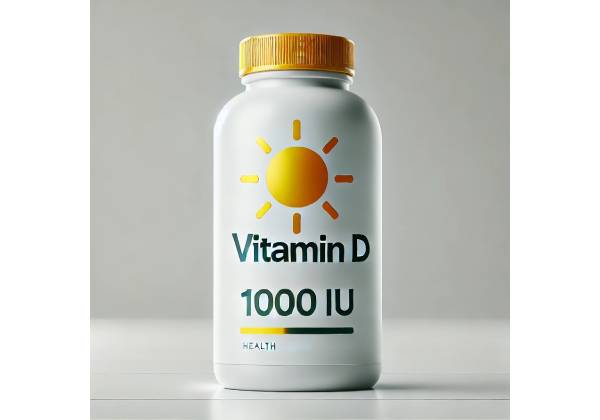
These are baseline intake targets, not treatment doses. Many over-the-counter supplements provide 1,000 to 2,000 IU daily, which is a common maintenance range used in real life, especially for people with low sun exposure. That can be reasonable, but it is still worth matching the dose to the person rather than assuming more is better.
A simple approach for routine supplementation is:
- Consider your risk factors, such as indoor living, winter season, darker skin, older age, or obesity.
- Use a modest daily dose rather than sporadic megadoses unless you are following medical advice.
- Take vitamin D with a meal that contains some fat to support absorption.
- Reassess if symptoms persist or if a clinician recommends blood testing.
The best lab test is serum 25-hydroxyvitamin D, not the active hormone form. For most healthy adults, a blood level of 20 ng/mL or higher is generally considered adequate, while levels below 12 ng/mL are associated with deficiency. The zone between those values can be more nuanced, and different clinicians use slightly different cutoffs, but those numbers are a practical anchor.
Routine testing is not necessary for every healthy person. It makes more sense when there are symptoms, risk factors, or conditions that make deficiency more likely. It can also be useful when other nutrient problems are in the picture, since fatigue, low mood, and mental slowing can overlap with issues such as low vitamin B12 and brain symptoms.
As for forms, the two main supplemental types are:
- Vitamin D3, also called cholecalciferol
- Vitamin D2, also called ergocalciferol
Both can raise vitamin D levels, but D3 is more commonly used and often preferred for routine supplementation. It tends to produce a more reliable increase in blood levels in many people.
For confirmed deficiency, clinicians often use higher doses than typical over-the-counter maintenance plans. That can include short-term repletion strategies followed by lower maintenance dosing. Because those regimens vary by severity, body size, absorption, and medical history, they are best individualized rather than copied from a generic article.
Vitamin D works best when it is boringly consistent. A moderate, well-matched daily plan is usually more useful than heroic dosing that creates uncertainty or overshoots the mark.
Safety, side effects, and interactions
Vitamin D is generally safe at routine doses, but safety matters more here than many people assume. Unlike water-soluble vitamins, vitamin D can accumulate, and excessive supplemental intake can cause real harm. The main risk is not from normal food intake or ordinary sunlight. It is from taking too much supplemental vitamin D for too long.
For most adults, the tolerable upper intake level is 4,000 IU per day unless a clinician advises otherwise. Some people are prescribed higher doses for a limited period to correct deficiency, but that is different from self-prescribing large amounts indefinitely.
Too much vitamin D can lead to high calcium levels, known as hypercalcemia. Symptoms can include:
- nausea and vomiting
- constipation
- weakness
- confusion
- excessive thirst
- frequent urination
- kidney stones
- in severe cases, kidney damage or heart rhythm problems
These problems usually come from chronic excessive supplementation, not from a standard multivitamin or a normal maintenance dose. Even so, vitamin D is a good example of why “natural” does not mean harmless.
Some people need extra caution. That includes those with:
- kidney disease
- primary hyperparathyroidism
- granulomatous conditions such as sarcoidosis
- a history of kidney stones
- high blood calcium levels
- medical conditions that alter vitamin D metabolism
Medication interactions also matter. Vitamin D levels can be affected by or interact with:
- glucocorticoids
- some anticonvulsants
- weight-loss drugs such as orlistat
- bile acid sequestrants that reduce fat absorption
- thiazide diuretics, which can increase the risk of high calcium when combined with high vitamin D intake
Calcium deserves a brief mention too. Many products pair calcium and vitamin D, and sometimes that is appropriate. But more is not automatically better. Combining high-dose vitamin D with extra calcium can increase the risk of hypercalcemia in some people, and in certain settings may raise kidney stone risk.
There is also a mental health safety point that is easy to miss: vitamin D is supportive, not substitutive. It should not be used to self-treat persistent depression, cognitive decline, or severe fatigue without looking for a fuller explanation. A supplement can correct one piece of the puzzle, but it cannot replace diagnosis.
In practical terms, vitamin D safety comes down to a few simple rules: match the dose to the need, use testing when appropriate, avoid prolonged high-dose self-experimentation, and treat new symptoms seriously. Used that way, vitamin D is one of the more straightforward supplements in brain and mental wellness. Used casually at very high doses, it can create a problem it was supposed to solve.
References
- Vitamin D – Health Professional Fact Sheet 2025 (Official Fact Sheet)
- Vitamin D for the Prevention of Disease: An Endocrine Society Clinical Practice Guideline 2024 (Guideline)
- Effect of vitamin D supplementation on the incidence and prognosis of depression: An updated meta-analysis based on randomized controlled trials 2022 (Systematic Review and Meta-Analysis)
- Effects of Vitamin D Supplementation on Cognitive Outcomes: A Systematic Review and Meta-Analysis 2024 (Systematic Review and Meta-Analysis)
- Vitamin D Supplementation and Sleep: A Systematic Review and Meta-Analysis of Intervention Studies 2022 (Systematic Review and Meta-Analysis)
Disclaimer
This article is for educational purposes only and is not medical advice, diagnosis, or treatment. Vitamin D supplements can interact with medications, alter calcium balance, and may be inappropriate at higher doses for people with kidney disease, stone risk, or other medical conditions. Speak with a qualified clinician before using vitamin D to address low mood, sleep problems, brain fog, or suspected deficiency, especially if you take prescription medicines or plan to use doses above standard maintenance ranges.
If this article was helpful, please share it on Facebook, X, or any platform you prefer.