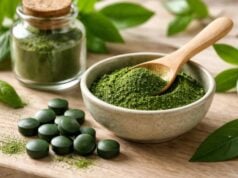
Chaparral, also known as creosote bush (Larrea tridentata), is a resin-coated desert shrub best recognized for its sharp, “rain-in-the-desert” scent and a long history of traditional use in the American Southwest and northern Mexico. Herbal preparations have been used topically for irritated skin and minor microbial concerns, and historically taken as teas or tinctures for a wide range of complaints. Modern interest mostly centers on its potent antioxidant chemistry, especially a lignan called nordihydroguaiaretic acid (NDGA), plus other plant polyphenols that may influence inflammatory pathways.
At the same time, chaparral is one of the more controversial herbs in North American commerce because oral use has been linked to serious liver injury in some cases. That tension defines responsible decision-making here: the plant has intriguing bioactive compounds, but it does not have strong human evidence for most claimed benefits, and safety concerns deserve to lead the conversation. This guide focuses on what chaparral is, what is in it, realistic uses, dosing considerations, and how to reduce risk.
Essential Insights
- Topical use may support minor skin comfort through antioxidant and soothing activity.
- Oral chaparral has been linked to severe liver injury; do not use as a “cleanse” or long-term tonic.
- If used at all, favor topical application 1–3 times daily; oral dosing should be clinician-directed and short-term.
- Avoid if pregnant or breastfeeding, if you have liver or kidney disease, or if you take medications that strain the liver.
Table of Contents
- What is chaparral?
- Key compounds and actions
- Benefits and realistic uses
- Best ways to use chaparral
- How much chaparral per day?
- Side effects and interactions
- What research says
What is chaparral?
Chaparral is the common herbal name for preparations made from Larrea tridentata, a hardy evergreen shrub that thrives in arid regions. The leaves are small, waxy, and coated in resin to prevent water loss. That resin is not just a survival adaptation; it is a chemical “shield” rich in polyphenols that help the plant tolerate sun, heat, and oxidative stress. Those same compounds are part of why chaparral became valued in traditional practice.
You may also see chaparral labeled as “creosote bush,” “greasewood,” or Spanish names such as hediondilla. One common point of confusion: the plant called chaparral is not the same thing as the chaparral ecosystem found in Mediterranean-type climates. In supplements, “chaparral” almost always refers to Larrea tridentata (or closely related Larrea species), and product labeling is not always as precise as it should be.
Traditionally, chaparral was used in several forms:
- Topical washes and poultices for skin discomfort, minor sores, and localized irritation
- Teas and tinctures for complaints ranging from respiratory symptoms to digestive upset
- Salves and oils for dry, inflamed, or problem-prone skin areas
Modern marketing sometimes stretches these historical uses into broad promises such as “blood purification,” “detox,” or immune “boosting.” Those claims can sound reassuring, but they often imply regular oral use, which is where chaparral’s risk profile becomes most important. A responsible approach starts with a clear distinction: topical use is typically the lower-risk route, while oral use has the strongest safety warnings.
If you are considering chaparral, treat it less like a daily wellness herb and more like a high-potency botanical that requires careful boundaries: short duration, conservative dosing, and extra caution with liver health.
Key compounds and actions
Chaparral’s chemistry is dominated by polyphenols, with NDGA (nordihydroguaiaretic acid) as the best-known constituent. NDGA is a lignan that functions as a powerful antioxidant in laboratory settings. In plain terms, antioxidants can neutralize reactive molecules that contribute to oxidative stress, and that oxidative stress is often intertwined with inflammatory signaling. This is one reason chaparral became associated with “anti-inflammatory” and “protective” language.
Alongside NDGA, chaparral contains additional phenolic compounds (including various flavonoids and related polyphenols). You do not need to memorize their names to make practical decisions, but it helps to understand the pattern: many of these compounds can influence enzyme systems that regulate inflammation and cellular stress responses.
Key actions often discussed for chaparral include:
- Antioxidant activity: NDGA and related polyphenols can reduce oxidative reactions in cell and animal models.
- Inflammation-pathway modulation: NDGA is associated with effects on lipoxygenase and related pathways that shape inflammatory mediator production.
- Antimicrobial potential (lab-based): Extracts have shown activity against certain microbes in vitro, which helps explain traditional topical use.
- Astringent and resin effects: The resinous fraction can feel drying or “tightening” on skin, which some people interpret as helpful for weepy irritation, though it can also be irritating for sensitive users.
This same chemistry is also tied to risk. High-potency polyphenols are not automatically safe simply because they are “natural.” NDGA, in particular, is biologically active enough that it has a long industrial and research history beyond folk medicine. When compounds meaningfully affect cellular pathways, they can produce side effects, interact with medications, or stress detoxification systems in susceptible people.
A useful mental model is this: chaparral is not “strong because it is harsh,” but it is strong because its compounds are reactive and concentrated. That is exactly why topical, limited-area use may feel noticeable, and also why oral, high-dose, or long-duration use is a gamble you should not take lightly.
Benefits and realistic uses
Most of chaparral’s credible, practical uses fall into a narrow lane: topical support for minor skin concerns where antioxidant, soothing, and antimicrobial-adjacent effects could be useful. The strongest “benefit” claims you will see online (cancer cures, internal detox, systemic immune rebuilding) are not supported by strong human evidence and often ignore safety signals.
Where chaparral is most realistically used (and why):
- Occasional skin irritation: The plant’s polyphenols may help calm oxidative stress at the surface level, which can matter when skin feels inflamed or reactive.
- Minor localized microbial concerns: In vitro antimicrobial findings align with traditional use for superficial issues, though this is not the same as treating an infection.
- Itchy, rough, or “stressed” skin patches: Resinous herbs are sometimes used as “barrier-like” botanicals, but sensitivity varies widely.
What chaparral is not a good bet for:
- Systemic inflammation management: If your goal is whole-body inflammation support, better-studied options exist with clearer dosing norms and a more favorable safety profile, such as curcumin (see curcumin dosage and safety guidance).
- Cold, flu, bronchitis, or urinary infections: These are common traditional claims, but self-treating potentially serious conditions with a controversial herb can delay proper care.
- Cancer treatment: Chaparral has a long history of being marketed in this space, but human evidence is limited, and risk can be high if it displaces effective therapy.
A practical way to think about “benefits” is to separate symptom support from disease treatment. Chaparral may help support comfort for minor, localized concerns, especially on skin, but it should not be used as a substitute for diagnosis or treatment of conditions that can worsen quickly.
If antimicrobial support is the main reason you are considering chaparral, it is worth noting there are topical botanicals with more mainstream safety framing. For example, tea tree oil has a long topical-use history (and still needs dilution and patch testing) (see tea tree uses and safety basics). This is not a promise that one is “better” for you, but it highlights an important theme: chaparral’s risk profile often outweighs its uncertain upside for internal goals.
Best ways to use chaparral
If you and a qualified clinician decide chaparral has a place in your routine, the safest framing is usually topical, short-term, and limited-area use. Many problems arise when chaparral is treated like a daily internal supplement rather than a potent botanical with known red flags.
Common forms you will see:
- Topical salves, creams, and oils: Often used for small skin areas. These can vary widely in concentration.
- Dried leaf for tea: Traditional, but oral use is where most serious warnings cluster.
- Alcohol tinctures: Concentration varies by manufacturer and extraction ratio.
- Capsules or tablets: Often the most concerning form because it is easy to take high doses without noticing.
Practical steps for topical use (risk-reduction focused):
- Patch test first. Apply a tiny amount to a small area once daily for 2 days. Stop if you get burning, swelling, or worsening redness.
- Use the smallest effective amount. A thin layer is often enough; more is not better.
- Keep the target area limited. Avoid large body-surface application, especially for prolonged periods.
- Avoid broken skin unless directed by a clinician. Resinous botanicals can sting and may irritate compromised barriers.
- Be careful around eyes and mucous membranes. This is where irritation becomes more likely.
Chaparral is sometimes paired with other soothing topical ingredients. If your goal is primarily barrier support and comfort (rather than antimicrobial activity), you may do well with gentler, more familiar options in your routine, such as aloe preparations (see aloe vera uses and safety notes). That comparison matters because many people reach for chaparral when they really want a soothing, low-irritation topical.
What to avoid:
- Combining chaparral with “black salve” or corrosive escharotic products marketed for skin lesions
- Using chaparral internally for “detox,” “blood cleansing,” or weight loss
- Stacking multiple strong botanicals at once without a clear plan or monitoring
Chaparral is best treated as an occasional, targeted tool. If you cannot clearly answer “what is the smallest, shortest, safest way to try this?” it is usually a sign to choose a different option.
How much chaparral per day?
There is no universally accepted safe oral dosage for chaparral, and that is not a minor technicality. It reflects a real-world problem: reports of severe liver injury have been associated with oral use, and product strength can vary dramatically. For many people, the most responsible “dose” for internal use is simply none unless a clinician with botanical training is guiding you and can monitor for harm.
That said, readers often need practical ranges to interpret labels and avoid accidental overuse. The safest way to provide that is to distinguish topical use (more common and typically lower risk) from oral use (highest concern).
Conservative topical dosing (typical guidance):
- Salve or cream: Apply a thin layer 1–3 times daily to a small area for up to 7–14 days, then reassess.
- Oil-based preparations: Use sparingly once or twice daily, especially if you have sensitive skin.
Oral use (strong caution):
If an experienced clinician recommends a trial, it is usually framed as short duration and low dose, often using a tincture rather than capsules to make dose adjustments easier. A conservative clinician-directed range may look like:
- Tincture: 0.5–1 mL once daily, with a cautious ceiling of 2 mL per day, typically for no more than 7–10 days, and only with clear stop rules.
Why capsules are especially risky:
Capsules can concentrate resin and polyphenols into a format that is easy to “overdo,” especially when users assume herbs are safe at any dose. With chaparral, that assumption can be costly.
Variables that change the effective dose (and risk):
- Extract ratio and solvent (water vs alcohol vs resin-heavy extracts)
- Daily duration and cumulative exposure (weeks matter, not just single doses)
- Alcohol intake and dehydration (both can stress liver function)
- Other supplements and medications processed through the liver
- Pre-existing liver or kidney vulnerability, even if mild
A practical rule: if you choose to use chaparral at all, pick one route (topical or oral, not both), keep the plan short, and set hard stop signs (see safety section).
Side effects and interactions
Chaparral’s safety profile is the most important part of this herb’s story. The main concern is liver injury associated with oral use, including rare but severe cases. Kidney concerns and general intolerance symptoms are also reported. Even if you personally know someone who “did fine,” that does not remove the idiosyncratic nature of the risk: some people appear more vulnerable than others, and product variability complicates the picture.
Potential side effects (more likely with oral use):
- Nausea, stomach upset, loss of appetite
- Fatigue, malaise, feverish feeling
- Skin rash or itching
- Dark urine, pale stools
- Yellowing of skin or eyes (jaundice)
- Right-upper abdominal discomfort
Stop immediately and seek medical care if you notice jaundice, dark urine, severe fatigue, persistent vomiting, or significant abdominal pain. These are not “detox symptoms.” They can be warning signs of liver stress.
Who should avoid chaparral (especially orally):
- Pregnant or breastfeeding individuals
- Anyone with current or past liver disease, hepatitis history, fatty liver disease, or unexplained abnormal liver enzymes
- People with kidney disease
- Children and adolescents
- Anyone using multiple supplements marketed for “detox,” fat loss, or bodybuilding (stacking increases uncertainty)
Interactions and caution zones:
Formal interaction research is limited, but a safety-first approach assumes higher risk when chaparral is combined with:
- Medications known to affect the liver (many prescription drugs can)
- Heavy alcohol intake
- High-dose acetaminophen use
- Other botanicals with hepatotoxicity reports
If you are already focused on liver support, it can be tempting to add more supplements. A better strategy is to simplify and choose well-characterized options with clearer safety guardrails, and to discuss labs and medication review with a clinician. If you want a more general, evidence-informed overview of liver-support herbs, see milk thistle constituents and liver strategies.
Finally, remember that topical products can still irritate skin. Patch testing is not optional with chaparral; it is basic risk management.
What research says
Chaparral is a classic example of a herb with strong laboratory activity and weak clinical certainty. In vitro and animal studies help explain why the plant attracted attention: NDGA and related polyphenols can influence oxidative stress and inflammatory pathways, and extracts have shown antimicrobial activity in controlled lab conditions. That research is useful for hypothesis-building, but it does not automatically translate into safe, effective human outcomes.
Where evidence is most limited:
- Human trials for common claims (arthritis, colds, urinary problems, “immunity,” cancer prevention): these are either absent, small, or not convincing enough to support confident recommendations.
- Standardized dosing: products vary so widely that “a dose” can mean very different exposures to NDGA and resin fractions.
- Long-term safety: this is the opposite of what you want to assume when liver risk has been reported.
What evidence is clearer about:
- Oral safety concerns exist. Clinical reports and expert safety summaries have linked chaparral ingestion to significant liver injury in some users, including severe outcomes.
- Topical use appears lower risk than oral use. Safety advisories typically focus on ingestion and note fewer signals with topical products, though irritation can occur.
- Efficacy is not established for most marketed indications. Even when mechanisms are plausible, the question is whether benefits show up in real people at doses that do not create unacceptable harm.
A grounded takeaway is that chaparral is not a “daily wellness” herb. Its most defensible use is limited, topical, symptom-oriented support, and even that should be approached with patch testing and time limits. If your goal is systemic support (inflammation, metabolic health, immune resilience), the evidence base and safety profile generally point toward other options first.
If you still feel drawn to chaparral, consider treating the decision like you would a medication choice: clarify your goal, define a short trial, avoid stacking, and decide in advance what would make you stop. That mindset is not fear-based. It is simply appropriate for an herb with a complicated risk-benefit balance.
References
- Chaparral – LiverTox – NCBI Bookshelf 2022. ([NCBI][1])
- Herb-induced liver injury: Systematic review and meta-analysis 2021 (Systematic Review). ([PMC][2])
- Phytochemical Compounds and Pharmacological Properties of Larrea tridentata 2022 (Review). ([PMC][3])
- Chaparral | Memorial Sloan Kettering Cancer Center 2021 (Clinical Summary). ([Memorial Sloan Kettering Cancer Center][4])
- Health Canada warns consumers not to take products containing chaparral 2005 (Safety Advisory). ([Canada][5])
Disclaimer
This article is for educational purposes only and does not provide medical advice, diagnosis, or treatment. Chaparral can cause serious harm, including liver injury, particularly when taken orally. Do not use chaparral to treat serious or persistent symptoms, and do not replace prescribed care with herbal products. If you are pregnant or breastfeeding, have liver or kidney disease, take prescription medications, or have abnormal liver tests, avoid chaparral unless a qualified clinician specifically advises otherwise. Stop use and seek urgent medical care if you develop jaundice, dark urine, severe fatigue, persistent vomiting, or significant abdominal pain.
If you found this guide useful, consider sharing it with a friend or community on Facebook, X (formerly Twitter), or your preferred platform so others can make safer, more informed choices.