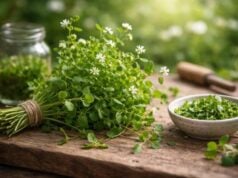
Chives (Allium schoenoprasum) are the quiet achievers of the herb world: mild, oniony, and easy to add to nearly any meal, yet surprisingly nutrient-dense for such a delicate garnish. As a member of the allium family, chives share the broader group’s signature sulfur compounds—responsible for their aroma and many of their “protective plant” properties—while also contributing antioxidants like flavonoids and carotenoids. In everyday wellness terms, people use chives to nudge meals toward higher micronutrient intake, support immune resilience through a more plant-forward pattern, and add flavor without heavy salt or sauces.
Because chives are typically eaten as a food rather than a concentrated supplement, their benefits are best understood as small, steady contributions that add up over time: more herbs, more color, more variety, and more fiber-rich foods overall. They are generally safe, but they can trigger digestive symptoms in sensitive people, and their vitamin K content matters if you use warfarin. This guide explains what chives contain, how they may help, and how to use them intelligently and safely.
Top Highlights for Chives
- Regular use can improve micronutrient density and antioxidant intake with minimal calories.
- Allium sulfur compounds may support heart and immune health as part of a vegetable-rich diet.
- Typical culinary use is 1–3 tablespoons (about 3–10 g) fresh chives per day, adjusted to tolerance.
- Avoid large sudden increases if you have IBS symptoms, and keep vitamin K intake consistent if you take warfarin.
Table of Contents
- What are chives?
- Key nutrients and compounds
- Do chives support immunity?
- Heart and metabolic benefits
- Best ways to use chives
- How much chives per day?
- Safety, interactions, and evidence
What are chives?
Chives are slender, hollow green leaves from Allium schoenoprasum, a perennial herb closely related to onions, garlic, leeks, and scallions. If you have ever snipped a few bright green strands over potatoes or eggs, you have already used chives in the way they shine best: as a fresh finishing herb that lifts flavor without heaviness. Botanically, chives form small clumps and can produce purple, globe-shaped flowers that are also edible and mildly oniony.
Chives are often confused with a few look-alikes, and the differences matter mostly for taste and digestion:
- Chives vs scallions (green onions): scallions have a thicker stalk and a stronger onion bite; chives are thinner, milder, and more “herb-like.”
- Chives vs garlic chives: garlic chives (usually Allium tuberosum) have flat leaves and a garlicky aroma; chives have round, hollow leaves with a gentle onion flavor.
- Chives vs onion greens: onion greens can be tougher and more pungent; chives stay tender and are typically eaten raw or lightly warmed.
From a health perspective, chives fit into a helpful category: high-impact flavor with low “dietary cost.” They add aroma and brightness so meals need less salt, less sugar, and fewer heavy sauces to feel satisfying. They also help people eat more vegetables indirectly—when your meals taste good, you repeat them.
Another reason chives stand out is how they are typically used: a little, often. That pattern aligns well with how food-based benefits occur. You are not taking chives for a dramatic, immediate effect like you might with a strong stimulant herb. Instead, chives contribute to the cumulative advantages of a plant-forward diet: more phytochemicals, more micronutrients, and more culinary variety.
If you grow them at home, chives are also one of the easiest “gateway herbs” to harvest fresh daily. Freshness matters because many of chives’ aromatic compounds are volatile and fade with time and heat. The more often you can use chives fresh, the more you get their best qualities: flavor, color, and a gentle allium “spark” that makes healthy meals easier to enjoy.
Key nutrients and compounds
Chives may look delicate, but their nutrition profile is surprisingly dense. Because most people use small amounts, the most honest way to think about chives is not “one serving will change your health,” but “this is an easy, repeatable way to add micronutrients and protective plant compounds to meals you already eat.”
Micronutrients chives are known for:
- Vitamin K: supports normal blood clotting and contributes to bone health through proteins involved in mineral regulation. If you take warfarin, this is the nutrient that requires consistency (see vitamin K dosing and safety).
- Vitamin C: contributes to immune function and collagen production. Fresh chives can add small, meaningful amounts when used frequently.
- Folate and other B vitamins: support cell turnover and energy metabolism, especially as part of a varied diet.
- Carotenoids (including lutein and zeaxanthin): associated with eye health and antioxidant defenses.
Bioactive compounds that explain many “herbal” claims:
- Organosulfur compounds: Like other alliums, chives contain sulfur-based compounds that contribute to aroma and may influence antioxidant and inflammatory pathways. These compounds are part of why alliums are studied for cardiometabolic health, though chives specifically are less researched than garlic.
- Flavonoids and phenolic acids: Plant antioxidants that help explain why chives test well in laboratory antioxidant measures. In food terms, these compounds support a diet pattern that lowers oxidative stress over time.
- Fructans (a type of fiber): Many alliums contain fructans that can act as prebiotic fibers. However, fructans are also a common trigger for gas and bloating in people with IBS. Chives are often better tolerated than onion or garlic for some individuals, but portion still matters.
Why freshness changes the “active” profile:
Chives’ aroma develops when plant tissues are cut or crushed. This activates enzyme-driven reactions that create the characteristic allium scent. If you cook chives aggressively or store them too long after chopping, those volatile compounds fade. That is why chives are usually added at the end of cooking or sprinkled on top—culinary tradition is often a quiet form of chemistry.
A practical takeaway is that chives deliver benefits through three channels:
- Nutrients (especially vitamin K and vitamin C)
- Phytochemicals (sulfur compounds, flavonoids, carotenoids)
- Behavioral leverage (making healthy meals taste better so you repeat them)
When you keep chives in that realistic framework, they become more valuable, not less. You are not chasing a miracle herb; you are building a small daily advantage that fits into real life.
Do chives support immunity?
Chives can support immune health, but in a very grounded way: they contribute nutrients and plant compounds that help your immune system do its job, and they make it easier to maintain a diet pattern that is consistently vegetable-rich. That distinction matters because “immune boosting” is often marketed as a dramatic, short-term effect. Most food-based immune support is quieter and more reliable: fewer nutrient gaps, better gut health, and lower chronic inflammation over time.
How chives can help, realistically:
- Vitamin C contribution: Vitamin C supports immune cell function and helps maintain connective tissue barriers (skin and mucous membranes). Chives are not a vitamin C supplement, but frequent use adds to your overall intake.
- Antioxidant support: Flavonoids and phenolic acids help balance oxidative stress, which tends to rise during illness, poor sleep, high stress, and inflammation.
- Allium “defense chemistry”: The sulfur compounds in alliums evolved as plant defense molecules. In humans, they are associated with antioxidant and immune-modulating signaling in experimental research, though chives-specific clinical outcomes are limited.
- Gut-immune connection: Immune function is tightly linked to gut health. While chives are not a major fiber source in typical amounts, they often accompany higher-fiber meals (salads, soups, egg dishes with vegetables). That pattern supports a healthier microbiome, which influences immune regulation.
What chives are unlikely to do:
Chives are unlikely to shorten a serious infection on their own, and they should not be treated as a substitute for medical evaluation when symptoms are significant. Think of them as a supportive food, not a treatment.
Best ways to use chives for “immune pattern” benefits:
- Add chives to protein-forward meals (eggs, yogurt-based dips, fish) to make nutrient-dense eating more appealing.
- Pair with color (tomatoes, leafy greens, peppers) so you build antioxidant variety rather than relying on one herb.
- Use chives as a salt-reduction tool: a meal that tastes lively needs less sodium-heavy seasoning.
If your goal is immune resilience, the highest-yield move is consistency: daily plants, adequate protein, sleep, and stress management. Chives help most when they become part of that repeating routine.
A helpful mindset is “chives as a gateway herb.” When people start using fresh herbs, they often cook at home more, eat more vegetables, and rely less on ultra-processed flavor boosters. Those shifts have a stronger immune payoff than any single compound inside the plant. Chives do not need to be dramatic to be useful; they just need to be used often enough that the pattern sticks.
Heart and metabolic benefits
Chives are not a standalone cardiovascular intervention, but they can support heart and metabolic health through their place in the allium family and their ability to improve diet quality. Most research attention goes to garlic and onions, yet the broader allium pattern—regular intake of allium vegetables—has been studied for associations with cardiometabolic outcomes. For chives specifically, the most responsible claims are indirect: their nutrients and sulfur compounds fit into mechanisms that matter for vascular health, and they help people eat in a more vegetable-forward way.
Potential heart-friendly mechanisms (as part of a diet pattern):
- Antioxidant and anti-inflammatory signaling: Phenolic compounds and sulfur compounds are linked to improved oxidative balance in experimental work. Chronic oxidative stress contributes to endothelial dysfunction (how well blood vessels relax and respond).
- Support for healthy blood pressure habits: Chives can reduce reliance on salty condiments because they make food taste complete. That “flavor substitution” is a practical, underappreciated cardiovascular strategy.
- Micronutrient density: Vitamin K, folate, and potassium (in the broader diet context) support cardiovascular physiology. Chives contribute modest amounts, but again, frequency matters.
- Metabolic steadiness via better meals: People often use chives on protein-rich, minimally processed foods (eggs, fish, beans, yogurt dips). Those meals tend to support steadier appetite and glucose patterns compared with highly processed snacks.
What to expect and what not to expect:
If you sprinkle chives on a highly processed diet, you should not expect meaningful changes in blood pressure, cholesterol, or glucose control. But if chives help you cook at home more often, reduce salt, and eat more vegetables, then they become part of a realistic heart-health strategy.
It can also be useful to compare chives with the most studied allium: garlic. Garlic supplements and garlic-rich diets have been researched for blood pressure and lipid effects far more than chives, which is why garlic often appears in heart-health discussions (see garlic benefits and applications). Chives do not need to “compete” with garlic to be worthwhile; they play a different role. Chives are a gentle, daily-use herb that improves adherence to healthy meals, while garlic is often used more intentionally for targeted outcomes.
A simple “chives for heart habits” plan:
- Add chives to at least one meal per day as a finishing herb.
- Use chives to replace part of the salt or sauce you would normally rely on.
- Pair chives with a heart-forward base: vegetables, legumes, fish, olive oil, nuts, and adequate protein.
In short, the best heart and metabolic benefit of chives is not a single molecule—it is the way they make simple, minimally processed food taste better enough that you keep choosing it.
Best ways to use chives
Chives are at their best when treated like a fresh finishing herb: added late, kept bright, and used often. Because their flavor is delicate, chives rarely overwhelm a dish. That makes them ideal for people who want to eat more plant foods without forcing strong flavors.
Everyday uses that fit real life:
- Eggs and tofu: Sprinkle chives on scrambled eggs, omelets, or tofu scramble right before serving.
- Potatoes and grains: Stir into warm potatoes, rice, quinoa, or oats after cooking for aroma without bitterness.
- Yogurt dips and spreads: Mix into Greek yogurt with lemon, olive oil, and a pinch of salt for a high-protein dip.
- Soups: Add at the end to preserve color and volatile compounds.
- Salads: Use chives as a mild allium option when raw onion feels too sharp.
A few “high return” preparation tips:
- Cut with a sharp knife or kitchen scissors. Crushing bruises the leaves and can make flavor fade faster.
- Add at the end of cooking. High heat dulls both color and aroma.
- Store like flowers. If you buy a bunch, wrapping in a slightly damp paper towel and refrigerating helps maintain freshness.
- Freeze when needed. Frozen chives lose some crispness but keep enough flavor for soups, eggs, and sauces.
- Use the blossoms. Chive flowers can be separated into small florets and scattered over salads for a mild onion note and visual appeal.
Chives as a low-FODMAP flavor strategy (for some people):
Many people who struggle with onion and garlic find that small amounts of chives provide a similar flavor direction with fewer symptoms. This is not universal, and portion still matters, but chives are often used as a practical compromise when the allium “flavor family” is desired without the digestive penalty.
Pairing chives with other herbs:
Chives play well with parsley, dill, basil, and oregano. If you want to build an herb-forward routine, rotating herbs improves dietary variety and keeps meals interesting. Oregano, for example, is another culinary herb often used for its aromatic phytochemicals and antimicrobial-adjacent properties in food contexts (see oregano health benefits).
Common mistakes and quick fixes:
- Mistake: Cooking chives for a long time
- Fix: Add them after heat, or in the last minute
- Mistake: Using only dried chives and expecting the same effect
- Fix: Use fresh for maximum aroma; dried is best as a backup
- Mistake: Buying a big bunch and letting it wilt
- Fix: Freeze chopped chives in small portions so nothing is wasted
Chives are a “habit herb.” The more they fit into your default meals, the more likely you are to gain their quiet advantages: better flavor, better consistency, and a higher overall plant intake.
How much chives per day?
Because chives are usually eaten as a culinary herb, “dosage” is best thought of as a practical daily range rather than a clinical supplement dose. Most people benefit from chives by using them frequently enough to matter, but not so aggressively that digestion becomes uncomfortable.
Typical culinary ranges (fresh chives):
- Light daily use: 1 tablespoon chopped (about 3 g)
- Common range for regular users: 1–3 tablespoons daily (about 3–10 g)
- Higher culinary use: up to ¼ cup chopped (about 15–20 g), usually split across meals
If you are new to chives or sensitive to alliums, start closer to 1 tablespoon and observe your tolerance for a week.
Dried chives:
Dried chives are more concentrated by weight but less potent in aroma. A practical equivalent is:
- 1 teaspoon dried in cooking as a flavor add-in
Dried chives are best treated as a convenience ingredient rather than a “more is better” health strategy.
Timing and pattern tips:
- Best timing: whenever they help you eat a healthier meal. There is no special “therapeutic timing,” but many people use chives at breakfast (eggs) or dinner (soups, potatoes, fish).
- Consistency beats intensity: using 1 tablespoon daily for months is more meaningful than using a large amount for a week and then stopping.
If you are using chives for digestive tolerance (IBS-sensitive approach):
Chives can still contribute fermentable carbohydrates. If you notice bloating or cramps, reduce the portion and consider spreading intake across meals rather than concentrating it in one dish. If your goal is regularity and you need a clearer fiber tool, a soluble fiber approach is often more predictable than pushing alliums higher (see psyllium husk dosing).
If you take warfarin:
You do not necessarily need to avoid chives, but you should keep vitamin K intake consistent. The most practical strategy is to keep your portion size stable day to day. Large swings—no chives for weeks, then chives daily plus other leafy greens—can make INR management harder.
Supplements and extracts:
Chives are not commonly used as standardized supplements. If you see “chive extract” products marketed for specific medical outcomes, treat them cautiously: the evidence base is limited, dosing is not standardized, and concentrated products can behave differently than food.
For most people, the “right dose” is the amount that you can use daily without digestive discomfort—because chives work best as a steady culinary habit, not a short-term experiment.
Safety, interactions, and evidence
Chives are generally safe as a food, and most concerns relate to individual sensitivity, medication context, or unusually large intakes. The biggest safety advantage of chives is that they are typically used in modest culinary amounts, which lowers the risk of supplement-style adverse effects. Still, a few practical cautions are worth keeping in mind.
Common side effects (usually mild):
- Gas and bloating: especially in people sensitive to fructans or broader high-FODMAP foods
- Heartburn or reflux flare: occasionally, particularly if you eat large amounts raw
- Mouth or skin irritation: rare, but possible in individuals with allium sensitivity
Allergy and intolerance:
True allergy to alliums exists, though it is uncommon. More often, people experience intolerance symptoms—digestive discomfort, nausea, or reflux—after onions, garlic, and related plants. If you notice consistent symptoms after chives, treat that as a valid signal and reduce or avoid them.
Medication interactions and special populations:
- Warfarin (vitamin K interaction): chives contain vitamin K. The key is consistency in intake rather than complete avoidance. Sudden increases can affect INR stability.
- Before surgery: if you are dramatically increasing any herb or plant food intake right before a procedure, discuss it with your clinician, especially if you also use supplements that affect bleeding risk.
- Pregnancy and breastfeeding: chives used as a normal food seasoning are generally considered fine for most people. There is no strong reason to use high-dose chive extracts in these periods.
Digestive conditions and low-FODMAP context:
Alliums are a well-known trigger category for IBS because they can contain fructans. Chives are often better tolerated than onion or garlic for some individuals, but tolerance depends on portion size and personal sensitivity. If you are using a low-FODMAP approach, it is important to treat it as a structured, time-limited strategy rather than a permanent restriction, ideally with professional guidance.
What the evidence actually says:
Research on chives specifically is much thinner than research on garlic or onions. The strongest evidence for “health benefits” comes from:
- Nutrient contribution: chives add vitamins and antioxidants, especially when used frequently.
- Phytochemical plausibility: chives contain phenolic compounds and allium sulfur compounds that show antioxidant activity in laboratory and food science research.
- Diet-pattern logic: herb use supports healthier home cooking patterns, lower reliance on salt-heavy flavoring, and greater vegetable intake.
In other words, chives are best understood as a “supporting actor” with genuine value—especially for adherence and micronutrient variety—rather than a medicinal herb that reliably treats a specific disease. If you keep the expectations realistic, chives become easier to use consistently, and consistency is what makes food-based benefits real.
When in doubt, use chives as part of a rotating herb toolkit: small amounts, often, on meals that already move you toward better health. That is where chives do their best work.
References
- Metabolism of Phenolic Compounds and Antioxidant Activity in Different Tissue Parts of Post-Harvest Chive (Allium schoenoprasum L.) 2024 (Research Article).
- Beyond seasoning nutrients bioactive ingredients and healthcare effects of Allium vegetables 2025 (Review).
- Allium Vegetables, Garlic Supplements, and Risk of Cancer: A Systematic Review and Meta-Analysis 2022 (Systematic Review and Meta-Analysis).
- The Role of the FODMAP Diet in IBS 2024 (Review).
- Vitamin K: Fact Sheet for Health Professionals 2025 (Government Fact Sheet).
Disclaimer
This article is for educational purposes only and does not provide medical advice, diagnosis, or treatment. Chives are generally safe as a food, but individual tolerance varies. If you have IBS or significant digestive sensitivity to alliums, introduce chives gradually and reduce the amount if symptoms worsen. If you take warfarin or another anticoagulant, keep vitamin K intake consistent and consult your clinician before making major dietary changes. Seek medical advice for persistent digestive symptoms, signs of allergy (hives, swelling, wheezing), or any sudden change in health status.
If you found this article helpful, please share it on Facebook, X (formerly Twitter), or your preferred platform so others can make informed, safe choices.