Cleavers (Galium aparine) is a humble, sticky spring plant that clings to clothing and fur—yet it has earned a long-standing place in Western herbal traditions as a gentle “moving” herb. Herbalists most often reach for cleavers when the body feels puffy, congested, or overheated, especially when skin looks reactive or when urinary flow feels sluggish. Its reputation centers on supporting lymphatic flow, mild diuresis, and soothing topical care, with the fresh plant traditionally favored for its cooling, watery character.
Modern interest in cleavers focuses less on folklore and more on what its chemistry suggests: iridoid glycosides, flavonoids, phenolic acids, and polysaccharides that may help explain its mild anti-inflammatory, antioxidant, and skin-supportive uses. At the same time, cleavers is not a “quick fix” herb. Its best results usually come from consistent, short-term use alongside hydration, movement, and simple skin and diet habits. This article walks you through what cleavers is, what it contains, how people use it, how to dose it conservatively, and where caution is warranted.
Essential Insights for Cleavers
- May support mild fluid movement and a “less puffy” feeling when paired with good hydration.
- Often used topically as a cooled wash or compress for minor, non-infected skin irritation.
- Typical adult range is 2–4 g dried herb per cup as tea, 1–3 times daily for up to 2–3 weeks.
- Avoid if you have significant kidney disease, take lithium, or are pregnant or breastfeeding without clinician guidance.
Table of Contents
- What is cleavers?
- Active compounds and actions
- Cleavers for lymph and skin
- Does cleavers help urinary health?
- How to use cleavers
- How much cleavers per day?
- Side effects, interactions, and evidence
What is cleavers?
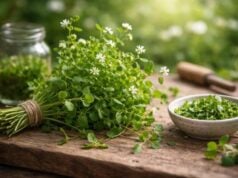
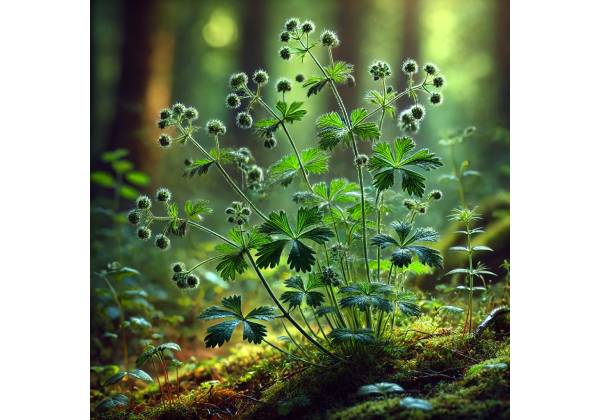
Cleavers (Galium aparine) is an annual bedstraw in the Rubiaceae family. If you have ever walked through a hedgerow and found a green “Velcro” plant stuck to your socks, you already know its signature feature: tiny hooked hairs on the stems and leaves that help it scramble over other plants. This clinging habit is one reason cleavers became such an easy-to-remember herb—its physical behavior mirrors how herbalists describe its traditional role: gently “unsticking” sluggish fluids and easing a sense of congestion.
You will see cleavers under several common names, including goosegrass, catchweed, stickyweed, and bedstraw. It typically appears in spring and early summer in temperate regions, thriving in moist, nitrogen-rich soils along fences, gardens, woodland edges, and disturbed ground. The parts most commonly used are the aerial parts (stems, leaves, and sometimes flowers), harvested before the plant becomes coarse and before sticky seeds mature.
Identification matters because cleavers is often gathered wild. Look for these features:
- Square-ish, weak stems that sprawl or climb
- Whorled leaves (often 6–8 leaves radiating from a node)
- Hooked hairs that make the plant feel rough and clingy
- Small white flowers and later rounded burr-like seeds
In traditional practice, cleavers was commonly taken as a fresh juice, a tea, or a cooling infusion, and used externally as a wash for minor skin issues. Many traditions describe it as mild enough for people who do not tolerate stronger “detox” herbs. That gentleness is also a caution: cleavers is not typically used for dramatic, immediate effects. Instead, it is chosen for steady, supportive use—especially when someone wants a mild diuretic effect without a harsh, drying feel.
A practical modern way to understand cleavers is as a bridge herb: it sits between food and medicine. It is sometimes eaten as a spring green when young (taste is mild, slightly grassy), but most people use it as a functional herb to support comfort—skin, fluid balance, and a sense of “cooling.”
Active compounds and actions
Cleavers is often described in traditional terms—lymphatic, alterative, cooling—but those words land better when you connect them to what the plant contains and how those constituents tend to behave in the body. While cleavers is not among the most heavily clinically studied herbs, its phytochemistry offers plausible explanations for its typical use patterns.
Iridoid glycosides
Iridoids are a class of bitter, protective plant compounds found in many herbs used for inflammatory and skin-related complaints. Cleavers is frequently reported to contain iridoid glycosides such as asperuloside and related molecules. In broad terms, iridoids are studied for their roles in antioxidant activity and inflammatory signaling. For cleavers users, the takeaway is practical: iridoids may be part of why cleavers feels “cooling” and supportive when skin is reactive or when tissues feel irritated.
Phenolic acids and flavonoids
Cleavers also contains polyphenols such as chlorogenic acid derivatives and flavonoids (often quercetin-related compounds). Polyphenols are known for antioxidant behavior in laboratory models, and they frequently show up in plants used for skin, vascular comfort, and general inflammation balance. If you want a close “plant family” comparison for polyphenol-rich greens commonly used in spring protocols, nettle is often discussed in similar contexts (see nettle compounds and benefits).
Polysaccharides and water-soluble fractions
Many people notice that cleavers preparations can feel “gentle” rather than sharply stimulating. One reason may be its water-soluble fractions, including polysaccharides, which in other herbs can contribute to soothing effects and immune-adjacent modulation in experimental settings. This also explains why some herbalists prefer cool infusions or gentle steeping rather than aggressive boiling, which can change the balance of compounds.
Tannins and mild astringency
Cleavers is not usually described as strongly tannic, but small amounts of tannins may contribute to its traditional topical use for minor skin trouble by providing mild astringency—useful when skin feels weepy or irritated.
Putting “lymph support” into modern language
The lymphatic system does not have a single “on switch.” When herbalists say cleavers supports lymph, they usually mean it may help with:
- Mild fluid movement (often overlapping with gentle diuresis)
- Tissue comfort when swelling is mild and non-urgent
- Skin clearance support when congestion and inflammation are part of the picture
- Better tolerance compared with harsher stimulating herbs
The most grounded way to interpret cleavers’ actions is as mild, water-moving, and skin-friendly, with benefits most noticeable when paired with hydration, daily movement, and basic skin care.
Cleavers for lymph and skin
Cleavers’ best-known traditional role is “lymphatic support,” a phrase that can feel vague until you translate it into situations people actually notice. In everyday terms, cleavers is often chosen when someone feels puffy, tender, or congested, especially if that congestion seems to show up in the skin.
When cleavers is commonly used
People most often explore cleavers in these scenarios:
- Seasonal puffiness: mild swelling that comes and goes, often worse with heat, inactivity, salty foods, or hormonal shifts
- Tender, reactive skin: especially when skin flares seem linked to “heat” and irritation rather than dryness alone
- Post-illness sluggishness: when someone is recovering and wants gentle support rather than a stimulating protocol
- Mild lymph node tenderness: when it is not severe, not persistent, and not accompanied by red-flag symptoms
Cleavers is not a substitute for evaluation of swollen nodes that are hard, rapidly enlarging, accompanied by fever, night sweats, unexplained weight loss, or severe pain. Those situations deserve medical attention.
How the skin connection may work
Skin is not only a barrier; it is also a site where inflammation, immune activity, and fluid balance become visible. Cleavers is often paired with simple routines that reduce “system load,” such as:
- staying well-hydrated,
- walking daily to support circulation and lymph flow,
- reducing alcohol and ultra-processed foods during flares,
- and using topical soothing measures.
In that context, cleavers can be a supportive tool rather than the whole strategy.
Topical cleavers for minor irritation
One of the most practical, low-risk uses is external. A cooled cleavers infusion can be applied as a compress for minor, non-infected irritation—especially when skin feels hot or itchy. This is also where cleavers fits nicely alongside well-known topical herbs. If you want a gentle companion herb often used for calm skin support, burdock uses and safety is frequently discussed in the same “skin and congestion” conversation.
What to expect
Cleavers tends to work subtly. Instead of expecting a dramatic overnight change, watch for:
- slightly less “tight” swelling by the end of the day,
- a calmer feel in irritated skin,
- easier urinary flow (which can overlap with reduced puffiness),
- and gradual improvement when used consistently.
A useful way to judge cleavers is by trend, not by any single day. If a person uses it for 10–14 days with steady hydration and light movement, the change—if it happens—usually shows up as “I feel less boggy” rather than “everything is fixed.”
Does cleavers help urinary health?
Cleavers is traditionally used as a mild diuretic—an herb that encourages urine flow—often described as “non-irritating” compared with harsher diuretics. That makes it a common choice when someone wants gentle support for fluid balance or urinary comfort without feeling aggressively dried out.
Where cleavers may be helpful
In practical, conservative use, cleavers is most often explored for:
- Mild water retention: especially when linked to heat, inactivity, or diet
- Urinary sluggishness: when flow feels reduced but there is no severe pain or fever
- Irritation-prone urinary tract: as a supportive herb alongside hydration and clinician care when needed
The key word is supportive. Cleavers is not an antibiotic, and it should not be used to delay care if UTI symptoms are significant. Seek medical advice urgently if you have fever, flank pain, vomiting, blood in urine, pregnancy with urinary symptoms, or symptoms that worsen quickly.
What cleavers likely does not do
Because the strongest claims around urinary infection require strong evidence, it helps to set realistic boundaries:
- Cleavers is unlikely to eradicate a bacterial infection on its own.
- It is unlikely to dissolve kidney stones in a predictable way.
- It may, however, support comfort by helping keep urine moving and by fitting into a “cooling, soothing” pattern.
How to use it intelligently for urinary comfort
If your goal is urinary support, cleavers tends to work best when paired with:
- consistent hydration (enough that urine is pale yellow, unless your clinician advises otherwise),
- avoidance of bladder irritants during symptoms (often caffeine, alcohol, and very spicy foods),
- and short, conservative dosing rather than long-term daily use.
If you want a comparison herb that is commonly discussed for urinary tract comfort and seasonal fluid support, goldenrod is often mentioned in similar protocols (see goldenrod health benefits). The best choice between them often comes down to tolerance and the broader picture: cleavers tends to be “cooler and gentler,” while other diuretic herbs may feel more stimulating.
Who should be cautious
If you already take prescription diuretics, have kidney disease, or are managing blood pressure medication, adding any diuretic herb—even a mild one—can complicate fluid and electrolyte balance. In those cases, cleavers should only be used with clinician guidance.
Ultimately, cleavers can be a helpful urinary-support herb when the goal is gentle fluid movement and comfort—not when the goal is to treat a serious infection or a high-stakes condition.
How to use cleavers
Cleavers is unusually versatile because it can be used fresh or dried, internally or externally. The choice of form matters: many herbalists consider fresh cleavers the most “alive” and cooling option, while dried cleavers is more convenient and still useful when prepared well.
1) Tea (hot infusion)
A hot infusion is the simplest approach.
- Place dried cleavers in a mug or teapot.
- Pour hot (not violently boiling) water over the herb.
- Cover and steep 10–15 minutes.
- Strain and drink.
This method is often chosen for mild urinary support and general “spring tonic” routines.
2) Cold infusion (overnight soak)
Cleavers is sometimes prepared as a cold infusion to emphasize its gentle, water-soluble fractions.
- Add dried cleavers to cool water.
- Cover and let sit 4–8 hours (or overnight).
- Strain and drink chilled or at room temperature.
This can be appealing for people who want a less bitter taste and a more cooling feel, especially in warm weather.
3) Fresh juice or blended preparation
When cleavers is in season, some people blend the fresh herb with water and strain it, taking small amounts as a fresh “greens-style” tonic. Because freshness changes potency, start low and use it for short periods.
4) Tincture or glycerite
Tinctures are convenient when you do not want to drink multiple cups of tea. They also make dosing easier and more consistent from day to day. If you are sensitive to alcohol, glycerites can be an alternative, though they may extract constituents differently.
5) Topical wash, compress, or poultice
For skin support, cleavers can be used externally as:
- a cooled tea used as a wash,
- a compress applied for 10–15 minutes,
- or a fresh herb poultice (crushed or blended plant applied briefly, then removed).
If you want to build a more complete, gentle topical routine, calendula is a common companion herb for skin comfort (see calendula uses for skin support). Keep topical use practical: patch-test first, avoid deep wounds, and do not apply to infected skin without clinical guidance.
Common preparation mistakes
- Using old, degraded herb: cleavers is best when it still smells green and fresh, not dusty or stale.
- Overheating for too long: aggressive boiling can change the balance of delicate compounds.
- Using it indefinitely: cleavers is typically better as a short-term supportive herb, not a forever daily drink.
Choose the form that you will actually use consistently for a short window. With cleavers, steady and simple usually outperforms complex.
How much cleavers per day?
Cleavers dosing is best approached conservatively because products vary and clinical dosing standards are limited. The ranges below reflect common herbal practice patterns for adults, not guarantees of outcomes. If you have a medical condition, take prescription medication, or are pregnant or breastfeeding, treat these as “discussion starters” for a clinician rather than self-prescribing rules.
Typical adult dosing ranges
Tea (dried herb infusion):
- 2–4 g dried cleavers per 250 mL (1 cup) water
- 1–3 cups daily
- Often used for 7–21 days, then paused
Cold infusion:
- Similar herb amount as tea (2–4 g per cup), soaked 4–8 hours
- 1–2 cups daily to start, increasing only if well tolerated
Tincture (1:5, 40–60% alcohol is common):
- 2–4 mL, 2–3 times daily
- Start at the low end for the first 2–3 days
Fresh juice (seasonal use):
- 5–15 mL daily, often divided into 1–2 doses
- Use for shorter windows (often 7–14 days) unless supervised
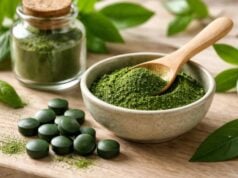
Capsules or powders (when standardized dosing is unclear):
- Common label ranges are often 500–1,000 mg, 1–2 times daily
- Because products vary, follow label directions and start low
Timing and best practices
- Take cleavers earlier in the day if you notice increased urination, so sleep is not disrupted.
- If you are using it for puffiness, pair it with hydration—diuretic herbs can backfire if you under-drink.
- Keep your approach single-variable at first: start cleavers without stacking many other diuretic herbs, so you can judge your response clearly.
How to adjust the dose
Use your body’s feedback:
- If you feel overly dry, lightheaded, or get headaches, reduce dose or stop.
- If your stomach feels unsettled, try taking it with food or switching to a cold infusion.
- If you develop a rash, itching, or swelling, stop and consider allergy or sensitivity.
How long is too long?
For most people, cleavers is better as a short course rather than a daily habit. A common pattern is 2–3 weeks on, then a break. If you feel you “need” cleavers constantly to keep swelling down, it is worth investigating root causes (diet, sleep, activity, medications, vascular issues) rather than extending herb use indefinitely.
The most effective dose is the smallest dose that produces a gentle, noticeable trend without side effects.
Side effects, interactions, and evidence
Cleavers is generally considered a low-risk herb when used short term at typical tea or tincture doses, but “gentle” does not mean “risk-free.” The most responsible way to use cleavers is to understand what could go wrong, who should avoid it, and what the evidence does—and does not—support.
Possible side effects
Most side effects are mild and dose-related:
- Increased urination (sometimes inconvenient or dehydrating if fluids are low)
- Mild stomach upset or nausea (often improved by lowering dose)
- Headache or lightheadedness (often a sign of too much diuresis or low fluids)
- Skin irritation with topical use in sensitive individuals
Stop use if symptoms are persistent or worsening.
Who should avoid cleavers
Avoid self-treatment with cleavers (or use only with clinician guidance) if you are:
- Pregnant or breastfeeding
- Under 18
- Living with chronic kidney disease or significant heart disease
- Taking prescription diuretics or managing unstable blood pressure
- Experiencing unexplained persistent swollen lymph nodes, fevers, night sweats, or unexplained weight loss
Key interactions
The biggest practical concern is combining cleavers with medications that are sensitive to fluid shifts.
- Lithium: Diuretic effects can change lithium levels and increase toxicity risk. If you take lithium, do not use cleavers unless your prescriber agrees and monitoring is in place (see lithium risks and safety considerations).
- Diuretics and blood pressure medications: Added diuretic effect can increase dizziness, dehydration, or electrolyte imbalance.
- Other “water-moving” herbs: Stacking multiple diuretic herbs can make side effects more likely, especially in hot weather or with heavy exercise.
What the evidence actually says
Cleavers has more preclinical evidence than human clinical evidence. Experimental studies have explored its phytochemical profile and measured antioxidant, antimicrobial, immune-related, and wound-healing-adjacent activity in laboratory or animal models. These findings can help explain traditional uses, but they do not automatically prove real-world outcomes for common complaints like swelling, lymph congestion, or urinary discomfort.
A grounded takeaway is:
- Cleavers is best viewed as a supportive, low-intensity herb with plausible mechanisms.
- It is not best used as a primary treatment for high-stakes conditions.
- The most defensible uses are short-term, symptom-guided, and paired with the basics: hydration, movement, and appropriate medical care when symptoms are severe.
If cleavers helps you, it usually shows up as a gentle shift: less puffiness, calmer skin, and easier elimination. If it does not help within 2–3 weeks, it is reasonable to stop rather than escalating doses.
References
- Bringing back Galium aparine L. from forgotten corners of traditional wound treatment procedures: an antimicrobial, antioxidant, and in-vitro wound healing assay along with HPTLC fingerprinting study 2024 (Research Article). ([PMC][1])
- Immuno-Enhancing Effects of Galium aparine L. in Cyclophosphamide-Induced Immunosuppressed Animal Models 2024 (Preclinical Study). ([PMC][2])
- Phytochemical Analysis and Chymotrypsin Inhibitory Potential of Galium sp. and Solidago sp. via Effect-Directed HPTLC Bioassay 2025 (Research Article). ([PMC][3])
- Galium aparine L. protects against acetaminophen-induced hepatotoxicity in rats 2022 (Animal Study). ([PubMed][4])
- Immunomodulatory Activity and Phytochemical Profile of Infusions from Cleavers Herb 2020 (Research Article). ([PMC][5])
Disclaimer
This article is for educational purposes only and does not provide medical advice, diagnosis, or treatment. Herbal products can vary in strength and quality, and individual responses can differ. Cleavers (Galium aparine) may increase urination and can interact with certain medications, especially lithium and prescription diuretics. If you are pregnant, breastfeeding, have kidney or heart disease, or take prescription medicines, consult a qualified clinician before using cleavers. Seek prompt medical care for severe urinary symptoms, fever, flank pain, rapidly enlarging lymph nodes, unexplained weight loss, or any sudden worsening of your condition.
If this guide was helpful, please share it on Facebook, X (formerly Twitter), LinkedIn, or your favorite platform so others can make more informed choices.