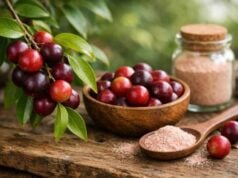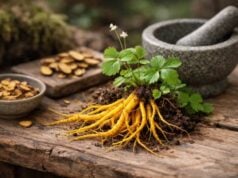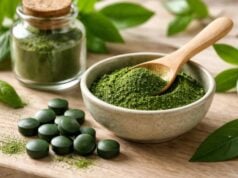
Cramp bark is the traditional name for the bark of Viburnum opulus, a shrub known for its white flower clusters and bright red berries. In herbal practice, the bark—not the fruit—is the part most closely associated with muscle relaxation. People reach for it when cramps feel “gripping” or spasmodic: menstrual cramps, digestive cramping, and tension that seems to radiate through the pelvis or lower back.
What makes cramp bark distinctive is its reputation as a smooth-muscle antispasmodic. In plain terms, it is used to help the body “let go” of involuntary contraction—especially in the uterus, intestines, and urinary tract. It is also valued for being supportive rather than numbing: many people describe a gradual easing of tightness rather than a fast painkiller effect.
At the same time, cramp bark is not a one-size-fits-all solution. The form you choose, the dose, and your individual risk factors (pregnancy status, medications, sensitive digestion) matter. This guide walks you through what cramp bark is, what it contains, how it’s used, and how to do so safely.
Quick Overview for Cramp Bark
- Cramp bark may help ease uterine and digestive spasms when taken at the first signs of cramping.
- Start low and avoid high doses if you have a sensitive stomach; nausea can occur in some people.
- Typical adult ranges are 2–4 g/day dried bark (decoction) or 2–6 mL/day tincture, depending on strength.
- Avoid cramp bark if pregnant (unless clinically supervised), or if you have unexplained pelvic pain that needs evaluation.
Table of Contents
- What is cramp bark
- Key ingredients and properties
- Does it help with cramps
- How to use cramp bark
- How much cramp bark per day
- Safety, interactions, and who should avoid
- What the evidence actually says
What is cramp bark
Cramp bark refers to the dried bark of Viburnum opulus, sometimes also labeled “guelder rose” or “European cranberrybush.” Herbalists have used it for generations as a calming agent for involuntary muscle contraction—especially when discomfort feels cyclical, wave-like, or “clenching.” The bark is typically harvested from young stems, then dried and prepared as a decoction (a simmered tea), tincture, or capsule.
A useful way to think about cramp bark is by tissue type. It’s traditionally aimed at smooth muscle, the kind found in the uterus, intestines, and parts of the urinary tract. That differs from the kind of muscle you voluntarily contract in the gym. Smooth muscle cramps often come with patterns—menstrual timing, digestive triggers, or stress-driven flare-ups—so cramp bark is often used as part of a routine rather than as a last-minute rescue.
It’s also important to avoid confusion with related herbs:
- Cramp bark vs. black haw: Black haw (Viburnum prunifolium) is a different species sometimes used for similar goals. Labels can be inconsistent, and substitution happens, so choose products that clearly list the botanical name.
- Bark vs. berry: Viburnum opulus berries are used as foods or traditional preparations in some cultures, but “cramp bark” specifically refers to the bark and its antispasmodic tradition.
- Traditional intent vs. modern expectations: Many people want cramp bark to function like a fast analgesic. In practice, it usually acts more like a muscle “unwinding” support—best when taken early and paired with rest, warmth, and hydration.
Cramp bark is most often discussed in the context of menstrual support, but it can be part of a broader cramp strategy that includes movement, magnesium, stress management, and other botanicals. If you’re comparing options for cyclical discomfort, yarrow for menstrual support applications is another herb that is commonly considered—though it works through different traditional pathways and is not a direct stand-in for cramp bark.
Key ingredients and properties
Cramp bark’s effects are tied to a mix of plant compounds that tend to show up in “relaxant and toning” barks: coumarins, polyphenols, tannins, and related constituents that can influence smooth muscle signaling and vascular tone. Because plant chemistry varies with harvest season, processing, and extraction method, different products can feel noticeably different—one reason many people do best when they stick with a trusted brand once they find one that suits them.
Key compound categories often discussed in Viburnum opulus bark include:
- Coumarins (including scopoletin): Coumarins are a broad family of plant compounds. In cramp bark, scopoletin is frequently highlighted because it has been explored as a contributor to antispasmodic activity. For the user, this matters less as a trivia point and more as a clue: cramp bark is not just “soothing,” it has constituents that may directly affect muscle contraction patterns.
- Polyphenols and flavonoids: These compounds are often associated with antioxidant effects and support for inflammatory balance. With cramp bark, they’re best viewed as part of the “supportive environment” that can make cramping less intense, rather than a single on-off switch.
- Tannins: Tannins are astringent compounds common in barks. They can contribute to a tightening, toning feel in tissues and may help explain why some people find cramp bark useful when cramps come with a heavy or “dragging” sensation. The tradeoff is that tannins can upset sensitive digestion, especially in strong teas or high doses.
- Iridoids and related bitter compounds: These can support digestive signaling in some people, but bitterness can also be a barrier if you are prone to nausea.
When herbalists call cramp bark an “antispasmodic,” they typically mean it may help with:
- Reducing spasm intensity (less gripping contraction)
- Lengthening the time between waves (more breathing room)
- Lowering associated tension (especially in the pelvis and low back)
Importantly, “relaxing” does not mean “weakening.” Many people use cramp bark because it can feel like it supports comfort without making them feel dulled or sedated. Still, if you are sensitive to bitter or astringent herbs, choosing a tincture or capsule over a strong decoction can be gentler.
Does it help with cramps
Cramp bark is most commonly used for menstrual cramps, but its traditional use is broader: any situation where involuntary muscle contraction drives discomfort. The most realistic way to evaluate it is to match the herb to the type of cramp you experience and to be honest about what “success” looks like.
Menstrual cramps (primary dysmenorrhea)
This is the classic use. People often try cramp bark when cramps feel:
- spasmodic or wave-like
- centered in the uterus with pelvic pressure
- radiating into the low back or inner thighs
Many users report the best results when cramp bark is taken early—at the first hint of tightening—rather than after pain is already severe. A common “realistic outcome” is not zero pain, but a shift from sharp, gripping cramps to a more manageable, lower-intensity ache.
Premenstrual tension and uterine irritability
Some people experience cramping-like sensations before bleeding begins: pelvic tightness, uterine “twitching,” or a sense of tension that worsens with stress. Cramp bark is sometimes used during that window as a short-term support, especially alongside heat and gentle movement.
Digestive cramping and “nervous gut”
Cramp bark is also used when digestive discomfort feels spastic—sudden gripping after meals, stress-triggered bowel cramping, or a tight abdomen with audible gurgling. It is not typically used for heartburn or reflux as a primary approach, and it is not a substitute for medical evaluation of persistent GI pain.
Urinary tract spasms
Some people use cramp bark for bladder or ureter spasm sensations—tightness, urgency with cramping, or discomfort that feels muscular rather than infectious. If symptoms include fever, burning urination, blood in urine, or severe flank pain, that’s a clinical situation, not a self-care experiment.
Muscle cramps from exercise
Cramp bark is not the first-line herb for calf cramps or nighttime leg cramps. Those are more often driven by hydration, electrolyte balance, training load, or nerve irritability. If your cramps are mostly skeletal-muscle related, you may get more mileage from basics like fluids and minerals—many people start with magnesium daily intake guidance as part of an evidence-informed cramp plan.
Overall, cramp bark is best viewed as a targeted tool for spasm-driven discomfort—particularly when cramps are rhythmic, pelvic, or stress-amplified.
How to use cramp bark
Cramp bark can be used in several forms, and choosing the right one is often the difference between “nothing happened” and “this actually helped.” The best form depends on how quickly you need support, how sensitive your digestion is, and whether you prefer a ritual (tea) or a convenient dose (capsule).
Common forms
- Decoction (simmered tea): Because it’s a bark, cramp bark is usually simmered rather than steeped. This form can feel warming and is often used when cramps are acute and you want a soothing ritual. The downside is taste (bitter/astringent) and the fact that strong decoctions can bother some stomachs.
- Tincture: Tinctures are popular for cramping because they’re fast to take, easy to adjust, and often gentler than strong teas. They also travel well, which matters if cramps hit at work or school.
- Capsules/tablets: These are useful if you cannot tolerate the taste or if tannins irritate your stomach. Capsules can be slower to “feel,” but many people prefer the consistency.
Timing: rescue vs. prevention
Cramp bark can be used in two main ways:
- Rescue-style (acute cramping): Take at the first sign of tightening, then repeat at intervals for the first several hours if needed. Pair with heat, hydration, and rest.
- Short cycle support: Some people take smaller doses for a few days around their expected cramp window, especially if cramps predictably start on day 1.
Practical pairing strategies
Cramp bark is often combined with other supports depending on your pattern:
- For menstrual cramps with nausea: choose tincture or capsules; consider taking with a small snack.
- For stress-amplified cramps: pair with a calming routine (warm compress, slow breathing, early bedtime).
- For digestive spasm patterns: take after meals only if you notice post-meal tightness; avoid very strong decoctions on an empty stomach.
If you want a kitchen-friendly companion approach for menstrual discomfort, some people find that ginger’s active compounds and uses pair well with cramp bark because ginger supports comfort through different pathways and can be easier to dose as a tea or food.
A note on self-triage
Cramp bark is for functional cramping—not for unexplained severe pelvic pain, fainting, fever, unusually heavy bleeding, or symptoms that steadily worsen over months. If cramps are new, extreme, or accompanied by concerning changes, use the herb only after you’ve ruled out conditions that deserve targeted care.
How much cramp bark per day
Cramp bark dosing varies by preparation. A decoction delivers a different concentration than a tincture, and tinctures vary by herb-to-liquid ratio. The safest approach is to start at the low end, assess your response over 1–2 cycles (for menstrual use), and adjust gradually.
Typical adult ranges by form
Dried bark (decoction)
- Common daily range: 2–4 g/day dried bark, divided into 1–3 servings
- Practical preparation: simmer the bark gently, then strain
- Best for: people who want warmth and ritual, or who find liquids more soothing than pills
Tincture
- Common daily range: 2–6 mL/day, divided (for example, 1–2 mL up to three times daily)
- Higher “rescue” use is sometimes taken during acute cramps, but it’s best to stay within label guidance and your tolerance.
Capsules/extracts
- Because products differ, follow the label first. Many formulas provide an equivalent of 500–1,500 mg/day of dried herb or a standardized extract amount, but equivalency is not always clearly stated. If the label does not specify what the capsule represents, it’s hard to compare across brands.
Timing tips that matter in real life
- For menstrual cramps: start at the first cue (tight pelvis, early backache, subtle uterine gripping). Waiting until pain is severe often reduces perceived benefit.
- For cramping that comes in waves: smaller, repeated doses may feel better than one large dose.
- With food or without: if you get nausea from bitter herbs, take cramp bark with a small snack or choose capsules.
How long to use it
- Acute cramping: usually 1–3 days around peak symptoms
- Cyclical support: some people use it only during their predictable cramp window for 2–3 cycles, then reassess
A helpful checkpoint is whether you’re using the herb as a tool or as a crutch. If you find you need higher and higher amounts, or your cramps are worsening over time, treat that as a prompt to investigate root causes (iron deficiency, endometriosis, fibroids, thyroid issues, GI conditions) rather than simply escalating dose.
If digestive cramping is part of your picture, consider whether a gentler, more targeted spasm-support herb fits better. Many people compare options such as peppermint for digestive and respiratory benefits, especially when cramping is tied to meals or stress and you want a well-tolerated first step.
Safety, interactions, and who should avoid
Cramp bark is generally considered well tolerated when used appropriately and for short periods, but “gentle” does not mean “risk-free.” Most side effects are dose-related or form-related, and many can be avoided by choosing the right preparation and starting low.
Common side effects
- Stomach upset, nausea, or reflux: more likely with strong decoctions or high-dose tinctures, especially on an empty stomach
- Headache or light dizziness: uncommon, but can happen in sensitive individuals
- Constipation or a dry feeling: possible with very astringent preparations (tannin-rich)
If you experience persistent nausea, severe abdominal pain, or symptoms that feel out of proportion, stop and reassess.
Who should avoid cramp bark (or use only with professional guidance)
- Pregnancy: Cramp bark has a long history in traditional formulas for uterine tension, but pregnancy is not a DIY setting. Use only with clinician or qualified practitioner oversight.
- Breastfeeding: safety data are limited; avoid unless advised.
- Children: avoid routine use unless directed by a pediatric clinician.
- Severe liver or kidney disease: use only with clinical guidance, as dosing margins can be different.
- Unexplained pelvic pain or abnormal bleeding: evaluate first; do not mask symptoms.
Medication and supplement interactions (practical caution)
Formal interaction data are limited, but reasonable caution is warranted if you use:
- Sedatives or sleep medications: cramp bark is not a sedative in the way valerian is, but some people experience relaxation that can add to other calming agents.
- Antispasmodic medications: combining can be too relaxing for some people and may increase dizziness or digestive changes.
- Blood-thinning or antiplatelet medicines: not because cramp bark is clearly a “blood thinner,” but because pelvic-pain users often also take NSAIDs and other agents that affect bleeding risk.
A note on painkiller stacking
Many people combine cramp bark with over-the-counter pain relievers during heavy cramp days. If you’re also using botanicals with aspirin-like constituents, be cautious about doubling up. willow bark pain relief basics is a useful comparison point because it helps clarify why overlapping approaches can matter for bleeding risk and stomach irritation.
When to seek medical care
Do not rely on herbs alone if you have:
- fainting, chest pain, or severe weakness
- fever, severe one-sided pelvic pain, or suspected pregnancy complications
- soaking through pads/tampons hourly, or passing very large clots
- cramps that suddenly become much worse than your normal pattern
Cramp bark can be a supportive tool, but safety comes first—especially when symptoms might signal an underlying condition that needs targeted treatment.
What the evidence actually says
Cramp bark sits in a common herbal gray zone: it is widely used in traditional practice for spasm-driven discomfort, and there are plausible biological mechanisms that support that use, but modern clinical trials for its headline claim—menstrual cramp relief—are limited. The best way to interpret the research is to look at three layers: traditional consistency, mechanistic plausibility, and human outcomes.
1) Traditional consistency (strong)
Across many herbal traditions, Viburnum barks are repeatedly described as antispasmodic and uterine-relaxant supports. That consistency matters because it suggests repeatable observed effects—particularly for smooth muscle tension patterns. Traditional knowledge also offers practical dosing styles (tinctures and decoctions) and timing strategies (take early, use short-term, pair with warmth).
2) Mechanistic plausibility (moderate)
Modern studies of bark chemistry point to constituents that can reasonably influence smooth muscle behavior:
- Coumarins such as scopoletin have been discussed as potential contributors to antispasmodic effects.
- Tannins and polyphenols may influence ion channels, vascular tone, and signaling that relates to muscle relaxation.
- Complex mixtures rather than single “magic” compounds are likely responsible for the overall feel of the herb.
This mechanistic layer supports the idea of cramp bark helping with spasm, but it does not guarantee a predictable effect in every person. It also reminds us why product quality matters: if a product is substituted with another species or poorly extracted, the experience can change.
3) Human outcomes (limited)
The main gap is robust, high-quality, condition-specific clinical evidence—especially for primary dysmenorrhea. That doesn’t mean cramp bark “doesn’t work”; it means the modern evidence base hasn’t caught up to widespread use. In practice, this is where a careful, trackable self-trial can be reasonable for otherwise healthy adults:
- Use a consistent product for 2–3 cycles
- Start at low doses and take early
- Track pain intensity, duration, missed activities, and side effects
What this means for real decisions
Cramp bark is best positioned as a symptom-support herb for spasmodic patterns, not as a cure for root causes. If cramps are severe, escalating, or paired with red flags, evidence-based evaluation matters more than experimentation. But if your cramps are typical, cyclical, and you want a supportive tool with a clear traditional niche, cramp bark can be a reasonable option—provided you use it with appropriate dosing, timing, and safety awareness.
References
- KCNQ5 activation by tannins mediates vasorelaxant effects of barks used in Native American botanical medicine 2022 (Mechanistic Study)
- In Vitro Inhibitory Effects of Viburnum opulus Bark and Flower Extracts on Digestion of Potato Starch and Carbohydrate Hydrolases Activity 2022
- Scrutinizing the Antimicrobial and Antioxidant Potency of European Cranberry Bush (Viburnum opulus L.) Extracts 2024
- Viburnum opulus L.—A Review of Phytochemistry and Biological Effects 2020 (Review)
- Scopoletin, an Antispasmodic Component of Viburnum opulus and prunifolium 1967 (Seminal Study)
Disclaimer
This article is for educational purposes only and does not provide medical advice, diagnosis, or treatment. Herbal products can vary in strength and purity, and individual responses differ. If you are pregnant or breastfeeding, have a medical condition, or take prescription medicines, consult a qualified clinician before using cramp bark—especially for pelvic pain, heavy bleeding, or ongoing symptoms. Seek urgent medical care for severe or worsening pain, fainting, fever, suspected pregnancy complications, or unusually heavy bleeding.
If this guide was useful, consider sharing it on Facebook, X (formerly Twitter), or your preferred platform to help others make safer, better-informed choices.