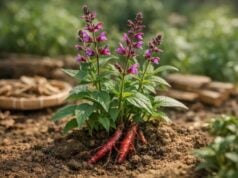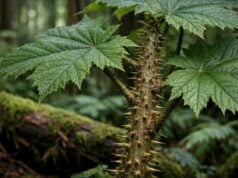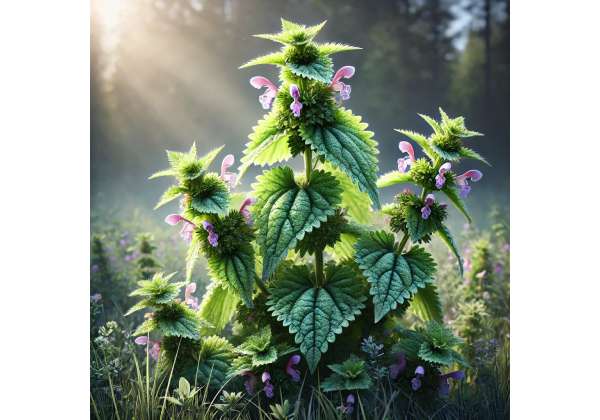
Dead nettle refers to several Lamium species (most commonly white dead nettle, Lamium album, and purple dead nettle, Lamium purpureum) in the mint family. Despite the name, it does not sting. The leaves resemble stinging nettle, but Lamium lacks the irritating hairs that cause the familiar burn. Traditionally, herbalists have used dead nettle as a gentle astringent and soothing plant for the skin, throat, and digestive tract, and it has a long reputation for supporting menstrual and pelvic comfort.
What makes dead nettle interesting is its chemistry: iridoid glycosides, phenylpropanoid compounds (such as verbascoside), flavonoids, and tannins—molecules associated with antioxidant and anti-inflammatory activity in early research. Still, it is best approached as a supportive herb rather than a standalone solution for serious symptoms. In this article, you will learn what dead nettle is, what it contains, what it may help with, practical ways to use it, typical dosage ranges, and the most important safety considerations so you can make informed choices.
Essential Insights
- May help soothe minor throat irritation and support comfortable digestion when used as a warm infusion.
- Traditionally used as a mild astringent for heavy menstrual flow and excess vaginal discharge in some herbal systems.
- Typical tea range: 1.5–3 g dried aerial parts per cup, up to 3 cups daily.
- Can cause stomach upset or allergy in sensitive people; stop if rash, swelling, or breathing symptoms occur.
- Avoid during pregnancy and breastfeeding, and use extra caution if you have hormone-sensitive conditions or take blood thinners.
Table of Contents
- Dead nettle basics
- Key ingredients in Lamium
- Dead nettle health benefits
- How to use dead nettle
- How much dead nettle per day
- Dead nettle safety and interactions
- What the research actually shows
Dead nettle basics
Dead nettle is a common name for plants in the genus Lamium. If you have ever brushed a “nettle” and felt nothing, you may have met it already. The leaves can look similar to Urtica (stinging nettle), but dead nettle belongs to the mint family (Lamiaceae), which typically has square stems, opposite leaves, and often a mild herbal aroma when crushed. Many Lamium species are widespread across Europe and Western Asia, and several have naturalized elsewhere.
The species matters. When people say “dead nettle” for herbal use, they usually mean:
- White dead nettle (Lamium album): a perennial with white, hooded flowers; often favored in traditional European herbalism.
- Purple dead nettle (Lamium purpureum): often an annual with purplish leaves near the top and pink-purple flowers; frequently used as an edible spring green.
In practice, many of the “gentle astringent and soothing” traditions apply to L. album, particularly the flowering tops and flowers, though other species are used regionally. Because Lamium is not always sold as a tightly standardized herb, labels may say “Lamium spp.” or “Lamium” without specifying the exact species. If you are buying a product for targeted use, it is reasonable to prefer products that list the species and the plant part.
The parts used most often are the aerial parts (leaves and flowering tops) and sometimes the flowers alone. The plant is typically used as an infusion (tea), tincture, or topical wash. Culinary use is also common: young leaves can be added to salads or lightly cooked like mild greens. In that food context, dead nettle is usually about gentle nourishment rather than “medicinal dosing.”
A helpful mental model is to place dead nettle in the “supportive herb” category: appropriate for mild, everyday discomforts and traditional self-care routines, but not a substitute for medical evaluation when symptoms are persistent, severe, or unexplained—especially bleeding, pelvic pain, or neurological symptoms.
Key ingredients in Lamium
Dead nettle’s traditional reputation as soothing and astringent aligns with what researchers have found in its phytochemistry. The most discussed compounds fall into a few practical groups, each with a different “feel” in the body.
Iridoid glycosides
Iridoids are bitter-tasting plant compounds often linked to anti-inflammatory and protective effects in early studies. In Lamium album, iridoid glycosides such as aucubin are frequently highlighted. Bitter compounds are not automatically “strong,” but they can signal that a plant may influence inflammatory pathways, oxidative stress balance, and tissue response. In real-world herbal practice, iridoid-rich herbs are often used in modest doses to support recovery and resilience rather than as fast-acting symptom suppressors.
Phenylpropanoid and phenylethanoid glycosides
This is one of the most important classes for Lamium. Compounds like verbascoside (also called acteoside) are widely studied across many plants and are associated with antioxidant activity, microbial defense, and inflammation-modulating effects in preclinical models. The value here is not that verbascoside “treats everything,” but that it helps explain why dead nettle is traditionally used for irritated tissues—skin, throat, and mucous membranes—where oxidative stress and inflammation tend to travel together.
Flavonoids and related polyphenols
Flavonoids contribute to dead nettle’s antioxidant profile and may support capillary tone and tissue stability, which is one reason astringent herbs are sometimes used for heavy flow or mild swelling. Different extracts show different dominant flavonoids, and preparation method matters: hot water will pull out some compounds well, while alcohol extracts a broader spectrum.
Tannins and mucilage-like fractions
Tannins are classic astringents: they can create a “tightening” sensation on tissues, which is why tannin-rich herbs are used in gargles, rinses, and topical washes. Dead nettle is not the most tannin-heavy plant, but it can contain enough to contribute to that traditional feel. Some preparations also contain polysaccharide fractions that are described as soothing—more “softening” than “tightening”—which helps dead nettle sit in a balanced place: gently drying when needed, but not harsh.
Volatile compounds and aroma
Unlike strongly aromatic mints, dead nettle is usually mild-smelling, and its essential oil yield tends to be low. Still, volatile compounds can contribute to the overall “herbal” effect, especially in warm infusions used for upper respiratory comfort.
The key takeaway is that dead nettle’s chemistry supports its identity as a gentle plant for irritated tissues and mild inflammatory discomfort, with the strongest claims resting on traditional use and early mechanistic research rather than large, definitive human trials.
Dead nettle health benefits
Dead nettle is not typically used for one single “headline” benefit. Instead, it appears in herbal traditions as a multipurpose plant for soothing and restoring comfort in tissues that are irritated, inflamed, or producing excess discharge. The most realistic benefits are modest, but meaningful when the goal is gentle support.
1) Throat and upper respiratory comfort
Warm dead nettle tea is commonly used when the throat feels scratchy or raw—especially the kind of irritation that comes with post-nasal drip, dry indoor air, or lingering cough. In these cases, the goal is not to “knock out” an infection, but to calm the sensation of irritation and support hydration. Many people find that warm infusions used consistently for a few days are more helpful than a single strong dose.
2) Mild digestive soothing
Dead nettle is sometimes chosen when digestion feels unsettled and you want something gentle rather than aggressively stimulating. It is not a classic bitter digestive tonic in the way some stronger herbs are, but it may support comfort when mild inflammation or sensitivity is part of the picture. If your digestion is reactive, it can be a low-intensity option to try before stronger blends.
3) Astringent support for heavy flow and excess discharge
In some European herbal traditions, white dead nettle is used as a mild astringent for heavy menstrual flow and excess vaginal discharge. This is one of its most distinctive traditional uses, and it is often paired with other herbs rather than used alone. If you are exploring herbal support for menstrual discomfort, it can help to compare approaches and safety considerations with other traditional options such as yarrow for menstrual support, especially if you are prone to clotting issues or take medications that affect bleeding.
4) Skin and topical comfort
Topically, dead nettle is used as a wash or compress for minor skin irritation. The goal is usually to calm redness, reduce the “weeping” feel of mild rashes, and support comfortable healing for small areas. Because skin can be unpredictable, the safest approach is to patch test and avoid applying to deep wounds or infected areas without clinical guidance.
5) General antioxidant support
Some people use dead nettle simply as a springtime tea or edible green for gentle nutritional and antioxidant support. This is a reasonable frame: consistent, food-like use tends to fit the evidence better than ambitious therapeutic claims.
A practical way to decide if dead nettle fits your needs is to ask: “Do I want something mild, soothing, and supportive for irritated tissues?” If yes, it may be a good candidate. If you need fast symptom control or you have red-flag symptoms (heavy bleeding, severe pain, fever, neurological signs), it should not be your primary strategy.
How to use dead nettle
Dead nettle is easy to use, but the details matter: the plant part, the preparation method, and your goal all shape the best approach. In most households, the infusion (tea) is the starting point because it is gentle and self-limiting—if your body does not like it, you notice quickly.
Infusion (tea) for daily support
This is the most common preparation for throat comfort, mild digestive soothing, and general wellness. A standard method is:
- Place dried aerial parts (or flowers) in a cup or teapot.
- Add freshly boiled water.
- Cover and steep 10–15 minutes.
- Strain and drink warm.
Covering the cup matters because it helps retain volatile components, even if the plant is not strongly aromatic.
Tincture for convenience
Tinctures can be useful when you want consistency, portability, or you do not tolerate large volumes of tea. Because products vary, label directions matter. Look for a tincture that clearly lists the species, plant part, and extraction ratio. If that information is missing, it is harder to dose responsibly.
Topical wash or compress
For minor skin irritation, a stronger infusion can be cooled and used as a compress. This is also where combining strategies can make sense: many people use dead nettle as one part of a topical routine rather than the entire plan. If your goal is soothing inflamed skin, consider comparing it with calendula topical preparations, which are widely used in gentle skin support routines.
Basic topical steps:
- Make a strong tea, cool fully, then apply with clean cloth for 10–15 minutes.
- Patch test first on a small area.
- Avoid use on deep wounds, severe burns, or areas with spreading redness and heat.
Food use
Young leaves can be added to salads or lightly sautéed. Culinary use is best viewed as nutrition-first: a way to incorporate plant diversity without “supplement-level” dosing.
Quality and sourcing tips
- Choose products that specify Lamium species and plant part.
- Avoid plants harvested from roadsides or areas with heavy pesticide use.
- If you are wild-harvesting, learn identification carefully; “dead nettle” and “stinging nettle” can coexist, and while both are used traditionally, the experience and chemistry differ.
Used this way, dead nettle fits into daily self-care as a gentle herb that can be scaled up or down depending on comfort and response.
How much dead nettle per day
Because dead nettle includes multiple Lamium species and products are not always standardized, dosage is best given as practical ranges rather than a single fixed number. Start low, assess tolerance, and increase only if you are seeing benefit without side effects.
Tea (infusion) dosing
A typical adult range is:
- 1.5–3 g dried aerial parts (or flowers) per cup
- Steep 10–15 minutes
- Up to 2–3 cups daily
If you are sensitive to herbal teas or prone to digestive gas and cramping, start at the low end (around 1–1.5 g per cup) and use one cup daily for two days before increasing.
Tincture dosing
Because tinctures vary, follow the product label first. A common traditional-style range for a 1:5 tincture is:
- 2–4 mL, up to 3 times daily
If you are combining dead nettle with other herbs, keep the combined dosing conservative at first so you can tell what is helping and what is not.
Topical compress or rinse
For external use, people often make a stronger infusion:
- 5–10 g dried herb per 250 mL water
- Cool completely before use
- Apply 1–2 times daily for short periods (for example, 10–15 minutes)
Timing and duration
- Throat comfort: use warm tea 2–3 times daily for 2–5 days, then reassess.
- Digestive soothing: use 1–2 cups daily with meals for up to 2 weeks; stop sooner if bloating or cramping occurs.
- Menstrual support: begin 2–3 days before expected flow (if predictable) and continue through the heaviest days. If bleeding is unusually heavy, prolonged, or worsening, treat that as a reason to seek medical advice rather than increasing herbal dose.
If you are choosing dead nettle partly for digestive comfort, it can help to compare your dosing strategy with well-known digestive herbs such as peppermint for digestive and respiratory support, while remembering that dead nettle is usually milder and may require more consistent use to notice effects.
When to stop or adjust
Reduce the dose or stop if you notice:
- New or worsening stomach upset
- Headache that appears after dosing
- Itching, rash, or any swelling
Dead nettle is generally approached as a gentle herb, but “gentle” should still mean “measured.” The best results usually come from consistent moderate use, not aggressive dosing.
Dead nettle safety and interactions
Dead nettle is widely used as a food and tea, and many people tolerate it well. Still, safety is not only about toxicity; it is also about choosing the right herb for the right person and knowing when to avoid self-treatment.
Common side effects
Most side effects are mild and dose-related:
- Stomach upset, nausea, or cramping (especially with strong tea on an empty stomach)
- Headache in sensitive individuals
- Skin irritation if used topically without patch testing
If side effects occur, the first fix is usually to lower the dose, take it with food, or switch from tincture to tea.
Allergy and sensitivity
Lamium is in the mint family, and allergy is uncommon but possible. Treat any of the following as a stop signal:
- Hives or widespread itching
- Swelling of lips, tongue, or face
- Wheezing or breathing difficulty
If you have a history of strong reactions to herbs, introduce dead nettle cautiously and avoid multi-herb blends at first.
Who should avoid dead nettle
Avoid use, or use only with qualified guidance, if you are:
- Pregnant or breastfeeding (insufficient safety data and traditional uterine associations)
- Managing unexplained vaginal bleeding, severe pelvic pain, or postmenopausal bleeding
- Living with a hormone-sensitive condition where herbal experimentation is not advisable without clinician input
- Preparing for surgery or using medications that affect bleeding
Medication interactions and practical spacing
Dead nettle is not known for dramatic drug interactions, but these cautions are reasonable:
- If you take anticoagulants or antiplatelet drugs, be cautious with any herb traditionally used for bleeding patterns or tissue astringency.
- If you take iron supplements, tannin-containing teas can reduce absorption for some people; separate by a couple of hours.
- If you are using multiple herbs for skin or mucous membranes, keep the routine simple and patch test. If your goal is astringent topical support and you want a clearer, more established topical profile, compare options like witch hazel topical use guidance rather than layering many new botanicals at once.
When to seek medical care
Use dead nettle as self-care only when symptoms are mild. Seek care promptly if you have:
- Heavy bleeding (soaking pads hourly), large clots, or dizziness
- Fever, worsening pain, or foul-smelling discharge
- Signs of infection in a skin area (spreading redness, heat, pus)
- Neurological symptoms (sudden weakness, speech changes, severe headache)
The safest way to use dead nettle is to treat it as supportive: start low, use short courses, and escalate to professional evaluation when symptoms do not match “minor discomfort.”
What the research actually shows
Dead nettle sits in a familiar place for traditional herbs: strong history of use, clear bioactive chemistry, and an evidence base that is promising but still incomplete for most specific human outcomes.
What we know with reasonable confidence
Research consistently shows that Lamium species contain multiple classes of compounds associated with antioxidant and inflammation-related activity. Studies analyzing flowers and aerial parts have identified iridoids, flavonoids, phenolic acids, and phenylpropanoid glycosides, which helps explain why traditional use focuses on irritated tissues and mild inflammatory discomfort. Laboratory assays often show free-radical scavenging activity and other antioxidant markers, especially in extracts that concentrate polyphenols.
Where the evidence is suggestive but not definitive
When studies move beyond test tubes, the results become harder to interpret. Animal and mechanistic research suggests that Lamium extracts may influence inflammatory signaling (including markers related to COX pathways and apoptosis-related genes) in models of acute injury. This supports the possibility of anti-inflammatory benefit, but it does not automatically translate into symptom relief for a specific condition in humans.
Similarly, antimicrobial findings in vitro can be interesting without proving real-world effectiveness for infections. Herbal teas are relatively dilute compared with laboratory extracts, and topical use depends heavily on formulation and skin barrier status.
Human data: the current gap
For most popular search questions—“Does dead nettle help with eczema,” “Does it reduce heavy periods,” “Can it treat infection”—human clinical trials are limited. Some trials have used Lamium as part of multi-herb formulas, which makes it difficult to attribute results to dead nettle specifically. This is one reason it is wise to keep claims conservative and treat the plant as supportive.
How to use research wisely in real life
A practical, evidence-informed approach looks like this:
- Use tea or tincture for mild symptoms where soothing support is the goal, not cure.
- Prefer short courses (days to a couple of weeks), then reassess.
- Choose products that specify species and plant part, since chemistry varies by preparation.
- If you need targeted therapeutic outcomes, consider herbs with stronger human evidence and use dead nettle as an adjunct rather than the main intervention.
Dead nettle is a good example of an herb where the chemistry and traditional narrative make sense together, but the clinical certainty is still catching up. Used with that mindset—gentle, measured, and safety-first—it can fit well into a modern self-care routine.
References
- Histochemical and Phytochemical Analysis of Lamium album subsp. album L. Corolla: Essential Oil, Triterpenes, and Iridoids 2021 (Open Access Study)
- Antioxidant Activity and Bioactive Compounds of Lamium album Flower Extracts Obtained by Supercritical Fluid Extraction 2021 (Open Access Study)
- Potential anti-inflammatory effect of Lamium album extract through caspase-3 and cyclooxygenase-2 genes expression in a rat model of middle cerebral artery occlusion 2022 (Preclinical Study)
- Use of Secondary Metabolites Profiling and Antioxidant Activity to Unravel the Differences between Two Species of Nettle 2023 (Open Access Study)
- Lamium Plants—A Comprehensive Review on Health Benefits and Biological Activities 2019 (Review)
Disclaimer
This article is for educational purposes only and does not provide medical advice, diagnosis, or treatment. Herbal products can vary in strength and purity, and “natural” does not mean risk-free. If you are pregnant or breastfeeding, have a chronic medical condition, take prescription medications (especially those that affect bleeding), or have persistent or severe symptoms such as heavy vaginal bleeding, fever, severe pain, or neurological symptoms, consult a qualified healthcare professional before using dead nettle (Lamium spp.). Stop use immediately and seek urgent care if you develop signs of an allergic reaction, including hives, swelling, or difficulty breathing.
If this guide helped you, consider sharing it on Facebook, X (formerly Twitter), or your preferred platform so others can make safer, better-informed choices.