Eastern hemlock is a graceful evergreen tree native to eastern North America, but it is also a lesser-known traditional remedy with a long folk history. Its leafy twig tips, needles, bark, and sometimes cones have been used in teas, washes, steams, and topical preparations for colds, sore throats, minor skin problems, and general winter support. Despite the name, it is not the same plant as poison hemlock. Eastern hemlock belongs to the pine family, and its chemistry reflects that identity: aromatic terpenes in the needles, tannins in the bark, and antioxidant-rich polyphenols in the cones.
What makes eastern hemlock interesting is the gap between tradition and science. The traditional uses are broad, but modern human research is thin. Early lab work suggests antioxidant, astringent, and mild antimicrobial potential, while the warm, resinous aroma may offer subjective respiratory comfort. Still, this is not a mainstream medicinal herb, and it should be approached as a modest, supportive plant rather than a proven treatment. Used carefully, it can be a thoughtful part of short-term self-care, especially in tea or external preparations.
Essential Insights
- Eastern hemlock is traditionally used for mild sore throat, winter respiratory discomfort, and external skin-wash support.
- Its needles, bark, and cones contain terpenes, tannins, and polyphenols that help explain its aromatic and astringent effects.
- Traditional tea use is usually modest, about 1 to 3 cups daily, because no clinically standardized oral dose exists.
- Avoid internal essential oil use, and avoid medicinal use during pregnancy or breastfeeding unless a qualified clinician advises it.
- Do not confuse eastern hemlock with poison hemlock, which is a completely different and dangerous plant.
Table of Contents
- What is Eastern Hemlock?
- Key ingredients and compounds
- What can it help with?
- How to use Eastern Hemlock
- How much should you take?
- Safety, side effects, and interactions
- What the research really shows
What is Eastern Hemlock?
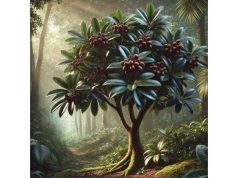
Eastern hemlock, or Tsuga canadensis, is a coniferous tree in the pine family. It is native to cool, moist forests from Canada into the northeastern and Appalachian regions of the United States. The tree is easy to recognize once you know what to look for: short, flat needles arranged in soft-looking sprays, tiny hanging cones, and two pale bands on the underside of the needles. It is long-lived, slow-growing, and ecologically important. In many forests, it creates cool, shaded habitat that supports birds, amphibians, insects, and understory plants.
For herbal use, the most important fact is that eastern hemlock is not related to poison hemlock. Poison hemlock is a flowering herb in the carrot family and can be fatal. Eastern hemlock is an evergreen tree. That distinction matters because the common name alone causes understandable confusion. Anyone gathering it wild should identify it with certainty before using it.
Historically, eastern hemlock was valued in more than one way. Its bark was commercially important because it is rich in tannins, which were once used in leather tanning. In folk medicine, those same astringent qualities made bark preparations useful as washes or poultices. Leafy twig tips and inner bark were also brewed into tea or decoctions for cold-weather ailments, sore throat, feverish states, and general weakness. These uses fit the plant’s chemistry: resinous volatile compounds for aroma and tannins for tightening and drying tissues.
In modern herbal practice, eastern hemlock remains a niche remedy rather than a common one. Most people encounter it as foraged needle tea, a forest steam, or an ingredient in artisanal salves and essential oil blends. It is sometimes described as a “winter tree medicine” because it is available when many tender herbs are dormant and because warm infusions from the needles feel especially fitting in cold months.
There is also a practical side to using it today. Eastern hemlock trees in landscapes are often treated for hemlock woolly adelgid, an insect that can kill the tree. That means needles or twig tips from ornamental or park trees may not be suitable for harvest. Wildcrafting should be light, legal, and limited to unsprayed trees you can identify with confidence. Sustainable harvesting matters because eastern hemlock is under pressure across much of its range.
As a medicinal plant, eastern hemlock is best understood as a traditional conifer remedy with modest, supportive uses. It is not a substitute for emergency care, and it is not a highly standardized supplement. Its value lies in careful identification, light dosing, and realistic expectations.
Key ingredients and compounds
Eastern hemlock’s medicinal profile comes from a mix of aromatic volatiles, tannins, and polyphenols. Different plant parts lean in different directions, which helps explain why bark, needles, cones, and seeds have not all been used in the same way.
The needles and leafy twigs are richest in volatile compounds, especially monoterpenes and related fragrant molecules. Studies of eastern hemlock leaf oil report compounds such as bornyl or isobornyl acetate, alpha-pinene, beta-pinene, camphene, limonene, myrcene, piperitone, and smaller amounts of other terpenes. These compounds are common in conifers and help create the crisp, resinous scent people associate with evergreen forests. They are also the part of the chemistry most likely to contribute to perceived respiratory openness, warming rubs, and the plant’s use in aromatic steam or inhalation. The pattern is broadly similar to what many readers already know from spruce-based herbal preparations, though eastern hemlock has its own balance of compounds.
The bark is notable for tannins. Tannins are astringent plant compounds that create a drying, tightening sensation in the mouth and on the skin. That matters because astringency is often why a plant is used in gargles, washes, or topical preparations for minor irritation, damp skin problems, or small bleeding points. Bark-rich preparations tend to taste much more bitter and puckering than needle tea, which is one reason many people reserve bark use for short-term or external applications.
The cones appear to contain a different set of interesting constituents. Recent research suggests eastern hemlock cones are rich in polyphenols, including kaempferol glycosides, chlorogenic-acid-related compounds, and coumaric derivatives. These are antioxidant compounds, and in lab testing they appear to contribute strongly to the cone’s free-radical-scavenging activity. Some work also suggests modest antibacterial activity against certain organisms, though this is far from proof of clinical usefulness in people.
Seeds add another layer. They have been shown to contain fatty acids, including unsaturated fatty acids, along with compounds such as beta-tocopherol, beta-sitosterol, and campesterol. These findings are chemically interesting, but they do not automatically translate into practical home use. The presence of antioxidant nutrients in a seed extract is not the same as having a safe, validated medicinal supplement.
From a practical perspective, eastern hemlock chemistry points to four likely themes:
- Aromatic support from needle volatiles.
- Astringent action from bark tannins.
- Antioxidant potential from cones and other phenolic-rich parts.
- Mild topical usefulness where fragrance, tannin action, and plant oils overlap.
What it does not show is a single miracle compound or a standardized medicinal marker. Eastern hemlock acts more like a whole-plant traditional remedy than a modern isolate-driven supplement. That is one reason careful preparation and modest expectations matter so much.
What can it help with?
Eastern hemlock is best matched with small, supportive goals rather than dramatic promises. Traditional use points to three main lanes: winter respiratory comfort, astringent topical care, and mild soothing support for general aches or irritation.
For respiratory comfort, the most common folk use is a warm infusion made from the needles or leafy twig tips. People have traditionally used it for scratchy throat, early cold symptoms, mild congestion, or the “chilled and rundown” feeling that often comes with winter illness. The tea is not a decongestant in the same way as a drug, and it has not been well tested in clinical trials. Still, a hot aromatic drink can help in several practical ways. Warm fluid supports hydration, steam can make breathing feel easier for a while, and the resinous aroma may create a subjective sense of openness. This is support, not cure.
The second likely area is topical use. Because the bark is tannin-rich, eastern hemlock has a tradition as an external wash or poultice for minor skin irritation, small cuts, weepy rashes, and tender inflamed spots. In that role, it behaves more like a forest relative of witch hazel than like a dramatic antimicrobial herb. Astringent plants tighten surface tissues, reduce that damp or oozy feeling, and may help a minor area feel calmer and cleaner. This makes sense for short-term external use on intact or minimally broken skin, but not for deep wounds, infected areas, or anything that needs medical care.
Some traditions also describe eastern hemlock for rheumatic discomfort or general body aches. Here again, the realistic frame is modest. A warm bath, steam, massage oil, or compress that includes aromatic conifer compounds may feel comforting, especially in cold weather or after physical strain. That does not mean eastern hemlock has proven anti-inflammatory power in humans on par with a better-studied herbal analgesic. It means the scent, warmth, touch, and mild plant chemistry may together provide gentle relief.
There is also a broad “winter nutritive” reputation around conifer needle teas because many contain vitamin C and other antioxidant compounds. With eastern hemlock, this is a sensible but limited point. Needle tea can be part of a seasonal routine, yet it should not be marketed as a dependable solution for deficiency, immunity, or infection.
The biggest mistake is to stretch lab findings too far. Cone extracts and essential oils have shown interesting antioxidant, antibacterial, and even cytotoxic effects in test systems. Those are research signals, not proof that eastern hemlock treats infections or cancer in real life. In everyday use, the most realistic benefits are:
- Temporary throat and respiratory comfort.
- Mild external astringent support for irritated skin.
- Gentle sensory and warming relief in baths, steams, or rubs.
- A seasonal herbal tea experience with traditional value.
That may sound modest, but modest herbs used well often serve people better than exaggerated ones.
How to use Eastern Hemlock
Eastern hemlock is usually used as a tea, decoction, steam, bath, or diluted topical oil. Capsules and standardized extracts are uncommon, which means most practical use still follows traditional preparation styles.
The simplest preparation is needle tea. Fresh young needles or soft twig tips are lightly crushed and steeped in hot water. The flavor is resinous, slightly citrusy, and somewhat bitter. Many people combine it with honey or lemon for taste, but plain tea is traditional too. This form makes the most sense for mild throat discomfort, cold-weather sipping, or general seasonal support.
A second approach is a stronger decoction made from inner bark or twig material. Because bark contains more tannins, it is better suited to gargles, compresses, or external washes than to casual everyday drinking. The taste is much more drying and puckering, and heavy use can be rough on sensitive stomachs. If used orally, it is usually short-term and conservative.
Steam inhalation is another classic option. A small amount of fresh needles or a few drops of a properly sourced, externally intended essential oil can be added to hot water, then inhaled carefully from a safe distance. This is a comfort measure, not a cure. It may help some people feel less stuffy, especially when the issue is mild dryness or the need for a soothing ritual. It may also feel similar in purpose to using peppermint for aromatic respiratory comfort, though eastern hemlock has a softer, woodier profile.
Topical use is broader than many people expect. Short decoctions can be applied as:
- Gargles for a mildly irritated throat.
- Washes for minor skin irritation.
- Compresses for small inflamed areas.
- Bath additions for general muscle and cold-weather comfort.
If you use essential oil, keep it diluted. Eastern hemlock essential oil is concentrated plant chemistry, not a tea in stronger form. It belongs in a carrier oil, salve, or bath preparation used thoughtfully and in low amounts. It should not be swallowed unless directed by a clinician with specific training in internal essential-oil use.
A practical use plan often looks like this:
- Choose the gentlest form first, usually tea or steam.
- Use fresh, correctly identified, unsprayed material.
- Keep the dose modest and duration short.
- Stop if it causes mouth, stomach, or skin irritation.
- Escalate to medical care if symptoms are significant, persistent, or worsening.
One more modern caution matters. Do not harvest from decorative hemlocks near homes, golf courses, campuses, or managed park areas unless you know they have not been treated with pesticides for adelgid control. A beautiful tree is not automatically a clean medicinal source.
Eastern hemlock works best when used simply. It is a traditional forest remedy, not a high-dose supplement. The more basic the preparation, the lower the risk of turning a useful plant into an unnecessarily strong one.
How much should you take?
This is the section where caution matters most, because eastern hemlock does not have a clinically standardized dose. There are no widely accepted, evidence-based adult dosing guidelines like there are for some mainstream herbs. That means all dosage advice should be framed as traditional and conservative, not definitive.
For tea made from fresh needles or soft twig tips, a reasonable traditional range is about 1 to 2 teaspoons of chopped fresh material per cup, or a small sprig-sized handful for 2 to 4 cups of water. Steep in hot, not furiously boiling, water for about 10 to 15 minutes, then strain. Most people who use it medicinally keep intake to 1 to 3 cups a day for a few days at a time. That is enough to explore the plant without pushing it.
For dried inner bark or a bark-and-twig decoction, a more restrained approach is wise because tannins can make preparations much stronger and more irritating. A common traditional range is about 1 tablespoon dried bark per cup of water, simmered gently for 5 to 10 minutes, then strained. For oral use, it is better treated as a short-term remedy rather than an everyday beverage. For external use as a wash or gargle, it can be a bit stronger.
For steam inhalation, less is usually more. A small handful of fresh needles in a bowl of hot water is enough. If using essential oil, 1 to 2 drops in hot water is plenty. More is not better, especially around the eyes and nose. Strong vapor can irritate rather than soothe.
For diluted topical oil, think in percentages rather than “a few drops” alone. A conservative dilution is 0.5% to 2%, which works out to roughly 3 to 12 drops of essential oil per 30 mL, or 1 ounce, of carrier oil. Start at the low end if the oil is new to you, if the skin is sensitive, or if the preparation will be used on a broad area.
Timing and duration also matter:
- Tea is usually taken between meals or as needed for short-term support.
- Gargles and washes can be used 1 to 3 times daily.
- Topical preparations should be stopped if redness, burning, or rash appears.
- Internal use should remain short-term unless guided by a qualified professional.
Who should use the smallest dose, or none at all? Pregnant people, breastfeeding people, children, adults with very sensitive stomachs, and anyone with known reactions to conifers or essential oils. If you are new to the plant, start with one small serving and wait.
Because the evidence base is limited, the safest rule is simple: use the minimum amount that gives the desired effect. Eastern hemlock is not a case where higher intake has been shown to work better. It is a plant where modesty is part of good practice.
Safety, side effects, and interactions
Eastern hemlock is generally approached as a low-dose traditional herb, but “natural” does not mean risk-free. Most problems come from misidentification, over-concentration, or using the wrong form for the wrong person.
The first and most important safety rule is botanical accuracy. Eastern hemlock is not poison hemlock and not water hemlock. Those toxic plants are entirely different species. If you are foraging, misidentification is the biggest hazard by far. Do not rely on the word “hemlock” alone. Confirm that you are working with Tsuga canadensis, a conifer with flat needles and pale underside bands.
The second rule is to respect concentration. Needle tea is mild compared with essential oil. A tea or light decoction has centuries of folk use behind it. Internal essential-oil use does not. Essential oil should be treated more like tea tree oil: potent, useful in some external settings, but deserving of dilution, restraint, and careful handling. Undiluted application can irritate skin and mucous membranes.
Possible side effects include:
- Mouth or stomach irritation from strong tannin-rich preparations.
- Nausea if a tea is too concentrated.
- Skin redness, itching, or burning from essential oil or strong washes.
- Headache or airway irritation from overly strong steam inhalation.
Drug interaction data are sparse, which means uncertainty is part of the safety profile. When a plant is under-studied, the honest answer is not “no interactions,” but “interactions are not well defined.” People taking multiple medications should be cautious, especially if they plan to use eastern hemlock internally for more than a day or two. Tannin-rich preparations may also be best taken away from oral medicines and minerals because astringent compounds can sometimes interfere with absorption.
Certain groups should avoid it or use it only with professional guidance:
- Pregnant or breastfeeding people, because safety data are inadequate and concentrated essential oils are best avoided.
- Young children, especially for internal or essential-oil use.
- People with known conifer, resin, or fragrance sensitivity.
- Anyone with asthma or reactive airways who finds aromatic steam irritating rather than soothing.
- Anyone with a serious infection, worsening wound, high fever, chest pain, or breathing difficulty.
There is also a modern harvesting safety issue. Landscape hemlocks are often treated with systemic insecticides to protect them from hemlock woolly adelgid. Do not assume needles are safe for tea just because the tree is healthy and attractive. If you do not know the treatment history, do not use it medicinally.
Finally, eastern hemlock should never delay needed care. A sore throat that becomes severe, a skin lesion that spreads, or congestion that turns into shortness of breath deserves proper evaluation. This herb is best used as supportive care for mild situations, not as a substitute for diagnosis or treatment.
What the research really shows
The research story on eastern hemlock is promising in places, but still early. That matters because it helps separate what the plant might do in a laboratory from what it is known to do in real people.
What looks strongest so far is the chemistry. Several modern studies confirm that eastern hemlock contains meaningful aromatic terpenes in the needles, antioxidant-rich polyphenols in the cones, and useful lipophilic compounds in the seeds. From a phytochemical standpoint, it is clearly not an empty plant. The chemistry supports why traditional users noticed aroma, astringency, and topical usefulness.
Lab-based biological findings are also interesting. Cone extracts have shown high antioxidant capacity and some inhibition of Staphylococcus aureus in test settings, while newer seed and cone essential-oil research found differences between plant parts, including stronger antimicrobial and cytotoxic signals from cone oil than seed oil. These are valuable leads, but they stay in the “lead” category until they are tested further. A test tube or cultured-cell result does not tell us what happens after digestion, absorption, metabolism, or whole-body exposure in humans.
Traditional-use evidence is stronger than clinical evidence. Historical and ethnobotanical records support use for colds, sore throat, minor wounds, external washes, and rheumatic complaints. That gives eastern hemlock a credible place in traditional North American plant medicine. Still, traditional use is not the same as a randomized human trial. It tells us what people found useful, not what has been proven under controlled conditions.
What is missing is just as important as what is present. There are no major clinical trials showing that eastern hemlock tea shortens colds, heals wounds faster, treats infections, or relieves chronic pain better than placebo. There is no standardized supplement with established dosing, long-term safety, and consistent outcomes. In other words, eastern hemlock is a traditional herb with emerging phytochemical support, not a validated medical therapy.
That is why a comparison with a better-studied pain herb such as willow bark is useful. Willow bark has human data and defined active compounds. Eastern hemlock does not yet have that level of evidence. If you use eastern hemlock, you are leaning more on traditional knowledge, practical experience, and low-risk supportive use than on strong clinical proof.
So what is the fair conclusion?
- The plant’s chemistry plausibly supports aromatic, astringent, and antioxidant actions.
- Folk uses for mild respiratory and topical support are reasonable.
- Concentrated or disease-specific claims go beyond the evidence.
- The strongest modern results are preclinical, not clinical.
- Future research could clarify whether specific extracts deserve more formal medicinal use.
That is a respectable place for a plant to be. It means eastern hemlock is worth understanding, but not idealizing. Used gently and intelligently, it can still be helpful.
References
- Biological Potential of Tsuga canadensis: A Study on Seed, Cone Essential Oils, and Seed Lipophilic Extract 2025
- Antioxidant and Antibacterial Properties of Norway Spruce (Picea abies H. Karst.) and Eastern Hemlock (Tsuga canadensis (L.) Carrière) Cone Extracts 2021
- Maternal Reproductive Toxicity of Some Essential Oils and Their Constituents 2021 (Review)
- The Phytochemistry of Cherokee Aromatic Medicinal Plants 2018 (Review)
- International Biological Flora: Tsuga canadensis* 2025
Disclaimer
This article is for educational purposes only and does not replace medical advice, diagnosis, or treatment. Eastern hemlock is an under-studied traditional herb, and its benefits, dosage, and safety are not established to the same standard as prescription medicines or well-studied supplements. Do not use it to self-treat serious infection, breathing problems, severe pain, persistent skin disease, or cancer. Avoid medicinal use during pregnancy or breastfeeding unless a qualified clinician advises it, and never consume a plant unless you are certain it has been identified correctly.
If you found this article useful, please share it on Facebook, X, or your preferred platform to help others discover reliable herbal information.