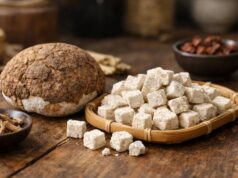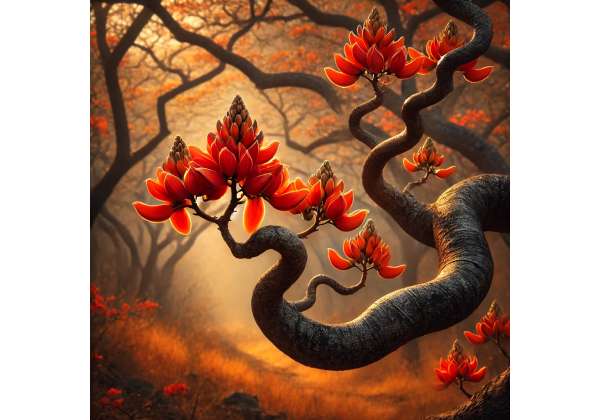
Flame of the Forest, botanically known as Butea monosperma, is one of South Asia’s most recognizable medicinal trees. Its bright orange-red flowers have made it culturally famous, but traditional medicine values far more than its appearance. The flowers, bark, gum, leaves, and seeds have all been used in Ayurvedic and folk practice for digestive complaints, intestinal worms, skin problems, inflammation, bleeding disorders, urinary discomfort, and wound care. Modern phytochemical research helps explain that long reputation: the plant contains flavonoids, chalcones, tannins, sterols, and phenolic compounds, with butein, butrin, and isobutrin among its best-known constituents.
Even so, this is not a herb that should be romanticized. Most of the exciting data come from laboratory and animal studies, not from large human trials. Some parts of the plant, especially the seeds, also raise real safety questions when used carelessly. The most useful way to understand Flame of the Forest is as a traditional multipurpose medicinal tree with credible chemistry, promising early research, and a clear need for careful dosing, plant-part selection, and respect for its limits.
Essential Insights
- Flame of the Forest shows promising anti-inflammatory, anthelmintic, antimicrobial, and wound-support activity, but most evidence is still preclinical.
- Its best-known compounds include butein, butrin, isobutrin, coreopsin, and tannin-rich fractions that help explain many traditional uses.
- Traditional adult flower powder doses are often described in the 3 to 6 g range, while flower juice is traditionally described at 10 to 20 mL.
- Seed preparations deserve extra caution because animal toxicology work suggests powdered seeds can produce organ-level adverse effects.
- Pregnant or breastfeeding people, children, and people trying to conceive should avoid unsupervised medicinal use.
Table of Contents
- What Is Flame of the Forest
- Key Ingredients and Active Compounds
- What Flame of the Forest May Help With
- How to Use Flame of the Forest
- Flame of the Forest Dosage and Timing
- Side Effects and Who Should Avoid It
- What the Research Actually Says
What Is Flame of the Forest
Flame of the Forest is a medium-sized deciduous tree from the Fabaceae family. It is native to the Indian subcontinent and is widely known by names such as palash, dhak, tesu, and bastard teak. In the dry season, its branches burst into vivid orange-scarlet flowers, giving the tree its dramatic English name. Yet in traditional medicine, the visual appeal is only a small part of the story. Nearly every major part of the tree has been used medicinally: flowers, gum, bark, seeds, leaves, and in some traditions even the roots.
This wide medicinal use is one reason the plant can be hard to summarize. Different parts have different actions. The flowers are commonly associated with cooling, astringent, anti-inflammatory, and urinary-support roles. The gum, often called Bengal kino, is traditionally used for astringent and tissue-supporting purposes. The seeds have a long reputation in worm-related conditions. The bark appears in traditional formulations for diarrhea, inflammation, and tissue irritation. That means “Butea monosperma” is not really one remedy. It is more accurate to think of it as a medicinal tree with multiple pharmaceutically distinct parts.
In Ayurvedic literature, Flame of the Forest has been used in conditions involving worms, skin disease, piles, urinary difficulty, bleeding disorders, intestinal weakness, wound care, and inflammatory complaints. Some traditional texts also place it in reproductive and cleansing contexts, which becomes important later when safety is discussed. In daily practice, it has appeared as powder, fresh juice, decoction, paste, gum, and medicated oil.
Modern interest in the plant comes from two different directions. The first is ethnomedicine: the herb has remained relevant for centuries, which makes it a natural candidate for pharmacological study. The second is chemistry: once researchers started analyzing the flowers, bark, and seeds, they found a rich mixture of chalcones, flavonoids, tannins, sterols, and phenolic compounds that gave traditional claims at least some biochemical credibility.
Still, readers should be careful not to confuse long use with proven effectiveness. Flame of the Forest has many traditional indications, but only a narrow slice of them has been studied in a way that would satisfy modern clinical standards. That makes it a classic example of a plant that is clearly medicinal, clearly active, and still not fully mapped in human care.
Because it is often compared with other colorful, anti-inflammatory botanicals, it can be helpful to place it beside curcuma and other traditional inflammatory herbs. The difference is that Flame of the Forest is less standardized, more part-specific, and more dependent on traditional context.
Key Ingredients and Active Compounds
The medicinal reputation of Flame of the Forest comes from a chemically diverse profile rather than a single superstar molecule. That said, a few compounds appear again and again in the literature and help explain why the flowers and bark attract the most pharmacological attention.
The best-known constituents include:
- Butein
- Butrin
- Isobutrin
- Coreopsin
- Isocoreopsin
- Sulphurein
- Flavonoids and chalcones
- Tannins
- Sterols and triterpenoid-type compounds
- Phenolic fractions from flowers, bark, and gum
Butein is often the first compound researchers mention. It is a chalcone with antioxidant, anti-inflammatory, and antiproliferative activity in experimental systems. This does not make it a ready-made medicine, but it does help explain why flower extracts of Butea monosperma show consistent activity in inflammation and oxidative stress models. Butrin and isobutrin are closely related flavonoid-type compounds also isolated from the flowers. They have been studied for anti-inflammatory and matrix-modulating effects and may help explain why flower extracts keep appearing in skin, inflammation, and tissue-support discussions.
The flower chemistry is especially important. Reviews describe the flowers as rich in flavonoids and glycosides, including butrin, isobutrin, and coreopsin. This helps explain why the flower is often the preferred medicinal part when the goal is a gentler, more anti-inflammatory or tissue-supportive preparation. By contrast, the seeds have a different reputation: they are often discussed for anthelmintic use, but they also raise more safety concerns.
The gum, known as Bengal kino, is chemically simpler from a practical standpoint. It is rich in tannins and has a distinctly astringent medicinal profile. That fits well with its traditional use in diarrhea, tissue tightening, wound-related care, and certain local applications where astringency is desirable. The bark brings its own mixture of polyphenols, flavonoids, and bioactive fractions, which is why it shows up in studies on inflammation, oxidative stress, and intestinal disorders.
A useful way to organize the chemistry is by likely functional role:
- Flowers:
- Rich in butein, butrin, isobutrin, and colorful flavonoids
- Most relevant to anti-inflammatory, antioxidant, and skin-support research
- Gum:
- Rich in tannins
- Most relevant to astringent and tissue-supportive use
- Seeds:
- Best known for anthelmintic tradition
- Also the part that deserves the most toxicology caution
- Bark:
- Important in anti-inflammatory and digestive-use traditions
Compared with a better-known warming digestive such as ginger and its pungent phenolics, Flame of the Forest is less about volatile pungency and more about flavonoids, chalcones, and tannin-rich fractions. That is one reason its uses often lean toward astringency, worms, tissue support, skin care, and inflammatory regulation rather than simple stomach warming.
The chemistry, then, gives the tree a serious medicinal profile. But it also creates a practical warning: different plant parts are not interchangeable. A flower preparation cannot be assumed to behave like a seed powder, and that distinction matters for both benefits and safety.
What Flame of the Forest May Help With
Flame of the Forest is associated with a long list of possible benefits, but the evidence does not support all of them equally. The most sensible approach is to divide its uses into three layers: traditional high-confidence uses, plausible preclinical benefits, and claims that are still too speculative for real-world confidence.
The strongest traditional role of the seeds is in deworming. Both older laboratory work and animal studies support the idea that Butea monosperma seed preparations have genuine anthelmintic activity. This matches long-standing Ayurvedic use in intestinal worm disorders. It is one of the more believable traditional indications, although that does not mean people should self-treat parasitic infection without proper diagnosis. Modern parasitic disease management is still a medical issue first.
The flowers appear most relevant for anti-inflammatory and tissue-support applications. Experimental work on flower extracts suggests antioxidant, anti-inflammatory, and matrix metalloproteinase-modulating activity, especially in skin-related models. This supports the traditional use of flower-based preparations in inflammatory states, topical care, and certain skin-oriented formulations. The evidence is still preclinical, but it is coherent rather than random.
Other realistic benefit areas include:
- Mild topical inflammatory support
- Antioxidant activity
- Traditional support for diarrhea and astringent needs, especially with gum-based preparations
- Wound-related research interest
- Traditional urinary and burning-sensation support, particularly with flowers
- Possible digestive support in specific traditional contexts
Where the evidence becomes weaker is in the broader marketing language often used online. Claims for diabetes, liver disease, infertility treatment, cancer prevention, and sexual enhancement are based mostly on animal, cell, or older exploratory studies. Some of these signals are interesting. None of them justify presenting Flame of the Forest as a proven treatment for those conditions.
There is also an important reproductive nuance. The plant is sometimes described traditionally as an aphrodisiac or reproductive tonic, yet some animal studies suggest antifertility effects under certain extract, dose, and duration conditions. That contradiction is a reminder that traditional reputation and pharmacology do not always line up neatly. It is a major reason the herb deserves more caution than a casual wellness blog might suggest.
For external use, the plant’s anti-inflammatory and skin-support profile can be compared with calendula and other topical tissue-support herbs. The difference is that calendula has a softer safety reputation, while Flame of the Forest has stronger part-to-part differences and a narrower comfort zone.
A careful summary of benefits would be this:
- Most plausible:
- Traditional deworming role of the seeds
- Anti-inflammatory and antioxidant activity of flower extracts
- Astringent uses of the gum
- Promising but not clinically settled:
- Wound-support and skin-formulation use
- Digestive and intestinal-inflammatory support
- Antimicrobial activity
- Still too uncertain for confident self-treatment:
- Diabetes
- Cancer
- Sexual-health enhancement
- Fertility support
That middle-ground view is the most honest one. Flame of the Forest is clearly medicinal, but its strongest value lies in targeted traditional use rather than universal herbal claims.
How to Use Flame of the Forest
Using Flame of the Forest correctly starts with choosing the right plant part. This matters more than it does with many herbs because the flowers, seeds, gum, and bark are used differently and do not share the same safety profile.
The main practical forms are:
- Flower powder
- Flower juice
- Seed powder
- Gum powder or gum-based preparation
- Bark decoction
- External paste or oil-based application
Flower preparations are usually the gentlest place to start. Traditional systems use the flowers in powder, juice, infusion, or topical forms. These are the forms most often associated with urinary burning, astringent support, inflammation, and skin-oriented applications. In modern herbal practice, flowers are the best fit when the goal is broad support without leaning too heavily on the more aggressive seed profile.
Seed use is more specialized. Traditional medicine often links the seeds with intestinal worms and cleansing-type protocols. But this is not a part to use casually. Seeds are pharmacologically active and can be more toxic than flower or gum preparations. A person who sees online advice to take seed powder routinely for general health should treat that as a warning sign, not a recommendation.
The gum, or Bengal kino, is especially suited to astringent roles. Traditional use often places it in bowel-related support, tissue tightening, wound-adjacent applications, and sometimes formulas for discharge or bleeding-related contexts. The gum’s strong tannin content helps explain this use pattern. It behaves more like an astringent medicinal resin than a general tonic.
Bark use usually appears as a decoction or extract and belongs more to traditional digestive, inflammatory, and sometimes topical contexts. Recent mechanistic research has also renewed interest in stem bark for inflammatory bowel conditions, though this is still at an early stage.
A practical way to choose form is:
- Use flowers when the goal is gentler internal or external support.
- Use gum when astringency is the main desired action.
- Use bark only when the preparation is well defined.
- Use seeds only with real purpose and preferably professional guidance.
External use deserves its own note. Flower-based pastes and extracts have been studied for skin inflammation and wound-healing potential, and traditional practice often uses the plant externally in irritated or inflamed tissue states. In that role, it can also be compared with neem and other traditional South Asian skin herbs, though Flame of the Forest is generally less known and less standardized in modern skin-care products.
The biggest practical mistake is treating all parts as equal. Someone using a mild flower preparation is making a very different choice from someone using seed powder. Another mistake is trying to reproduce animal-study extracts at home. Most of the interesting studies use specific solvents, purified fractions, or experimental doses that do not translate directly into self-care.
In real life, Flame of the Forest works best as a plant-part-specific herb, not a one-size-fits-all remedy. That single idea prevents many of the most avoidable mistakes.
Flame of the Forest Dosage and Timing
There is no single clinically validated adult dose for Flame of the Forest as a whole, because the plant is used in several distinct forms. The most useful dose information comes from traditional pharmacopoeial sources, and those doses are tied to specific parts of the plant rather than to a generalized Butea monosperma supplement.
Traditional reference amounts include:
- Flower juice:
- 10 to 20 mL
- Flower powder:
- 3 to 6 g
- Gum:
- 0.5 to 1.5 g
These ranges are helpful, but they should not be treated as universally evidence-based therapeutic prescriptions. They are traditional dose references, not modern clinical consensus. That distinction is especially important because many modern supplements do not clearly say whether they contain flower, gum, bark, or seed material.
For practical use, dosage decisions should follow three rules.
First, match the dose to the plant part. A 3 to 6 g flower powder range does not mean 3 to 6 g of seed powder is reasonable. This is one of the easiest ways to misuse the plant.
Second, start low and stay purposeful. Since human safety data are limited and some parts raise reproductive or organ-toxicity concerns in animals, it is wiser to use the smallest relevant traditional amount for the shortest useful period rather than push the upper range.
Third, think in short courses unless you have a clear reason not to. Flame of the Forest is better suited to targeted, situation-specific use than to indefinite daily supplementation. This is especially true for seeds and concentrated extracts.
A practical timing framework looks like this:
- Flower powder:
- Often taken once or twice daily in divided use
- Flower juice:
- Usually taken in measured small amounts rather than sipped freely
- Gum:
- Often taken in smaller quantities because of its concentrated astringent nature
- Bark decoction:
- Timing depends heavily on the formulation and tradition
If a person is using Flame of the Forest for digestive or worm-related purposes, timing around meals may matter in traditional practice, but consistency matters more than exact timing. If the herb is used externally, frequency usually depends on local tolerance and the type of preparation.
The biggest dosing mistakes are:
- Treating all parts as dose-equivalent
- Copying animal-study mg per kg doses into human self-use
- Using seed material long term without supervision
- Combining several Butea forms at once and losing track of total exposure
Because the human evidence is still thin, dosage should be conservative. In other words, traditional ranges are useful landmarks, not invitations to experiment aggressively. For most readers, flower-based preparations sit in the most comfortable part of the spectrum, while seed-based use belongs in the most cautious one.
Side Effects and Who Should Avoid It
The safety of Flame of the Forest depends heavily on which part is being used. This is the central safety fact, and it cannot be repeated too often. Flowers, gum, bark, and seeds do not carry the same risk profile.
The strongest caution surrounds the seeds. Animal toxicology studies suggest that seed powder can produce pathological changes in multiple organs when used chronically. That does not prove the same degree of harm in every human context, but it is enough to make unsupervised seed use a poor idea. Seed powder is not a casual daily supplement.
Possible side effects across different preparations may include:
- Digestive irritation
- Loose stools or bowel discomfort
- Nausea with strong preparations
- Mouth or throat irritation from astringent forms
- Skin irritation with topical use in sensitive people
- Reproductive concerns based on animal data
Reproductive safety deserves special attention. Some animal studies suggest antifertility effects from flower extracts under specific dose and duration conditions. Older traditional and animal literature also raises concern around seed-related reproductive effects. Even though these findings do not automatically translate into human contraceptive action, they are enough to support a real caution. People who are pregnant, breastfeeding, trying to conceive, or concerned about reproductive health should avoid medicinal use unless guided by a qualified professional.
The people most likely to need a firm avoid list are:
- Pregnant people
- Breastfeeding people
- People trying to conceive
- Children, especially for internal seed use
- People with significant liver, kidney, or gastrointestinal disease
- Anyone taking multiple medicines without professional review
Topical use is likely safer than heavy internal seed use, but even external preparations can irritate sensitive skin. A small patch test is a sensible first step, especially if the preparation is homemade or concentrated.
A final practical warning is that “traditional” does not always mean gentle. Flame of the Forest has real pharmacological activity. That is part of its value, but also part of its risk. A person using a light flower preparation for a short period is making a different safety choice from someone taking seed powder repeatedly or using mixed extracts from unknown sources.
If you compare it with more widely used anti-inflammatory herbs such as boswellia and related standardized extracts, Flame of the Forest usually has a weaker human evidence base and more uncertainty around part-specific safety. That does not make it unusable. It simply means it should be used with more restraint.
The safest general rule is this: favor the better-known traditional parts, keep the dose modest, avoid seed experimentation, and do not use the herb as a substitute for real medical care in infection, intestinal disease, or reproductive concerns.
What the Research Actually Says
The research on Flame of the Forest is impressive in quantity but uneven in quality. That is the most accurate way to describe it. There is a large body of phytochemical, animal, in vitro, and ethnomedicinal literature. What is missing are enough strong human trials to turn the plant into a modern evidence-based herbal medicine for specific diseases.
What the research supports best is phytochemical richness and broad bioactivity. Reviews consistently describe antioxidant, anti-inflammatory, antimicrobial, anthelmintic, hepatoprotective, wound-related, and tissue-modulating effects across flowers, bark, gum, and seeds. The chemistry behind these findings is credible. Compounds such as butein, butrin, and isobutrin are repeatedly identified and tied to specific mechanistic effects.
The anti-inflammatory story is among the strongest mechanistic themes. Flower extracts have shown the ability to lower inflammatory mediators and inhibit matrix metalloproteinases in human skin-cell models. That is important because it gives traditional external and inflammatory use a meaningful laboratory foundation. It still stops short of proving that a flower extract cream will reliably treat human inflammatory skin disease in routine practice.
The anthelmintic story is also notable. Seed extracts have shown both in vitro and in vivo activity against worms and nematodes, including veterinary models. This is one of the areas where traditional use and experimental evidence line up especially well. Even here, though, the jump from promising antiparasitic activity to safe home treatment in humans is too large to make casually.
The weakest area is direct clinical proof in humans. There are very few controlled human trials using Butea monosperma as a single standardized intervention. One older clinical study used palash as part of a polyherbal formula for giardiasis, but that does not establish monotherapy efficacy for Flame of the Forest alone. This limitation matters because many broad health claims online sound more settled than the evidence actually is.
The research can be grouped like this:
- Strongest support:
- Rich phytochemistry
- Anti-inflammatory mechanisms
- Anthelmintic activity in experimental and veterinary models
- Traditional medicinal breadth
- Moderate support:
- Wound-healing and skin-support potential
- Antioxidant and antimicrobial activity
- Digestive and intestinal-inflammatory relevance
- Weakest support:
- Human clinical outcomes
- Standardized dosing guidance
- Long-term safety across different extracts
So what does the evidence justify today? It justifies respect, not hype. Flame of the Forest is a serious traditional medicinal tree with promising modern support. It does not yet justify strong human claims for diabetes, liver disease, infertility treatment, sexual enhancement, or cancer management. The wisest conclusion is that the plant deserves continued research and careful traditional use, but not exaggerated certainty.
References
- Butea monosperma as a collective phytomedicine and environmentally sustainable, conservative, and beneficial plant 2024 (Review)
- THE AYURVEDIC PHARMACOPOEIA OF INDIA 2005 (Official Pharmacopoeia)
- Protective effect of a Butea monosperma (Lam.) Taub. flowers extract against skin inflammation: antioxidant, anti-inflammatory and matrix metalloproteinases inhibitory activities 2013 (Mechanistic Study)
- Chronic toxicity study of Butea monosperma (Linn.) Kuntze seeds in albino rats 2011 (Toxicology Study)
- In vivo anthelmintic activity of Butea monosperma against Trichostrongylid nematodes in sheep 2006 (In Vivo Study)
Disclaimer
This article is for educational purposes only and is not medical advice. Flame of the Forest is a traditional medicinal tree with promising preclinical research, but it does not have well-established human dosing standards for most health uses. Different plant parts have different safety profiles, and seed preparations may be riskier than flower or gum forms. Do not use this herb to replace medical care for parasitic infection, chronic digestive disease, skin infection, infertility, or any serious health condition. Pregnant or breastfeeding people, children, and anyone taking prescription medicines should speak with a qualified healthcare professional before using it medicinally.
Please share this article on Facebook, X, or any other platform you prefer if you found it useful.