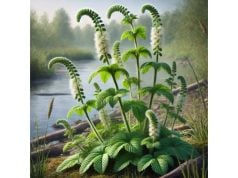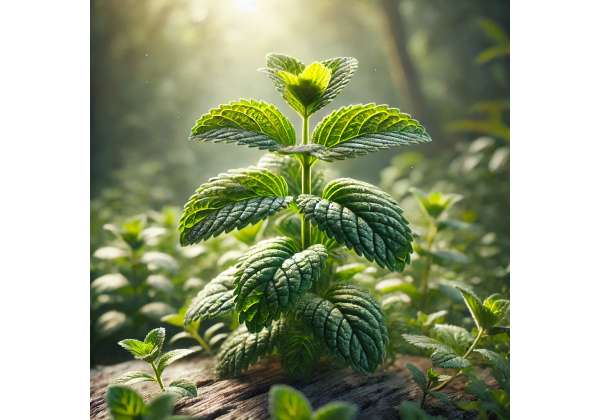
Ginger mint is a lively, aromatic herb that combines the cooling brightness people expect from mint with a warmer, spicier edge that explains its common name. Botanically listed as Mentha × gracilis, it belongs to the complex mint family, where hybrids are common and chemistry can shift with cultivar, growing conditions, and harvest time. In practical terms, ginger mint is best known as a culinary herb, tea plant, and fragrant source of essential oil rather than as a standardized medicinal product.
Its likely strengths are familiar mint strengths: digestive comfort, freshening effects, mild soothing value for the throat and upper airways, and useful antioxidant compounds from its leaves and volatile oil. Its limitations matter just as much. Direct human research on ginger mint itself is sparse, and many health claims are borrowed from broader Mentha research or from better-studied relatives such as peppermint and spearmint. That means the smartest way to use ginger mint is food-first and moderate. It is a helpful herb, but not one that should be treated like a high-evidence medical treatment.
Key Takeaways
- Ginger mint is most useful for light digestive support, fresh herbal tea, and aromatic culinary use.
- Its most relevant compounds are mint-family volatile oils and polyphenols, which may contribute antioxidant and antimicrobial activity.
- A cautious adult tea range is about 1.5 to 3 g dried leaf in 100 to 150 mL hot water, up to 3 times daily.
- Large amounts of concentrated oil may worsen heartburn and are not appropriate for unsupervised internal use.
- People with mint allergy, reflux, gallstone disorders, pregnancy, or very young children should avoid medicinal-strength use.
Table of Contents
- What is ginger mint
- Key compounds in ginger mint
- What can ginger mint help with
- How to use ginger mint
- How much per day
- Safety and who should avoid it
- What the evidence actually says
What is ginger mint
Ginger mint is a hybrid mint grown for its fragrant leaves and its pleasant balance of coolness and spice. The plant is usually described as a member of the Mentha group rather than as a stand-alone medicinal species with a long monograph of its own. That distinction matters. Ginger mint is real and useful, but most people meet it as a kitchen herb, tea herb, or garden plant before they ever meet it as a remedy.
Its common name can be slightly misleading. Ginger mint is not a mixture of mint and true ginger, and it does not contain ginger rhizome compounds such as gingerols. The “ginger” part refers to the warm, lightly spicy impression in the aroma and flavor. The leaf usually tastes softer than peppermint, less sweet than some spearmints, and more layered than ordinary garden mint. That makes it especially useful in fresh summer drinks, chopped herb sauces, fruit dishes, and mild digestive teas.
Like many mints, ginger mint spreads readily and is usually cultivated from divisions or cuttings rather than relied on for stable seed-grown uniformity. This is one reason mint identity can feel confusing in gardening and herbal writing. Hybrid mints often overlap in naming, scent, and chemistry, and some commercial plants sold under one mint name may lean chemically closer to another. For the reader, the practical lesson is simple: the exact profile of ginger mint can vary, so its effects should be approached with some flexibility rather than assumed to be identical every time.
In traditional-style use, ginger mint belongs to the same broad family of uses as other household mints:
- Freshening the breath and palate
- Supporting light digestion after meals
- Making warm or cold herbal infusions
- Adding fragrance and brightness to food
- Providing mild aromatic comfort during stuffy or tense moments
That places it closer to a daily-use herb than to an aggressive medicinal botanical. It is a plant that tends to work best in modest amounts and in ordinary routines. It can be chopped into salads, blended into sauces, infused as tea, or added to fruit and yogurt. That flexibility is part of its appeal.
A helpful comparison is other fresh kitchen herbs used for both flavor and gentle wellness support. Like them, ginger mint does not need to be dramatic to be valuable. It earns its place through repeated small uses: better-tasting meals, a lighter finish to rich food, and a calm, aromatic cup of tea when the stomach or throat wants something simple.
The most honest way to frame ginger mint is this: it is a food-forward aromatic herb with plausible medicinal value, not a high-proof remedy with tightly standardized clinical dosing. Once that is clear, its benefits and limits become much easier to understand.
Key compounds in ginger mint
Ginger mint’s usefulness comes from two overlapping chemical groups: volatile aromatic compounds in the essential oil, and non-volatile polyphenols in the leaf. This is typical of the mint family, but it matters especially here because ginger mint is a hybrid. Hybrid mints can shift in scent and activity depending on cultivar, growing conditions, harvest stage, and whether the plant is used fresh, dried, or distilled.
The volatile fraction is what most people notice first. These compounds shape the scent, cooling effect, and much of the herb’s immediate digestive and sensory action. Across Mentha species, important constituents often include menthol, menthone, carvone, limonene, linalool, linalyl acetate, menthyl acetate, and related monoterpenes. Ginger mint can lean toward a spearmint-like or mixed profile rather than a classic high-menthol peppermint profile, which helps explain why it often smells softer, greener, and less sharply cooling than peppermint oil.
The non-volatile side is just as important, even though it is less obvious to the nose. Mentha species are known for phenolic compounds such as:
- Rosmarinic acid
- Caffeic acid derivatives
- Flavonoids such as luteolin- and apigenin-related compounds
- Eriocitrin and hesperidin in some mint preparations
- Other antioxidant phenolics that vary by species and extraction method
These compounds matter because they help explain why mint leaves often test well in antioxidant and protective assays even when the fresh herb tastes gentle. In practical use, they support the idea that ginger mint is more than a flavoring. It is a chemically active leaf, even if that activity is modest in ordinary tea or culinary portions.
A key point for readers is that essential oil and leaf are not interchangeable. Fresh or dried ginger mint leaf gives you a food-like mix of fiber, water-soluble compounds, and smaller amounts of volatile oil. An essential oil gives you a concentrated, stripped-down volatile fraction. That is why leaf tea can be soothing and mild, while essential oil can be potent, irritating, or too strong for casual internal use.
Another useful detail is that harvest timing changes chemistry. Younger leaves are usually brighter, fresher, and milder. Older leaves can be more fibrous and sometimes less elegant in flavor. Distilled oil may also vary across growing conditions, which is why one ginger mint product may smell noticeably different from another.
This is one reason ginger mint is better treated as a fresh herb or infusion herb than as a standardized supplement. The chemistry is real, but not always uniform. That is not a flaw; it is simply the nature of hybrid aromatic plants.
If you already know other essential-oil-rich herbs, the basic rule is similar here: the same plant can be pleasantly gentle as a leaf and far stronger as a concentrated oil. That distinction should guide both dosage and safety.
What can ginger mint help with
Ginger mint’s most believable benefits are the ones that stay closest to how people actually use mint: digestion, aroma, meal support, and light soothing rather than heavy clinical intervention. When the claims stay in that lane, the herb makes sense. When the claims get too broad, the evidence thins quickly.
The most practical benefit is digestive comfort. Mint-family herbs are widely used after meals because their aroma and volatile compounds can help the stomach feel less heavy and the mouth feel cleaner. Ginger mint is especially well suited to this role because its flavor sits between brisk and warm. A warm cup after a rich meal, or a few leaves chopped into yogurt or fruit, can feel noticeably settling even when the effect is subtle.
A second likely benefit is mild antispasmodic support. This is one of the classic reasons mint remains popular in digestive use. Better-studied Mentha preparations, especially peppermint oil, have more direct clinical evidence in this area than ginger mint does. Still, it is reasonable to think ginger mint may offer a gentler version of that family effect when used as tea or fresh herb. The best word here is may. The hybrid itself is under-studied, so claims should remain careful.
A third benefit is antioxidant support. Mint leaves provide polyphenols and related compounds that can help explain the protective laboratory activity reported for Mentha species. This does not mean ginger mint is a cure for inflammation or oxidative stress, but it supports its place in a diet built around plant-rich, aromatic foods.
Some people also value ginger mint for upper-airway comfort. Warm mint infusions can feel freshening when the throat is mildly irritated or the nose feels stuffy. This is partly sensory and partly related to volatile compounds. It can be genuinely helpful, but it is still a comfort use rather than a treatment for a serious respiratory condition.
In real life, ginger mint often helps by improving the experience of eating and drinking:
- It makes plain water, tea, and fruit more appealing
- It lightens heavy dishes
- It freshens the breath
- It can reduce the desire for overly sweet after-meal options
- It makes herbal self-care feel easy rather than medicinal
That “small but repeatable” value is often more important than dramatic claims. A herb that encourages better eating patterns and smoother digestion can still be useful even when the effect is modest.
For readers who want a comparison point, fennel is another classic food herb valued for post-meal comfort. Ginger mint plays a similar role, though with a cooler, more aromatic profile and less direct evidence of specific digestive outcomes.
The balanced takeaway is that ginger mint likely helps most with mild digestive unease, aromatic refreshment, and plant-based antioxidant support. Those are meaningful benefits. They simply do not justify treating the herb like a clinically proven therapy for IBS, reflux, infection, or chronic inflammatory disease.
How to use ginger mint
Ginger mint is best used in ways that preserve its aroma and keep its strength in proportion. For most people, the most useful forms are fresh leaves, dried leaf for tea, and occasional external aromatic use. Strong internal essential-oil use is the least suitable option for casual self-care.
Fresh leaf is the most forgiving form. It works well when finely chopped into fruit, cucumber dishes, yogurt sauces, herb butters, tabbouleh-style salads, and cold drinks. Because ginger mint has a warmer edge than some other mints, it can pair especially well with melon, citrus, peas, carrots, and soft cheeses. It also works in savory dishes where peppermint might feel too sharp.
A simple and reliable way to use it is as infusion tea. Fresh or dried leaves can be steeped in hot water for a mild digestive or comforting drink. This is probably the most practical medicinal-style use at home because it keeps the herb in a whole-leaf format and avoids the concentration issues that come with essential oil.
Useful everyday forms include:
- Fresh leaf in salads, chopped fruit, or dressings
- Warm infusion after meals
- Chilled herbal water or iced tea
- Herb syrups in small amounts
- Garnish for soups, grains, and yogurt bowls
- Steam from a hot mug for simple aromatic comfort
Drying is acceptable, but some of the bright top notes will soften. That does not ruin the herb. It simply shifts it from vivid fresh mint toward a rounder tea profile. For many people, that is actually better for evening or after-dinner use.
Essential oil is where more caution is needed. Ginger mint oil may be useful in fragrance blends, diluted massage preparations, or room diffusion, but internal use is not a good casual choice. Mint-family oils are chemically active, and composition can vary. If an oil product is used externally, it should be diluted first and kept away from eyes, broken skin, and mucous membranes.
There are also a few common mistakes worth avoiding:
- Using too much leaf and assuming stronger flavor means stronger benefit
- Drinking very strong mint infusions on an empty stomach when reflux is already present
- Treating essential oil as interchangeable with tea
- Relying on the herb to manage ongoing digestive symptoms without medical evaluation
- Assuming every ginger mint plant has the same chemistry
A good rule is to let aroma guide quantity. Ginger mint should brighten a drink or dish, not dominate it harshly. If the cup tastes bitter, overly cool, or irritating, it is probably too strong.
Compared with more purely calming tea herbs such as chamomile, ginger mint feels fresher and more activating. That can make it a better daytime or post-meal herb than a bedtime herb for some people, although many still enjoy it in the evening.
How much per day
There is no clinically standardized daily dose specifically for ginger mint leaf, tincture, or essential oil. That is the central fact behind any honest dosage advice. The hybrid is not supported by its own major human dosing monograph, so practical use usually borrows from broader mint practice while staying conservative.
For food use, ginger mint does not need large quantities to be effective. A practical range is:
- 5 to 10 fresh leaves as a garnish or drink addition
- About 5 to 15 g fresh leaf in a meal or tea preparation
- Small repeated culinary use rather than one large serving
For tea, a cautious adult range is to use about 1.5 to 3 g dried leaf in 100 to 150 mL of hot water, up to 3 times daily. That range comes from the better-established tradition of mint-leaf herbal infusions rather than from ginger mint-specific human trials. If using fresh leaf instead of dried, a rough home equivalent is about 2 to 4 g fresh leaf per small cup, depending on how strong the plant smells and tastes.
This is a good place to be precise about what dosage means. Tea dosage is not the same as essential-oil dosage. Leaf infusion is comparatively gentle. Essential oil is concentrated and should not be taken internally in an unsupervised home setting. For most readers, there is no need to move beyond leaf and tea use.
Timing matters too. Ginger mint is usually best:
- After meals for heaviness or bloating
- Midday when a fresh, bright herb feels welcome
- During periods of mild throat or upper-airway irritation
- In short runs of a few days to two weeks for symptom-focused use
If symptoms continue beyond that, the issue may not be one that a kitchen herb should be managing.
Duration should stay reasonable. Occasional daily use as food is fine for most healthy adults. Medicinal-style use, such as several cups a day for digestive support, makes more sense as a short-term pattern than as an indefinite habit. That is especially true if heartburn, gallbladder issues, or medicine interactions are a concern.
For children, pregnancy, and breastfeeding, it is smarter to stay with ordinary food amounts unless a clinician advises otherwise. Medicinal-strength intake is not well studied in these groups.
A useful comparison is lemon balm, another herb that can be used daily but works best when the dose is matched to the goal. Ginger mint should be approached the same way: enough to be useful, not enough to become irritating.
So the most practical dosage answer is this: small food portions, moderate tea strength, short-term medicinal-style use, and no casual internal essential-oil dosing.
Safety and who should avoid it
Ginger mint is usually well tolerated in culinary amounts, but safety becomes more important as the preparation becomes more concentrated. Fresh leaf in food is one thing. Repeated strong infusions, tinctures, and especially essential oils are another. That difference matters because mint-family plants contain active volatile compounds that can help in the right amount and irritate in the wrong one.
The most common problem is reflux or heartburn. Mint preparations can relax smooth muscle in ways that feel helpful for spasm or heaviness, but that same effect may worsen symptoms in people with gastroesophageal reflux. This is one of the clearest practical cautions with medicinal-strength mint use. A few leaves in food may be fine, but stronger tea or repeated concentrated use can be a different story.
Possible side effects include:
- Heartburn or worsening reflux
- Nausea if a preparation is too strong
- Mouth or throat irritation from concentrated oil
- Headache or smell sensitivity in some people
- Allergic reactions in people sensitive to mint or menthol-like compounds
Gallbladder and biliary disorders also deserve caution. This is not because ginger mint is known to be uniquely dangerous, but because mint-family leaf preparations are often used carefully in these settings. If someone has active gallstone symptoms or a known biliary disorder, medicinal-style use should be discussed with a clinician first.
Pregnancy and breastfeeding are another area where moderation matters. Culinary amounts are a separate question from medicinal use. A garnish or ordinary tea now and then is not the same as repeated strong infusions, tinctures, or oils. Because safety data on ginger mint specifically are limited, it is better to avoid concentrated self-treatment during pregnancy and lactation.
Children also need more restraint. Mint teas are often assumed to be harmless, but concentrated preparations are not the same as flavored warm water. For very young children, medicinal-strength use is not a good casual choice, and essential oils should be handled especially carefully around the face and upper airway.
People who should be most cautious include:
- Anyone with reflux or frequent heartburn
- People with gallstones or biliary disease
- Those with mint allergy or menthol sensitivity
- Pregnant or breastfeeding adults considering medicinal doses
- Young children
- Anyone planning internal essential-oil use without professional guidance
There is also a chemistry-specific caution with some mint oils: exposure to compounds such as pulegone and menthofuran should be kept low when relevant products contain them. Not every ginger mint preparation will contain these in meaningful amounts, but the broader lesson is important: mint essential oils are not casual beverages.
A good mental model is to treat ginger mint the way you would treat any concentrated aromatic herb: fresh leaf is gentle, tea is moderate, and essential oil is potent. That layered view prevents most avoidable problems.
What the evidence actually says
The evidence for ginger mint is promising but indirect. That is the most accurate summary. There is good reason to think the herb has real digestive, antioxidant, antimicrobial, and aromatic value, yet most of that confidence comes from one of three places: direct chemistry studies on Scotch spearmint or related Mentha × gracilis material, broader Mentha reviews, and better clinical evidence for other mints, especially peppermint.
What we know with reasonable confidence is that ginger mint belongs to a phytochemically active genus. Mint species consistently contain volatile terpenes and polyphenols with measurable biologic actions. In laboratory work, these compounds can show antioxidant activity, microbial inhibition, and protective effects in cell or animal models. Ginger mint or Scotch spearmint has also been studied for essential-oil composition and antioxidant behavior, which supports the idea that it is not merely a decorative herb.
What we do not have is a large set of ginger mint-specific human trials. There is no major clinical literature showing that Mentha × gracilis, by itself, reliably treats IBS, nausea, infections, headaches, or respiratory disease at defined doses. That gap matters because it keeps the article honest. Some mint-family benefits are real, but not every mint inherits the same strength of clinical proof.
The strongest clinical bridge comes from Mentha as a genus, especially in gastrointestinal use. Systematic reviews of mint interventions show that mint oils and preparations can help some digestive symptoms, but those studies mostly involve peppermint oil or mixed Mentha products, not ginger mint leaf tea from a home garden. That means ginger mint can reasonably be described as plausible for light digestive support, but not as clinically established in the same way as enteric-coated peppermint oil.
This is where overstatement often happens. Because the family is well studied, a less-studied member gets marketed as if it has the same evidence base. That is not sound herbal writing. Ginger mint deserves a more precise description:
- Its chemistry supports gentle medicinal interest
- Its direct human evidence is limited
- Its safest and most defensible use is culinary or mild tea use
- It should not be sold as a substitute for better-studied mint preparations in medical settings
That conclusion is not disappointing. In fact, it is useful. Many of the best everyday herbs are not dramatic. They improve meals, settle mild symptoms, and fit naturally into routines without pretending to replace care.
A final practical point is that hybrid mints can vary. So even if the literature on Mentha looks strong at the genus level, one ginger mint plant may not behave exactly like another. That is another reason food-first use remains the best fit.
So what does the evidence actually say? Ginger mint is credible, aromatic, and worth using. It is also under-studied enough that its health claims should stay modest, especially once you move beyond leaf and tea into concentrated products.
References
- Investigating the Health Potential of Mentha Species Against Gastrointestinal Disorders—A Systematic Review of Clinical Evidence 2025 (Systematic Review) ([PMC][1])
- A Comprehensive Review of the Key Characteristics of the Genus Mentha, Natural Compounds and Biotechnological Approaches for the Production of Secondary Metabolites 2023 (Review) ([PMC][2])
- The Wonderful Activities of the Genus Mentha: Not Only Antioxidant Properties 2021 (Review) ([PMC][3])
- Chemical Composition and Antioxidant Properties of Essential Oils from Peppermint, Native Spearmint and Scotch Spearmint 2019 (Comparative Study) ([PubMed][4])
- Menthae piperitae folium – MO 2020 (Herbal Monograph) ([European Medicines Agency (EMA)][5])
Disclaimer
This article is for educational purposes only and is not a substitute for medical advice, diagnosis, or treatment. Ginger mint is a culinary and herbal plant with plausible health value, but direct human research on Mentha × gracilis is limited, and many medicinal claims are inferred from broader mint-family evidence. Seek professional advice before using medicinal-strength ginger mint if you are pregnant, breastfeeding, have reflux, gallbladder disease, a mint allergy, or take regular medications. Do not ingest essential oil casually or use it in place of appropriate medical care.
If you found this article useful, please share it on Facebook, X, or your preferred platform.