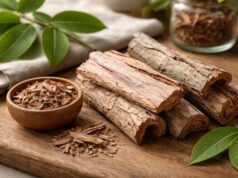
Absinth wormwood (Artemisia absinthium) is a famously bitter herb with a long tradition as a digestive tonic and appetite awakener. In small, well-chosen doses, its characteristic bitterness can help “switch on” the body’s pre-meal readiness—salivation, stomach acid signaling, and bile flow—making it a practical option for occasional sluggish digestion, early fullness, or post-meal heaviness. Wormwood is also studied for antimicrobial and anti-inflammatory activity, which explains why it appears in historic protocols for intestinal complaints and, in modern research, as a complementary candidate in inflammatory bowel conditions.
At the same time, wormwood is not a casual everyday herb. Its essential oil can contain thujone, a compound associated with neurotoxicity at high exposures, and concentrated products raise the safety stakes. The most responsible way to approach absinth wormwood is to use the right form, keep doses modest, limit duration, and avoid it entirely in higher-risk groups such as pregnancy or seizure disorders.
Essential Insights
- May improve appetite and reduce occasional post-meal heaviness by activating digestive “bitter” signaling.
- Common adult range is 1–3 g dried herb per day (tea) or 2–4 mL per day (tincture), depending on strength.
- Avoid wormwood essential oil by mouth; concentrated oils and high doses raise seizure risk.
- Avoid if pregnant or breastfeeding, or if you have epilepsy, a seizure history, or uncontrolled reflux symptoms.
Table of Contents
- What is absinth wormwood?
- Key ingredients and actions
- Health benefits and best uses
- How to use wormwood
- How much per day?
- Side effects and interactions
- What research really shows
What is absinth wormwood?
Absinth wormwood (Artemisia absinthium) is a silvery-green, aromatic perennial in the daisy family (Asteraceae). It grows with a shrubby, upright habit, soft downy leaves, and small yellow flower heads. The aerial parts—mainly the leaves and flowering tops—are used in most traditional preparations. You will often see it called common wormwood or simply wormwood, and it is best known as a classic “bitter” herb rather than a gentle daily tea.
Wormwood’s reputation comes from the way bitterness changes digestion. Bitter herbs tend to work through taste receptors and reflex pathways that signal the body to prepare for food. In practical terms, that can mean more saliva, a stronger appetite signal, and smoother progression from “thinking about eating” to “digesting a meal.” That is why wormwood is historically associated with temporary appetite loss, early satiety, and a heavy or slow feeling after rich food.
It is also easy to confuse wormwood with relatives in the Artemisia genus. A few distinctions help:
- Artemisia absinthium (wormwood) is the intensely bitter “absinthe” herb associated with thujone-containing essential oil.
- Artemisia annua is best known for artemisinin-related malaria research and is a different plant with different use patterns.
- Mugwort (Artemisia vulgaris) is often used differently in traditional systems and is not a direct stand-in for absinth wormwood.
A key safety point belongs here: wormwood essential oil is not the same thing as wormwood tea. Essential oil is a concentrated fraction that can dramatically increase thujone exposure. Traditional use generally relied on low-to-moderate doses of the herb itself, not the essential oil taken by mouth.
Finally, wormwood’s “strong personality” can be an advantage if it is the right tool, and a problem if it is not. If your digestion is already sensitive, if you have active heartburn, or if you are prone to nausea with bitter flavors, wormwood may feel too sharp. In that case, a milder approach—or a shorter trial with a lower dose—tends to be the safer, more informative first step.
Key ingredients and actions
Wormwood is chemically complex, but you can think of it in three “layers”: bitter compounds that drive digestive signaling, aromatic compounds that shape microbial and nervous-system effects, and polyphenols that support broader anti-inflammatory activity.
Sesquiterpene lactones and bitter principles
The hallmark of wormwood is its intense bitterness, largely attributed to sesquiterpene lactones such as absinthin-related compounds. These are not “nutrients” in the vitamin sense; they are plant defense molecules that humans experience as bitter. Their practical value is functional: bitterness can help trigger pre-meal digestive readiness and, in some people, reduce the feeling that food is “sitting” too long after eating.
Essential oil constituents (including thujone)
Wormwood also contains an essential oil fraction with multiple terpenes. The best-known are alpha-thujone and beta-thujone, along with compounds such as camphor and others that vary by plant chemotype, harvest time, and extraction method. This is the part of wormwood that raises the strongest safety questions. Thujone is associated with excitatory nervous-system effects at high exposure, which is why concentrated oils and highly concentrated extracts deserve extra caution.
This is also where product form matters: a water-based tea extracts bitterness well, but it does not extract essential oils the same way that alcohol or oil-based preparations can. That difference partly explains why traditional “bitter tea” use can feel manageable for many adults, while concentrated essential oil use can be risky.
Flavonoids, phenolic acids, and antioxidant tone
Beyond bitterness and aroma, wormwood contains flavonoids and other polyphenols that are studied for antioxidant and anti-inflammatory behavior. These compounds tend to contribute to the herb’s “background” effects—supporting resilience in tissues and signaling pathways—rather than creating a strong immediate sensation.
How these actions translate to real-world use
Putting it together, wormwood is best understood as a targeted digestive activator with potential antimicrobial and inflammation-modulating properties. The most reliable, practical mechanism is the bitter reflex: taken in small amounts near meals, it can support appetite and digestion. The antimicrobial and anti-inflammatory research is intriguing, but it is more dependent on dose, extract type, and context.
A useful mental model is this: wormwood is not primarily “soothing” like a demulcent herb. It is more like a firm nudge toward digestive function. If your main need is calming irritated tissue, wormwood may be the wrong starting point. If your main need is to wake up a sluggish appetite signal and support digestive flow, that is the situation where its chemistry most often aligns with lived experience.
Health benefits and best uses
The most realistic benefits of absinth wormwood cluster around digestion, with a secondary category of uses that are plausible but less certain. A helpful way to keep expectations grounded is to separate “high-confidence traditional fit” from “research-interest territory.”
1) Appetite support and digestive activation
Wormwood is classically used for temporary loss of appetite and that dull “not interested in food” feeling. Taken shortly before a meal, it can sharpen appetite signals and reduce early fullness. People who benefit most often describe one of these patterns:
- appetite is low until they are overly hungry
- they feel full quickly and then snack later
- meals feel heavy even when portions are moderate
In those cases, a small pre-meal dose may help meals feel more “on track,” which can indirectly support steadier energy and more predictable eating.
2) Occasional dyspepsia and post-meal heaviness
For occasional bloating, a slow or heavy feeling after rich food, or mild nausea linked to sluggish digestion, wormwood’s bitter action may help improve digestive flow. It is not a fast antacid. Instead, it is used when the issue feels like “weak ignition” rather than “too much fire.” If your primary complaint is burning reflux, wormwood can aggravate symptoms, so it should be approached carefully or avoided.
If you are comparing bitter herbs, it may help to read about gentian root bitter tonic basics, since gentian is another classic digestive bitter and provides a useful reference point for how bitters are typically used.
3) Microbial balance and traditional “cleansing” claims
Wormwood has a long history in traditional protocols aimed at intestinal microbial imbalance. Modern laboratory work often finds antimicrobial activity in certain extracts, but that does not automatically translate to safe, effective parasite treatment in humans. If you suspect a parasitic infection, confirm it with testing and medical guidance rather than relying on self-treatment.
4) Inflammation-focused interest areas
There is scientific interest in wormwood in inflammatory contexts, including bowel inflammation. This is not a do-it-yourself replacement for standard care, and the human evidence is limited, but it helps explain why wormwood appears in complementary discussions for chronic inflammatory digestive conditions.
What benefits should not be overpromised
Wormwood is sometimes marketed for broad immune support, rapid detox, or guaranteed parasite elimination. Those claims run ahead of what responsible use can justify. The best consumer-centered claim is narrower: wormwood can support appetite and digestion when used carefully, in modest doses, for short periods. If you treat it like a strong tool rather than a daily wellness supplement, it is easier to get benefit while keeping risk low.
How to use wormwood
Choosing the right form matters more with wormwood than with many gentler herbs. Your goal is to match the preparation to your intent while avoiding unnecessary concentration.
Tea (infusion) for traditional bitter use
Tea is often the most conservative entry point because it captures the bitter principles well while keeping the essential oil fraction relatively lower than concentrated oils. A practical approach:
- Use a small amount of dried herb (wormwood is potent and can become unpleasant quickly).
- Steep in hot water for 5–10 minutes.
- Sip slowly, ideally 10–20 minutes before a meal if appetite support is the goal.
If the bitterness feels overwhelming, reduce the amount rather than forcing it. With wormwood, “tolerable” is often the correct zone.
Tinctures and liquid extracts
Alcohol extracts are convenient and dose-flexible, but they can also extract more aromatic constituents than water does. That can be useful in small doses, yet it is also why dosing discipline matters. Many people do best with a low dose taken before meals rather than a large dose taken “whenever.”
Capsules and standardized products
Capsules can be easier to take if you dislike bitterness, but they remove an important safety feedback mechanism: taste. Because you do not experience the bitterness, it is easier to unintentionally take more than you need. If you use capsules, choose products with clear labeling and avoid multi-ingredient blends at first so you can judge wormwood’s effect on your own digestion.
Topical and external use
Traditional practice sometimes uses wormwood externally in washes or compresses. This can reduce systemic exposure, but it does not make the plant “risk-free,” especially for people with ragweed-family sensitivities.
Combining wormwood thoughtfully
Wormwood is often paired with carminative, digestive-comfort herbs to soften the experience. For example, peppermint support for gas and cramping is commonly used alongside bitters because it can make the digestive process feel smoother.
A simple pairing principle is: use wormwood for digestive activation, and use a carminative herb for comfort. Keep combinations minimal until you know how you respond.
What to avoid
- Do not ingest wormwood essential oil.
- Avoid stacking wormwood with multiple other bitter concentrates unless guided by a clinician.
- Avoid using wormwood continuously for months; it is better suited to short, purposeful trials.
Used well, wormwood is less about “taking a supplement” and more about applying a precise nudge at the right time—usually near meals, for a limited period, with clear stopping rules.
How much per day?
Wormwood dosing should be modest, individualized, and time-limited. Because products vary widely, the safest strategy is to start low, measure your response, and avoid long, continuous use.
Typical adult ranges by form
These are commonly used ranges for adults, assuming no contraindications and a reputable product:
- Tea: about 0.5–1 g dried herb per cup, up to 1–3 cups daily depending on tolerance.
- Dried herb total: about 1–3 g per day, divided.
- Tincture or liquid extract: commonly 2–4 mL per day in divided doses, depending on concentration.
If your product uses a ratio (for example 1:5) or lists standardized constituents, follow the label first and treat the ranges above as general context, not a substitute for product-specific directions.
Timing for best effect
- For appetite: take 10–20 minutes before meals.
- For post-meal heaviness: a smaller dose after eating may be preferable if pre-meal dosing worsens heartburn.
- For intermittent use: focus on the meal that tends to cause symptoms rather than dosing all day automatically.
Duration: keep trials short
A conservative pattern is a short trial such as 7–14 days, followed by reassessment. If you still need support after that, consider cycling (for example, a break of at least several days) rather than continuous daily use.
If you are looking for a gentler bitter profile for longer-term support, you might prefer a milder option such as dandelion root and leaf digestive support instead of pushing wormwood beyond its comfortable window.
How to personalize your dose safely
Use a simple step-up approach:
- Start with the lowest practical dose once daily for 2–3 days.
- Increase only if you see no benefit and no irritation.
- Stop increasing once you see improvement; do not chase “maximum effect.”
Signs you are taking too much include nausea, stomach burning, headache, agitation, vivid dreams, or feeling overstimulated. With wormwood, those signals are useful; listen to them.
A note on “more concentrated” products
Highly concentrated extracts can raise exposure to aromatic constituents, including thujone, depending on how they are made. If you cannot determine whether a product is thujone-controlled or standardized, do not assume it is safe at high dose. When in doubt, choose tea or a low-dose tincture from a manufacturer that provides clear quality information.
The safest dosing mindset with wormwood is “minimum effective dose, shortest effective duration.”
Side effects and interactions
Wormwood’s safety profile depends heavily on form and dose. Traditional amounts of the herb used briefly are often tolerated by healthy adults, but concentrated preparations increase the risk of adverse effects.
Common side effects
At higher doses or in sensitive people, wormwood may cause:
- nausea, stomach upset, or vomiting
- heartburn or stomach burning
- headache
- restlessness or sleep disturbance
- dizziness
These effects often reflect “too much” stimulation for the individual or irritation of the upper digestive tract. Reducing dose or stopping typically resolves them.
Thujone-related risks and why essential oil matters
Thujone is associated with excitatory effects on the nervous system at high exposure, which is why wormwood essential oil by mouth is strongly discouraged. The herb itself can still contribute thujone exposure, but the risk rises sharply with concentrated oils and high-dose extracts, especially when used repeatedly.
Who should avoid wormwood
Avoid wormwood unless a qualified clinician specifically recommends it if you are:
- pregnant or breastfeeding
- a child or teenager
- living with epilepsy or any seizure history
- allergic to Asteraceae plants (ragweed-family sensitivities can overlap)
- managing active gastritis, ulcers, or uncontrolled reflux
Also avoid using wormwood if you have unexplained abdominal pain, blood in stool, persistent vomiting, or significant unintended weight loss. Those are evaluation-first symptoms.
Medication and supplement interactions
The clearest theoretical concern is with medications that lower the seizure threshold or treat seizure disorders. Use extra caution (or avoid) if you take:
- anticonvulsant medications
- certain psychiatric medications that may affect seizure threshold
- stimulant-heavy stacks that increase agitation or insomnia
Because wormwood is also used in digestive contexts, people sometimes combine it with multiple bitters, essential oils, or alcohol-based products. This can unintentionally increase exposure to potentially irritating constituents.
Liver and kidney considerations
If you have known liver disease or biliary obstruction, avoid wormwood unless your clinician approves. If you want a more established, gentler option that is often discussed in liver-support contexts, consider reading a general overview like milk thistle liver support overview and discuss appropriate choices with a professional.
When to stop and seek help
Stop wormwood and seek medical guidance if you experience severe vomiting, confusion, tremors, fainting, or any seizure-like symptoms. Also stop if heartburn worsens consistently—wormwood is not the right tool for ongoing reflux.
Wormwood can be useful, but it is a “precision herb.” Safety improves dramatically when you avoid essential oil ingestion, keep doses modest, and limit duration.
What research really shows
Wormwood has a strong traditional reputation and a growing research footprint, but the quality of evidence varies by claim. The most responsible interpretation is that wormwood is well aligned with digestive bitter use, while other applications remain promising but not definitive.
Digestive and antimicrobial findings
Modern studies often confirm that Artemisia absinthium extracts contain bioactive compounds with antimicrobial activity in laboratory settings. This supports the traditional idea that wormwood can influence microbial balance, but it does not automatically prove that wormwood treats infections or parasites safely in humans. Laboratory results depend on extract type and concentration, and human digestive ecosystems are more complex than a petri dish.
For everyday decision-making, treat antimicrobial research as “supportive context” rather than a reason to self-treat suspected infection.
Inflammation-focused clinical interest
Wormwood appears in the clinical literature as a complementary option in inflammatory bowel disease, especially Crohn’s disease. The human trials are relatively small and some used herbal blends rather than isolated wormwood, which makes it harder to know how much of the effect belongs to wormwood itself. Still, the existence of controlled trials suggests this is more than folklore, even if it is not yet mainstream care.
The practical takeaway is cautious: if you have inflammatory bowel disease, wormwood is not a substitute for medical management, but it may be worth discussing with a gastroenterologist or qualified integrative clinician who can consider your medications, disease activity, and safety profile.
Safety research and the thujone problem
Safety discussions consistently return to thujone and essential oil concentration. Research and regulatory guidance emphasize controlling exposure rather than treating wormwood as harmless. This is why reputable products often specify quality controls and why “more concentrated” is not automatically better.
What is missing
For many popular claims—broad detoxification, guaranteed parasite clearance, major immune boosting—the evidence base is not strong enough to justify confident promises. We also need more large, well-designed human trials that:
- standardize the wormwood preparation and dose
- track adverse events carefully
- compare wormwood to established therapies for specific conditions
A grounded bottom line
If you are healthy, not pregnant, and not seizure-prone, a short course of modest-dose wormwood as a bitter tonic is consistent with both tradition and the most plausible mechanisms. For inflammatory or antimicrobial goals, the science is interesting, but the decision threshold should be higher: clinician guidance, clearer product quality, and a careful risk-benefit discussion.
Used with restraint and clarity, wormwood can be helpful. Used casually or in concentrated forms, it can become a preventable safety problem.
References
- New Evidence for Artemisia absinthium L. Application in Gastrointestinal Ailments: Ethnopharmacology, Antimicrobial Capacity, Cytotoxicity, and Phenolic Profile – PMC 2021
- Artemisia spp.: An Update on Its Chemical Composition, Pharmacological and Toxicological Profiles – PMC 2022 (Review)
- Toxicity of Selected Monoterpenes and Essential Oils Rich in These Compounds – PMC 2022 (Review)
- The Role of Plant-Derived Natural Products in the Management of Inflammatory Bowel Disease—What Is the Clinical Evidence So Far? 2023 (Review)
- Steroid-sparing effect of wormwood (Artemisia absinthium) in Crohn’s disease: a double-blind placebo-controlled study – PubMed 2007 (RCT)
Disclaimer
This article is for educational purposes only and is not a substitute for medical advice, diagnosis, or treatment. Wormwood can interact with health conditions and medications, and concentrated preparations may increase the risk of serious side effects, including neurological symptoms. Do not use wormwood if you are pregnant or breastfeeding, have a seizure disorder, or have significant reflux or ulcer disease unless a qualified clinician advises it. Seek urgent medical care for seizure-like activity, confusion, severe vomiting, fainting, or signs of gastrointestinal bleeding.
If you found this guide helpful, please share it on Facebook, X (formerly Twitter), or any platform you prefer so others can read it too.