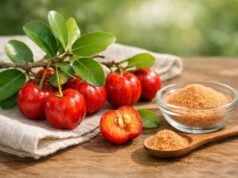
Acai (Euterpe oleracea) is a deep purple berry from an Amazon palm, best known for its rich color, distinctive earthy flavor, and dense concentration of plant compounds. In food form, it is usually eaten as frozen pulp blended into smoothies or bowls. In supplements, it appears as freeze-dried powder or standardized extracts designed to deliver more consistent polyphenol content.
People reach for acai for antioxidant and anti-inflammatory support, especially when they are thinking about heart health, metabolic balance, or recovery from physical stress. It also provides fiber, small amounts of healthy fats, and micronutrients, which can make it a practical “upgrade” ingredient in an otherwise average diet. At the same time, acai is not a shortcut to weight loss, detoxification, or disease treatment. Its benefits depend on the form you use, the dose, what you pair it with, and whether you have a clear, realistic goal.
Essential Insights
- Acai is most useful as a polyphenol-rich food that supports antioxidant balance and cardiometabolic markers modestly over time.
- Choose unsweetened pulp or a standardized extract to avoid “health halo” products that are mostly added sugar.
- A typical daily range is 100–200 g frozen pulp or 5–10 g freeze-dried powder, with extracts often used around 100–300 mg/day.
- Avoid acai supplements if you are pregnant or breastfeeding unless your clinician approves.
- People on blood thinners or diabetes medications should use extra caution and monitor for changes.
Table of Contents
- What is acai and what is in it?
- Key ingredients and medicinal actions
- Does acai support heart and metabolism?
- Inflammation, recovery, and vitality
- How to use and dose acai
- Side effects, interactions, and who should avoid
- What the research actually shows
What is acai and what is in it?
Acai comes from Euterpe oleracea, a palm native to the floodplains of the Amazon basin. The fruit is small—more like a large blueberry than a grape—but it is mostly seed. What people usually consume is the pulp scraped from the thin outer layer of the fruit, commonly sold frozen because the fresh pulp is highly perishable.
A key practical detail: acai is often confused with “acai-flavored” products. Many juices, gummies, and snack bars use a small amount of acai for color or marketing while delivering most of their calories from added sugars. If you want the real nutritional profile, choose unsweetened frozen pulp (often packed in small sachets) or a freeze-dried powder that lists only acai as the ingredient.
What you actually get in a typical serving
Acai is not a high-protein food, and it is not a major vitamin source in the way citrus or leafy greens are. Its value is mainly in:
- Polyphenols and pigments that contribute antioxidant activity and influence inflammatory signaling.
- Dietary fiber (more meaningful in powders than in many strained beverages).
- Fats in whole pulp products (some acai pulps contain modest amounts of mono- and polyunsaturated fats).
- Micronutrients in small amounts, which vary by soil, harvest, and processing.
Because of that variability, the “best” acai choice depends on your goal. If your goal is general dietary quality, food-form acai makes sense. If your goal is targeted polyphenol intake with consistent dosing, an extract or standardized powder may be easier to use predictably.
Finally, acai is best treated as a supportive food, not a stand-alone remedy. The most consistent real-world results tend to come when it is added to a broader pattern: fiber-rich meals, adequate protein, and a long-term approach to sleep, activity, and metabolic health.
Key ingredients and medicinal actions
Acai’s “medicinal” reputation comes largely from its phytochemistry—especially anthocyanins and related polyphenols. These compounds are not medicines in the pharmaceutical sense, but they can influence oxidative stress pathways, endothelial function, and inflammatory signaling in ways that matter over time.
Key compounds you will see discussed
- Anthocyanins: The deep purple pigments. Common examples include cyanidin-based compounds (often discussed as cyanidin-3-glucoside and cyanidin-3-rutinoside in research contexts).
- Flavonoids and phenolic acids: A wider family of polyphenols that can act as antioxidants and cell-signaling modulators.
- Proanthocyanidins and related polyphenols: These may contribute to vascular and inflammatory effects, depending on the product.
- Carotenoids and vitamin E–related antioxidants: Present in varying amounts, influenced by processing and storage.
If you like comparisons, acai sits in the same broad “pigmented polyphenol” category as other dark berries. A useful way to think about it is: acai is one option within a larger toolkit of anthocyanin-rich foods, similar to what you might consider when reading an anthocyanin-rich bilberry guide.
How these compounds may act in the body
Instead of imagining polyphenols as simple “free radical sponges,” it is often more accurate to view them as cell-communication modifiers. At practical dietary doses, many polyphenols appear to:
- Support the body’s own antioxidant enzyme systems (rather than directly neutralizing every oxidant).
- Influence inflammatory signaling pathways that control cytokines and oxidative enzyme activity.
- Affect nitric oxide availability and endothelial function, which connects to circulation and cardiometabolic markers.
- Interact with the gut microbiome, where polyphenols and fiber can shift microbial metabolites that influence inflammation and insulin signaling.
A major nuance is bioavailability: not all anthocyanins are absorbed intact, and many are transformed into metabolites. That does not make them “useless”—it simply means effects can be indirect, dose-dependent, and strongly influenced by the food matrix (pulp vs extract, with fat vs without, alongside fiber vs in a sugary drink).
The bottom line: the “active ingredients” in acai are real, but the outcomes you feel depend on consistent intake, overall dietary context, and realistic expectations about the size of effect.
Does acai support heart and metabolism?
This is where acai gets the most attention—and where clear thinking matters. Many claims (cholesterol “melting,” rapid weight loss, detox) are marketing, not physiology. The more credible discussion centers on modest shifts in oxidative stress markers, inflammation-related biomarkers, and metabolic resilience over weeks to months.
Potential benefits that are most plausible
- Cardiometabolic support through polyphenols
Polyphenols can support vascular function and reduce oxidation of lipids in lab settings. In humans, the best-case scenario is usually small improvements in select biomarkers, not dramatic transformations. - Post-meal metabolic “smoothness”
Some people use acai with carbohydrate-heavy meals because berries can, in some contexts, blunt post-meal oxidative stress. That does not mean acai is a diabetes treatment—but it may be a better dessert base than refined sweets. - Diet quality and displacement
The simplest mechanism is often the most powerful: replacing a sugary snack with an acai bowl built around fiber, protein, and healthy fats can improve calorie control and satiety. This benefit is real, but it comes from the overall bowl—not magic from acai alone.
What to watch so it does not backfire
Acai bowls can become calorie-dense quickly. Common “healthy” add-ons—granola, honey, sweetened coconut, chocolate drizzle—can turn a supportive food into a high-sugar dessert. If your goal is metabolic health:
- Use unsweetened pulp as the base.
- Add protein (Greek yogurt, protein blend, or a protein-rich topping).
- Add fiber (chia, flax, berries) and keep crunchy toppings measured.
- Keep sweeteners minimal or skip them.
If cholesterol and glycemic control are primary concerns, remember that acai is adjunctive. Established tools like soluble fiber can be more reliable; for example, some people compare approaches like acai bowls with options discussed in a psyllium husk dosing guide.
Used well, acai can fit into a heart- and metabolism-supportive pattern. Used as a sugary “superfood treat,” it can undermine the very goals people buy it for.
Inflammation, recovery, and vitality
Beyond heart and blood sugar discussions, many people use acai for a more general goal: feeling better day to day. The language here can get vague, so it helps to translate “vitality” into measurable categories: soreness, perceived energy, sleep quality, gut comfort, and the sense that your body handles stress more smoothly.
Where acai may help in a realistic way
- Oxidative stress from lifestyle strain
Busy schedules, poor sleep, high-processed diets, and heavy training loads can push oxidative stress upward. Polyphenol-rich foods may support recovery capacity—not by eliminating stress, but by nudging balance in the right direction. - Exercise recovery (supportive, not performance-enhancing)
If you add acai to a recovery smoothie that already contains protein and carbohydrates, you may be supporting the overall recovery process. The expected effect is subtle: reduced “drag” in the next day or two, not an immediate performance leap. - Skin and barrier support (mostly indirect)
Antioxidants can support skin resilience by reducing oxidative burden, and acai oil is sometimes used topically in cosmetics. For most people, the most meaningful skin impact is indirect: improved diet quality, better hydration habits, and lower ultra-processed intake. - Gut comfort in powder forms
Freeze-dried powders can add fiber to a smoothie. If your baseline fiber intake is low, that alone can improve stool regularity and post-meal satiety.
How to stack benefits without overpromising
Acai is best viewed as one piece of a broader “polyphenol portfolio.” That portfolio can include cocoa, berries, herbs, and grape-derived compounds. If you are interested in polyphenols specifically for inflammation signaling, you might also compare patterns described in a grape seed polyphenol overview.
A useful rule: if you want “vitality” results you can actually feel, avoid single-ingredient thinking. Pair acai with:
- Enough daily protein to support muscle repair
- Consistent sleep timing
- Adequate hydration and electrolytes when training
- A baseline of vegetables, legumes, and whole grains for fiber and micronutrients
When acai is used this way, it becomes a practical, enjoyable tool. When it is used as a substitute for fundamentals, expectations rise and results disappoint.
How to use and dose acai
How you use acai matters as much as how much you take. A sweetened juice “with acai” behaves very differently from unsweetened pulp blended with protein and fiber. Supplements can add consistency, but they also raise the importance of quality control and realistic dosing.
Common forms and best uses
- Frozen unsweetened pulp: Best for smoothie bowls and blended drinks. This is the most “whole-food” approach.
- Freeze-dried powder: Convenient for travel and daily smoothies; often higher in fiber per scoop than strained beverages.
- Capsules and standardized extracts: Useful if you want predictable daily polyphenol intake without the calories of bowls.
- Acai oil (topical): Primarily cosmetic; do not assume topical use produces the same systemic effects as food intake.
Practical daily dosage ranges
These ranges are meant for generally healthy adults using reputable products:
- Frozen pulp (unsweetened): 100–200 g per day (often 1–2 small sachets).
- Freeze-dried powder: 5–10 g per day (commonly 1–2 tablespoons, depending on product density).
- Extract capsules: 100–300 mg per day is a common “study-like” range, though products vary widely in concentration.
If your goal is metabolic support, consider timing with meals (for example, using acai in a breakfast smoothie rather than as a late-night dessert). If your goal is recovery support, timing can be more flexible; many people prefer post-workout simply because it is easy to remember.
How to build an acai bowl that supports your goal
A simple structure keeps the bowl from turning into a sugar bomb:
- Base: unsweetened acai pulp + water or milk
- Protein: Greek yogurt, protein blend, or a protein-rich topping
- Fiber and texture: berries, nuts, seeds
- Flavor: cinnamon or vanilla instead of added sweeteners
If you want a reliable fiber boost, chia is a common pairing because it thickens smoothies and increases satiety; you can find practical pairing ideas in a chia nutrition and dosage guide.
Start with a consistent routine for 2–4 weeks before judging results. “On and off” use makes it hard to tell whether acai is helping—or whether you are just noticing normal day-to-day fluctuations.
Side effects, interactions, and who should avoid
Acai is widely used as a food, so most people tolerate it well. When problems occur, they are usually linked to product quality, added ingredients, or the mismatch between someone’s medical situation and a supplement routine.
Common side effects
- Digestive upset: Bloating or looser stools can happen, especially with powders or large servings.
- Blood sugar swings from sweetened products: Many acai drinks and bowls are high in added sugar, which can cause energy crashes.
- Allergic reactions: Rare, but possible with any plant food. Stop use if you develop hives, swelling, or breathing difficulty.
Interactions and special cautions
Because acai is polyphenol-rich, the main concern is not a single known interaction, but cumulative effects when combined with medications:
- Blood thinners or antiplatelet drugs: Use caution. Polyphenols may influence platelet function indirectly in some contexts, and the safest approach is clinician guidance and consistent monitoring.
- Diabetes medications: If you change your diet pattern (for example, replacing desserts with acai bowls), your glucose patterns can change. Monitor and adjust with your clinician rather than guessing.
- Blood pressure medications: If your overall diet improves, blood pressure can shift; monitor if you are prone to lightheadedness.
Who should avoid or get medical clearance first
- Pregnant or breastfeeding people (especially supplements and extracts)
- Children (supplements are rarely necessary; food portions should be age-appropriate)
- People with complex chronic conditions who are managing multiple medications
- Anyone with a history of severe food allergies who is trying acai for the first time
Food safety and quality notes
Choose reputable brands, especially for frozen pulp. In regions where acai is processed locally, hygiene and pasteurization practices can affect safety. If you are buying fresh-made acai products while traveling, prefer well-established vendors and avoid questionable handling.
For supplements, look for clear labeling (plant part, dose, and ideally standardization) and avoid “proprietary blends” that hide how much acai you are actually taking.
What the research actually shows
Acai research is a mix of promising mechanisms, animal and lab studies, and a smaller number of human trials. This gap explains why acai can be both “interesting” and “overhyped” at the same time.
What we know with the most confidence
- Acai contains a meaningful spectrum of polyphenols, including anthocyanin pigments, and these compounds show antioxidant activity in controlled settings.
- Processing changes potency. Heat, oxygen exposure, dilution, and added sugars can reduce the “active” profile you think you are buying.
- Human outcomes are usually modest. When benefits show up, they tend to be specific biomarkers (select inflammation or oxidative stress measures) rather than dramatic symptom reversals.
Why results vary so much across products
Two items labeled “acai” can be nutritionally opposite:
- A sweetened beverage with a small amount of acai concentrate is primarily sugar and water.
- A standardized extract capsule may deliver a predictable polyphenol dose with minimal calories.
Even within “good” products, polyphenol content can vary by harvest, storage, and the processing method used to stabilize the pulp. This is why people sometimes report that one brand “works” and another does nothing—it may not be placebo; it may be chemistry.
How to interpret claims like a professional
When you see claims (especially online), check whether they:
- Specify the form (pulp, powder, extract) and daily dose
- Describe outcomes in realistic terms (biomarkers, not cures)
- Distinguish supportive use from medical treatment
- Avoid weight-loss and detox language that is not biologically coherent
If you want to try acai, the most evidence-aligned approach is simple: treat it as a consistent, polyphenol-rich addition to an already sensible routine. Use it daily for a few weeks, keep the rest of your diet stable, and judge it by practical outcomes—satiety, recovery, and whether it helps you maintain better food choices—rather than expecting it to “fix” a diagnosis.
References
- Açaí (Euterpe oleracea Mart.) in Health and Disease: A Critical Review 2023 (Review)
- Phytochemical Profiling of Processed Açaí Pulp (Euterpe oleracea) Through Mass Spectrometry and Its Protective Effects Against Oxidative Stress in Cardiomyocytes and Rats 2025 (Experimental Study)
- Supplementation with açaí (Euterpe Oleracea Martius) for the treatment of chronic tinnitus: effects on perception, anxiety levels and oxidative metabolism biomarkers 2022 (RCT)
- Effect of Acute Acai (Euterpe oleracea Mart.) Supplementation on Postprandial Glycaemia in Healthy Adults: A Pilot Randomised Controlled Study 2021 (RCT)
Disclaimer
This article is for educational purposes only and does not provide medical advice, diagnosis, or treatment. Supplements and functional foods can affect people differently based on medical conditions, medications, allergies, and product quality. If you are pregnant or breastfeeding, managing a chronic condition, or taking prescription medications (especially for blood thinning, blood sugar, or blood pressure), consult a licensed clinician before using acai extracts or making major dietary changes. Seek urgent care for symptoms of a severe allergic reaction, significant dizziness, chest pain, or any rapidly worsening condition.
If this guide was helpful, consider sharing it on Facebook, X (formerly Twitter), or your favorite platform so others can use acai more safely and realistically.