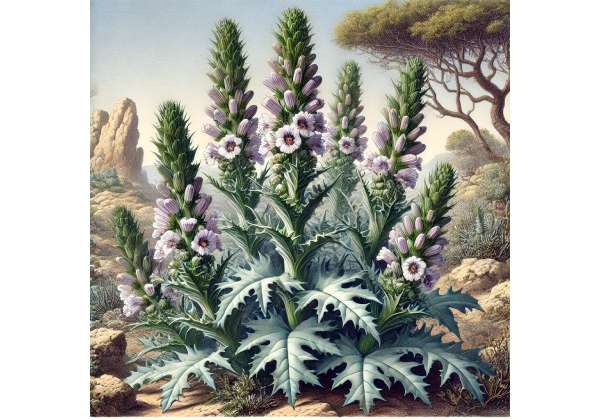
Acanthus refers to a genus of plants in the Acanthaceae family, best known ornamentally for bold, sculptural leaves (the classic “bear’s breeches” look) and medicinally for traditional topical and soothing applications. Because “Acanthus” includes multiple species—most commonly Acanthus mollis (Mediterranean), Acanthus ilicifolius (mangrove), and Acanthus ebracteatus (Southeast Asian)—the first rule is to match the claimed benefit to the right species and preparation.
In folk practice, acanthus has been used to calm inflamed skin, support minor wound care, and soothe irritated tissues of the mouth, throat, or digestive tract. Modern research is still early, but it helps explain why certain extracts are being explored for skin recovery: acanthus plants contain phenolic compounds (including verbascoside in some species), tannins, and other constituents that may influence oxidative stress, inflammatory signaling, and tissue remodeling. Still, acanthus is not a stand-alone treatment for infections, chronic disease, or severe wounds. The safest, most realistic way to think about it is as supportive care—useful when chosen carefully, and easy to misuse when the product is vague or overly marketed.
Quick Overview
- Traditionally used for irritated skin and minor wound support, with early studies suggesting anti-inflammatory activity in extracts.
- Verbascoside-rich preparations are being explored for wound healing and UV-related skin stress in laboratory models.
- Typical home-use tea range is 1–2 g dried leaf per cup (200–250 mL), up to 2 cups daily; topical products often use 5–10% extract.
- Patch-test topical products first and avoid applying to deep, infected, or heavily bleeding wounds without medical care.
- Avoid internal acanthus supplements during pregnancy or breastfeeding, and use extra caution with blood thinners or complex medication regimens.
Table of Contents
- Acanthus overview and main species
- Key ingredients and medicinal properties
- Does acanthus help with skin?
- Can it soothe mucous membranes?
- How to use acanthus
- Dosage and timing guidelines
- Safety and evidence overview
Acanthus overview and main species
Acanthus plants show up in two worlds: gardens and traditional remedies. Ornamentally, they are prized for dramatic leaves and tall flower spikes. Medicinally, they are used more quietly—often as poultices, washes, and infusions aimed at discomfort linked to inflammation or irritation.
Because the genus includes many species, it helps to know the three most commonly discussed in herbal contexts:
- Acanthus mollis (often called bear’s breeches): a Mediterranean species frequently mentioned in European folk use, especially for topical applications and comfort care for inflamed tissue.
- Acanthus ilicifolius: a mangrove-associated species used in several Asian traditions, sometimes discussed for digestive, respiratory, and liver-related folk applications.
- Acanthus ebracteatus: used in Southeast Asia, widely discussed in skin and cosmetic research because some extracts are rich in phenylethanoid glycosides such as verbascoside.
This matters because “acanthus extract” is not one thing. The plant part (leaf, root, rhizome), the solvent (water, ethanol, oil), and the standardization (for example, “verbascoside-rich”) can change what the product does.
A second practical issue is name confusion. Acanthus is sometimes mixed up with similarly spelled plant names that are not related and may have very different safety profiles. If you are buying or harvesting, rely on the Latin name, not a common name alone.
When people search for acanthus benefits, they usually want answers to a few concrete questions:
- Is it mainly a topical skin herb, or does it make sense internally?
- Which form is most useful: tea, tincture, cream, or poultice?
- What is a reasonable dose without drifting into guesswork?
- Who should avoid it, especially if pregnant, on medications, or managing chronic illness?
The rest of this guide is designed to help you make those decisions without hype: what is in acanthus, what it may realistically help with, and how to use it in a way that keeps safety in the foreground.
Key ingredients and medicinal properties
Acanthus does not hinge on a single “miracle” molecule. Its actions are better explained as a bundle of overlapping plant constituents, with different species leaning toward different dominant compounds.
Key ingredient groups you will see referenced
- Phenylethanoid glycosides (notably verbascoside, also called acteoside)
These are widely studied plant compounds associated with antioxidant behavior and modulation of inflammatory signals. In skin-focused research, verbascoside-rich extracts are often discussed for their potential to influence enzymes involved in tissue remodeling and inflammation balance. - Polyphenols and flavonoids
This broad category includes many compounds that can help buffer oxidative stress and influence cell signaling. In practical terms, polyphenols are most relevant when a product is concentrated enough to matter (standardized extracts) and used consistently. - Tannins
Tannins can create an astringent, “tightening” sensation and may be relevant to traditional uses for weeping skin, minor irritation, or tissues that feel overly moist or inflamed. They are also one reason some people find strong teas a bit drying. - Mucilage and polysaccharides (more prominent in some preparations)
Mucilage-rich plants are often used to soothe irritated mucous membranes. If your acanthus preparation feels “slick” or slightly thick, that can be a hint you are pulling more of these water-soluble compounds. - Phytosterols and fatty acids
Some extracts (especially from roots or rhizomes) contain phytosterols and fatty acids that are discussed in inflammation research. These compounds are also common across many plants, which is why outcomes can be modest and hard to “feel” quickly. - Specialized compounds in specific species (for example, DIBOA reported in A. mollis)
These are more niche constituents that show up in certain lab and formulation studies, mainly related to topical delivery and activity on skin-relevant pathways.
What “medicinal properties” means in real life
Instead of thinking “this herb treats X,” it is usually more accurate to think in functional categories:
- Soothing and barrier support: comfort-focused care for irritated surfaces (skin or mucosa), especially when dryness, friction, or mild inflammation is involved.
- Inflammation modulation: not the same as a pharmaceutical anti-inflammatory, but potentially supportive when used consistently and matched to a mild condition.
- Antioxidant buffering: most relevant in skin and recovery discussions, where oxidative stress is one part of the irritation cycle.
- Astringent toning: relevant to certain topical uses, but potentially too drying for others.
A helpful way to keep expectations realistic is to ask: “What is the delivery method?” A water infusion, an alcohol extract, and a cream can all come from the same plant and behave differently. The best results tend to come from choosing a form that fits the problem, not from chasing the strongest-sounding claim on the label.
Does acanthus help with skin?
Skin is where acanthus is easiest to place in a sensible, low-risk routine—especially when you treat it as supportive care rather than a replacement for proper wound management.
Where topical acanthus is most plausible
Acanthus is most often discussed for:
- Mild inflammatory skin flare-ups (redness, irritation, discomfort without signs of infection)
- Minor superficial wounds and scrapes (after cleaning, as comfort support)
- Post-sun or environmental stress (when the goal is calming and barrier support, not “reversing” damage)
- Localized discomfort linked to swelling or irritation
In skin research, verbascoside-rich extracts from some acanthus species are explored for how they may influence inflammatory mediators and enzymes involved in tissue remodeling. For the average reader, the key takeaway is simpler: certain acanthus extracts may help the skin environment stay calmer while normal repair processes do their work.
Practical ways people use it
Topical use usually falls into a few formats:
- Warm compress or wash made from a strong infusion, used for short contact sessions.
- Cream, gel, or ointment applied in a thin layer 1–2 times daily.
- Standardized cosmetic products (often positioned for post-sun care, skin soothing, or appearance-focused support).
If you are comparing soothing herbs for minor skin issues, it can help to contrast acanthus with more widely used “first-line” skin botanicals, such as calendula for skin soothing and minor wound support, which has a long track record in everyday topical routines.
What good use looks like (and what to avoid)
Good topical use tends to be:
- Short-term and targeted (days to a couple of weeks, not months of continuous use)
- Gentle and consistent (thin layers, regular application, minimal rubbing)
- Paired with basics (cleaning, protecting, and avoiding reinjury)
Avoid these common missteps:
- Applying herbal products to deep puncture wounds, animal bites, or wounds with spreading redness, pus, fever, or severe pain
- Using a “natural” product as a substitute for evaluation when infection is possible
- Using multiple fragranced botanicals at once and then being unable to tell what caused irritation
Acanthus may be a helpful addition to a careful skin routine, but it should not be the decision-maker. The decision-maker is always the wound type, infection risk, and how your skin responds over the first 24–72 hours.
Can it soothe mucous membranes?
Some traditional acanthus uses extend beyond skin into the realm of mucous membrane comfort—the mouth, throat, and digestive tract lining. This is where many herbs are marketed too broadly, so it is worth being precise about what “soothing” can realistically mean.
How mucous membrane soothing is supposed to work
In herbal practice, plants used for mucous membranes often fall into two functional roles:
- Demulcent support: soothing irritated tissue by providing a slippery, protective feel (commonly from mucilage and polysaccharides).
- Astringent support: gently “toning” overly moist or irritated tissue (often from tannins), which can feel drying if overdone.
Depending on the species and the way it is prepared, acanthus may lean more demulcent or more astringent. That is why one person may find an infusion comforting, while another finds it drying.
Common traditional-style applications
People typically look to acanthus preparations for:
- Throat and mouth comfort (gargles or rinses when irritation is mild)
- Digestive upset linked to irritation (a cautious, short-term tea trial)
- Occasional loose stools (where astringency is sometimes sought in folk practice)
If your primary goal is classic demulcent support, many people find it easier to start with well-known mucilage-rich herbs and then decide whether acanthus adds anything. For comparison, marshmallow root and leaf for mucosal soothing is often used as a clear demulcent benchmark.
What “success” should look like
The most realistic outcomes are modest:
- Less scratchy or irritated sensation
- More comfortable swallowing or speaking when dryness and irritation are mild
- A gentler digestive experience when irritation is a factor
Acanthus is not appropriate as self-care when red flags are present, such as:
- Fever, shortness of breath, or worsening respiratory symptoms
- Severe throat pain, difficulty swallowing, or signs of dehydration
- Blood in stool, persistent diarrhea, or significant abdominal pain
- Ongoing symptoms beyond about a week without a clear explanation
In other words, mucous membrane use is best treated as a comfort strategy, not a diagnostic strategy. If you try it, keep the dose conservative, keep the trial short, and stop quickly if symptoms worsen.
How to use acanthus
Acanthus is most practical when you choose a form that matches your goal and keeps dosing predictable. For most people, that means starting with topical use or a mild infusion rather than jumping straight to concentrated internal supplements.
Common forms you may encounter
- Dried leaf for teas, rinses, or compresses
- Tinctures or liquid extracts (species and strength vary widely)
- Creams, gels, ointments, and serums (often standardized to a marker compound in cosmetic research contexts)
- Powders or capsules (less common and harder to dose responsibly because standardization is inconsistent)
A simple topical compress method
- Prepare a strong infusion (hot water over dried plant material).
- Cool to warm, not hot.
- Soak clean gauze or a soft cloth.
- Apply to the area for 10–15 minutes.
- Pat dry and protect the skin if needed.
- Repeat once or twice daily for short-term comfort.
This method is often better tolerated than rubbing in a product repeatedly, especially when skin is irritated.
Mouth or throat rinse approach
- Make a mild infusion and let it cool to warm.
- Swish gently for 30–60 seconds and spit out.
- Repeat up to 2–3 times daily if it feels soothing.
Avoid this approach for young children who cannot reliably spit, and stop if it stings or causes more dryness.
How to choose a product that is not guesswork
Quality cues matter more than marketing language. Look for:
- The species named on the label (A. mollis, A. ebracteatus, or A. ilicifolius), not just “acanthus”
- The plant part (leaf vs root vs rhizome)
- A defined extraction method (water, ethanol, oil) when relevant
- A clear standardization marker when the product is positioned for a specific outcome (for example, “standardized in verbascoside”)
If your goal is astringent “toning” for oily or irritated skin, you may also want to compare acanthus products with classic astringent botanicals, such as witch hazel for topical astringent use, because the feel and dryness profile can be quite different.
The most important practical guideline is simple: start with one acanthus product at a time. When people stack multiple botanicals, they often cannot tell what helped, what irritated, and what simply smelled pleasant.
Dosage and timing guidelines
Acanthus does not have universally accepted clinical dosing, so responsible guidance should look like this: conservative ranges, short trials, and clear stop rules. Think of dosing as a way to reduce uncertainty, not as a promise of stronger effects.
Typical conservative ranges for home use
For generally healthy adults using correctly identified, reputable products:
- Tea (infusion): 1–2 g dried leaf in 200–250 mL hot water, steep 10–15 minutes, up to 2 times daily.
- Stronger tea for external compress: 2–4 g dried leaf in 250 mL water, used externally (not as a drink).
- Tincture (if used): follow the label; a common conservative pattern in herbal practice is 1–2 mL up to 2 times daily, but product strength varies enough that label guidance matters more than generic numbers.
- Topical creams and gels: apply a thin layer 1–2 times daily; products standardized to actives are often used more like a routine than a “dose.”
Timing and duration
- For skin comfort: apply after cleansing, and keep the trial to 7–14 days before reassessing.
- For throat or mouth comfort: short-term use (a few days) is the most reasonable approach.
- For digestive comfort: avoid long experiments; if it is not helping within several days, continuing usually adds more downside than upside.
Variables that change the “right” dose
Acanthus dosing is not just “more or less.” It changes with:
- Species and plant part (leaf vs rhizome extracts may behave differently)
- Extraction method (water does not pull the same profile as ethanol)
- Your baseline sensitivity (dry skin, reactive skin, or a history of allergies)
- The goal (soothing, astringent toning, or post-stress recovery)
Simple stop rules that prevent most problems
Stop and reassess if you notice:
- Increasing redness, burning, itching, or swelling after topical use
- Worsening throat dryness or irritation after rinses
- New digestive upset, nausea, or loose stools after internal use
- Any signs that a wound is infected or not healing normally
If your goal is bruising or localized soreness, some people reach for topical herbs in the same general category of “comfort care.” For a clearer comparison point, see arnica for bruising and topical use safety, which is commonly discussed with stricter limits on internal use.
The safest approach is boring on purpose: start low, keep the trial short, and let results—not marketing—decide whether you continue.
Safety and evidence overview
Acanthus is often described as “traditional,” which can create a false sense of certainty. Traditional use can be informative, but it does not automatically answer questions about pregnancy safety, drug interactions, or long-term use.
Potential side effects
Most issues are mild and involve irritation rather than systemic harm:
- Skin irritation or allergic contact dermatitis (more likely with fragranced products or sensitive skin)
- Dryness or tightness from tannin-rich preparations
- Digestive upset in some people when taken internally (especially strong teas)
Do a patch test with topical products, particularly if you have eczema, highly reactive skin, or a history of botanical allergies.
Who should avoid it or get medical guidance first
- Pregnant or breastfeeding people (especially internal use and concentrated extracts)
- Children (internal use is generally not a good self-care choice; topical use should be cautious and minimal)
- People taking anticoagulants, antiplatelets, or multiple chronic medications (because even modest botanical effects can complicate monitoring)
- Anyone with a serious wound or suspected infection (do not delay care)
Interactions and practical cautions
Acanthus is not known for one signature dangerous interaction, but the real-world risk comes from uncertainty: different species, different extracts, and inconsistent standardization. If you take medications where small changes matter (blood thinners, immunosuppressants, diabetes drugs), treat concentrated extracts as “medication-adjacent” and involve a clinician.
What the evidence actually supports (and what it does not)
Most modern acanthus research is preclinical: cell models, lab assays, and formulation studies. These studies are valuable for explaining possible mechanisms (antioxidant behavior, inflammatory mediator changes, and skin-relevant enzyme modulation), but they do not prove that a home tea will treat a medical condition.
The strongest, most reasonable evidence-aligned takeaways are:
- Topical acanthus preparations are the most defensible use case, especially when the product clearly identifies species and standardization.
- Claims of curing disease, “detox,” rapid wound closure, or guaranteed hair regrowth are not evidence-based for typical consumer use.
- Consistency and product quality matter more than dose escalation. If you are not seeing benefit at conservative use, increasing dose often increases irritation risk before it increases results.
If you approach acanthus as supportive care—carefully chosen, clearly labeled, and used within mild-condition boundaries—you get the upside without drifting into risky self-treatment territory.
References
- Phytochemical Analysis and Anti-Inflammatory Potential of Acanthus mollis L. Rhizome Hexane Extract – PubMed 2023 (Preclinical Study)
- Acanthus mollis Formulations for Transdermal Delivery: From Hydrogels to Emulsions – PubMed 2023 (Formulation Study)
- Effects of Acanthus ebracteatus Vahl. extract and verbascoside on human dermal papilla and murine macrophage – PubMed 2022 (Preclinical Study)
- Wound healing and photoprotection properties of Acanthus ebracteatus Vahl. extracts standardized in verbascoside – PubMed 2024 (Preclinical Study)
Disclaimer
This article is for educational purposes only and does not provide medical advice, diagnosis, or treatment. Herbal products can vary widely by species, plant part, extraction method, and dose, and they can affect people differently based on allergies, medical conditions, and medications. If you are pregnant or breastfeeding, managing a chronic condition, or taking prescription medications (especially blood thinners, antiplatelets, diabetes drugs, or immunosuppressants), consult a licensed clinician before using acanthus internally or using concentrated extracts. Seek urgent care for signs of a severe allergic reaction, worsening infection, high fever, rapidly spreading redness, significant wound pain, or any severe or persistent symptoms.
If you found this guide useful, share it on Facebook, X (formerly Twitter), or your preferred platform to help others use herbal options more safely and realistically.