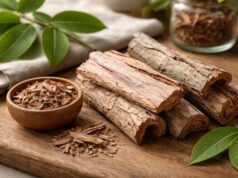
Achiote (Bixa orellana) is a tropical shrub best known for its brick-red seeds, which have colored and flavored foods across Latin America and the Caribbean for centuries. In the kitchen, it shows up as annatto oil, achiote paste, and spice blends that give dishes a warm, golden-orange hue and a gently earthy, peppery taste. In traditional wellness use, achiote is valued less as a “strong” herb and more as a food-forward botanical that contributes antioxidant pigments and vitamin E family compounds.
What makes achiote distinctive is its pigment chemistry: oil-soluble bixin and water-dispersible norbixin, along with tocotrienols (a form of vitamin E) in some preparations. These compounds are studied for oxidative stress support, inflammatory signaling balance, and skin and eye-relevant antioxidant activity. Still, achiote’s best-supported role for most people remains practical and modest: a culinary ingredient that can fit a health-conscious diet. Supplement-style dosing is more complex and should be approached carefully, especially for people with allergies, digestive sensitivity, or medication considerations.
Quick Facts
- May support antioxidant defenses thanks to bixin and norbixin pigments and tocotrienols.
- Culinary use is typically small; supplement doses vary widely, with many products falling around 10–30 mg bixin daily or 100–300 mg tocotrienols daily depending on the formula.
- Rarely, annatto can trigger allergy-like reactions or worsen IBS-type symptoms in sensitive individuals.
- Avoid high-dose supplements if pregnant or breastfeeding, or if you use blood thinners or have frequent unexplained hives.
Table of Contents
- What is achiote?
- Key ingredients and medicinal properties
- What does achiote help with?
- How to use achiote in food
- Achiote dosage and timing
- Side effects, interactions, and who should avoid it
- What the evidence actually says
What is achiote?
Achiote is the common name for Bixa orellana, an evergreen shrub or small tree native to tropical regions of the Americas and now grown widely in warm climates. Its spiky seed pods split open to reveal many small triangular seeds coated in a vivid red-orange resin. That resin is the reason achiote matters: it contains pigments that have been used as a natural colorant for foods, textiles, and ceremonial body paints, and it remains one of the most recognizable plant-based coloring ingredients in modern production.
In food labeling, achiote is often called annatto (and in additive systems it may appear as E160b). In practice, “achiote” frequently refers to the culinary spice format, while “annatto” often refers to the colorant or extract. They come from the same plant, but the preparation can change what you get:
- Whole seeds: mild flavor; best for infusing oil and tinting stews.
- Ground achiote powder: more convenient; color disperses faster; flavor is slightly stronger and earthier.
- Achiote paste: a blend (often with spices, salt, and sometimes acid) used to marinate meats and flavor sauces.
- Extracts (bixin/norbixin): standardized coloring ingredients and the base for some supplements.
- Tocotrienol-rich annatto products: “vitamin E family” concentrates derived from certain annatto fractions.
Achiote’s taste is usually described as gently earthy, slightly peppery, and faintly nutty, but it is not a hot spice. It is also not interchangeable with chili-based colorants like paprika in flavor, even though they can look similar in a dish. Another point that helps avoid confusion: turmeric makes foods yellow; achiote tends to make foods orange-red. Many recipes use both for layered color.
From a wellness standpoint, achiote is best understood as food-first. Culinary amounts are typically small and used regularly, which fits the way many plant antioxidants are most useful: consistent, moderate exposure rather than occasional megadoses. If you are considering concentrated extracts for specific outcomes (lipids, inflammation, skin), the product form and dose matter much more than the fact that it is “natural.”
Key ingredients and medicinal properties
Achiote’s core “active” story is pigment chemistry. Unlike many herbs where essential oils dominate, achiote’s signature compounds sit in the seed coat resin and behave differently depending on whether you extract them in oil, water, or alcohol.
Bixin and norbixin
The two best-known annatto pigments are bixin and norbixin. They are related carotenoid-like compounds (often called apocarotenoids) and they help explain why different achiote preparations feel like different ingredients.
- Bixin is more oil-soluble. This is why annatto oil turns such a saturated orange and why “blooming” seeds in warm oil is an efficient culinary technique.
- Norbixin is more water-dispersible (often used in food coloring applications where the end product is more water-based).
In practical terms, if you rely on achiote primarily for pigment intake, the fat content of the meal and the preparation method influence what you absorb. Carotenoid-like compounds generally absorb better with dietary fat.
Tocotrienols (vitamin E family)
Some annatto preparations are also notable for tocotrienols, members of the vitamin E family that differ from the more common tocopherols. Tocotrienols are studied for antioxidant behavior and lipid-related pathways, which is why they show up in “metabolic” supplement discussions. Not every culinary achiote product provides meaningful tocotrienol intake, but tocotrienol-focused extracts are a distinct category you may see in capsules.
Polyphenols and supportive constituents
Beyond pigments, different parts of the plant (seeds, leaves, bark) contain various polyphenols and other phytochemicals. Traditional medicine often uses leaves as teas in some regions, but commercial products are more commonly seed-based. Polyphenols may contribute to antimicrobial and anti-inflammatory actions in laboratory settings, but the strength of these effects depends on extract type and concentration.
What “antioxidant” means for achiote
Achiote is often marketed as an antioxidant powerhouse. A grounded interpretation is that it provides pigment antioxidants that can help buffer oxidative stress, particularly when consumed with meals and fats that support absorption. This places it in the same broad “colorful plant compounds” category as other carotenoid-rich foods. If you want a useful comparison point for how carotenoid-style compounds are discussed for skin and cardiovascular support, see lycopene benefits and dosing basics.
Medicinal properties in plain language
Achiote’s most plausible medicinal properties are supportive rather than dramatic:
- antioxidant support from pigments
- mild anti-inflammatory signaling balance (especially in extract research)
- potential lipid-pathway relevance when tocotrienols are concentrated
- modest antimicrobial activity reported for certain preparations (more extract-dependent)
The key takeaway is that achiote is not one single “ingredient.” It is a family of preparations, and the preparation determines whether you’re mostly getting color, mostly getting oil-soluble pigments, or a more supplement-like concentrate.
What does achiote help with?
Most people meet achiote through food, so the most realistic benefits start there: it can help you build a diet with more plant-derived pigments and, depending on the preparation, vitamin E family compounds. Claims beyond that deserve careful framing, because human evidence is still developing and outcomes can vary by dose and extract type.
1) Antioxidant and oxidative stress support
Achiote pigments are frequently discussed for antioxidant activity. In practical terms, this may matter most in contexts where oxidative stress rises temporarily—after heavy meals, intense exercise, or periods of poor sleep. For food-first use, the most realistic goal is not a “detox effect,” but incremental support: replacing artificial dyes, adding color-rich seasoning, and pairing achiote with meals that include healthy fats for absorption.
2) Heart and lipid pathway relevance
Two different achiote-related angles appear in heart health conversations:
- Pigments (bixin/norbixin): discussed in relation to post-meal oxidative markers and inflammatory signaling in small human studies.
- Tocotrienols (annatto-derived vitamin E family): studied more broadly for lipid metabolism pathways and antioxidant effects, often at supplement doses.
A grounded expectation is modest support, not a replacement for standard lifestyle changes or medication when those are needed.
3) Skin and sun-stress resilience
Carotenoid-like compounds are commonly explored for skin antioxidant support, especially in the context of environmental stress (UV exposure, pollution). Achiote’s pigments are in that broad family of “dietary color compounds” that may help the skin handle oxidative load. For many people, the most meaningful skin benefit is indirect: using colorful seasonings to make nutrient-dense meals more enjoyable and consistent.
4) Digestive comfort and microbial balance claims
Traditional uses in some regions include digestive and antimicrobial themes, especially with leaf teas and certain preparations. In modern terms, this is the least straightforward category because antimicrobial lab findings do not automatically translate into safe, reliable treatment for infections in humans. If a digestive issue is persistent, treat achiote as supportive at most, not as a primary treatment.
5) Food-quality benefits with health implications
One of achiote’s quietly valuable “benefits” is practical: it is an effective natural colorant. That can help reduce reliance on artificial dyes and can make home cooking more appealing, especially for people trying to eat fewer ultra-processed foods. If you want a culinary comparator for another color-forward spice with its own traditional wellness story, paprika uses and health properties is a helpful contrast (different chemistry, similar role as a color-and-flavor builder).
What achiote is unlikely to do
Achiote is sometimes marketed as a cure-all for inflammation, chronic pain, parasites, or major metabolic disorders. Those claims go beyond what is reasonable for most food-based use. If you keep expectations focused—supporting a colorful diet, modest antioxidant input, and targeted supplement use only when appropriate—achiote fits much better into an evidence-respecting plan.
How to use achiote in food
Achiote is at its best when you treat it like a technique ingredient: it adds color and gentle flavor, and it works differently depending on whether you use whole seeds, powder, or paste.
Annatto oil (the most useful everyday method)
If you only learn one approach, make annatto oil. It extracts oil-soluble pigments (especially bixin) efficiently and disperses color evenly.
- Warm 1/2 cup (120 mL) of a neutral cooking oil over low heat.
- Add 1–2 tablespoons of whole achiote seeds.
- Warm gently 3–5 minutes until the oil turns deep orange (do not scorch).
- Strain out seeds and store the oil in a clean jar.
Use this oil as your cooking fat for rice, beans, eggs, roasted vegetables, soups, or marinades. Because pigments absorb better with fat, this method aligns well with dietary uptake. For a practical fat choice that many people already use in Mediterranean-style cooking, olive oil benefits and everyday use can be a helpful guide when deciding what oil base fits your diet.
Achiote paste for marinades
Achiote paste is common in dishes like cochinita pibil and other regional marinades. Because paste is often seasoned and salty, treat it like a concentrated condiment:
- dissolve a small amount in citrus juice or vinegar
- add garlic, oregano, cumin, and salt to taste
- marinate poultry, pork, fish, tofu, or vegetables
If your paste includes acid, it can “carry” color into the food more effectively and can also tenderize proteins.
Powder for speed and convenience
Achiote powder is simple but easy to overdo. Start small:
- 1/4 teaspoon in soups or stews
- 1/2 teaspoon in rice dishes
- up to 1 teaspoon in large marinades or batch cooking
Because powders can clump, whisk into warm oil or broth first, then add to the dish.
Whole seeds in slow-cooked foods
Whole seeds are excellent for simmered dishes where the color can bloom slowly. Add a teaspoon to stews, then remove before serving (or use a spice sachet). This method gives color with minimal “spice dust” texture.
Common mistakes and how to fix them
- Bitter or burnt taste: heat was too high; keep oil infusion gentle.
- Weak color: increase seed amount slightly or infuse longer at low heat.
- Grainy texture: strain oil and avoid leaving ground powder undissolved.
- Staining: achiote pigments stain easily; use dedicated utensils and wipe surfaces promptly.
Used this way, achiote becomes a repeatable kitchen tool—one that supports consistency (and often better nutrition) simply by making healthy food more appealing.
Achiote dosage and timing
Achiote dosing depends on whether you mean culinary use (seasoning-level) or supplement use (extract-level). These should be treated as two different categories with different goals and safety margins.
Culinary dosing (most common and generally simplest)
Typical food use is small and flexible:
- Whole seeds: 1–2 teaspoons to infuse 1/2 cup (120 mL) oil, or 1 teaspoon added to a pot of stew (then removed).
- Powder: 1/4–1 teaspoon per dish, depending on batch size and color preference.
- Paste: 1–2 tablespoons in marinades for 1–2 pounds of protein or a tray of vegetables (adjust for salt and acidity).
Timing is straightforward: use it as part of meal prep. If your goal is pigment uptake, the “timing” that matters most is that you consume it with dietary fat, not on an empty stomach.
Supplement dosing (more variable, more important to individualize)
Supplement labels may focus on different constituents:
- Bixin-focused products: often measured in mg of bixin per capsule.
- Tocotrienol-focused products: often measured as total tocotrienols in mg.
Because products differ, follow the label and treat these as common reference ranges rather than universal prescriptions:
- bixin-style supplements: often around 10–30 mg daily in single or divided doses
- tocotrienol-style supplements: often around 100–300 mg daily, sometimes divided
If you are using a supplement for a specific goal (lipids, inflammation markers), a reasonable trial window is often 6–12 weeks, with a clear decision point: continue only if you see meaningful benefit and no adverse effects.
Improving absorption without overcomplicating it
Pigment compounds and tocotrienols tend to absorb better with fat-containing meals. Many people also pair carotenoid-like compounds with spices that support digestive flow. If you already use black pepper in your cooking, it may fit naturally in achiote dishes; for more on why pepper is often paired with plant compounds, see black pepper benefits and piperine basics.
How to self-check your dose
With achiote, “too much” often shows up as digestive discomfort rather than dramatic side effects. Signs to reduce dose include:
- stomach upset or nausea after annatto-heavy meals
- unusual bloating or changes in stool pattern
- headache or skin itching that appears repeatedly after exposure
A simple approach is to start with culinary use only for 2–3 weeks. If you still want a supplement, choose one standardized product, start at the low end of its label range, and avoid stacking multiple annatto-derived products at once.
For most people, achiote’s best dosing strategy is boring in a good way: small, consistent culinary amounts, with supplements reserved for situations where you can monitor your response and keep the plan simple.
Side effects, interactions, and who should avoid it
Achiote is widely consumed as a food ingredient, and culinary use is typically well tolerated. Most safety concerns arise when people use concentrated extracts, take high-dose supplements, or have underlying sensitivities.
Common side effects
When side effects occur, they tend to be mild and may include:
- stomach upset, nausea, or cramping (often dose-related)
- changes in stool color (from pigments; usually harmless)
- headache or flushing in sensitive individuals
- IBS-type flare symptoms in a small subset of people
If symptoms show up repeatedly, reduce dose or discontinue and re-test later with a smaller amount to confirm whether achiote is the trigger.
Allergy and sensitivity considerations
Annatto is an uncommon but real trigger for allergy-like reactions in some people. Watch for hives, swelling, wheezing, or repeated itching shortly after exposure. If those occur, stop and seek medical advice, especially if breathing symptoms appear.
People with a history of frequent unexplained hives or food dye sensitivity should be cautious with concentrated annatto extracts and consider an elimination-and-rechallenge approach under clinician guidance.
Medication interactions and special situations
Interactions are not as well-established as they are for some herbs, but cautious practice is still wise:
- Blood thinners and antiplatelet drugs: tocotrienol-rich vitamin E family supplements may have additive effects on bleeding tendency at higher doses in some contexts. If you take warfarin, DOACs, aspirin, or clopidogrel, avoid self-prescribing high-dose tocotrienols.
- Blood pressure and glucose medications: if you use supplements aimed at metabolic outcomes, monitor changes rather than assuming “natural equals neutral.”
- Surgery: stop high-dose supplement use in advance of planned procedures unless your clinician advises otherwise.
Pregnancy and breastfeeding
Culinary use (normal seasoning amounts) is generally treated as low risk, but high-dose annatto extracts and tocotrienol concentrates are best avoided due to limited safety data. This is also where vitamin A confusion can creep in: achiote pigments are carotenoid-like, but they are not the same as preformed vitamin A. Still, if you are pregnant and you use multiple carotenoid or vitamin A products, it is smart to keep your overall plan conservative and well-structured; vitamin A dosing and safety basics can help you avoid accidental excess from stacked supplements.
Who should avoid achiote supplements
Avoid high-dose supplements (and use culinary achiote cautiously) if you:
- are pregnant or breastfeeding
- have a history of severe food allergies or recurrent hives
- take blood thinners or have a bleeding disorder
- have significant IBS symptoms that reliably flare with annatto exposure
If you have a medical condition you are actively treating, keep achiote in the “food-first” lane unless a clinician is monitoring your plan.
What the evidence actually says
Achiote occupies an unusual space: it is both a traditional botanical and a widely used food colorant, which means there is substantial chemistry and safety evaluation—but fewer large, clear human trials for specific health outcomes than many supplement marketing claims imply.
What is fairly solid
- Composition is well characterized: bixin and norbixin are consistently identified as key pigments, and many extracts are standardized around them.
- Food-use safety has been formally evaluated: regulatory bodies have assessed annatto colorant exposure and established acceptable daily intake frameworks for its coloring principles, which supports the idea that typical food-level use is generally low risk for most people.
- Absorption logic is consistent: oil-soluble pigments are more available when consumed with fat, which aligns with general carotenoid nutrition principles.
Where evidence is promising but not definitive
- Inflammation pathways: bixin is frequently discussed in relation to inflammatory signaling pathways in preclinical work. This supports plausibility, but preclinical results do not guarantee meaningful clinical benefit.
- Oxidative stress markers after meals: small human studies suggest potential for post-meal oxidative and inflammatory marker modulation with specific preparations and doses. The effect size, repeatability, and best target populations still need stronger confirmation.
- Tocotrienol-related outcomes: tocotrienols are studied broadly, and annatto can be a source, but outcomes depend heavily on dose, formulation, and baseline health status. Translating tocotrienol research into “achiote benefits” is not always valid unless the product is explicitly tocotrienol-focused.
Human studies: what they can and cannot tell you
The human research that exists is often either small, short-term, or designed around a specific food matrix (for example, a food enriched with annatto carotenoids). These studies can be helpful for safety signals and feasibility, but they rarely settle the big consumer questions like “Will annatto lower my cholesterol?” in a reliable, generalizable way.
A practical interpretation is:
- If you want a low-effort, low-risk approach, use achiote as a culinary ingredient. The benefit is mostly nutritional patterning and replacing artificial colorants.
- If you want a targeted supplement outcome, choose a standardized product (bixin or tocotrienols), treat it as a time-limited trial, and monitor a meaningful endpoint (labs, symptoms, or both).
- Avoid letting “interesting early science” justify stacking multiple high-dose products at once.
The bottom line
Achiote is best supported as a food-based botanical with plausible antioxidant and inflammation-modulating potential. The strongest real-world value for most people is culinary: consistent, modest intake with meals. Concentrated extracts may be useful in narrow contexts, but they deserve supplement-level caution: product quality, dose discipline, and a clear reason for use rather than general “more antioxidants” logic.
References
- Bixin Beyond Colour: Expanding Therapeutic Horizons Through the Integration of Pharmacological Potential with Modern Drug Design and Delivery Strategies – PMC 2026 (Review)
- Therapeutic potential of bixin on inflammation: a mini review – PMC 2023 (Review)
- Consumption of Eggs Alone or Enriched with Annatto (Bixa orellana L.) Does Not Increase Cardiovascular Risk in Healthy Adults—A Randomized Clinical Trial, the Eggant Study – PMC 2023 (RCT)
- Comparative bioactivity assessment of bixin pigment and associated phytochemicals extracted from annatto seeds using conventional and green solvents – PMC 2024
- Safety of annatto E and the exposure to the annatto colouring principles bixin and norbixin (E 160b) when used as a food additive – PubMed 2019 (Safety Evaluation)
Disclaimer
This article is for educational purposes only and does not provide medical advice, diagnosis, or treatment. Natural ingredients can still cause side effects and interactions, especially when used as concentrated extracts or supplements. If you are pregnant or breastfeeding, take prescription medications (particularly blood thinners), have a history of significant allergies, or have persistent digestive symptoms, consult a licensed clinician before using annatto or tocotrienol supplements. Seek urgent care for trouble breathing, facial swelling, severe hives, or signs of a serious allergic reaction.
If this guide was helpful, please share it on Facebook, X (formerly Twitter), or any other platform you use so others can benefit from it.