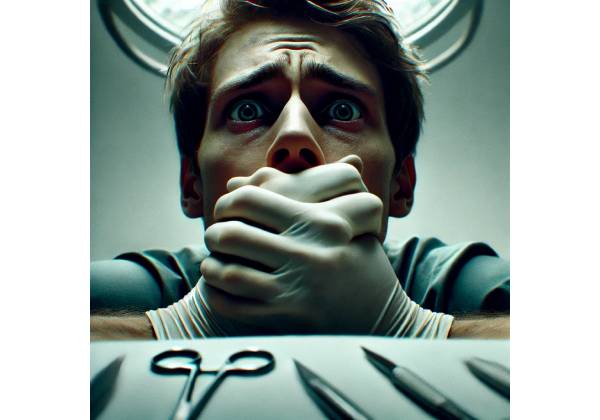
Pain is a universal human experience, but for some people the fear of pain becomes its own source of suffering. Algophobia is an intense, persistent fear of pain itself. It may arise around medical procedures, injury, exercise, dental care, chronic pain flare-ups, or even ordinary sensations that are interpreted as possible warning signs. What begins as a protective response can gradually turn into avoidance, hypervigilance, panic, and a shrinking sense of safety.
This condition is more than being cautious or disliking discomfort. When fear of pain starts to control decisions, limit activity, delay treatment, or worsen emotional distress, it deserves serious attention. Understanding algophobia can help people recognize the pattern earlier and seek the right kind of support. With accurate diagnosis, targeted therapy, and practical self-management, many people can reduce fear and regain function.
Table of Contents
- What Algophobia Is
- Symptoms and Warning Signs
- Causes and Risk Factors
- How It Is Diagnosed
- Daily Impact and Complications
- Treatment Options
- Self-Help and Management
- When to Seek Help and Outlook
What Algophobia Is
Algophobia means an excessive fear of pain. The word is often used to describe severe pain-related fear, but in real clinical practice it may overlap with several related concepts, including specific phobia, pain anxiety, fear-avoidance behavior, and in some cases fear linked to chronic pain. That distinction matters because the problem does not look the same in every person.
Some people fear a very specific situation, such as injections, surgery, dental treatment, or labor. Others are distressed by the idea that any movement, activity, or body sensation could trigger pain. In chronic pain conditions, the fear may become less about an immediate injury and more about flare-ups, worsening damage, or the belief that pain always signals harm. Over time, the nervous system can start reacting to anticipation alone.
This fear can feel rational to the person experiencing it. Pain is unpleasant, and the mind naturally wants to prevent it. The trouble begins when that protective instinct becomes overactive and starts treating ordinary life as dangerous. A person may stop exercising, avoid appointments, delay needed care, or monitor the body constantly for signs of trouble. That pattern can reinforce the fear and make daily life narrower and more stressful.
Algophobia is different from normal caution in several ways:
- the fear is persistent rather than occasional
- the reaction is stronger than the actual risk would suggest
- avoidance becomes a major coping strategy
- daily functioning starts to suffer
- thoughts about pain become hard to control
In many cases, the problem becomes a cycle. The person expects pain, scans for it, grows tense, interprets sensations as threatening, and then avoids what they fear. The short-term relief from avoidance teaches the brain that fear was useful, which makes the next episode more likely.
It is also important to know that algophobia does not mean someone is exaggerating pain or imagining symptoms. Pain-related fear is real, and it can increase distress, disability, and emotional exhaustion. The good news is that fear of pain is understandable from a psychological and biological point of view, and it is treatable. For many people, naming the pattern clearly is the first step toward changing it.
Symptoms and Warning Signs
Algophobia can affect thoughts, emotions, behavior, and physical sensations all at once. In some people the fear appears only in certain settings, such as before a blood draw or dental procedure. In others it becomes broader and affects work, exercise, travel, sleep, and health care decisions. The common thread is not pain itself, but the intense fear of what pain might mean or lead to.
Emotional and mental symptoms
Many people with algophobia describe:
- persistent dread before situations that might involve pain
- catastrophic thinking, such as assuming the worst possible outcome
- feeling unable to cope with discomfort
- intrusive thoughts about injury, illness, or worsening pain
- irritability, tension, or restlessness
- shame about feeling “too afraid” of pain
- difficulty concentrating when a feared event is approaching
Anticipatory anxiety is often a major feature. The person may start worrying hours, days, or even weeks before a medical appointment, workout, trip, or procedure. The feared event can take up so much mental space that the anxiety becomes exhausting long before anything painful actually happens.
Behavioral signs
Algophobia often shows up most clearly in behavior. Common patterns include:
- canceling or postponing medical or dental care
- avoiding exercise, lifting, bending, or walking
- refusing blood tests, vaccines, or injections
- asking for repeated reassurance
- checking the body often for signs of damage
- relying heavily on others for tasks once done independently
- withdrawing from social or work activities that might trigger pain
This is where fear starts to shape life. The person may organize routines around minimizing discomfort rather than maintaining health, function, or independence.
Physical symptoms
Because fear activates the body’s stress response, algophobia may also cause:
- rapid heartbeat
- sweating
- shaking
- nausea
- dizziness
- chest tightness
- muscle tension
- stomach upset
- shortness of breath
In some cases, the person experiences panic symptoms at the thought of pain alone. That can be especially confusing because the body response feels like proof that danger is present.
A useful warning sign is when the fear becomes disproportionate to the situation. Feeling nervous before surgery is normal. Avoiding all checkups for years because a test might hurt is more concerning. The same applies when mild or manageable pain triggers extreme fear, or when the person begins treating ordinary body sensations as threats.
Children may show algophobia differently. Instead of naming fear directly, they may cry, freeze, cling, argue, refuse treatment, or complain of other symptoms before appointments. Adults may hide the fear more skillfully, but the pattern is often the same underneath: fear leads, life adjusts around it, and the range of safe activities gets smaller.
Causes and Risk Factors
Algophobia usually develops through a mix of learning, past experience, biology, and coping style. Rarely is there one single cause. The fear may begin after a specific painful event, grow gradually during a chronic pain condition, or emerge in someone who is already vulnerable to anxiety.
One common pathway is direct experience. A severe injury, difficult surgery, painful medical procedure, or frightening chronic pain flare can teach the brain that pain is not just unpleasant but dangerous and overwhelming. Even when the body heals, the fear response may stay active. The person starts anticipating another painful event and becomes alert to anything that might trigger it.
Another pathway is observation and expectation. People can learn fear from seeing others suffer, hearing alarming stories, or growing up in an environment where pain was discussed as catastrophic. Repeated messages such as “Don’t do that or you’ll hurt yourself badly” can shape threat expectations, especially in childhood.
Important risk factors
Several factors can make algophobia more likely:
- a history of anxiety disorders or panic attacks
- chronic pain conditions
- traumatic medical experiences
- repeated painful procedures
- depression or high stress
- a tendency toward catastrophic thinking
- high sensitivity to bodily sensations
- low confidence in coping with discomfort
- family patterns of fear-based coping
Chronic pain deserves special attention. When pain is frequent or unpredictable, fear can become a way of trying to stay safe. The problem is that fear may then amplify disability. A person may stop moving, avoid rehabilitation, or interpret normal discomfort during recovery as evidence of harm. In this way, fear of pain can outlast or exceed the original injury.
Certain thought patterns also help maintain the condition. These include:
- Overestimating danger. The person assumes pain always means damage.
- Underestimating coping ability. They believe even brief or moderate pain will be intolerable.
- Hypervigilance. Attention becomes fixed on every sensation.
- Avoidance learning. Short-term relief after canceling or avoiding reinforces the fear.
This pattern is often called fear-avoidance. It is especially important in musculoskeletal pain, post-surgical recovery, and rehabilitation settings, where avoiding movement can reduce function and confidence over time.
It is also possible for algophobia to overlap with other fears, including fear of needles, claustrophobia during procedures, health anxiety, or fear of losing control during pain. That is why careful assessment matters. Two people may both say, “I am terrified of pain,” but one may mainly fear tissue damage, while the other fears panic, humiliation, or helplessness.
Understanding the cause is not about assigning blame. It is about identifying what keeps the fear alive. Once that pattern is clear, treatment can target it directly and more effectively.
How It Is Diagnosed
There is no blood test or scan that diagnoses algophobia. Diagnosis is based on a thoughtful clinical assessment that looks at the fear itself, the situations that trigger it, the person’s avoidance patterns, and the effect on daily functioning. In practice, clinicians may describe the problem as fear of pain, pain anxiety, a specific phobia pattern, or a pain-related fear response connected to a chronic pain condition.
A proper assessment usually starts with detailed questions such as:
- What kinds of pain are feared most?
- Did the fear begin after a specific event?
- Is the fear tied to medical care, exercise, injury, chronic pain, or several of these?
- What situations are now being avoided?
- How much does the fear interfere with work, treatment, movement, sleep, or relationships?
- Are panic symptoms part of the picture?
- Is there a chronic pain disorder or another anxiety disorder present?
What clinicians look for
A clinician will usually look for several core features:
- strong fear or anxiety related to pain or anticipated pain
- repeated avoidance of activities, procedures, or sensations linked to pain
- distress that is out of proportion to the actual threat
- persistence over time rather than a brief reaction
- noticeable impairment in daily life
- a pattern not better explained by another condition alone
This matters because not every fear of pain is pathological. A person facing major surgery, a kidney stone, or a severe migraine will reasonably fear pain. The diagnosis becomes more relevant when the fear itself becomes excessive, generalized, or disabling.
Clinicians may also use questionnaires to assess pain anxiety, fear-avoidance beliefs, or fear of movement. These tools do not replace clinical judgment, but they can help measure severity and track improvement over time. In people with chronic pain, assessment may include both physical and psychological factors, because pain experience and fear are often closely linked.
Differential diagnosis is also important. Algophobia can overlap with:
- specific phobia
- panic disorder
- generalized anxiety disorder
- post-traumatic stress symptoms
- illness anxiety
- depression
- chronic pain syndromes with strong fear-avoidance patterns
A careful evaluation helps prevent oversimplifying the problem. Someone who avoids walking after back pain may not simply be “unmotivated.” They may sincerely believe movement is harmful. Another person may fear not pain itself, but losing control in front of others during a painful procedure.
The most useful diagnosis is one that guides treatment. It should explain what the person fears, what they avoid, and what keeps the cycle going. For many patients, that alone is relieving. It turns a vague sense of dread into a pattern that can be worked with, measured, and changed.
Daily Impact and Complications
Algophobia can quietly affect far more than a person’s reaction to pain. When fear of pain becomes a guiding principle, it can shape work, family roles, physical health, emotional well-being, and even identity. Many people begin by avoiding one narrow trigger, but over time the impact can spread into larger parts of life.
A person with algophobia may decline routine medical care, avoid preventive tests, or delay treatment until symptoms become more serious. Others stop exercising, lifting objects, driving long distances, traveling, or participating in hobbies because these activities seem too risky. Some begin to define daily success by how well pain was avoided rather than by what was accomplished or enjoyed.
Common functional effects
These are some of the most common ways algophobia disrupts life:
- reduced physical activity
- missed appointments or delayed treatment
- worsening deconditioning
- lower work productivity
- strained family relationships
- social withdrawal
- less confidence in the body
- increased dependence on others
In chronic pain, this pattern can become especially damaging. Avoiding feared movement may bring short-term relief, but it can also reduce strength, flexibility, endurance, and overall function. That loss of capacity can then make ordinary tasks feel harder, which confirms the person’s fear that activity is dangerous.
Emotional complications
Fear of pain often brings secondary emotional burdens, including:
- frustration
- hopelessness
- embarrassment
- anger at the body
- low mood
- constant worry
Some people become trapped in a cycle of fear, pain, and guilt. They avoid activities to stay safe, then feel ashamed for doing less, then become more anxious about the next demand on their body. Over months or years, this can wear down self-esteem.
There may also be medical consequences. Delaying dental care, surgery, physiotherapy, injections, or diagnostic tests can allow treatable problems to worsen. A person may endure more suffering in the long run because the short-term fear feels impossible to face.
Another complication is overreliance on “safety behaviors.” These may include repeated reassurance-seeking, carrying medication at all times, avoiding stairs, insisting on very specific routines, or refusing any activity unless someone else is nearby. These behaviors can feel protective, but they may keep the brain from learning that discomfort can be tolerated safely.
The broader risk is a shrinking life. The question changes from “What do I want or need to do?” to “What can I avoid without setting off fear?” That shift is often subtle, but it is one of the clearest signs that help is needed. Effective treatment aims not only to reduce fear, but to restore function, confidence, and a sense that life does not have to be organized around pain avoidance.
Treatment Options
The most effective treatment for algophobia depends on the pattern behind it, but in general the strongest evidence supports cognitive behavioral approaches, especially exposure-based treatment. The main goal is not to convince someone that pain is pleasant or irrelevant. It is to reduce exaggerated threat responses, restore functioning, and help the person respond to pain or the possibility of pain with more flexibility and less fear.
Psychotherapy
For many people, psychotherapy is the foundation of treatment. Common approaches include:
- Cognitive behavioral therapy: helps identify catastrophic thoughts, rigid beliefs about pain, and avoidance patterns
- Exposure therapy: gradually and safely reduces fear by helping the person face feared sensations, activities, or procedures
- Pain-focused behavioral treatment: especially useful when algophobia is part of chronic pain and rehabilitation
- Acceptance-based strategies: can help people stop organizing life around total pain avoidance
Exposure is often the key element. This does not mean forcing a person into overwhelming pain. It means building a structured plan that gradually reduces fear through tolerable practice. For example, someone who fears movement after an injury may work through a progression of bending, walking, lifting, or stretching under guidance. Someone afraid of injections may prepare through education, imagery, relaxation, and stepwise exposure to the procedure context.
Medical and rehabilitation support
If chronic pain, injury, or another medical condition is involved, treatment may also include:
- physical therapy
- appropriate pain management
- rehabilitation planning
- education about healing and pain mechanisms
- coordination between mental health and medical clinicians
This combined approach matters because fear of pain often improves best when the person feels both physically supported and psychologically understood.
Medication
Medication is usually not the primary treatment for a pain-related phobia. In some cases, it may be considered if there is significant generalized anxiety, panic, depression, or procedure-related distress. Medication decisions should be individualized and made with a qualified clinician.
Important limits of medication include:
- it may reduce symptoms without changing the fear pattern
- it can become another safety behavior if relied on heavily
- some sedating drugs may interfere with active exposure work
What good treatment looks like
A strong treatment plan usually includes:
- clear identification of feared situations
- a realistic explanation of how fear is being maintained
- graded practice rather than all-or-nothing demands
- tracking of avoided behaviors
- goals tied to function, not just comfort
That last point is essential. Success is not simply “I felt no anxiety.” A more meaningful outcome is “I attended the appointment,” “I walked farther,” “I resumed exercise,” or “I completed treatment without canceling.” As fear loses its grip, the person often discovers that confidence grows after action, not before it.
Self-Help and Management
Self-help strategies can play an important role in managing algophobia, especially when they reinforce therapy rather than replace it. The aim is not to eliminate every trace of fear. It is to reduce fear’s control and create a steadier, more realistic response to discomfort, uncertainty, and recovery.
Practical daily strategies
Many people benefit from a structured approach such as this:
- Name the pattern clearly. Instead of saying “My body is unsafe,” try “My fear system is reacting strongly to the idea of pain.”
- Track triggers. Note which situations, movements, procedures, or thoughts set off fear.
- Spot catastrophic thoughts. Write down common beliefs such as “If it hurts, I am damaging something.”
- Test beliefs gradually. Use small, planned steps rather than dramatic leaps.
- Measure function. Focus on what you did, not only how anxious you felt.
This shifts attention from passive suffering to active learning.
Helpful coping tools
The following tools are often useful:
- slow breathing with a longer exhale
- muscle relaxation to reduce tension
- paced return to activity
- scheduling appointments early rather than delaying
- asking for clear procedural explanations from clinicians
- breaking feared tasks into smaller steps
- using supportive self-talk during discomfort
- maintaining regular sleep and meal patterns
For people with chronic pain, education can be powerful. Learning that pain does not always equal tissue damage may reduce the sense of constant threat. That does not mean pain is imaginary. It means the body and brain can become sensitized, and fear can amplify suffering.
What to avoid
Some coping habits feel helpful but tend to maintain the fear:
- repeated cancellation
- constant body checking
- searching endlessly online for reassurance
- complete rest when gentle activity is appropriate
- relying on others for every feared task
- judging yourself harshly for being afraid
A useful question is: “Does this strategy help me build confidence, or only help me escape the moment?” Confidence-building strategies tend to increase function over time. Escape-based strategies tend to strengthen fear.
Progress is often uneven. Someone may handle one medical visit well and struggle with the next. That does not mean treatment failed. It often means the fear system is still learning. Repetition matters.
Support from family can also help when it is balanced. Loved ones are most helpful when they encourage gradual coping rather than taking over every feared task or offering endless reassurance. The goal is support without reinforcing avoidance.
Management is most effective when it connects to meaningful life goals. People work harder through fear when the target is concrete: playing with a child, returning to work, finishing rehabilitation, keeping a dental appointment, or walking without panic. Fear becomes easier to challenge when there is something larger on the other side of it.
When to Seek Help and Outlook
It is time to seek help when fear of pain starts making decisions for you. Many people wait because they assume the fear is understandable, temporary, or too personal to explain. But the longer avoidance continues, the more established the pattern can become. Early treatment is often simpler and more effective than trying to reverse years of fear-based coping.
Signs you should seek professional help
Consider an evaluation if:
- you avoid needed medical or dental care
- you are cutting back on movement far beyond what your clinician advised
- pain fear is interfering with work, parenting, sleep, or relationships
- you panic at the thought of procedures, exercise, or injury
- your world is getting smaller because of what might hurt
- you rely heavily on reassurance, sedatives, or rigid rituals to cope
- low mood or hopelessness is developing alongside the fear
Help is especially important if you have chronic pain and have begun to believe that all discomfort means harm. It is also important if recovery after surgery or injury is being limited more by fear than by medical findings.
Who can help
Depending on the situation, helpful professionals may include:
- a primary care clinician
- a psychologist or therapist with anxiety or pain experience
- a pain specialist
- a physical therapist
- a dentist or medical specialist who can work in a fear-informed way
A coordinated approach is often best when pain and fear are reinforcing each other.
Outlook
The outlook for algophobia is generally favorable when the problem is recognized and treated directly. Many people improve with structured psychotherapy, graded exposure, and better pain education. Improvement usually means several things happening together:
- less avoidance
- more confidence with activity or procedures
- lower anxiety before feared events
- less catastrophic thinking
- better daily function
Recovery does not always mean becoming fearless. A more realistic and often more useful goal is becoming able to face pain-related situations without panic, paralysis, or major life disruption. Someone may still dislike pain intensely, yet no longer live in constant anticipation of it.
If there is one principle worth remembering, it is this: fear of pain can be learned, and what is learned can often be unlearned or softened. When people stop measuring safety only by avoidance and start rebuilding trust in their ability to cope, the range of possible life expands again. That is the central promise of good treatment.
References
- Algophobia (Fear of Pain): Causes, Symptoms and Treatment 2021
- Phobia – simple/specific: MedlinePlus Medical Encyclopedia 2024
- The relative efficacy and efficiency of single- and multi-session exposure therapies for specific phobia: A meta-analysis – PubMed 2022 (Meta-Analysis)
- Exposure in Vivo as a Treatment Approach to Target Pain-Related Fear: Theory and New Insights From Research and Clinical Practice – PubMed 2022
- Unraveling the role of fear and avoidance behavior in chronic musculoskeletal pain: from theory to physical therapy clinical practice – PMC 2025
Disclaimer
This article is for educational purposes only and does not provide medical diagnosis or treatment. Fear of pain can overlap with specific phobia, panic symptoms, chronic pain disorders, trauma-related symptoms, and other mental health or medical conditions. A qualified clinician can determine whether symptoms reflect algophobia, another anxiety condition, a pain-related fear pattern, or a separate medical issue that needs direct care. Seek prompt professional advice if fear of pain is causing major avoidance, delayed treatment, panic, worsening disability, or significant emotional distress.
If you found this article useful, please consider sharing it on Facebook, X, or another platform that suits your audience.