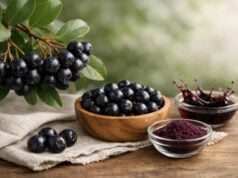
Amalaki (Phyllanthus emblica)—also known as amla or Indian gooseberry—is a tart, pale-green fruit that has held a central place in Ayurvedic and regional wellness traditions for centuries. It is valued for its broad “rejuvenative” reputation, but its modern appeal is more specific: amalaki delivers a dense antioxidant profile, supports healthy inflammatory balance, and shows promising results in studies focused on cardiometabolic markers such as cholesterol, triglycerides, and blood sugar. Unlike many trendy botanicals, amalaki is both a food and a supplement ingredient, which makes it easier to incorporate into everyday routines—if you choose the right form and dose.
That said, “natural” does not mean risk-free. Amalaki products vary widely, and the same fruit can behave differently as fresh juice, dried powder, or a concentrated extract. This guide clarifies what amalaki is, what’s inside it, what benefits are realistic, how to use it in practice, how much to take, and how to avoid common safety pitfalls.
Core Points for Safe Use
- Amalaki may support healthier cholesterol and fasting glucose when used consistently for several weeks.
- Typical supplemental ranges are 500–1,000 mg/day of a standardized extract, depending on the product and goal.
- Stomach upset is possible; start low and take with food if you are sensitive.
- Avoid combining with blood thinners or diabetes medications without clinician guidance.
- People who are pregnant, breastfeeding, or managing complex medical conditions should avoid self-prescribing concentrated extracts.
Table of Contents
- What is amalaki?
- Key ingredients and medicinal properties
- Does amalaki support cholesterol and glucose?
- Antioxidant, immune, and digestive benefits
- How to use amalaki in practice
- How much amalaki per day?
- Safety, interactions, and evidence limits
What is amalaki?
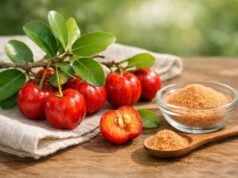
Amalaki is the fruit of Phyllanthus emblica, a small to medium-sized tree native to South Asia and widely cultivated across India, Sri Lanka, and parts of Southeast Asia. The fruit is round, firm, and sharply sour with a faint bitterness and astringency—flavors that hint at its chemistry. In traditional usage, amalaki is rarely treated as a single “magic ingredient.” It is more often positioned as a foundational fruit that supports resilience, digestion, and balanced aging, and it appears in well-known formulas that aim to strengthen the body over time.
Names, plant parts, and product forms
You may encounter several names:
- Amalaki (Ayurvedic name)
- Amla (common modern name)
- Indian gooseberry (English name)
Most supplements use the fruit, not the leaves or bark. That matters because the fruit contains the best-studied mix of vitamin C-related compounds, tannins, and polyphenols that drive many of its antioxidant and metabolic effects.
In real life, people use amalaki as:
- Fresh fruit (seasonal and regional)
- Juice (often blended due to sourness)
- Dried powder (amla churna)
- Standardized extracts (capsules or tablets)
- Traditional preparations such as jams, tonics, and multi-herb blends
Why amalaki is different from “just vitamin C”
It is tempting to reduce amalaki to a natural vitamin C source. While the fruit can be rich in vitamin C, its effects are not explained by vitamin C alone. Amalaki also provides tannin-like compounds and phenolics that influence how antioxidants behave in the body, how inflammation signals are moderated, and how lipids and glucose may be processed.
A practical way to understand amalaki is as a fruit that supports “systems,” not just symptoms. It is most often used for:
- Cardiometabolic support (lipids, inflammation markers, glucose balance)
- Antioxidant and immune resilience
- Digestive comfort and regularity in certain patterns (especially when paired appropriately)
Because it sits at the intersection of food and supplement, amalaki can fit into many routines—but the best results usually come from consistent use and careful selection of form, rather than occasional high doses.
Key ingredients and medicinal properties
Amalaki’s reputation comes from a layered phytochemical profile that includes vitamin C-related activity, polyphenols, and tannin-like compounds. The balance of these constituents varies with cultivar, ripeness, drying method, and whether the product is a whole fruit powder or a concentrated extract.
Vitamin C and supportive antioxidant chemistry
Fresh amla is often described as naturally high in vitamin C, though the exact amount can vary widely. Processing matters: heat and long storage can reduce vitamin C levels, while some stabilized extracts are designed to preserve antioxidant capacity more consistently. If you want a primer on what vitamin C does in the body and how dosing differs by goal, see how vitamin C works and how it is typically used.
Amalaki’s key point is that its antioxidant behavior is not only “vitamin C acting alone.” The fruit contains compounds that can help regenerate antioxidants and influence oxidative stress pathways beyond simple vitamin replacement.
Polyphenols and tannin-like compounds
Amalaki is especially known for hydrolyzable tannins and related polyphenols, often discussed under names such as:
- Emblicanin A and emblicanin B
- Punigluconin and pedunculagin
- Gallic acid and ellagic acid
- Flavonoids in smaller amounts (varies by extract)
These compounds are strongly associated with amalaki’s astringent taste and many of its laboratory-observed effects: antioxidant capacity, inflammation signaling modulation, and microbial balance influence in certain contexts.
Minerals, organic acids, and digestive relevance
As a whole food, amalaki also provides:
- Organic acids that can stimulate salivation and digestive secretions in some people
- Fibrous components (especially in powder form) that may support regularity
- Minor minerals and phytonutrients that contribute to overall nutritional density
Medicinal properties in practical terms
When people describe amalaki as “rasayana” (a traditional rejuvenation concept), the modern translation is often:
- Antioxidant support: helping the body manage oxidative stress from lifestyle and aging factors
- Anti-inflammatory balance: nudging inflammatory signaling toward a healthier baseline
- Metabolic support: supporting lipid and glucose markers when used consistently
- Tissue support: a traditional way of describing resilience of skin, hair, and mucosal tissues
The most useful mindset is to treat amalaki as a “foundation” ingredient: it may not create dramatic overnight changes, but it can support measurable improvements over weeks when paired with consistent habits.
Does amalaki support cholesterol and glucose?
Amalaki is frequently used for cardiometabolic goals—especially improving lipid markers, supporting healthy inflammation balance, and stabilizing blood sugar. These are also areas where modern clinical research has been most active. The most realistic expectation is not a medication-like effect, but a supportive shift that may matter over time, particularly for people with borderline markers or lifestyle-driven risk.
What benefits are most plausible
Across multiple human studies and pooled analyses, the most consistent areas of improvement tend to include:
- Lower LDL cholesterol (the “atherogenic” fraction most often targeted)
- Lower total cholesterol
- Lower triglycerides in some studies (results are less consistent than LDL)
- Improved inflammatory markers (such as CRP in some trial sets)
- Lower fasting blood glucose in some populations, especially when baseline levels are elevated
These effects appear more likely when amalaki is used for several weeks rather than a few days, and when the product delivers a consistent dose of active constituents.
Why results vary person to person
Three practical variables often explain why one person sees a change and another does not:
- Form and standardization: Whole fruit powder may behave differently than a concentrated extract, and dosing can be harder to compare across products.
- Baseline status: People with normal lipids and glucose usually see smaller shifts than those with elevated markers.
- Lifestyle context: Diet composition, sleep quality, alcohol intake, and activity levels can either amplify or drown out modest supplement effects.
How to pair amalaki with realistic habits
If your goal is cardiometabolic support, amalaki tends to work best as part of a “stack” of behaviors, not a stack of supplements:
- Aim for consistent fiber intake, especially from whole foods
- Prioritize protein at meals to reduce glucose spikes
- Keep alcohol moderate, as it can strongly influence triglycerides
- Use daily movement (even brisk walking) to support insulin sensitivity
People sometimes compare amalaki to other natural options used for lipids and glucose. A helpful reference point is how berberine is typically used for glucose and cholesterol support, which can clarify differences in potency, side effects, and the need for medication oversight. Amalaki is often gentler, but “gentler” still requires dose discipline.
What “success” should look like
A practical success metric is measurable, not vague:
- Recheck labs after 8–12 weeks if you are using amalaki specifically for lipids or glucose.
- Track how you feel, but prioritize objective markers—especially if you have family history of heart disease or diabetes.
In short, amalaki is a credible option for supportive cardiometabolic care, particularly for people who want a food-forward ingredient with a generally moderate intensity profile.
Antioxidant, immune, and digestive benefits
Beyond cholesterol and glucose, amalaki is widely used for “everyday resilience”—a mix of immune steadiness, antioxidant support, and digestive comfort. These benefits are often real, but they are easy to oversell if they are not tied to practical outcomes.
Antioxidant support you can actually feel
Oxidative stress is an abstract concept, but the day-to-day experience can be concrete: slower recovery, more inflammation “noise,” and skin that feels reactive. Amalaki’s polyphenols and tannin-like compounds are frequently studied for antioxidant behavior, which may help:
- Support exercise recovery when paired with adequate sleep and nutrition
- Reduce the sense of “inflammatory drag” some people notice with poor diet or high stress
- Support healthier aging patterns by nudging oxidative balance in a favorable direction
A useful comparison is how other polyphenol-rich ingredients are framed. For example, green tea benefits are often discussed through the lens of polyphenols and metabolic support, which can help you set realistic expectations for a food-based antioxidant strategy.
Immune resilience and respiratory comfort
Amalaki is commonly used in seasonal routines—especially in traditions where it is paired with warming spices or used in jam-like preparations. The most realistic immune-related benefits are not “never get sick,” but:
- Supporting a calmer inflammatory response
- Supporting mucosal tissue integrity (mouth, throat, and gut lining)
- Helping the body return to baseline after stress, travel, or disrupted sleep
If you are frequently ill, the biggest immune levers are still sleep, nutrition, and stress load. Amalaki can be a supportive add-on, not a replacement.
Digestive effects: helpful for some, irritating for others
Because amalaki is sour and astringent, it can stimulate digestion in some people, yet irritate others. It may help:
- Support appetite and digestion when taken with meals
- Support regularity when used as a whole fruit powder (fiber and tannins together)
- Balance certain “heat” patterns described traditionally, which often overlap with irritation, reflux-like discomfort, or inflammatory tendencies
However, if you are prone to reflux, gastritis, or a very sensitive stomach, amalaki—especially as sour juice on an empty stomach—may worsen symptoms. In those cases, powder in a small dose with food is often a more tolerable starting point.
Overall, these benefits are best understood as “tone and resilience” improvements. They are meaningful, but they typically show up gradually and depend heavily on matching the form and timing to your digestion and sensitivity.
How to use amalaki in practice
Amalaki is unusually flexible: you can use it as a food, a daily powder, or a targeted extract. The right choice depends on your goal, your digestive tolerance, and how precisely you want to control dosing.
Common forms and how they differ
- Fresh fruit: Best as a whole-food approach, but availability is regional and seasonal.
- Juice: Convenient, but can be very sour and may aggravate reflux in sensitive people. Many juices are diluted or blended, which changes dose consistency.
- Dried powder (churna): Balanced and versatile; includes fiber and a broader “whole-fruit” profile.
- Standardized extracts: Best for people who want consistent dosing for specific lab markers (lipids, glucose) or who prefer capsules.
- Traditional blends: Often used for broad support, but harder to compare by dose.
Simple ways to take it
If you want a straightforward routine:
- Choose one form (powder or standardized extract), not multiple at once.
- Start small for 3–7 days to check tolerance.
- Use consistent timing for at least several weeks if you are tracking metabolic goals.
Practical examples:
- Powder stirred into yogurt, oats, or a smoothie (this often reduces sourness)
- Capsules with meals for better stomach tolerance
- A small dose in warm water after food if you prefer a lighter routine
Amalaki in traditional combinations
Amalaki is famously used in Triphala (a three-fruit blend). Triphala is often selected for digestive regularity and gentle detox-style routines, but its effects come from the combination, not amalaki alone. If you want to understand one of Triphala’s other key fruits, see how haritaki is used for digestive and cleansing support.
Common mistakes that reduce results
- Switching forms constantly: You cannot assess what works if the dose changes weekly.
- Taking sour juice on an empty stomach despite reflux or sensitivity.
- Assuming “more is better”: Higher doses can increase stomach upset and interaction risk without guaranteeing better outcomes.
- Treating amalaki as a substitute for basics: If sleep and diet are unstable, supplement effects often look inconsistent.
A practical rule: if you want “whole-body resilience,” choose whole fruit powder; if you want “measurable lab changes,” choose a standardized extract and commit to a consistent, time-limited trial.
How much amalaki per day?
Amalaki dosing depends heavily on the form. A teaspoon of powder is not equivalent to a capsule labeled “500 mg extract,” and juices vary even more. The safest approach is to pick a form and dose that match your goal, then adjust only if needed.
Common dosage ranges by form
These ranges reflect typical real-world use and how clinical studies often structure dosing:
- Standardized extract (capsules/tablets): Often 500–1,000 mg/day, sometimes split into two doses. Some studies use higher total daily amounts, but a conservative range is a better starting point for self-care.
- Whole fruit powder: Often 1–3 g/day, which may be split or taken once daily depending on tolerance.
- Juice: Dose varies widely; if using juice, treat it as a food and keep serving sizes modest, especially if you are sensitive to sour drinks.
If you are unsure how your product compares, use the label information and prioritize extracts that specify standardization markers or clearly describe the fruit-equivalent dose.
Timing: morning, evening, with food, or empty stomach?
- With food: Often best for people who experience nausea, reflux, or stomach burning.
- Morning: Works well for many, especially if the goal is appetite and digestion support.
- Evening: Fine if tolerated, but avoid very sour forms if you have nighttime reflux.
If your primary goal is immune resilience and antioxidant coverage, timing matters less than consistency. If your goal is glucose support, taking a dose with or near meals may be more practical.
How long to use it before judging results
Match the timeline to the goal:
- Digestion and comfort: 1–2 weeks is often enough to judge tolerance and basic effects.
- Skin and resilience: 4–8 weeks is a more realistic window.
- Lipids and glucose labs: Consider 8–12 weeks before rechecking markers.
When to stop or reduce
Reduce dose or stop if you notice:
- Persistent stomach pain, nausea, or diarrhea
- New bruising or nosebleeds
- Lightheadedness, shakiness, or signs of low blood sugar
- Rash or swelling
If you are also taking vitamin C separately, keep the combined plan sensible. For guidance on upper limits and practical dosing, vitamin C dosing and safety considerations can help you avoid accidentally pushing total intake too high.
A good dose is the smallest dose that supports your goal without creating side effects—and that dose often looks “modest” rather than extreme.
Safety, interactions, and evidence limits
Amalaki is widely used and generally well tolerated as a food. Concentrated extracts, however, deserve more caution—especially for people who take medications or manage chronic conditions. Safety is not just about the herb; it is also about your dose, your product quality, and your personal risk profile.
Common side effects
Most side effects are digestive and dose-related:
- Stomach upset, cramping, or nausea (more common with higher doses or sour juice)
- Loose stools in some people, especially with powder or higher intake
- Headache or “wired” feeling rarely, usually when combined with stimulants or multiple supplements
If side effects are mild, reducing the dose or taking with food often helps. If side effects are strong or persistent, stop and reassess.
Potential interactions to take seriously
Even though amalaki is a fruit, its concentrated forms may influence pathways relevant to medications. Be cautious with:
- Blood thinners and antiplatelet drugs: If you take warfarin, clopidogrel, aspirin, or similar agents, avoid self-experimentation with high-dose extracts.
- Diabetes medications and insulin: Amalaki may support lower fasting glucose in some people; combining it with glucose-lowering meds can increase hypoglycemia risk.
- Blood pressure medications: If your pressure runs low, monitor carefully when adding any supplement with metabolic effects.
Who should avoid amalaki extracts without clinician guidance
- People who are pregnant or breastfeeding (limited concentrated-extract safety data)
- Children, unless supervised by a qualified clinician
- People with bleeding disorders or upcoming surgery (stop well in advance unless a clinician advises otherwise)
- People on complex medication regimens where small metabolic shifts can matter
Special considerations: iron and nutrient absorption
Amalaki’s vitamin C-related activity can support absorption of non-heme iron from plant foods. That can be beneficial for some and less desirable for others:
- If you are iron-deficient, pairing amalaki with meals may be helpful.
- If you have high iron stores or hemochromatosis, be cautious with concentrated forms and discuss strategy with a clinician. For context on balancing iron safely, see iron dosing risks and practical guidelines.
What the evidence can and cannot prove
Amalaki has a stronger human evidence base than many botanicals, particularly for lipid and inflammation-related markers, but limitations still apply:
- Many trials are short-term (weeks, not years), so long-term safety and durability of effects are less certain.
- Product differences (powder vs. extract, different standardizations) make it hard to generalize results.
- Benefits appear more consistent in people with elevated baseline markers than in already-healthy adults.
A responsible conclusion is that amalaki is a promising, food-forward supplement option for targeted goals—especially cardiometabolic support—when used in a measured dose, for a defined time window, with appropriate monitoring.
References
- The impact of Emblica Officinalis (Amla) on lipid profile, glucose, and C-reactive protein: A systematic review and meta-analysis of randomized controlled trials 2023 (Systematic Review and Meta-analysis)
- Clinical effects of Emblica officinalis fruit consumption on cardiovascular disease risk factors: a systematic review and meta-analysis 2023 (Systematic Review and Meta-analysis)
- The Efficacy and Safety of Emblica officinalis Aqueous Fruit Extract among Adult Patients with Dyslipidemia: A Systematic Review and Meta-analysis 2023 (Systematic Review and Meta-analysis)
- Evaluation of the effects of a standardized aqueous extract of Phyllanthus emblica fruits on endothelial dysfunction, oxidative stress, systemic inflammation and lipid profile in subjects with metabolic syndrome: a randomised, double blind, placebo controlled clinical study 2019 (RCT)
Disclaimer
This article is for educational purposes only and does not provide medical advice. Supplements and herbal preparations can vary widely in potency, purity, and how they affect different individuals. Amalaki may interact with medications that affect blood clotting, blood sugar, or blood pressure, and concentrated extracts may not be appropriate for pregnancy, breastfeeding, childhood use, or complex medical conditions. Do not use amalaki as a substitute for professional diagnosis or treatment. If you have diabetes, cardiovascular disease, a bleeding disorder, or you take prescription medications, consult a qualified clinician before starting amalaki or changing your supplement routine.
If you found this guide helpful, consider sharing it on Facebook, X (formerly Twitter), or your favorite platform so others can make safer, more informed choices.