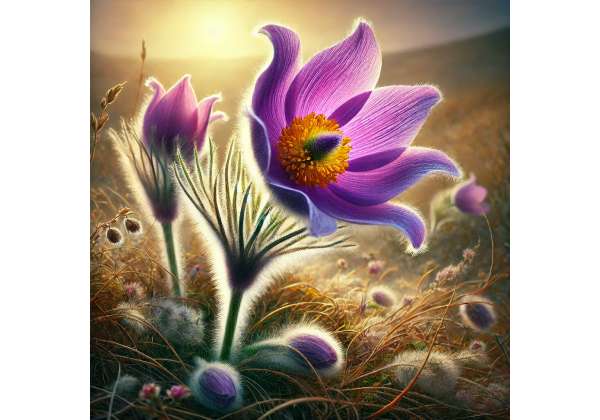
Anemone pulsatilla—often called pulsatilla or pasque flower—is a striking spring plant with a long history in European herbalism and homeopathy. In traditional practice, it has been described as a remedy for “changeable” complaints: shifting moods, variable menstrual discomfort, and respiratory symptoms that come and go. Its reputation, however, sits beside an equally important fact: the fresh plant can be strongly irritating and potentially toxic. That tension—between historical use and modern safety standards—shapes how pulsatilla is used today.
When bruised or freshly harvested, pulsatilla releases compounds that can irritate skin and mucous membranes. Drying and careful processing reduce that risk, which is one reason contemporary herbal use tends to be practitioner-guided and low-dose. Many consumers encounter pulsatilla mainly through homeopathic preparations, where the plant material is highly diluted. In this article, you will learn what Anemone pulsatilla is, what compounds drive its effects, which uses are most commonly claimed, how dosing differs by form, and what safety precautions matter most.
Essential Insights
- Pulsatilla is mainly used for variable nervous tension, menstrual discomfort, and shifting respiratory symptoms, but human evidence is limited.
- Fresh plant exposure can irritate skin and mucous membranes; avoid self-prepared tinctures and raw plant use.
- Homeopathic products often suggest 3–5 pellets per dose (per label), while herbal extracts should be used only with professional guidance.
- Avoid during pregnancy and breastfeeding, and avoid use if you have a known sensitivity to buttercup-family plants or a history of severe allergic reactions.
Table of Contents
- What is Anemone pulsatilla?
- Key ingredients and how they act
- Traditional uses and common claims
- Does pulsatilla help PMS?
- Respiratory and ear discomfort uses
- How to use pulsatilla safely
- Dosage, side effects, and evidence
What is Anemone pulsatilla?
Anemone pulsatilla is a traditional name used for a group of closely related pasque flower species that many modern botanists place in the genus Pulsatilla (for example, Pulsatilla vulgaris in parts of Europe). In everyday herbal commerce, “pulsatilla” typically refers to the aerial parts of these plants—stems, leaves, and flowers—rather than the root. You may also see the names pasque flower, windflower, or meadow anemone used in overlapping ways, which is why the Latin name on labels matters.
The plant belongs to the buttercup family (Ranunculaceae). This family includes many beautiful ornamentals, and it also includes species with naturally irritating compounds. Pulsatilla’s fresh sap can cause blistering or burning sensations on skin, and ingestion of improperly prepared plant material can irritate the digestive tract. Historically, herbalists learned to respect it as a plant that should be handled with care and, in many systems, prescribed only by experienced practitioners.
Why it became famous
Pulsatilla’s historical reputation is tied to two themes:
- Nervous system and mood variability: Traditional descriptions often emphasize emotional sensitivity, tearfulness, and symptoms that fluctuate with stress, fatigue, or hormonal shifts.
- Reproductive and mucous-membrane complaints: Older texts frequently mention menstrual discomfort, pelvic heaviness, and respiratory congestion with thick mucus.
These descriptions are not diagnoses, but they explain why modern marketing often points toward PMS, mood swings, and “catarrhal” (mucus-heavy) symptoms.
How people encounter it today
Most consumers see pulsatilla in one of two ways:
- Homeopathic pulsatilla (very high dilution), commonly used for self-care, though evidence remains debated and condition-specific.
- Herbal pulsatilla extracts (low-dose tinctures or practitioner formulas), typically recommended only under professional supervision because of irritation and toxicity concerns.
A practical point: pulsatilla is not a “casual tea herb.” It is not typically used as a daily infusion like chamomile. The safety profile and variability in preparations make it a plant where identity, dosage, and professional guidance matter.
Finally, there is a sustainability note. Many wild Pulsatilla species are protected or locally rare. Responsible sourcing favors cultivated material and reputable suppliers rather than wild harvesting.
Key ingredients and how they act
Pulsatilla’s pharmacology starts with a simple but important chemical story: the fresh plant contains a precursor compound that converts into a strong irritant when plant tissues are damaged. Drying and processing change this chemistry, which helps explain why the same plant can be described as both “medicine” and “poison.”
Ranunculin, protoanemonin, and anemonin
The best-known constituents are:
- Ranunculin: a glycoside stored in intact plant tissue.
- Protoanemonin: formed when ranunculin breaks down after crushing or bruising the plant; this is the compound most associated with burning, blistering, and mucosal irritation.
- Anemonin: a more stable dimer that forms as protoanemonin changes over time; it is often discussed as a key compound in dried material.
In plain language: fresh pulsatilla can be caustic; dried pulsatilla is chemically different and generally less irritating, although it is still not a “gentle” herb.
Why the plant feels so strong
Protoanemonin is a reactive molecule that can irritate:
- Skin (redness, blistering, burning sensations)
- Mouth and throat (stinging, increased irritation)
- Stomach and intestines (nausea, cramps, diarrhea in higher exposures)
This is a central safety message: strong sensation does not necessarily mean therapeutic value. In some cases, the sensation is simply irritation.
Saponins, tannins, and flavonoids
Dried pulsatilla also contains supportive plant compounds that are commonly discussed in herbal medicine:
- Triterpene saponins: often associated with immune signaling and tissue effects in other plants; in pulsatilla they are sometimes cited for anti-inflammatory potential, though human evidence is limited.
- Tannins: astringent compounds that can influence secretions and tissue tone.
- Flavonoids: antioxidant-type compounds that may contribute to broader anti-inflammatory patterns.
These compounds are not unique to pulsatilla, and their presence does not automatically prove a specific benefit. The more decision-relevant point is that pulsatilla’s risk profile is driven primarily by the ranunculin → protoanemonin pathway, while many proposed benefits rely on broader phytochemistry that has not been well validated in humans.
What “medicinal properties” realistically mean here
When pulsatilla is discussed as having sedative, antispasmodic, or anti-inflammatory properties, it is usually based on:
- Traditional pattern-based use
- Laboratory or animal data on related compounds
- Clinical experience in professional herbal practice
- Homeopathic tradition (which relies on a different theory of action)
If you keep these categories separate, pulsatilla becomes easier to evaluate. It has plausible biochemical activity and real toxicity potential in crude form, but modern clinical confirmation for specific outcomes is limited.
Traditional uses and common claims
Pulsatilla’s traditional reputation is broad, but most modern interest clusters into a few themes: mood and nervous tension, menstrual complaints, and mucus-heavy respiratory symptoms. The key is to separate “commonly claimed” from “well proven,” because pulsatilla is frequently discussed in traditions that do not map neatly onto modern clinical research.
Common traditional use areas
Across European herbalism and related systems, pulsatilla has been used for:
- Restlessness and emotional sensitivity: especially when symptoms feel changeable or reactive to stress.
- Menstrual discomfort: cramps, pelvic heaviness, and PMS patterns that shift month to month.
- Mucous-membrane symptoms: thick congestion, sinus pressure, and cough patterns described as sluggish or heavy.
- Headache and nerve discomfort: especially when stress and hormonal timing seem involved.
- Skin sensitivity: occasionally discussed, but fresh plant contact is more likely to irritate than soothe.
In homeopathy, pulsatilla is also associated with a classic “picture” of symptoms that are variable, often better in fresh air, and accompanied by emotional softness or tearfulness. Whether or not one accepts homeopathic theory, this is useful context for understanding why pulsatilla is often marketed for mood and hormone-related concerns.
What people hope to get today
In contemporary supplement language, pulsatilla is often promoted for:
- PMS mood swings and irritability
- Sleep disruption linked to emotional stress
- Ear discomfort and sinus congestion
- “Hormone balance” support
- Calming support for sensitive individuals
The challenge is that pulsatilla is not a well-studied mainstream herb. When modern clinical trials are missing, benefits are usually inferred from tradition, small studies on related compounds, or practitioner experience.
Realistic expectations
If pulsatilla helps someone, the effect is usually described as subtle and pattern-dependent, such as:
- Feeling less reactive or less internally “stirred up”
- Reduced sense of pelvic heaviness during PMS
- Less thick, sluggish congestion (in some traditional frameworks)
However, pulsatilla is not an appropriate substitute for medical evaluation when symptoms point to a more serious condition, such as:
- Severe depression, panic, or suicidal thoughts
- Heavy menstrual bleeding, severe pelvic pain, or sudden cycle changes
- High fever, facial swelling, or severe ear pain
- Persistent cough, shortness of breath, or chest pain
A safety-oriented takeaway
Because pulsatilla can irritate tissues, a “try it and see” approach with strong herbal extracts is not ideal. If you are curious about pulsatilla for mild nervous tension, many people start with gentler, better-studied calming options first. For example, lemon balm for stress and sleep support is commonly used for a calmer mood profile without the same irritation concerns.
Pulsatilla can be an interesting plant in traditional medicine, but it is best approached with a bias toward caution, conservative use, and clear stop rules.
Does pulsatilla help PMS?
Pulsatilla is frequently mentioned for PMS and menstrual discomfort, especially in traditions that emphasize symptom “variability” and emotional sensitivity around the menstrual cycle. The most honest summary is that pulsatilla has a strong historical footprint here, but modern human evidence is limited, and safety constraints make self-experimentation with herbal extracts a poor fit for many people.
Why it is associated with PMS
Traditional descriptions commonly include a cluster of PMS-like features:
- Mood changes that feel unusually reactive (tearfulness, irritability, sensitivity)
- A sense of pelvic heaviness or achy discomfort
- Cramps that fluctuate in intensity
- Symptoms that shift quickly rather than staying steady
In older herbal language, pulsatilla was often framed as a remedy for congestion and stagnation in the pelvis, paired with nervous-system sensitivity. In homeopathy, pulsatilla is also a headline remedy for menstrual complaints with emotional lability and changing symptoms.
What outcomes are plausible
If pulsatilla is helpful, people usually describe improvements in:
- Emotional reactivity around PMS
- Mild cramping or “dragging” pelvic sensations
- Sleep disruption linked to mood shifts
But these are subjective outcomes that can be influenced by stress, sleep, diet, iron status, and expectations. That makes it hard to attribute changes to pulsatilla without well-designed studies.
Important cautions for cycle-related use
PMS is a common umbrella term, but some symptoms signal conditions that deserve evaluation rather than experimentation:
- Period pain that is severe, worsening, or new
- Pain with sex, bowel movements, or urination
- Very heavy bleeding or bleeding between periods
- Symptoms that significantly impair functioning
These patterns can be linked to endometriosis, fibroids, thyroid imbalance, or other conditions that require targeted care.
There is also a special safety issue: because pulsatilla is a biologically active plant with irritation potential, it is not recommended in pregnancy, and conservative practice often extends caution to people trying to conceive. If pregnancy is possible, it is safer to choose alternatives with clearer safety profiles.
Practical alternatives with clearer usage patterns
If your goal is PMS support, many people look first to strategies with more established use patterns and a larger evidence base, including sleep hygiene, magnesium adequacy, stress reduction, and cycle tracking. In the herbal category, chaste tree for hormonal and reproductive support is often discussed for cyclic symptoms, though it also has important cautions and is not suitable for everyone.
How to test any PMS remedy responsibly
If you and your clinician decide to trial pulsatilla (or any PMS support), it helps to track:
- Symptom severity (0–10) for mood, cramps, sleep, and bloating
- Timing (luteal phase vs period days)
- Confounders (caffeine, alcohol, major stress, travel, poor sleep)
This reduces the risk of attributing normal month-to-month variability to a supplement and helps you decide whether the benefit is real enough to justify continued use.
Pulsatilla remains a traditional option for PMS patterns, but it should be approached as a cautious, clinician-guided choice rather than a default first-line herb.
Respiratory and ear discomfort uses
One of the most common consumer searches for pulsatilla relates to ear and sinus complaints—especially “earache,” congestion, and thick mucus. Pulsatilla is frequently mentioned in homeopathy for these issues, and older herbal texts also discuss it for catarrhal (mucus-heavy) patterns. The practical challenge is that ear pain and sinus pressure can range from mild to urgent, and pulsatilla should not delay appropriate care.
Traditional pattern: thick congestion and sluggish drainage
Pulsatilla is often described as fitting congestion that feels:
- Thick, heavy, and slow-moving
- Worse in warm rooms and better with fresh air
- Associated with facial pressure or a “blocked” sensation
- Paired with fatigue and emotional sensitivity
In homeopathic tradition, pulsatilla is also commonly linked to symptoms that change location or intensity, and to situations where discharge changes color or consistency over time.
What a realistic benefit would look like
If pulsatilla helps in this category, it would likely show up as:
- Improved subjective comfort while congestion resolves naturally
- Slight reduction in the sense of pressure or fullness
- A calmer nervous-system response to being sick (less irritability, better rest)
It is important to say plainly: pulsatilla is not proven to treat bacterial infections, and it should not be treated as an alternative to antibiotics when antibiotics are truly indicated.
Red flags where you should not self-treat
Seek prompt clinical care if you have:
- Fever that persists or rises rapidly
- Severe ear pain, swelling behind the ear, or drainage from the ear
- New hearing loss, intense dizziness, or severe headache
- Facial swelling, severe sinus pain, or symptoms lasting longer than 10 days without improvement
- Shortness of breath, chest pain, or wheezing that is new or worsening
These situations can signal bacterial infection, complications, or non-infectious causes that require different treatment.
Supportive care that often matters more
For most uncomplicated viral congestion, the most meaningful tools are still basics:
- Adequate fluids and rest
- Saline rinses or humidification
- Gentle heat for comfort
- Avoiding smoke exposure and excessive alcohol
If you choose any botanical support, favor options with safer self-care profiles and clearer dosing conventions. Pulsatilla, because of its irritation potential and limited modern evidence, is better treated as a specialized option rather than a universal remedy for “ear infections.”
A useful mindset is to keep pulsatilla in the “adjunct for comfort” category. If symptoms escalate or linger, switch quickly from self-care to evaluation.
How to use pulsatilla safely
Pulsatilla is a plant where “how you use it” matters as much as “why you use it.” The safest guidance begins with a strong boundary: do not use fresh pulsatilla, and do not make your own pulsatilla tinctures or infusions from wild plants. Improper preparation increases the risk of skin injury and gastrointestinal irritation.
Common forms you may see
- Homeopathic pulsatilla pellets or drops
These products use very high dilutions and are usually taken according to label instructions. They are the most common consumer-facing form. While many people use them, the clinical evidence is not robust across conditions, and benefits can be difficult to distinguish from placebo effects. - Herbal tinctures and liquid extracts
These are typically low-dose and should be used only under professional guidance. Formulas may be designed to minimize irritation risk and to match a specific symptom pattern. - Complex formulas
Some professional herbal products include pulsatilla in small amounts alongside gentler herbs for calming or menstrual support. This can reduce the temptation to “push the dose,” which is where problems often begin.
Choosing a product wisely
If you consider pulsatilla, look for:
- Clear botanical identification (Anemone pulsatilla or a clearly stated Pulsatilla species)
- Plant part listed (usually aerial parts)
- A reputable supplier with consistent labeling and quality controls
- Avoidance of vague “proprietary blends” if you are sensitive or have allergies
Also consider whether pulsatilla is even the right tool for your goal. For topical skin soothing, for example, pulsatilla is a poor choice because of its irritant chemistry. Gentler options with better-established topical traditions include calendula for skin comfort and repair.
Handling and exposure precautions
- Avoid touching fresh plant material; if you garden around pasque flower, consider gloves if you have sensitive skin.
- Do not apply pulsatilla products to broken skin or mucous membranes unless specifically directed by a qualified clinician.
- Keep products away from children and pets.
When not to use it
Avoid pulsatilla unless your clinician advises otherwise if you are:
- Pregnant, trying to conceive, or breastfeeding
- Managing severe depression, bipolar disorder, or active suicidal thoughts
- Experiencing severe pelvic pain, heavy bleeding, or persistent infection symptoms
- Taking multiple medications that complicate side-effect interpretation
Pulsatilla can be a meaningful plant in skilled hands, but it is not an ideal “DIY herb.” The safest approach is to reserve it for situations where the form is appropriate, the dose is conservative, and the decision is guided by a clear risk-benefit assessment.
Dosage, side effects, and evidence
This is the section where pulsatilla’s reality becomes clearest: dosing depends heavily on preparation, and the evidence base is not strong enough to justify aggressive self-treatment. A careful approach emphasizes conservative use, short trial windows, and clear stop rules.
Dosage by form
Homeopathic pulsatilla
Label directions vary by brand and potency. Many products suggest patterns such as:
- 3–5 pellets per dose, taken 1–3 times daily for short-term self-care (follow the specific label).
Because these products are highly diluted, dosing is not expressed in mg of plant material. If symptoms persist or worsen, the next step should be evaluation rather than escalating frequency.
Herbal pulsatilla extracts (professional use)
Herbal dosing is more sensitive because it can involve measurable plant constituents. In many modern herbal settings, pulsatilla is used in very low, carefully chosen doses, often as part of a formula. Because product strengths differ and irritation risk matters, it is not responsible to give a universal “self-dose” for concentrated extracts. If a clinician recommends pulsatilla, they will typically:
- Start with very small amounts
- Monitor for irritation or adverse effects
- Use time-limited trials rather than long-term daily use
Potential side effects
Side effects are most often irritation-related and can include:
- Burning or stinging sensations (especially with inappropriate exposure)
- Nausea, cramping, or diarrhea with excessive dosing
- Headache, dizziness, or a general “unwell” feeling in sensitive users
- Skin irritation or blistering from contact with fresh plant material
- Allergic reactions in susceptible individuals
Stop use and seek medical advice if you develop significant rash, swelling, breathing difficulty, persistent vomiting, severe abdominal pain, or neurological symptoms.
Interactions and special populations
Formal interaction data are limited. Practical safety cautions include:
- Avoid combining with multiple sedative agents if you feel drowsy or cognitively slowed.
- Avoid use in pregnancy and breastfeeding due to uncertainty and traditional cautions.
- Use extra caution if you have multiple allergies or a history of severe reactions to botanicals.
What the evidence actually says
- For herbal pulsatilla: modern clinical trials are scarce. Much of the rationale comes from tradition, chemical plausibility, and practitioner experience rather than robust human outcome data.
- For homeopathic pulsatilla: studies of homeopathy as a whole show mixed and contested results across conditions, and high-dilution products do not contain measurable amounts of the original herb. If someone experiences benefit, it may reflect nonspecific effects, natural symptom resolution, contextual care, or placebo response.
A balanced decision framework is:
- Use pulsatilla only for mild, self-limited complaints unless a clinician advises otherwise.
- Treat irritation as a stop signal, not something to “push through.”
- If symptoms are persistent, severe, or worsening, prioritize evaluation and targeted care.
Pulsatilla is best understood as a historically important plant with real biochemical activity and real toxicity potential in crude form—meaning it deserves more caution than many popular herbs.
References
- Ranunculin, Protoanemonin, and Anemonin: Pharmacological and Chemical Perspectives – PubMed 2024 (Review)
- Anemone pulsatilla – Southern Cross University 2023 (Monograph)
- Pulsatilla – Drugs and Lactation Database (LactMed®) – NCBI Bookshelf 2025 (Safety Database)
- March 2021 Pasqueflower, Pulsatilla vulgaris L. From the Ranunculaceae family 2021 (University Fact Sheet)
Disclaimer
This article is for educational purposes only and does not replace personalized medical advice, diagnosis, or treatment. Anemone pulsatilla (pulsatilla) can be irritating and potentially toxic in fresh or improperly prepared forms, and products may vary in identity and strength. Do not use pulsatilla during pregnancy or breastfeeding, and consult a licensed clinician or pharmacist before use if you take prescription medications, have significant allergies, or have persistent symptoms. Seek prompt medical or dental care for severe pain, fever, swelling, breathing difficulty, heavy bleeding, or symptoms that worsen or do not improve.
If you found this guide helpful, please share it on Facebook, X (formerly Twitter), or your preferred platform so others can make safer, better-informed decisions.