Angelica archangelica—often called garden angelica—is an aromatic plant in the Apiaceae (carrot) family, prized for its warming, bittersweet root and its long tradition as a digestive and respiratory herb. In classic European herbalism it was used to awaken appetite, ease gas and bloating, and support comfortable breathing during seasonal congestion. Modern herbalists still reach for angelica when digestion feels sluggish or “cold,” especially when stress, irregular meals, or low appetite are part of the picture. The plant is also used as a culinary flavor in liqueurs and bitters, which hints at its core personality: stimulating, fragrant, and strong.
Angelica is not a gentle herb for everyone. It contains naturally occurring coumarins and furanocoumarins, compounds that can increase sun sensitivity and may interact with certain medications. It is also easy to confuse with other look-alike plants in the same family, some of which are dangerously poisonous. Used with correct identification, appropriate dosing, and sensible precautions, angelica can be a practical, traditional tool for digestive comfort and seasonal support.
Top Highlights
- Angelica may help relieve gas, bloating, and a heavy, slow digestion pattern by supporting gastric secretions and gut motility.
- Avoid prolonged sun and UV exposure while using, as angelica can increase photosensitivity in some people.
- Typical adult dosing ranges from 0.3–12 g/day dried root and rhizome (often 1–4 g/day in tea or decoction for routine use).
- Avoid during pregnancy and use caution if you take anticoagulants, have a peptic ulcer, or are highly sun-sensitive.
Table of Contents
- What is angelica root?
- Key ingredients in angelica
- Does angelica help digestion?
- Respiratory and circulation uses
- How to use angelica
- How much angelica per day?
- Side effects, interactions, and evidence
What is angelica root?
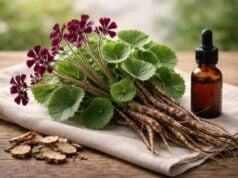
Angelica archangelica is a tall, hollow-stemmed biennial with large, bright green leaves and umbrella-shaped flower clusters. It grows in cool regions of Northern Europe and parts of Asia, and it has also been cultivated widely for medicine and flavoring. The root and rhizome are the most common medicinal parts, though seeds and leaves are used in some traditional contexts and in culinary preparations.
The plant’s taste tells you a lot: angelica is bitter-aromatic, with a warming, resinous fragrance. Bitterness often signals “digestive tonic” behavior—herbs that help the body prepare for food by stimulating saliva, stomach secretions, bile flow, and gentle motility. That is why angelica appears in classic bitters formulas and liqueurs intended to be sipped after meals.
Common names and common confusion
Angelica is sometimes called:
- Garden angelica
- Wild celery (in some regions, though this name is also used for other plants)
- Norwegian angelica (traditional northern use)
It can also be confused with other Apiaceae plants, and this matters because some look-alikes are highly toxic. The biggest safety takeaway for foragers and home herbalists is simple: do not wild-harvest angelica unless you are expertly trained in Apiaceae identification. Poison hemlock and water hemlock are the classic dangers, but there are multiple risky look-alikes.
Angelica is also commonly confused in supplement shopping with other “angelica” products:
- Dong quai (Angelica sinensis) is used differently and is more often discussed for menstrual and blood-related traditions.
- Other species (like Angelica dahurica) appear in different cultural systems and have distinct chemical profiles.
If a product does not clearly state Angelica archangelica and the plant part (root, seed, leaf), it is not a good choice.
What people use it for today
Most modern interest falls into a few clear categories:
- Post-meal heaviness, gas, and bloating
- Low appetite and sluggish digestion
- Seasonal congestion with thick mucus and a “heavy chest” sensation
- Warming support during cold weather or fatigue-linked digestive slowdown
Angelica is best viewed as a targeted traditional herb—useful for specific patterns, but not ideal for casual daily use without understanding its risks.
Key ingredients in angelica
Angelica’s medicinal properties come from a mix of aromatic oils and naturally occurring coumarin-type compounds. This combination helps explain both its classic uses (digestion, congestion, warming circulation) and its main cautions (sun sensitivity and medication interactions).
Volatile oils and aromatic bitters
The root contains volatile oils that give angelica its characteristic fragrance. These oils are part of what makes the herb feel warming and “moving.” In traditional terms, aromatic plants often:
- Increase saliva and digestive readiness
- Relax or normalize gut muscle tone (helpful when cramping and gas are present)
- Support healthy mucus movement in the airways by thinning or loosening secretions
These effects are more noticeable when angelica is prepared as a warm tea, decoction, or digestive bitter, because aroma and warmth work together.
Coumarins and furanocoumarins
Angelica naturally contains coumarins and furanocoumarins. In practical terms, these compounds are responsible for two important real-world considerations:
- Photosensitivity risk: Some furanocoumarins can increase sensitivity to UV light. Not everyone reacts, but the risk is meaningful enough that many monographs recommend avoiding prolonged sun exposure and tanning beds during use.
- Medication caution: Coumarin-like compounds can raise questions for people taking anticoagulants or antiplatelet drugs. This does not mean angelica automatically causes bleeding, but it is a strong reason to consult a clinician if you use blood thinners.
Organic acids, resins, and other phytochemicals
Angelica also includes additional plant constituents that may contribute to its “tonic” profile:
- Mild bitters that can stimulate appetite and digestion
- Resin-like components that support the plant’s warming and aromatic qualities
- Antioxidant-type polyphenols that may support tissue resilience (a secondary feature, not the main reason most people choose the herb)
Why form matters
Different preparations emphasize different chemistry:
- Tea and decoction bring out bitters and water-soluble compounds, while also delivering aroma through steam and warmth.
- Tinctures often deliver a broader spectrum, including more of the aromatic and resinous fraction.
- Capsules can be convenient, but they may feel less “active” for digestive comfort unless they are taken before meals with attention to timing.
If you want the classic “bitter-aromatic” digestive effect, the sensory experience is part of the mechanism. That is one reason angelica is often used as a bitter before meals rather than as an isolated pill taken randomly during the day.
The key takeaway is that angelica’s benefits and risks both arise from real chemistry. Used thoughtfully, that chemistry can support comfort. Used carelessly, it can create avoidable problems like sun reactions or drug interactions.
Does angelica help digestion?
Angelica is best known as a digestive herb, particularly for the “slow and heavy” type of discomfort—when meals sit in the stomach, appetite feels low, and gas builds easily. It is less about treating a diagnosed disease and more about improving function and comfort when digestion is temporarily out of balance.
Digestive benefits people report
When angelica is a good match, it may help with:
- Post-meal fullness that feels excessive for the amount eaten
- Gas, bloating, and frequent belching
- Mild cramping linked to trapped gas
- Low appetite, especially when stress or fatigue blunts hunger signals
- Nausea that comes from sluggish digestion rather than infection
These effects align with angelica’s bitter-aromatic profile. Bitters can encourage the “cephalic phase” of digestion—your body’s preparation for food—by increasing saliva and signaling the stomach to get ready.
How to use it for digestion
Angelica tends to work best with timing:
- Before meals: as a bitter tincture or a small warm tea to support appetite and gastric readiness
- After meals: as a warm tea when the issue is gas and heaviness rather than appetite
It is also often paired with other classic carminatives. If bloating is your main issue, you may also benefit from comparing it with peppermint for digestive and gas relief, which has a different feel and a strong track record for post-meal comfort in many people.
Who is most likely to benefit
Angelica may be especially useful if you recognize this pattern:
- You feel better with warmth (warm drinks, warm foods)
- Cold foods and rushed meals worsen symptoms
- Stress tightens your stomach and reduces appetite
- Your digestion slows during winter months or periods of fatigue
When angelica is not the right choice
Digestive symptoms can look similar on the surface while having very different causes. Angelica is not a good self-care choice when:
- You have burning reflux as a primary symptom (bitters can worsen it)
- You have a known peptic ulcer or unexplained stomach pain
- Symptoms include vomiting, blood in stool, black stools, or significant weight loss
- Pain is severe, localized, or persistent
If reflux is the main issue, a bitter-aromatic stimulant can backfire. In that case, a clinician-guided plan is safer than experimenting with stronger bitters.
A practical way to test it
If you choose to trial angelica for digestion, keep it simple:
- Use one form (tea, tincture, or capsule) for 7–14 days.
- Track two or three outcomes (appetite, bloating after meals, and stool comfort).
- Stop if you develop burning reflux, significant nausea, or skin sensitivity.
For many people, angelica’s digestive value is real but subtle: it helps meals feel easier and reduces the “stuck” sensation that leads to discomfort later.
Respiratory and circulation uses
Beyond digestion, angelica has a long tradition as a warming herb for seasonal respiratory discomfort and for general “circulatory” support. These uses are best understood through the lens of aroma, warmth, and mucus movement rather than as a direct antimicrobial treatment.
Respiratory support in traditional practice
Angelica has been used for:
- Thick, sluggish mucus that feels hard to move
- Seasonal cough patterns where the chest feels heavy
- A sense of chilliness and congestion during cold weather
- Throat and airway irritation linked to dryness and tension
Aromatic herbs can support comfortable breathing in two ways: they can loosen mucus and they can help the body feel warmer and more open. In practice, angelica is often taken as a warm tea or decoction when congestion is present. The warmth itself can soften mucus, while aroma supports a feeling of clearer breathing.
Angelica is frequently compared with other respiratory herbs that feel more directly expectorant. For a complementary perspective, thyme for respiratory support and mucus clearance is often discussed as a stronger, more targeted option for cough and bronchial discomfort.
Warming and “circulation” language
Traditional texts sometimes describe angelica as supporting circulation. In modern terms, this often reflects:
- A warming sensation that improves subjective comfort
- Gentle relaxation of smooth muscle tension
- Support for digestion and breathing that indirectly improves energy and cold sensitivity
It is important not to over-interpret this. Angelica is not a proven treatment for poor circulation, vascular disease, or blood pressure disorders. If you have numbness, leg swelling, chest pain, or unexplained shortness of breath, treat those as medical concerns first.
Menstrual comfort and cramping claims
Some traditional systems used angelica for menstrual discomfort, especially when cramps were paired with cold sensitivity and digestive sluggishness. This is a complicated area because pregnancy safety is a major concern. If you are pregnant or could be pregnant, angelica is not appropriate without medical guidance.
Realistic outcomes and boundaries
The most realistic respiratory and circulation-adjacent benefits are:
- Feeling less “stuck” with thick congestion
- Improved comfort with cough when used as a warming tea
- Subjective warmth and relaxation that supports rest during illness
Angelica should not delay evaluation for fever, chest pain, shortness of breath, wheezing, or symptoms that last beyond a typical viral timeline. Traditional warming herbs can support comfort, but they are not substitutes for diagnosis when symptoms become severe or prolonged.
How to use angelica
Angelica can be used in several forms, and the “best” form depends on your goal. For digestion and seasonal comfort, warm preparations often match tradition most closely. For convenience and travel, capsules may fit better. In all cases, the herb is easiest to use safely when you keep the product simple and clearly labeled.
Common forms
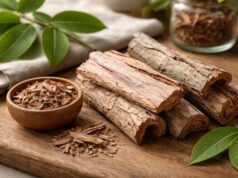
- Dried root and rhizome: used for tea or decoction
- Tincture or liquid extract: often used as bitters before meals
- Capsules or tablets: powdered root or extract
- Candied stem or culinary flavoring: generally food-level use, not medicinal dosing
- Essential oil: sometimes used in aromatherapy, but not appropriate for casual internal use
Tea and decoction for digestive comfort
A classic approach is a warm drink taken before or after meals.
- Infusion (tea): pour hot water over the dried root, cover, and steep.
- Decoction: simmer the root gently for 10–15 minutes to extract more of the bitter fraction.
Many people find decoctions more effective than a simple steep because roots can be dense. If you want a milder, more aromatic carminative tea, compare preparations with fennel tea for gas and bloating, which is often gentler.
Tincture as a bitter
Tinctures are commonly used in small amounts:
- 10–20 minutes before meals for appetite and gastric readiness
- After meals when heaviness is the main problem
Because tinctures vary in strength, follow the label and start low. The goal is a mild bitter signal, not a burning sensation.
Capsules for convenience
Capsules can be helpful when:
- You want consistent dosing without taste
- You are traveling
- You are using angelica as part of a structured routine
If capsules do not feel effective, timing may be the issue. Many digestive herbs work better when taken before meals rather than randomly during the day.
Quality and identification tips
- Choose products that specify Angelica archangelica and the plant part.
- Avoid “angelica” products that do not clarify the species.
- Be cautious with wild-harvested angelica unless the supplier is reputable and transparent about identification.
Angelica is most useful when the form supports its traditional function: aroma, warmth, and timing around meals or seasonal discomfort. If those elements are missing, the herb may feel less effective and more like an unnecessary supplement.
How much angelica per day?
Angelica dosing varies widely across traditions and product types. A safe strategy is to start at the low end, use it for a clear goal, and adjust only if you tolerate it well. The ranges below reflect common adult usage patterns for dried root and typical supplement formats.
Typical adult dose ranges
Dried root and rhizome (tea or decoction)
- Broad daily range used in many monographs: 0.3–12 g/day
- A practical routine dose is often 1–4 g/day, divided into 1–2 servings
- If using as a stronger decoction, smaller amounts may feel sufficient
Tincture or liquid extract
- Because tinctures vary, follow the label. Many people start with 1–2 mL, up to 3 times daily, adjusting based on effect and tolerance.
Capsules or tablets
- Common patterns fall around 300–600 mg per dose, 1–2 times daily, or a label-directed “before meals” plan.
Timing: when it tends to work best
- For low appetite or sluggish digestion: 10–20 minutes before meals
- For post-meal heaviness and gas: shortly after meals or in the evening
- For seasonal congestion: warm tea or decoction during the day, avoiding late dosing if it causes reflux
Duration: how long to use it
Angelica is often used:
- Short term for a digestive slump (7–14 days)
- Seasonally during cold weather or periods of congestion
- Intermittently, rather than continuously for months
If you need daily digestive support long term, it is worth addressing drivers such as meal timing, fiber intake, stress load, and reflux triggers. Sometimes the best result comes from changing the pattern rather than escalating herbs.
How to adjust dose safely
Use one variable at a time:
- Keep the form stable (do not switch tea to tincture and increase dose simultaneously).
- Increase slowly, every 3–4 days, if needed.
- Stop or reduce if you notice reflux burning, skin sensitivity, or unusual bruising.
When to consider alternatives
If nausea is your main symptom, angelica may help when nausea is tied to sluggish digestion. But if nausea is frequent or intense, it is often more useful to compare gentler, better-studied options such as ginger for nausea and digestive support and to consider medical evaluation for persistent symptoms.
The best angelica dose is the smallest amount that improves comfort without triggering irritation or sun sensitivity.
Side effects, interactions, and evidence
Angelica has a long history of use, but “traditional” does not mean “risk-free.” The safety profile is shaped by two practical realities: it contains compounds that can increase sun sensitivity, and it may not be appropriate alongside certain medications or conditions.
Common side effects
At typical doses, side effects are often mild but can include:
- Heartburn or reflux flare (especially if taken on an empty stomach in sensitive people)
- Nausea or stomach upset (more common with higher doses)
- Headache or dizziness in some users
- Skin sensitivity to sunlight, especially with prolonged use
If you develop a rash after sun exposure or notice unusual burning on skin that normally tolerates sun, stop use and protect your skin.
Photosensitivity: a key caution
Angelica can contain furanocoumarins that may increase UV sensitivity. Practical precautions include:
- Avoid tanning beds and prolonged midday sun while using
- Use sunscreen and protective clothing if you must be outdoors
- Be extra cautious if you already take photosensitizing medications
Not everyone reacts, but the risk is meaningful enough to treat as a standard safety rule.
Interactions and who should avoid
Use caution and seek professional guidance if you:
- Take anticoagulants or antiplatelet medications (bleeding risk concerns)
- Have a peptic ulcer or significant reflux disease
- Have a history of severe allergies to Apiaceae plants
- Are scheduled for surgery (discuss all supplements with your surgical team)
Avoid angelica unless a clinician advises otherwise if you are:
- Pregnant (traditional cautions and monographs often list pregnancy as a contraindication)
- Breastfeeding (use only with clinician guidance)
- A child (without professional dosing guidance)
Evidence: what we can say responsibly
Angelica’s best-supported modern use remains digestive comfort based on long-standing traditional practice and plausible mechanisms (bitters and aromatics). Evidence is stronger for herbal combinations that include angelica than for angelica alone, which is common in digestive formulas. Emerging clinical research has explored specific extracts for targeted issues, but results are not yet broad enough to treat angelica as a proven therapy for diagnosed conditions.
A balanced view is:
- Reasonable to trial for mild digestive sluggishness and gas when you tolerate bitters
- Reasonable as a warming, aromatic support during seasonal congestion
- Not a substitute for diagnosis when symptoms are severe, persistent, or worsening
- Best used with attention to sun exposure, medication compatibility, and correct species identification
Angelica is a useful herb when it is matched to the right pattern and used conservatively. Most problems occur when people treat it like a harmless daily tonic, ignore sun precautions, or use it without considering medications and underlying conditions.
References
- Angelica archangelica and its role in traditional medicine: A systematic review of its therapeutic applications 2026 (Systematic Review)
- Phytochemical Constituents, Folk Medicinal Uses, and Biological Activities of Genus Angelica: A Review 2022 (Review)
- NATURAL HEALTH PRODUCT ANGELICA – ANGELICA ARCHANGELICA 2025 (Government Monograph)
- Effects of Angelica archangelica Extract on Overactive Bladder: A Pilot Randomized Controlled Trial 2025 (RCT)
Disclaimer
This article is for educational purposes only and does not replace individualized medical advice, diagnosis, or treatment. Herbal products can vary in species identity, strength, and purity, and Angelica archangelica may increase sensitivity to sunlight and may not be appropriate with certain medications, including anticoagulants and antiplatelet drugs. Do not use angelica during pregnancy, and consult a licensed clinician or pharmacist before use if you are breastfeeding, have reflux or peptic ulcer disease, have significant allergies, or take prescription medications. Seek prompt medical care for severe abdominal pain, persistent vomiting, blood in stool, chest pain, shortness of breath, fever, swelling, or any symptom that worsens or does not improve.
If you found this guide helpful, please share it on Facebook, X (formerly Twitter), or your preferred platforms so others can use angelica more safely and effectively.