Anthyllis vulneraria—often called kidney vetch or woundwort—is a flowering herb in the pea family traditionally used in parts of Europe for skin care and gentle internal support. Folk practice most often centers on washing or compressing minor cuts, slow-to-settle irritations, and rough patches with a cooled infusion, while teas are sometimes used for throat comfort or a mild “tonic” effect. Modern interest in Anthyllis comes from its polyphenol-rich profile: flavonoids, phenolic acids, and tannins that can act as antioxidants and may influence how tissues respond to irritation and oxidative stress. Early laboratory and animal research lines up with the traditional story, especially for topical use, but the evidence is still far from “clinically proven” in humans. In real life, Anthyllis is best approached as a supportive herb for minor concerns—not a substitute for medical evaluation, wound care standards, or prescriptions when they are needed.
Essential Insights
- May support minor skin comfort and surface recovery when used as a cooled wash or compress.
- Polyphenols and tannins may help calm irritation and reduce weeping on small, superficial areas.
- Typical tea range: 3–5 g dried herb infused in hot water, 1–2 times daily for up to 14 days.
- Avoid if pregnant or breastfeeding, allergic to legumes (Fabaceae), or using blood thinners unless advised by a clinician.
Table of Contents
- What is Anthyllis vulneraria?
- Key ingredients and medicinal actions
- Does Anthyllis help skin healing?
- What else might it help?
- How to use Anthyllis
- Dosage and timing guidelines
- Safety, interactions, and evidence quality
What is Anthyllis vulneraria?
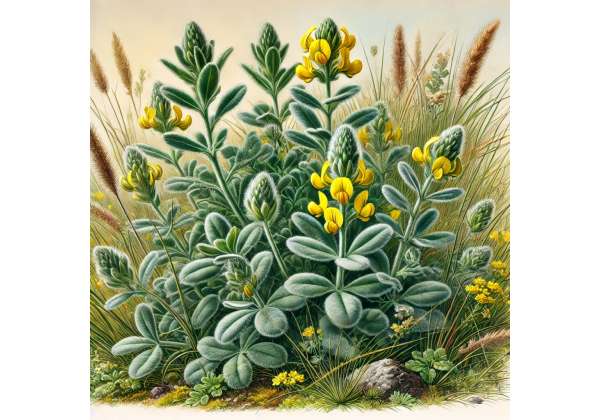
Anthyllis vulneraria is a perennial herb in the Fabaceae (pea) family. It’s known for its compact, clover-like flower heads—often yellow, sometimes orange or red depending on subspecies—and softly hairy leaves. You may see it growing on sunny, well-drained ground: dry meadows, calcareous grasslands, dunes, rocky slopes, and roadside edges. The “vulneraria” part of the name hints at its longstanding reputation as a “wound herb,” and many traditional preparations focus on skin support.
Common names you might encounter include:
- Kidney vetch
- Woundwort
- Variants translated from local traditions (for example, “wounded clover” in some folk naming systems)
Parts used in traditional and modern preparations
- Flowers and flowering tops: commonly dried for teas, rinses, and cosmetic extracts
- Leaves and aerial parts: used fresh as compresses or dried for infusions
- Whole aerial herb: sometimes used when the goal is a broad-spectrum extract (more “whole plant” chemistry)
From a practical perspective, Anthyllis sits in the overlap between herbalism and gentle skincare. In many traditions, it is prepared as a warm infusion and then used in two ways: a portion is taken internally as a tea, and the rest is cooled for external washing, compressing, or bathing. That dual use is not unique—many “wound herbs” are used this way because topical contact targets the skin directly, while internal use aims at general comfort.
One modern point that matters for consumers: Anthyllis can tolerate and sometimes accumulate minerals from the soil. That can be helpful for the plant’s survival, but it means sourcing matters. When the goal is a skin wash or tea, it’s worth choosing herb material from reputable cultivation and quality testing rather than unknown wild-harvest near roads, old industrial land, or contaminated soils.
Key ingredients and medicinal actions
Anthyllis vulneraria is often described as “polyphenol-rich,” and that phrase is useful as a starting point: polyphenols are plant compounds that commonly show antioxidant activity and can influence inflammatory signaling in laboratory models. But Anthyllis is not a single-compound herb. Its character comes from a mix of compound families that overlap in effect—sometimes reinforcing each other, sometimes changing how the herb feels depending on dose and preparation.
The most discussed compound groups include:
- Flavonoids (often as glycosides)
These are frequently associated with antioxidant activity and may help modulate the skin’s response to irritation. In practical terms, flavonoids are part of why Anthyllis is often framed as a “calming” herb for stressed tissues. - Phenolic acids
This group often shows up in plants used for soothing routines. Phenolic acids can contribute to antioxidant capacity and may support a more balanced inflammatory response in preclinical work. - Tannins
Tannins are classic “astringents.” They can tighten proteins on the surface of skin and mucosa, which may reduce minor weeping and create a subtle protective feel. In a cooled wash, this can translate into a “toning” sensation—helpful for small superficial irritations, but sometimes too drying if overused on already very dry skin. - Saponins
Saponins can influence how other compounds dissolve and interact with tissues. Some saponins are also biologically active. In a few plant families, saponins can be irritating at higher concentrations, which is one reason Anthyllis is usually prepared gently (tea-strength) rather than as a very concentrated internal extract unless guided by a professional. - Mucilage-like polysaccharides (in smaller amounts, depending on part used)
These can contribute to a soothing mouthfeel in teas and a softening effect in washes, which may help explain why some people prefer Anthyllis as a “gentle” herb compared with harsher astringents.
Why preparation changes the experience
Anthyllis chemistry is sensitive to method. A short infusion (steeped like tea) tends to emphasize water-soluble compounds, including many tannins and some flavonoid glycosides. A hydroalcoholic extract (water plus alcohol) may pull a broader range of polyphenols and semi-polar compounds. That’s part of why commercial extracts used in cosmetics may feel different from home infusions.
A useful way to think about Anthyllis is to match the preparation to the goal:
- Surface care (wash, compress): aim for a balanced infusion—noticeable but not harsh
- Throat comfort (gargle or tea): moderate strength, short duration
- Sensitive skin routines: prioritize dilute, cooled preparations and patch-test first
Does Anthyllis help skin healing?
Anthyllis vulneraria has one primary reputation: topical support for minor wounds and irritated skin. Traditional practice often describes it as helpful for small cuts, superficial scrapes, bruised-looking areas, and patches of skin that feel “stressed” rather than clearly infected. The most common real-world approach is simple: make an infusion, cool it, and apply it as a wash or compress.
How it may support the skin (plausible mechanisms)
- Astringent surface effect (tannins): may reduce minor weeping and create a lightly protective film
- Oxidative stress buffering (polyphenols): antioxidants may support a healthier local environment while the skin does its repair work
- Comfort and calming feel (mixed polyphenols and polysaccharides): can be noticeable when irritation is mild but persistent
What research suggests so far
Modern studies on Anthyllis are still relatively early-stage. The most encouraging data clusters around topical extracts in controlled models, where researchers measure wound closure, tissue markers of oxidative stress, and inflammatory signals. Those outcomes can align with traditional use, but they do not automatically translate into “it will heal your wound faster” in everyday settings. Human skin healing is influenced by many variables—depth of injury, infection risk, blood flow, nutrition, diabetes status, friction, and basic wound hygiene.
What results are realistic to expect
For many people, Anthyllis is best viewed as a supportive topical for:
- minor cuts and abrasions after cleaning
- mild irritation from friction or dryness
- rough, inflamed-looking patches that are not worsening
- a “reset” wash after shaving or minor skin stress (only if it does not sting)
It is not an appropriate self-treatment for:
- deep wounds, gaping cuts, punctures, or animal bites
- burns beyond mild superficial redness
- wounds with spreading redness, warmth, increasing pain, pus, fever, or red streaking
- ulcers, diabetic foot wounds, or wounds that are not improving within a few days
If you want a close cousin in terms of gentle topical tradition, consider learning how people commonly use calendula preparations for minor skin support—then compare the feel and response you get from each herb.
A practical “Anthyllis compress” workflow
- Clean the area with clean water (and mild soap if needed), then pat dry.
- Apply a cooled Anthyllis infusion on clean gauze for 10–15 minutes.
- Let the skin air-dry briefly; moisturize if the area feels tight (especially if your infusion is tannin-strong).
- Repeat 1–3 times daily for up to 3–5 days, reassessing daily.
If symptoms worsen or you are unsure whether infection is developing, treat that as a signal to stop experimenting and get clinical guidance.
What else might it help?
Beyond skin, Anthyllis vulneraria shows up in folk use as a “multi-purpose” herb—especially for the throat, mild cough, and general cleansing routines. Modern evidence is thinner here than for topical experiments, so it helps to frame these uses as traditional and exploratory, not guaranteed outcomes.
1) Throat and mouth comfort
A warm infusion used as a gargle can feel soothing when the throat is scratchy or the mouth feels irritated. The same astringent tannins that “tone” skin can also create a tightening, drying feel on mucosa—helpful for some people, unpleasant for others. If you are prone to dryness, use a weaker infusion and do not over-gargle.
Practical uses that match tradition:
- gargle after meals for mild throat irritation
- mouth rinse for transient soreness (not as a replacement for dental evaluation)
2) Cough and upper respiratory support
Some folk traditions describe Anthyllis tea as supportive for coughs, particularly when the throat feels raw. A reasonable interpretation is “comfort,” not “cure.” If a cough is persistent, severe, associated with shortness of breath, chest pain, or fever, the right move is evaluation—not stacking herbs.
If you’re comparing herbs for cough support, horehound is another traditional option often discussed for respiratory comfort, and it may be more targeted for some cough patterns than Anthyllis.
3) Digestive and “tonic” use
Anthyllis sometimes appears as a mild tonic tea—taken for a short period in spring or after illness. Because tannins can be astringent, some people find it settles mild loose stools, while others find it constipating or drying if used too strongly.
A practical way to approach digestive use is conservative:
- choose a mild tea strength
- use it short-term (a few days)
- stop if it increases constipation, bloating, or stomach discomfort
4) Skin-related internal goals (acne or “blood cleansing”)
Traditional language often frames herbs as “cleansing the blood,” which is not a medical diagnosis. In modern terms, these uses may reflect attempts to support skin calmness via overall inflammation balance. The evidence for Anthyllis as an internal acne intervention is not strong, so it’s best treated as a low-stakes experiment—never as a substitute for proven acne care when needed.
As a rule, the more your goal depends on internal, whole-body change, the more important it is to be honest about evidence limits and to avoid long, high-dose use.
How to use Anthyllis
Anthyllis is unusually flexible because the same basic preparation—an infusion—can be used internally, as a gargle, or externally. The key is to keep the method clean and consistent so you can judge whether it truly helps you.
Common forms you’ll see
- Dried flowers or aerial parts (loose herb): best for tea, gargles, and compresses
- Tinctures and fluid extracts: more concentrated; better suited to experienced users and professional guidance
- Topical creams or cosmetic extracts: convenient, but quality and concentration vary widely
- Fresh herb poultice or bruised leaves: traditional in some regions; higher contamination risk if hygiene is poor
How to prepare a basic infusion (dual-use)
- Add hot (near-boiling) water to the dried herb in a covered cup.
- Steep, then strain.
- Use warm as tea or gargle; cool fully for compresses.
Tips that improve consistency
- Cover while steeping: helps retain volatile components (even if Anthyllis is not strongly aromatic).
- Use the same cup size: dosing becomes guesswork when volume changes daily.
- Make fresh daily for topical use: old infusions can grow microbes, especially if left warm.
Topical use options
- Compress: soaked gauze on clean skin for 10–15 minutes
- Rinse or wash: gently bathe the area, then pat dry
- Bath add-in: a larger batch added to water for widespread irritation (avoid if open wounds are present)
If your goal is “herbal skin support,” it can help to compare several gentle options and pick one that your skin consistently tolerates. For another classic topical herb with broad household use, see plantain leaf preparations for everyday skin and surface comfort.
Common mistakes to avoid
- Using it on infected-looking wounds: herbal compresses are not a substitute for antisepsis and clinical care.
- Going too strong, too fast: astringent herbs can irritate or overdry if you jump to a concentrated brew.
- Skipping patch tests with creams: cosmetics can contain fragrance, preservatives, or high extract loads that cause reactions unrelated to the herb.
Used thoughtfully, Anthyllis fits best into a “clean, gentle, short-term” routine—especially for topical goals.
Dosage and timing guidelines
Anthyllis vulneraria does not have a universally standardized clinical dose. Most dosing guidance comes from traditional practice and how the herb is used in household-level infusions. That means two things for you as a reader: start conservatively, and treat your response as the deciding factor.
Tea and infusion ranges (traditional guidance)
- Mild tea: about 1–2 spoonfuls of dried herb per cup, steep 5–10 minutes
- Stronger infusion: about 3–5 g dried herb per cup, steep 5–10 minutes
A practical schedule many people use:
- 1 cup once daily for 2–3 days, then increase only if you tolerate it
- Typical ceiling for self-use: 1–2 cups per day
- Duration: up to 10–14 days, then take a break and reassess
Timing and best use-cases
- For throat comfort: take as tea or use as a gargle as needed, typically after meals or before bed (if it does not dry you out).
- For digestion: consider taking it after meals if your goal is comfort; stop if it worsens constipation.
- For skin routines: topical timing matters more than internal timing. Use a cooled compress 1–3 times daily for several days, checking daily for improvement.
Topical dosing that is easy to follow
- Compress for 10–15 minutes, 1–3 times daily
- Continue 3–5 days, then stop if there is no meaningful improvement
- If the area feels tight or flaky, reduce strength or frequency and moisturize after
Variables that change your ideal dose
- Skin type: very dry or eczema-prone skin may react to astringents with more dryness
- Body size and sensitivity: smaller bodies and sensitive digestion usually do better with mild tea
- Other astringents in your routine: combining several tannin-heavy herbs can increase dryness or constipation risk
- Product quality: some commercial extracts are far more concentrated than tea-strength preparations
When to stop (even if you planned to continue)
Stop and reassess if you notice:
- new rash, itching, swelling, or burning sensation
- worsening redness, heat, or pain at a wound site
- stomach upset, nausea, or constipation that does not resolve quickly
- any sign of an allergic pattern (hives, facial swelling, wheezing)
Dosing should feel like a measured trial, not a commitment. If you find you “need” higher and higher amounts to get the same effect, that is usually a sign to step back and reconsider the approach.
Safety, interactions, and evidence quality
Anthyllis vulneraria is generally described as a gentle herb when used in traditional tea-strength preparations, especially for short periods. Still, “gentle” is not the same as “risk-free,” and the safest approach is to treat it like any bioactive plant: start low, observe, and avoid use in higher-risk situations.
Possible side effects
- Skin dryness or tightness: more likely with strong infusions and frequent topical use (tannins)
- Digestive effects: mild stomach upset in sensitive people; constipation if the tea is strong and frequent
- Allergic reactions: possible, especially in people with legume (Fabaceae) allergies
Who should avoid Anthyllis or use only with guidance
- Pregnant or breastfeeding people: safety data are limited; avoid unless advised by a clinician
- Children: avoid routine internal use without pediatric guidance
- People with known Fabaceae allergy: avoid due to reaction risk
- Those with chronic wounds, immune suppression, or diabetes-related foot problems: do not self-treat; professional wound care matters
Medication and supplement interactions (practical cautions)
Direct interaction studies for Anthyllis are limited, so the safest guidance is conservative:
- If you use blood thinners or antiplatelet drugs, check with a clinician before regular internal use (polyphenol-rich herbs sometimes influence bleeding risk or lab values in indirect ways).
- If you take multiple anti-inflammatory supplements, be cautious about stacking and watch for easy bruising or stomach irritation.
- If you have a complex medication regimen, treat Anthyllis as a potential variable and introduce it only one change at a time.
Quality and contamination considerations
A less discussed safety point is where the plant was grown. Anthyllis can tolerate mineral-rich soils, and some plant populations are studied for metal tolerance. For consumers, that translates into a simple rule: use products that prioritize testing and avoid unknown wild-harvest from roadsides, old mining regions, or industrial land.
What the evidence actually supports today
- Best-supported direction: topical use for minor skin support, with encouraging preclinical data and a long tradition of household use
- Moderate support: antioxidant and anti-inflammatory activity in lab settings (useful, but not the same as proven clinical outcomes)
- Weak support: internal use for complex conditions (acne, “detox,” cardiovascular claims) due to limited human trials
A good way to stay evidence-aligned is to match Anthyllis to low-stakes goals: comfort, gentle skincare support, and short-term throat soothing—while using standard medical care for anything severe, persistent, or risky.
References
- The Effects of Anthyllis vulneraria Hydroalcoholic Leaf Extract as an Adjuvant in Wound Healing 2025 (Preclinical Study)
- Phenolic Profile, EPR Determination, and Antiproliferative Activity against Human Cancer Cell Lines of Anthyllis vulneraria Extracts – PMC 2022 (Laboratory Study)
- Prenylated Chalcones From Roots of Kidney Vetch (Anthyllis vulneraria L.) With Antiproliferative Activity – PubMed 2025 (Laboratory Study)
- VOLKSMED Database: A Source for Forgotten Wound Healing Plants in Austrian Folk Medicine – PubMed 2024 (Review)
- Plant Images – Herbal Aid 2022 (Traditional Use Summary)
Disclaimer
This article is for educational purposes only and does not provide medical advice, diagnosis, or treatment. Herbs can cause side effects and may interact with medications or medical conditions. Do not use Anthyllis vulneraria to self-treat serious, infected, deep, or non-healing wounds, or to replace professional care. If you are pregnant, breastfeeding, managing a chronic condition, taking prescription medicines (especially blood thinners), or planning surgery, consult a qualified clinician before using herbal products. Seek urgent medical care for wounds with spreading redness, increasing pain, fever, pus, red streaking, or signs of allergic reaction.
If this guide was helpful, consider sharing it on Facebook, X (formerly Twitter), or your preferred platform so others can find clear, safety-first information.