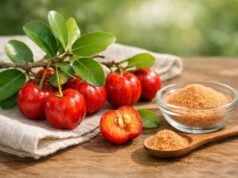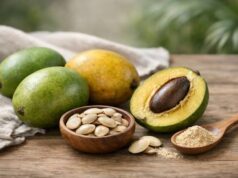
Apricot kernels are the seeds found inside the hard pit of the apricot fruit. They have a long history in food traditions (especially in parts of Europe, the Middle East, and Asia) and appear in modern wellness conversations for two very different reasons: their nutrient-rich oil and their naturally occurring cyanogenic compound, amygdalin. That split matters. “Sweet” kernels are used in small culinary amounts, while “bitter” kernels can contain far higher amygdalin levels and may release cyanide when digested—making safety the first decision point.
When used appropriately, apricot kernel products are mainly valued for their fat profile (oleic and linoleic acids), vitamin E–type antioxidants, and emollient properties that support skin comfort. At the same time, the same plant family also produces kernels that pose real toxicity risk if eaten in the wrong form or amount. This guide explains what apricot kernels contain, what benefits are realistic, how to use them thoughtfully, and when they are best avoided.
Essential Insights
- Apricot kernel oil can support dry, uncomfortable skin when used topically and may be used as a culinary fat in small amounts.
- Whole kernels are not a safe “natural B17” or cancer remedy; bitter kernels can cause cyanide poisoning.
- If using food-grade sweet kernels, keep intake conservative (about 5–10 g/day) and avoid daily long-term use.
- Avoid bitter kernels entirely, and avoid all kernel ingestion during pregnancy, breastfeeding, and in children.
Table of Contents
- What is an apricot kernel?
- Key compounds and nutrients
- Does apricot kernel help health?
- How to use apricot kernel safely
- How much apricot kernel per day?
- Side effects and drug interactions
- What the evidence really shows
What is an apricot kernel?
An apricot kernel is the seed inside an apricot pit (stone). If you crack the pit, you’ll find a soft, almond-shaped kernel. In food contexts, kernels are usually described as sweet or bitter—and that single distinction changes the risk profile dramatically.
Sweet apricot kernels are used in limited culinary ways: ground into flavoring pastes, added in tiny amounts to confections, or pressed into oil. Their taste can resemble almonds. Bitter apricot kernels contain much higher amounts of amygdalin, a cyanogenic glycoside. When amygdalin is broken down in the body (or sometimes during processing), it can release hydrogen cyanide. That’s why bitter kernels are associated with poisoning reports and why several food authorities advise against consuming them.
It’s also important to separate whole kernels from apricot kernel oil. The oil is mostly fat (with very low levels of water-soluble compounds), so it does not behave the same way as chewing and swallowing the raw kernel. People often blur these together online, but in practice they are different products with different uses.
You may also see apricot kernel products marketed under misleading labels such as “vitamin B17.” This term is not a recognized vitamin. It is a marketing name historically used for amygdalin-related products. If a label emphasizes “B17,” “amygdalin,” or “laetrile,” you should treat it as a safety warning rather than a benefit.
A practical way to think about apricot kernels is as a food ingredient with two versions: one used cautiously for flavor and oil, and another that can be unsafe to eat. If you do not have clear information that a product is food-grade sweet kernel (and you cannot verify sourcing and intended use), the safest default is not to ingest it.
Key compounds and nutrients
Apricot kernels contain a mix of fats, plant sterols, and antioxidant compounds, but the exact profile depends on the cultivar (sweet vs bitter), growing conditions, and processing.
1) Fatty acids (the “oil fraction”)
Most of the kernel is fat, especially in varieties grown for oil. The dominant fatty acids are typically:
- Oleic acid (omega-9): a monounsaturated fat also found in olive oil.
- Linoleic acid (omega-6): a polyunsaturated fat that supports normal skin barrier function.
- Smaller amounts of saturated fats (such as palmitic acid).
This fat profile explains why apricot kernel oil feels “slippery” and skin-softening, and why it can work well as a carrier oil in topical blends.
2) Vitamin E family and antioxidant components
Apricot kernels and their oils may contribute vitamin E–type compounds (tocopherols), which help protect fats from oxidative damage. Vitamin E’s most consistent role is membrane and skin support, but dose matters—especially if you also take high-dose supplements. If you want a deeper primer on forms and safe ranges, see the vitamin E dosing and safety guide.
3) Phytosterols and minor bioactives
Kernels contain plant sterols (such as beta-sitosterol) and small amounts of phenolic compounds. These “minor” constituents are often discussed as anti-inflammatory or antioxidant contributors, but they vary widely by processing and are not a guarantee of a specific health outcome.
4) Amygdalin (the defining safety compound)
Amygdalin is the ingredient most responsible for both the internet hype and the real-world risk. Bitter kernels can contain substantially higher amygdalin concentrations than sweet kernels. When metabolized, amygdalin can generate cyanide, which is rapidly acting and potentially dangerous—especially for children and for anyone consuming more than trace amounts.
What processing changes
- Roasting/heat may reduce some cyanogenic potential, but it does not reliably make bitter kernels “safe.”
- Oil pressing largely concentrates fats and leaves behind many non-fat compounds. That’s one reason oil is treated differently than whole kernels.
The big takeaway: the “key ingredients” story is really two stories—nutritive fats and antioxidants on one side, and a cyanide-releasing compound on the other. A safe approach prioritizes the first while avoiding the second.
Does apricot kernel help health?
Apricot kernel products are most defensible for skin comfort and culinary use, not for disease treatment. When people report benefits, they usually fall into a few practical categories.
1) Skin dryness and barrier support (most plausible use)
Apricot kernel oil is commonly used as an emollient. It can:
- Reduce the “tight,” dry feeling after washing
- Improve surface softness and comfort
- Help reduce friction in irritated, chafed areas (as a protective layer)
These effects are mechanical and supportive—more like a high-quality plant oil than a medicine. They can be meaningful if your skin is dry, but they will not replace targeted treatment for eczema flares, infections, or inflammatory rashes.
2) Gentle carrier oil for routines
Because it tends to be lightweight, apricot kernel oil is often used as a carrier for essential oils (with appropriate dilution) or as a blending oil with heavier emollients. If you are sensitive to strong fragrances, an unscented oil can also help you simplify your routine.
3) Nutrient contribution (modest, food-level)
If you use small culinary amounts of sweet kernel or kernel oil, you may add monounsaturated and polyunsaturated fats to the diet. These fats can support normal cell membrane function and satiety when used in place of more refined fats. The clearest “health benefit” here is dietary pattern improvement—not a unique therapeutic effect.
If you are trying to understand omega-6 dosing and how it fits into a balanced fat profile, the omega-6 benefits and dosage guide can help you think in ranges rather than hype.
4) Respiratory, digestive, or “immune” claims (treat cautiously)
Traditional systems have used various Prunus seeds in different preparations, but modern evidence for apricot kernel ingestion improving cough, digestion, or immune outcomes is limited and complicated by safety. Many of the strongest “internal use” claims online are tied to amygdalin marketing—where the risk may outweigh any theoretical benefit.
5) Cancer claims (do not self-treat)
Apricot kernels are frequently promoted as a cancer remedy because of amygdalin. This is not a safe or evidence-based self-treatment strategy. The cyanide risk is real, and clinical benefit has not been established in a way that justifies that risk. If you or someone you love is dealing with cancer, the safest and most constructive step is to discuss any supplement interest with an oncology care team to avoid delaying proven treatments or creating preventable harm.
In short: apricot kernel oil can be a reasonable supportive product for skin and culinary use, while whole-kernel “medicinal” benefits are often overstated and can be dangerous when tied to amygdalin.
How to use apricot kernel safely
Safe use starts with choosing the right form. Think in terms of oil vs whole kernels, and sweet vs bitter.
1) Apricot kernel oil (topical use)
This is the most common and generally safest way to use apricot kernel derivatives.
- How to apply: Use a few drops on damp skin after bathing, or massage into dry areas (hands, elbows, legs).
- For facial use: Start with 1–3 drops, especially if you are acne-prone. Some people find richer oils too occlusive.
- Patch test: Apply to a small area for 24–48 hours if you have reactive skin.
2) Apricot kernel oil (culinary use)
Food-grade apricot kernel oil can be used like other mild plant oils. It works best:
- In cold applications (dressings, drizzles) to preserve flavor and delicate compounds
- In moderate heat cooking if the product is labeled appropriate for cooking (avoid overheating)
If you like comparing culinary oils, the olive oil benefits and dosing overview offers a helpful reference point for how plant oils are typically used in a health-conscious diet.
3) Sweet apricot kernels (culinary use)
If you choose to eat kernels, only consider food-grade sweet kernels intended for consumption.
- Use them as a flavoring ingredient, not as a supplement
- Prefer small quantities, and avoid daily long-term use
- Store properly to prevent rancidity (cool, airtight, away from light)
4) Bitter kernels and “B17” products (avoid ingestion)
Bitter kernels and products marketed for amygdalin/laetrile purposes are the highest risk category. The “benefit” rationale often depends on cyanide release, which is not an acceptable mechanism to pursue on your own. Avoiding these products is the safest choice.
5) Common mistakes that raise risk
- Assuming “natural” means safe for daily use
- Using taste as the only test (bitterness can indicate amygdalin, but absence of strong bitterness does not prove safety)
- Giving kernels to children (higher risk due to lower body mass)
- Combining kernel ingestion with high-dose vitamin C or certain herbal “detox” stacks (these can change metabolism in unpredictable ways)
6) Who should avoid entirely
- Children and adolescents
- Pregnant or breastfeeding individuals
- Anyone with liver disease, kidney disease, or a history of unexplained fainting or metabolic issues
- People using supplements or medications that already increase risk sensitivity (for example, those affecting oxygen delivery or detox pathways)
Used thoughtfully, apricot kernel oil can fit into skincare and cooking. Whole kernels are a different story: unless you can verify a safe, food-grade sweet product and keep intake conservative, avoiding ingestion is the more responsible option.
How much apricot kernel per day?
Because apricot kernels can vary widely in amygdalin content, there is no universal “safe dose” for whole kernels, especially bitter ones. A safer approach is to dose by form and to treat whole-kernel ingestion as optional rather than necessary.
1) Bitter apricot kernels: recommended intake is none
For bitter kernels, the most responsible dosing guidance is avoid ingestion. Cyanide toxicity can occur even at relatively small amounts, and risk is higher in children. If a product is marketed around “B17,” “amygdalin,” or “laetrile,” do not use it as a supplement.
2) Sweet, food-grade kernels (if used at all)
If you are confident you have food-grade sweet kernels intended for eating:
- Conservative range: about 5–10 g per day (roughly 1–2 teaspoons chopped, or a small tablespoon of ground kernels)
- Timing: take with food, not on an empty stomach
- Duration: treat as occasional culinary use (days to weeks), not a daily, indefinite supplement habit
If you cannot verify the product is sweet and intended for consumption, do not use this guidance—default to avoidance.
3) Apricot kernel oil (culinary)
For food-grade oil used like other plant oils:
- Typical range: 5–15 mL per day (about 1–3 teaspoons) as part of total daily fats
- Timing: with meals, especially if you want it to replace less favorable fats
- Duration: can be used as a regular culinary oil if tolerated, but variety is still wise (rotate oils)
4) Apricot kernel oil (topical)
Topical “dose” is about coverage and tolerance:
- Face: 1–3 drops
- Body: ½–1 teaspoon (2.5–5 mL) depending on area
- Frequency: once daily or as needed, with patch testing if sensitive
5) Red flags that mean stop immediately
If you ingest kernels and develop symptoms such as headache, dizziness, nausea, vomiting, confusion, shortness of breath, or unusual drowsiness, stop and seek urgent medical help—these can be signs of cyanide toxicity.
The simplest practical rule is this: use oil for skin or cooking, and avoid using whole kernels as a “dose-based supplement.” If you insist on eating kernels, keep it firmly in the culinary range and only with verified sweet, food-grade products.
Side effects and drug interactions
Apricot kernel safety depends heavily on the form. Side effects from apricot kernel oil are usually mild and skin-related, while side effects from whole kernels can be severe if cyanide exposure occurs.
1) Topical apricot kernel oil: typical side effects
- Skin irritation or rash (more likely with fragranced products or sensitive skin)
- Breakouts in acne-prone individuals if the oil is too occlusive for them
- Eye irritation if applied too close to the lash line
Practical safety steps:
- Patch test first if you react easily
- Choose simple, unscented products
- Avoid applying to broken, infected, or weeping skin without medical guidance
2) Oral use of oil: digestive tolerance
When used as a culinary oil, side effects usually look like other dietary fats:
- Upset stomach if taken in large amounts
- Loose stools if your digestive system is sensitive to oils
Start with a small amount (for example, 1 teaspoon) and increase only if well tolerated.
3) Whole kernels: cyanide-related toxicity
This is the main safety concern and can present quickly. Potential signs include:
- Nausea, vomiting, abdominal pain
- Headache, dizziness, confusion
- Rapid breathing, shortness of breath
- Weakness, fainting, seizures in severe cases
Children are at higher risk because a smaller amount can create a higher dose per kilogram of body weight.
4) Medication and supplement interactions
For apricot kernel oil, meaningful interactions are unlikely at food-level use. For whole kernels and amygdalin-related products, caution is warranted because:
- The body’s detox pathways and gut bacteria influence amygdalin breakdown
- Combining multiple supplements that affect metabolism can raise unpredictability
- Self-treating serious illness can delay effective medical care
5) Who should avoid (high priority)
Avoid ingesting apricot kernels (and be cautious with any kernel-derived supplements) if you are:
- Pregnant, trying to conceive, or breastfeeding
- Giving anything to a child
- Managing chronic liver or kidney disease
- Undergoing cancer treatment or taking complex medication regimens
- Prone to fainting episodes, unexplained fatigue, or metabolic instability
6) When to seek urgent help
If cyanide exposure is possible and symptoms appear—especially breathing changes, confusion, or collapse—seek emergency care. Do not “wait it out.”
In most real-world scenarios, people can get the benefits they want (skin comfort, culinary oil use) without the risks associated with eating kernels. Safety improves dramatically when you choose the lowest-risk form.
What the evidence really shows
Apricot kernels sit at a tricky intersection of nutrition, traditional use, and modern supplement marketing. The evidence base is clearer when you separate outcomes into three buckets: skin support, general nutrition, and disease-treatment claims.
1) Skin and cosmetic use: practical support, not a cure
Apricot kernel oil behaves like many plant oils: it supports the skin barrier by reducing water loss and improving surface softness. This is a useful effect, but it is not the same as treating a medical skin condition. Evidence here is mostly consistent with what we know about emollients in general—people often feel better when dry skin is supported.
2) Nutritional value: real, but not unique
The kernel’s fats and vitamin E–type compounds are real constituents, and using a reasonable oil as part of diet quality can be a net positive. However, there is no clear evidence that apricot kernel products outperform other well-studied dietary fats when it comes to major health outcomes. If your goal is better fat quality, many oils can serve that purpose.
3) Amygdalin and cancer claims: limited clinical support, real toxicity
The most controversial claims revolve around amygdalin (and products marketed as laetrile or “B17”). Lab studies have explored mechanisms, but clinical evidence that justifies self-treatment is not established, and the toxicity pathway (cyanide release) is a major concern.
If you want a focused discussion of cancer claims, toxicity, and why “B17” language is misleading, the amygdalin safety and cancer-claim guide offers a deeper explanation. The key point for this article is simple: a compound that can release cyanide is not a safe do-it-yourself cancer strategy.
4) Why people still report benefits
A few reasons explain persistent popularity:
- People may experience real symptom relief from topical oil (dryness, friction)
- “Natural remedy” framing can feel appealing when someone is anxious about health
- Marketing often blends nutrition language with therapeutic promises
5) A realistic bottom line
- Best-supported use: topical skin support and culinary oil use
- Moderate evidence, low uniqueness: nutritional contribution when used as a food ingredient
- High-risk, not recommended: eating bitter kernels or using amygdalin/laetrile-type products for disease treatment
A good evidence-based approach respects both sides of the story: apricot kernel oil can be a reasonable supportive product, while whole-kernel ingestion—especially bitter forms—can introduce unnecessary and sometimes severe risk.
References
- FDA Issues Warning About Toxic Amygdalin Found in Apricot Seeds | FDA 2024 (Government Safety Notice)
- Plant toxins | Food Standards Agency 2024 (Guidance)
- Apricot kernels (raw) | Food Standards Australia New Zealand 2025 (Guidance)
- Apricot Kernel: Bioactivity, Characterization, Applications, and Health Attributes – PMC 2022 (Review)
- Amygdalin: Toxicity, Anticancer Activity and Analytical Procedures for Its Determination in Plant Seeds – PMC 2021 (Review)
Disclaimer
This article is for educational purposes and does not replace medical advice, diagnosis, or treatment. Apricot kernels—especially bitter varieties and products marketed as amygdalin or laetrile—can be toxic and may cause cyanide poisoning. Do not use apricot kernels to self-treat cancer or any serious condition. If you are pregnant, breastfeeding, managing a chronic illness, taking medications, or considering apricot kernel products for a child, consult a qualified clinician first. If you suspect poisoning or develop symptoms such as dizziness, vomiting, confusion, or breathing difficulty after ingesting kernels, seek emergency medical care immediately.
If you found this guide useful, consider sharing it on Facebook, X (formerly Twitter), or your preferred platform so others can make safer, better-informed choices.