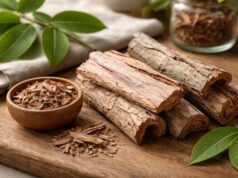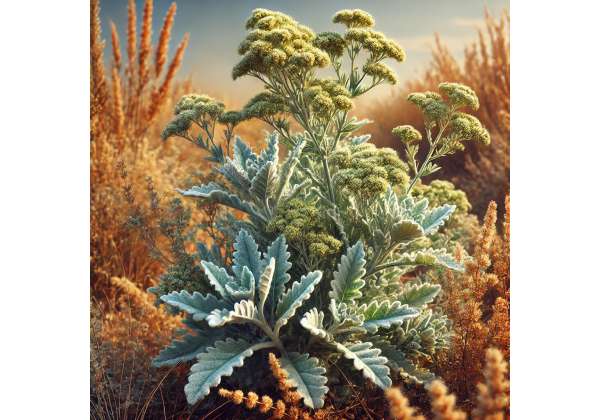
Artemisia (Artemisia absinthium), often called wormwood, is a famously bitter herb with a long history in European and West Asian herbal traditions. People most commonly use it in short courses for temporary loss of appetite and mild digestive discomfort, especially when meals feel heavy, bloating is prominent, or digestion seems sluggish. Wormwood’s “bite” is not just a sensory trait; it reflects a set of bitter compounds and aromatic oils that can influence digestive signaling, secretion, and motility.
At the same time, wormwood is an herb where dosage and duration matter. Some chemotypes contain notable amounts of thujone, a compound linked to nervous-system stimulation at higher exposures. For that reason, responsible use emphasizes modest amounts, limited timelines, and avoidance of concentrated essential oil ingestion. In this guide, you will learn what wormwood contains, which benefits are realistic, how to prepare and time it, and how to apply modern safety rules—especially for pregnancy, seizure risk, and medication interactions.
Key Takeaways
- May support appetite and help settle mild dyspepsia when used briefly and taken at the right time
- Typical tea use is 2–3 g per day of dried herb (infusion), usually split into 2–3 doses
- Avoid ingesting wormwood essential oil; excessive thujone exposure can cause neurologic symptoms
- Avoid if pregnant, breastfeeding, under 18, or if you have seizure disorders or bile duct obstruction
Table of Contents
- What is Artemisia absinthium
- Key ingredients and medicinal properties
- Wormwood benefits and realistic outcomes
- How to use wormwood
- How much wormwood per day
- Wormwood side effects and interactions
- What the evidence actually shows
What is Artemisia absinthium
Artemisia absinthium is a silvery-green, aromatic plant in the daisy family (Asteraceae). It is best known for two things: intense bitterness and a distinctive scent that can be sharp, herbal, and slightly resinous. The aerial parts (leaves and flowering tops) are typically dried and used in teas, tinctures, and capsules. Historically, wormwood also appears in bitters formulas and in the cultural story of absinthe, though modern beverage regulations and formulations do not make absinthe a reliable “medicinal” reference point.
In everyday herbal practice, wormwood is usually treated as a targeted, short-term bitter rather than a daily wellness tea. People tend to reach for it when appetite is temporarily low or when digestion feels slow and uncomfortable—especially after rich foods. The bitter taste can stimulate taste receptors and digestive reflexes, and the aromatic constituents may contribute to the “settling” sensation some people notice after meals. That said, wormwood is not a gentle herb for everyone; its bitterness can be too intense for sensitive stomachs, and its essential oil composition can pose risks if used improperly.
It is also important to distinguish wormwood from other Artemisia species. The genus includes many plants used in culinary and traditional medicine contexts, some with very different dominant compounds. Confusion can happen at the point of purchase, especially with products that list only “Artemisia” rather than a species name. For supplement use, look for clear botanical identification (Artemisia absinthium) and a stated plant part (often “aerial parts” or “herb”). For teas, choose products that look like cut herb rather than powder-only blends, since very fine powders can be harder to dose consistently and may taste harsher.
Finally, wormwood is often marketed for broad purposes—microbial balance, immune support, and “cleansing.” A more realistic approach is to treat wormwood as a specific tool: useful in certain digestive situations, unsuitable for long-term self-experimentation, and best used with clear boundaries around dose and duration.
Key ingredients and medicinal properties
Wormwood’s effects come from two major “families” of plant constituents: bitter compounds and volatile (essential) oils. Understanding the difference helps you choose the right form and avoid common safety mistakes.
Bitter sesquiterpene lactones
Wormwood contains intensely bitter sesquiterpene lactones, often discussed under names such as absinthin and related bitters. These compounds are not primarily about aroma; they are about taste-driven physiology. Bitter signaling can increase salivation and may support digestive secretions and motility—one reason bitters are traditionally timed around meals. In practical terms, the medicinal property most often linked to wormwood’s bitters is stomachic action: supporting appetite and easing mild dyspeptic discomfort.
Volatile oils and thujone
Wormwood’s essential oil fraction can contain compounds such as alpha- and beta-thujone, along with other terpenes that shape scent and biologic activity. Thujone is the key safety marker because higher exposures are associated with nervous-system excitation. Importantly, thujone content can vary by plant chemotype, growing conditions, and extraction method. A gentle tea is not the same as a concentrated essential oil, and a standardized extract is not the same as a home-distilled oil.
A useful rule: the more concentrated and fat-soluble the preparation, the more you should think about thujone exposure. This is why ingesting wormwood essential oil is widely considered unsafe, and why responsible oral use tends to focus on modest doses and limited duration.
Flavonoids, phenolic acids, and supportive compounds
Beyond bitters and oils, wormwood contains polyphenols (including flavonoids and phenolic acids) that are often studied for antioxidant and microbial-modulating activity in laboratory settings. These compounds may contribute to the broader “tonic” profile that people associate with wormwood, but they are not a license for high-dose, long-term use.
How these ingredients translate to real use
- Bitters drive the classic use: appetite and mild digestive upset
- Volatile oils influence aroma and antimicrobial lab findings, but also drive safety limits
- Polyphenols add supportive activity, but clinical relevance depends on dose and form
In short, wormwood’s medicinal personality is “strong and specific”: potentially helpful when used with precision, and more likely to cause trouble when used casually or in concentrated oil forms.
Wormwood benefits and realistic outcomes
Wormwood is most often used for digestive support, but online claims can expand quickly into parasite cures, major anti-inflammatory effects, and broad “detox” promises. A grounded view focuses on benefits that match wormwood’s most plausible mechanisms and traditional indications.
Appetite and mild dyspepsia
The clearest traditional fit is support for temporary loss of appetite and mild dyspeptic complaints—the vague but familiar cluster of fullness, bloating, slow digestion, and low desire to eat. Wormwood’s bitterness can be useful when appetite is low due to stress, travel, or a temporary digestive slowdown. Realistic outcomes look like:
- More comfortable interest in food
- Less heavy, stagnant feeling after meals
- A modest reduction in bloating for some people
This tends to work best when wormwood is taken briefly and timed appropriately (before meals for appetite support, after meals for post-meal discomfort). If you prefer a gentler bitter approach, you may compare it with other classic bitters such as gentian root digestive support, which is also commonly used to cue digestive function without relying on thujone-containing oils.
Microbial balance and “cleansing” claims
Wormwood extracts and oils show antimicrobial activity in laboratory settings, which is one reason it appears in “microbial balance” marketing. However, lab findings do not automatically translate into safe, effective self-treatment for infections. If you suspect a bacterial, fungal, or parasitic condition, it is safer to use wormwood only as a clinician-guided adjunct—if at all—rather than replacing diagnostics and proven therapy.
Inflammation and gut comfort
Some people explore wormwood for inflammatory bowel symptoms or broader inflammatory patterns. The most responsible expectation is adjunct-level support in carefully selected cases, not standalone control of inflammatory disease. If symptoms include weight loss, blood in stool, persistent diarrhea, fever, or night pain, the priority is medical evaluation.
What wormwood is not good for
Wormwood is unlikely to be a good choice if:
- You need rapid, strong symptom relief (it is not an instant painkiller)
- You have a sensitive stomach that reacts to bitters with nausea or reflux
- You need a long-term daily herb (wormwood is usually a short course)
A helpful mindset is to treat wormwood as a “strong bitter lever.” If your goal is appetite and mild digestive flow, it may be worth a careful trial. If your goal is to treat complex disease without medical support, wormwood is not the right tool.
How to use wormwood
Wormwood can be used in several forms, but the safest and most traditional oral approaches are tea (infusion) and measured preparations (tinctures or standardized products). The best choice depends on your goal, your tolerance for bitterness, and how sensitive you are to digestive stimulation.
Tea infusion
Tea is a practical option for short-term use because it encourages modest dosing and makes the herb’s intensity obvious. A typical method:
- Add the dried cut herb to hot water (not boiling aggressively).
- Cover and steep for 5–10 minutes.
- Strain well.
- Sip slowly, ideally around meals based on your goal.
Because wormwood is intensely bitter, many people blend it rather than drinking it alone. If you want a more tolerable taste while keeping a digestion-friendly profile, pairing a small amount of wormwood with aromatic herbs can help. For example, a small addition alongside peppermint for digestive comfort may make the infusion easier to drink while still allowing the bitter cue to do its job.
Tinctures and liquid extracts
Tinctures can be convenient, but they are easier to overuse because bitterness is less “self-limiting” in small drops. Choose products that:
- Identify the species (Artemisia absinthium)
- Specify the extraction ratio and alcohol percentage
- Provide a clear daily limit and suggested duration
If you are sensitive, start with the smallest label dose and do not stack multiple tinctures that contain wormwood or other strong bitters.
Capsules and powders
Capsules remove the taste signal, which can be useful for people who cannot tolerate bitterness—yet that also removes a built-in warning sign. If using capsules:
- Prefer standardized products with clear dosing guidance
- Avoid “essential oil capsules” unless specifically formulated for safety and clearly labeled for oral use
- Treat higher-dose products as short-course only
Essential oil and topical use
Wormwood essential oil is not a casual ingestible. It is concentrated, variable, and more likely to deliver problematic thujone exposure. If used at all, it is generally restricted to aromatherapy-style contexts and should be handled with care, including dilution for skin and avoidance near children, pregnancy, and pets.
The simplest “best practice” is this: for oral use, stick to measured tea or properly labeled preparations, and keep the timeline short.
How much wormwood per day
Wormwood dosing depends strongly on form. A tea made from the dried herb behaves differently than a tincture, and both differ from concentrated extracts. The safest approach is to use conservative ranges, start low, and keep duration limited.
Tea dosing (dried herb infusion)
A common adult pattern is:
- Single serving: 1–1.5 g dried herb infused in 150 mL hot water
- Daily total: 2–3 g per day, usually split into 2–3 servings
Timing matters:
- For appetite support: often taken about 30 minutes before meals
- For mild dyspeptic discomfort: often taken after meals
If the tea causes nausea, burning, dizziness, or a “wired” feeling, reduce the dose or stop rather than pushing through.
Powdered herb
Powders are easier to overdo because they are concentrated by volume and can irritate sensitive stomachs. A cautious adult range used in some traditional-style dosing is:
- Single dose: about 0.75 g
- Daily total: about 2.25 g per day in divided doses
If you do not have a scale, capsules with a labeled milligram amount can be safer than trying to approximate a fractional teaspoon.
Liquid preparations
For expressed juices or tinctures, follow product labeling closely because concentration varies. As a general safety principle:
- Use the lowest effective dose
- Avoid combining multiple wormwood-containing products
- Take with food if it causes stomach irritation (unless you are specifically timing it for appetite support)
Duration and cycling
Wormwood is usually treated as a short course herb:
- Many people limit use to up to 2 weeks for self-care goals
- Longer use is best reserved for clinician-guided situations
- If symptoms persist beyond a short course, reassess the cause rather than extending the herb indefinitely
Thujone awareness without overcomplication
You do not need to calculate thujone precisely to use wormwood responsibly, but you do need to respect the risk gradient:
- Tea and modest doses are lower risk than concentrated oils
- Essential oil ingestion is high risk
- More products and longer duration increase exposure uncertainty
A careful, time-limited plan is the safest way to explore benefits while minimizing downsides.
Wormwood side effects and interactions
Wormwood’s safety profile is largely shaped by bitterness tolerance, Asteraceae allergy risk, and thujone-related neurologic caution. Most problems occur when people use wormwood too long, use concentrated preparations, or ingest essential oil.
Possible side effects
Even at modest doses, some people experience:
- Nausea, stomach upset, cramping, or worsened reflux
- Headache, dizziness, or an overstimulated feeling
- Dry mouth or a lingering bitter aftertaste that suppresses appetite rather than supporting it
If symptoms feel neurologic (tremor, agitation, confusion), stop use and seek medical guidance—especially if essential oil exposure is involved.
Allergy and skin sensitivity
Wormwood is in the daisy family. If you react to ragweed, chamomile, marigold, or other Asteraceae plants, wormwood may trigger allergic symptoms. This can look like rash, itching, or swelling, and occasionally respiratory symptoms in highly sensitive individuals.
Key interactions and higher-risk situations
Use extra caution—or avoid altogether—if you:
- Have a seizure disorder or a history of seizures (thujone exposure is a concern)
- Take medications that affect seizure threshold or central nervous system stability
- Have bile duct obstruction, cholangitis, gallstones, or significant liver disease
- Have alcohol sensitivity or are avoiding alcohol (many tinctures contain ethanol)
Also consider “stacking effects.” If you use multiple herbs that share similar volatile oil concerns, risk can rise even when each product seems modest alone. For example, combining wormwood with other thujone-containing herbs such as those discussed in sage cognitive and digestive support may not be wise unless dosing is carefully managed.
Who should avoid wormwood
Avoid oral wormwood (and avoid essential oil exposure) if you are:
- Pregnant or breastfeeding
- Under 18 years old
- Managing epilepsy or seizure risk
- Diagnosed with bile duct obstruction or serious liver disease
- Known to have Asteraceae allergy or frequent contact dermatitis
What to do if you react
Stop immediately if you develop rash, breathing symptoms, unusual agitation, severe nausea, or neurologic signs. For mild stomach upset, discontinuation is usually sufficient. For significant symptoms—especially after concentrated exposure—seek medical care promptly.
What the evidence actually shows
Wormwood sits in a familiar herbal evidence pattern: strong tradition, plausible mechanisms, and a research base that is broader in laboratory work than in large, high-quality human trials. That does not make wormwood “ineffective,” but it does mean you should calibrate expectations and choose outcomes that match the strongest signals.
Where evidence aligns best with traditional use
The most coherent fit is digestive use: appetite support and mild dyspepsia. This is not an area where trials always capture the nuance of timing, taste response, and individual digestive patterns, but the mechanism (bitter signaling and aromatic effects) aligns well with why people reach for wormwood in real life.
A practical interpretation is to treat wormwood like a short-term digestive strategy:
- Use it when appetite is temporarily low or digestion feels slow
- Pair it with meal timing and simpler dietary choices during the trial
- Stop if it irritates your stomach or causes neurologic discomfort
Inflammation and complex disease claims
Wormwood is sometimes discussed in the context of inflammatory bowel symptoms and broader inflammatory signaling. While there are human studies in this area, they are not large enough to justify self-treatment of inflammatory disease. If a person is already under medical care, wormwood might be discussed as an adjunct in select cases, but it should not replace established therapy or monitoring.
Antimicrobial findings and what they mean
Research suggests wormwood extracts can influence microbes in controlled settings. The gap is translating that into safe, reliable treatment for infections in humans. In practice, the safest takeaway is that antimicrobial findings can inform formulation research and adjunct strategies, but they are not a green light for self-directed “antibiotic replacement,” especially given thujone variability and dosing limits.
Important species distinction
Some people assume “Artemisia equals artemisinin,” but artemisinin is associated most strongly with sweet wormwood (Artemisia annua), not Artemisia absinthium. If your interest is specifically in that compound class, it is more relevant to review qing hao medicinal uses and safety rather than treating wormwood as interchangeable.
Bottom line
Wormwood is best viewed as a targeted, short-course herb with its strongest practical fit in appetite and mild digestive support. The evidence base supports continued scientific interest, but it also supports conservative use: measured doses, limited duration, and strong respect for safety boundaries.
References
- Artemisia spp.: An Update on Its Chemical Composition, Pharmacological and Toxicological Profiles 2022 (Review)
- New Evidence for Artemisia absinthium as an Alternative to Classical Antibiotics: Chemical Analysis of Phenolic Compounds, Screening for Antimicrobial Activity 2023 (Research Article)
- Pharmacological activities of Artemisia absinthium and control of hepatic cancer by expression regulation of TGFβ1 and MYC genes 2023 (Research Article)
- Investigating the Cytotoxic Effects of Artemisia absinthium Extract on Oral Carcinoma Cell Line 2024 (Research Article)
- European Union herbal monograph on Artemisia absinthium L., herba 2020 (Guideline)
Disclaimer
This article is for educational purposes only and does not provide medical advice, diagnosis, or treatment. Wormwood can cause side effects and may be unsafe for certain people, especially if used in concentrated forms or for extended periods. Do not ingest wormwood essential oil. If you are pregnant, breastfeeding, under 18, have a seizure disorder, have gallbladder or bile duct disease, or take prescription medications that affect the nervous system, consult a qualified healthcare professional before using wormwood. Seek urgent medical care if you develop severe allergic symptoms, neurologic symptoms (such as tremor or confusion), or significant worsening of digestive pain.
If this guide helped you, please share it on Facebook, X (formerly Twitter), or any platform you prefer so others can use wormwood more safely and thoughtfully.