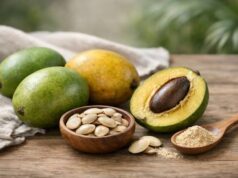
Avocado (Persea americana) is a creamy, nutrient-dense fruit that behaves like a healthy fat in the diet. Unlike most fruits, it is naturally low in sugar and rich in monounsaturated fats, fiber, and potassium—three qualities that make it especially useful for heart-friendly eating and steady energy. Avocado is also a quiet “nutrient multiplier”: its fats can help your body absorb fat-soluble compounds from other foods, such as carotenoids in leafy greens and colorful vegetables.
In traditional food cultures, avocado has been valued as a satisfying staple that supports appetite control and meal balance. Today, it shows up in everything from savory spreads and salads to smoothies and oils designed for cooking. The same richness that makes avocado beneficial can also create confusion about portions, calories, and who should be cautious—particularly people managing kidney disease, anticoagulant therapy, or latex-related allergies.
This guide walks through what avocado contains, realistic health outcomes, practical ways to use it, sensible daily amounts, and safety considerations so you can enjoy it with confidence and clarity.
Top Highlights
- Regular servings can support healthier cholesterol patterns when avocado replaces saturated fats in meals.
- Fiber and healthy fats can improve fullness and support more consistent meal timing.
- A practical daily range is about 50–150 g (roughly 1/3 to 1 medium avocado), adjusted for goals and tolerance.
- Keep intake consistent if you use anticoagulants, and avoid sudden large changes in vitamin K-rich foods.
- Avoid avocado if you have a known avocado allergy or latex-fruit syndrome, and use caution with potassium restriction.
Table of Contents
- What is avocado and what is in it?
- Key nutrients and active compounds
- What avocado may help with
- How to use avocado in meals
- How much avocado per day?
- Side effects, interactions, and who should avoid it
- What the evidence actually says
What is avocado and what is in it?
Avocado is the fruit of Persea americana, an evergreen tree native to the Americas and now grown widely in warm climates. Botanically, it is a berry with a single large seed, but nutritionally it behaves more like olives and nuts than like a sweet fruit. Most of its calories come from fat—primarily monounsaturated fat—alongside meaningful fiber, potassium, and a range of micronutrients.
You will see many varieties in markets, but the most common is Hass, which darkens as it ripens and tends to have a rich, buttery texture. Other types (such as Florida avocados) can be larger, lighter in color, and often lower in fat and calories per gram, with a slightly more watery texture. This matters for “dosage” because a serving based on half a very large avocado may be quite different from half of a small Hass.
Ripening is also part of what makes avocado unique. It is typically harvested firm and ripens after picking. During ripening, starches shift, cell walls soften, and the flesh becomes creamy. Practical ripeness cues include a gentle yield to pressure (not mushy), a stem end that lifts easily, and a fresh smell rather than a fermented odor.
When people talk about avocado’s “medicinal properties,” they usually mean a few food-based effects:
- Satiating texture and fat content that can reduce the urge to snack.
- Fiber and plant compounds that support digestive regularity and microbial balance.
- Fat-soluble nutrient synergy that helps your body use nutrients from the rest of the meal.
It is also worth clearing up a common worry: avocado’s strong nutrition does not mean it is “detoxifying” in a medical sense. The body detoxifies through the liver, kidneys, lungs, and gut every day. Avocado supports those systems indirectly by helping people build meals that are more nutrient-dense and stable.
Finally, note that avocado contains a natural compound called persin, which can be harmful to certain animals in concentrated exposures. For humans eating the flesh in normal amounts, avocado is generally safe, but this is one reason to keep avocado away from pets and livestock feed.
Key nutrients and active compounds
Avocado’s value comes from the combination of fats, fiber, minerals, and protective plant compounds working together. Instead of thinking of it as “one super nutrient,” it is more accurate to see avocado as a food that improves the overall structure of a meal—making it more satisfying, more nutrient-rich, and often easier to keep balanced.
Monounsaturated fats
Most avocado fat is monounsaturated, with oleic acid as a major component. Oleic acid is also prominent in Mediterranean-style eating patterns and is often used as a shorthand for “fat quality.” What matters most is substitution: avocado tends to be most beneficial when it replaces saturated fat sources (like butter, fatty processed meats, or some baked goods) rather than being added on top of an already high-calorie diet. If you want a clear explanation of how oleic acid fits into dietary fats, see this oleic acid benefits and safety overview.
Fiber for digestion and satiety
Avocado offers both soluble and insoluble fiber. Soluble fiber can support softer, more regular stools and may help with cholesterol management by binding bile acids, while insoluble fiber adds bulk and supports transit. This fiber is also one reason avocado can be surprisingly filling, even in modest portions.
Potassium and magnesium
Avocado is well known for potassium, a mineral involved in fluid balance, nerve signaling, and muscle function. It also provides magnesium, which supports energy metabolism and normal muscle and nerve function. For most people, these minerals are a positive. For those with advanced kidney disease or potassium restrictions, they become a “portion awareness” issue.
Vitamins and antioxidants
Avocado contributes vitamin E and smaller amounts of vitamin C, plus folate and vitamin K. Vitamin E supports antioxidant defenses in cell membranes, while folate supports normal cell division. Vitamin K is beneficial, but it matters for people using anticoagulants because consistency helps maintain stable medication effects.
Carotenoids and polyphenols
Avocado contains carotenoids such as lutein and zeaxanthin, along with polyphenols and phytosterols (including beta-sitosterol). A practical advantage is that avocado’s fats can improve absorption of fat-soluble compounds from vegetables eaten in the same meal, which is one reason avocado pairs so well with salads.
The key takeaway is simple: avocado’s nutrients are most useful when you treat it as a “smart fat plus fiber” that helps you build meals that are more satisfying and nutritionally complete.
What avocado may help with
Avocado is often marketed as a cure-all, but its most reliable benefits are straightforward and practical. It tends to support health by improving dietary patterns: better fat quality, more fiber, and greater meal satisfaction. When you keep expectations realistic, it becomes easier to use avocado consistently without overthinking it.
Heart and cholesterol support
The strongest and most consistent theme in avocado research is improvement in lipid-related risk factors, especially when avocado replaces saturated fats. In real-world terms, that often looks like swapping avocado for butter on toast, using avocado in place of creamy spreads, or building a salad with avocado instead of cheese-heavy dressings. These are not dramatic overnight changes, but they can contribute to a healthier cholesterol profile over time.
Satiety and weight management
Avocado’s mix of fat and fiber tends to increase fullness. Many people find they snack less or feel more satisfied after meals that include a modest serving. This does not mean avocado is “weight loss food” by itself—because it is calorie-dense—but it can support weight goals when it replaces refined carbs or saturated fats rather than simply adding extra calories.
A practical way to use it is to “anchor” a meal: add 1/3 to 1/2 avocado to a bowl that already includes protein (eggs, fish, beans, yogurt) and high-volume vegetables. This often leads to a steadier appetite than a carb-heavy meal without enough fat or fiber.
Blood sugar steadiness
Avocado is low in sugar and can slow the digestion of a meal when eaten alongside carbohydrates. Many people notice fewer energy spikes and crashes when avocado is part of breakfast or lunch. This is especially useful for people trying to reduce ultra-processed snacks and build more predictable meal timing.
Digestive regularity and gut support
The fiber in avocado can support regular bowel movements, and its fermentable components may support beneficial gut bacteria. For some people with sensitive digestion, larger portions can cause gas or bloating. In those cases, the “benefit” shows up at smaller servings rather than large ones.
Better fat balance in the diet
Avocado is not a major omega-3 source, but it can help people shift away from saturated fats. If your goal is a more complete fat profile, consider pairing avocado with omega-3-rich foods (like fatty fish, chia, or walnuts) and use this omega-3 fatty acids guide to understand what “enough” looks like in a broader diet.
Overall, avocado helps most when it improves the quality and satisfaction of meals you already eat. That is where its benefits become repeatable and meaningful.
How to use avocado in meals
Avocado is easy to use, but small choices can dramatically improve taste, texture, and portion control. The goal is to make avocado a flexible ingredient—something you can use in multiple cuisines without relying on it as the centerpiece of every meal.
Everyday ways to eat avocado
- Spread: Mash with lemon or lime, salt, and pepper for toast, wraps, or sandwiches.
- Bowl booster: Add sliced avocado to grain bowls, bean bowls, and salads for creaminess and staying power.
- Guacamole-style dip: Combine mashed avocado with tomato, onion, cilantro, and citrus.
- Smoothies: Use a small portion for creaminess (especially helpful if you want less dairy).
- Topping: Add cubes to soups, chili, or roasted vegetables right before serving.
How to keep it from browning
Browning is oxidation, and it is normal. To slow it:
- Add acid (lemon or lime juice) to the surface.
- Reduce air exposure by pressing plastic wrap directly onto the cut surface (or using an airtight container designed for produce).
- Keep it cold once cut.
A common myth is that leaving the pit in prevents browning. In practice, the key factor is whether air can reach the surface.
Using avocado oil
Avocado oil is popular for cooking because it has a mild flavor and can handle higher-heat cooking better than some delicate oils. It is not nutritionally “required” if you already use olive oil, but it can be a useful alternative for roasting and sautéing. If you are comparing oils for everyday use, this olive oil benefits and dosing guide can help you choose based on flavor, cooking method, and dietary goals.
Portion-friendly meal templates
- Breakfast: Eggs or tofu scramble, vegetables, and 1/3 avocado.
- Lunch: Salad with protein, beans or grains, and 1/3 to 1/2 avocado.
- Snack: Greek yogurt or cottage cheese with fruit, plus a few avocado slices if you want more staying power.
- Dinner: Fish or legumes, roasted vegetables, and avocado as a garnish rather than a large side.
Troubleshooting ripeness
- Too firm: ripen in a paper bag at room temperature.
- Just ripe: refrigerate to slow ripening for 1–3 days.
- Overripe: use in blended sauces, smoothies, or baking rather than slicing.
The best way to use avocado consistently is to treat it like a tool: add enough to improve flavor and fullness, but not so much that it overwhelms calories or digestion.
How much avocado per day?
A sensible avocado “dosage” depends on your goals, body size, and how the rest of your diet is structured. Because avocado is calorie-dense, the most important question is not whether you can eat it daily, but whether your portion helps you build a balanced day of eating without crowding out other essentials.
Common serving sizes
These ranges are practical for many adults:
- Light daily portion: 50 g (about 1/3 of a medium Hass avocado)
- Moderate portion: 70–100 g (about 1/2 of a medium avocado)
- Higher intake: 1 medium avocado per day (often used in studies), best suited for people who are replacing other calorie sources rather than adding extra
If you are aiming for heart health, a daily 1/3 to 1/2 avocado is often enough to shift fat quality and add fiber without forcing calories too high.
Best timing
- With meals: Avocado is most useful when eaten with a meal that contains vegetables and protein.
- Earlier in the day: Some people prefer avocado at breakfast or lunch because it supports fullness and reduces late-day snacking.
- Around higher-carb meals: Adding avocado to a carb-containing meal can increase satisfaction and help smooth energy swings.
Adjusting for goals
- For weight management: Keep portions modest (often 1/3 to 1/2 avocado) and use it to replace cheese, creamy dressings, or refined snacks.
- For higher-calorie needs: Athletes or people trying to gain weight can often tolerate 1/2 to 1 avocado daily, especially when paired with protein.
- For digestive sensitivity: Start with smaller portions (1/8 to 1/4 avocado) and increase gradually.
When to reduce the dose
Consider smaller servings or less frequent intake if:
- You are managing calorie intake tightly and avocado is displacing lean protein or vegetables.
- You notice consistent bloating, loose stools, or cramping after larger portions.
- You have been advised to limit potassium due to kidney disease.
A practical weekly rhythm
If daily avocado feels like too much, a realistic pattern is 3–5 servings per week. Benefits come from consistency over time, not from perfection.
In most cases, avocado works best as a regular, moderate portion that improves meals you already eat. If your portion size supports appetite control and meal balance, you are likely in the right range.
Side effects, interactions, and who should avoid it
Avocado is safe for most people as a food, but it has a few important safety and tolerance considerations. Most issues are not dangerous, but they can be uncomfortable or clinically relevant in specific groups.
Common side effects
- Digestive upset: Larger portions can cause gas, bloating, or loose stools in some people. This may relate to fiber, fermentable carbohydrates, or individual sensitivity.
- Nausea or heaviness: A very large serving can feel “too rich,” especially on an empty stomach.
- Headache triggers: Some individuals report avocado as a trigger, though triggers are highly personal and inconsistent.
If you suspect avocado is causing symptoms, reduce the serving size and test again rather than eliminating it immediately.
Allergy and latex-fruit syndrome
Avocado can cause allergic reactions, ranging from mouth itching to hives, swelling, wheezing, or anaphylaxis. Risk is higher in people with latex allergy due to cross-reactivity (latex-fruit syndrome). Avoid avocado entirely if you have a known avocado allergy, and treat any new reaction seriously—especially breathing symptoms or facial swelling.
Medication and condition interactions
- Anticoagulants: Avocado contains vitamin K. If you take warfarin or another anticoagulant affected by vitamin K intake, the key is consistency. Sudden increases or decreases in vitamin K-rich foods can complicate medication stability. This vitamin K dosing and safety guide explains why consistency matters.
- Kidney disease and potassium restriction: Avocado is potassium-rich. If you have advanced kidney disease or have been told to limit potassium, discuss appropriate portions with your clinician.
- Potassium-sparing medications: People using potassium-sparing diuretics or certain blood pressure medications may need extra awareness of potassium intake, depending on medical guidance.
Who should avoid avocado
- People with confirmed avocado allergy or latex-fruit syndrome
- People with advanced kidney disease on a potassium-restricted plan (unless cleared by a clinician)
- Anyone who repeatedly experiences severe digestive distress after avocado despite small serving trials
Special note for pets
Keep avocado away from pets, especially birds and some livestock, because certain parts of the plant contain compounds that can be harmful to animals.
For most healthy adults, avocado is a safe, useful food. The smartest safety strategy is simple: keep portions reasonable, stay consistent if medications require it, and take allergic symptoms seriously.
What the evidence actually says
Avocado research is more substantial than many “superfood” topics, but it still has a pattern you should recognize: benefits are most consistent when avocado replaces less healthy foods, and results vary depending on study design, baseline diet quality, and portion size.
What is fairly well supported
Systematic reviews and controlled trials suggest avocado intake can improve lipid-related risk factors, especially LDL cholesterol, when it is used as a substitution for saturated fats. This aligns with a basic nutrition principle: improving fat quality and adding fiber tends to support healthier cholesterol patterns. Some studies also show improvements in overall diet quality when participants add avocado in a structured way, likely because avocado makes it easier to eat more vegetables and fewer ultra-processed snacks.
What is promising but mixed
- Body weight and body fat: Many trials show neutral effects when calories are not deliberately restricted. That can still be good news: a food can be calorie-dense and still fit into weight-stable patterns if it improves fullness and reduces less nutritious eating elsewhere.
- Blood sugar markers: Effects are often modest and depend on the rest of the diet. Avocado is helpful as part of a lower refined-carb pattern, but it is not a stand-alone glycemic intervention.
- Gut microbiome and inflammation markers: Early trials suggest avocado’s fiber and plant compounds can influence gut metabolites and bacterial patterns. These findings are encouraging, but they do not yet translate into a guaranteed symptom outcome for every person.
What is sometimes overstated
Claims that avocado “detoxes the liver,” “melts belly fat,” or “treats inflammation” on its own are not supported in a direct clinical sense. Avocado can support a healthier dietary pattern, and that pattern can improve health markers. The difference matters.
How to interpret results for your own life
- Use avocado as a replacement for saturated fat or ultra-processed snacks, not as an add-on.
- Choose a portion you can repeat most days without digestive discomfort or calorie creep.
- Track outcomes that matter: satiety, snack frequency, cholesterol labs, and meal consistency over 8–12 weeks.
If you want a non-avocado tool for cholesterol support—especially if avocado does not fit your budget or digestion—soluble fiber options can help. This psyllium husk dosing guide is a practical reference for how fiber supplements are typically used.
The most evidence-aligned conclusion is that avocado is a valuable food, not a cure. Its benefits are real when it improves the structure and quality of your diet over time.
References
- Effect of Avocado Consumption on Risk Factors of Cardiovascular Diseases: A Systematic Review and Meta-Analysis – PMC 2023 (Systematic Review and Meta-Analysis)
- Effect of Daily Avocado Intake on Cardiovascular Health Assessed by Life’s Essential 8: An Ancillary Study of HAT, a Randomized Controlled Trial – PMC 2025 (RCT)
- Revisiting Latex-Fruit Syndrome after 30 Years of Research: A Comprehensive Literature Review and Description of Two Cases – PMC 2024 (Review)
- Vitamin K – Health Professional Fact Sheet 2021 (Guidance)
Disclaimer
This article is for educational purposes only and does not provide medical advice, diagnosis, or treatment. Foods and supplements can affect people differently, and avocado intake may need to be adjusted for allergies, kidney disease, potassium restrictions, or medications such as anticoagulants. If you are pregnant, breastfeeding, managing a chronic medical condition, or taking prescription medicines—especially warfarin or medications that affect potassium—talk with a qualified clinician before making large dietary changes. Seek urgent medical care for signs of a severe allergic reaction, including trouble breathing, swelling of the face or throat, or widespread hives.
If you found this guide helpful, please share it on Facebook, X (formerly Twitter), or any platform you prefer so others can use avocado more confidently and safely.