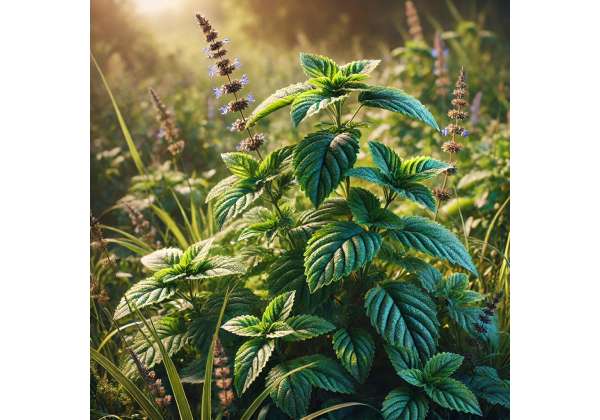
African basil (Ocimum gratissimum)—often called scent leaf or clove basil—is a strongly aromatic herb used as both food and traditional medicine across West and Central Africa, parts of Asia, and the Caribbean. Compared with sweet basil, it has a bolder, spicier profile that can lean clove-like, peppery, or thyme-like depending on the plant’s natural “chemotype” (its dominant essential-oil pattern). That same chemistry is why African basil is most often discussed for antimicrobial support, digestive comfort, and soothing relief when you feel congested or run down.
In practice, the most reliable benefits come from how you use it. As a culinary herb and tea, it can support appetite, digestion, and overall dietary variety. As an essential oil, it becomes far more concentrated—potentially helpful in targeted topical or aromatic uses, but also more likely to irritate skin or interact with medications if used carelessly. This article breaks down what African basil contains, what it may help with, realistic ways to use it, sensible dosing ranges by form, and the safety details that matter most.
Top Highlights
- May support microbial balance and respiratory comfort when used as tea or culinary herb.
- Essential oil can irritate skin and mucosa; always dilute and avoid internal essential-oil use.
- Typical tea range is 2–6 g dried leaf daily (divided into 1–3 cups).
- May amplify effects of blood thinners or glucose-lowering medicines in sensitive individuals.
- Avoid in pregnancy and breastfeeding, and avoid concentrated forms if you have a history of allergic reactions to aromatic herbs.
Table of Contents
- What is African basil
- Key ingredients in Ocimum gratissimum
- Does it help fight infections
- Benefits for digestion and metabolism
- How to use African basil
- How much African basil per day
- Safety, interactions, and evidence
What is African basil
African basil (Ocimum gratissimum) is a member of the mint family (Lamiaceae), a plant group known for aromatic leaves and essential oils. Depending on where it is grown, you may hear it called scent leaf, clove basil, African basil, or local names that reflect how common it is in home gardens and markets. It is typically used in three overlapping ways: as a culinary herb, as a tea or infusion, and as a source of essential oil for topical or aromatic applications.
One reason African basil creates confusion online is that “basil” can refer to many Ocimum species. Sweet basil (Ocimum basilicum) is the familiar Italian-style basil. African basil is usually more pungent and medicinal-tasting, with a fragrance that can resemble clove, thyme, or camphor depending on the plant’s chemistry. This matters because the dominant compounds influence both what it feels like and how it behaves in the body.
How it differs from sweet basil
- Flavor and aroma: African basil is often sharper and more peppery, with notes that can be clove-like or thyme-like rather than sweet and anise-like.
- Traditional uses: It is commonly chosen for “functional” cooking—soups, stews, and teas intended to feel light, warming, and supportive during minor illness.
- Essential oil profile: African basil often contains higher levels of intense phenolic compounds (such as eugenol in many chemotypes), which can increase potency and also increase irritation risk.
Why chemotypes matter
African basil can express different “chemotypes” based on genetics, climate, harvest time, and processing. Two bundles of leaves may look the same, yet differ in dominant compounds. Practically, this explains why one tea feels gently soothing while another feels much stronger, or why one essential oil is more irritating.
If you enjoy exploring aromatic herbs for everyday support, it can help to compare African basil’s general profile with related Lamiaceae herbs, such as oregano health benefits and key compounds, which also relies on potent essential oils and polyphenols for many of its traditional uses.
Key ingredients in Ocimum gratissimum
African basil’s “active” profile is best understood as two layers working together: volatile essential oils (fast-acting aroma compounds) and non-volatile phytochemicals (polyphenols and related plant compounds). The balance between these layers depends heavily on whether you are using fresh leaves, dried leaves, extracts, or essential oil.
Essential oil constituents (the potency drivers)
The essential oil is where African basil concentrates its most distinctive chemistry. Commonly reported major constituents include:
- Eugenol: Often dominant in “clove-like” chemotypes. It contributes warmth and spice and is frequently associated with antimicrobial and soothing actions in topical contexts. It can also be irritating at high concentrations.
- Thymol and carvacrol (in some chemotypes): Phenolic compounds more often associated with thyme and oregano profiles. They are widely discussed for antimicrobial effects but can irritate mucosa and sensitive skin.
- 1,8-cineole (eucalyptol): A compound associated with a fresh, camphor-like aroma, often discussed in relation to respiratory comfort when used aromatically.
- Linalool, geraniol, and related terpenes: More floral or citrus-leaning compounds that may influence how “soft” or “sharp” a particular plant smells and feels.
- Beta-caryophyllene and other sesquiterpenes: Compounds sometimes discussed for anti-inflammatory signaling in early research.
Because essential oils vary, the most honest way to talk about African basil is to describe ranges and patterns, not a single fixed “ingredient list.”
Polyphenols and supportive phytochemicals
Beyond the aroma, African basil leaves contain polyphenols and flavonoids that are often linked to antioxidant activity and general cellular support. You may see these discussed as:
- Rosmarinic acid and related phenolic acids
- Flavonoids (such as quercetin-like and luteolin-like compounds, depending on extract and analysis)
- Tannins (astringent compounds that can influence taste and may be relevant to digestive applications)
What this means for real-life use
- Tea and cooking deliver a gentler, broader mix of compounds—often better tolerated for daily use.
- Essential oil is highly concentrated and behaves more like a targeted topical/aromatic tool than a daily “herbal food.”
- Extracts can land anywhere in between and should be judged by standardization and dose, not by the plant name alone.
For readers interested in how Lamiaceae polyphenols are discussed in a more brain-and-antioxidant context, rosemary’s antioxidant profile and traditional uses offers a helpful comparison point.
Does it help fight infections
African basil is widely used in traditional settings for complaints that overlap with infection—cough, sore throat, stomach upset, and minor skin issues. The modern evidence base is strongest in laboratory studies (in vitro) showing antimicrobial activity of leaf extracts and essential oil against various microbes. Translating that into everyday outcomes requires careful framing: antimicrobial activity in a lab does not automatically mean an herb will treat an infection in a person. Still, there are practical ways African basil may support comfort and resilience.
Respiratory comfort during colds
In many households, African basil tea is used when someone feels congested or “coming down with something.” The realistic benefit here is often about symptom support:
- Warm fluids can soothe throat irritation and support hydration.
- Aromatic compounds can make breathing feel clearer, especially as steam rises from a hot infusion.
- A gently bitter, pungent tea can stimulate appetite when food feels unappealing.
A useful way to think about it is: tea can support the body’s comfort while it does its job, but it is not a substitute for medical care when symptoms are severe or persistent.
Oral and throat applications
Some research and traditional use focuses on African basil in mouth rinses or oral hygiene. The plausible mechanism is local: aromatic compounds contact the mouth and may affect biofilms. If you explore this, avoid DIY high-strength preparations that burn or irritate the mouth. Irritation can worsen inflammation and make symptoms feel more intense.
Digestive infections and foodborne risk
Leaf extracts and essential oils may inhibit certain microbes in controlled studies, and the herb is sometimes used for diarrhea or “stomach cleansing” traditions. In practice, the safest interpretation is supportive:
- As a tea, it may be comforting during mild stomach upset.
- As a culinary herb, it can add flavor without heaviness.
If you have fever, blood in stool, severe dehydration, or symptoms lasting more than a couple of days, treat that as a medical situation—not an herbal experiment.
Skin and minor topical uses
People sometimes apply diluted preparations to minor skin concerns. If you consider topical use, remember that African basil essential oil can irritate skin if not properly diluted. For a gentler aromatic comparison often discussed in respiratory and topical contexts, see thyme essential uses and dilution basics—the same “dilute and respect potency” principle applies.
Benefits for digestion and metabolism
Beyond infection-related traditions, African basil is commonly used for digestion, appetite, and “body comfort” after heavy meals. These are areas where an herb can feel helpful even when human clinical trials are limited, because digestion is influenced by aroma, taste, temperature, and routine—not only by isolated biochemical mechanisms.
Digestive comfort and appetite
African basil’s pungent aroma and slightly bitter, spicy taste can stimulate saliva and digestive readiness. In everyday terms, it may help when you feel:
- Bloated after a heavy or oily meal
- Mild cramping or “slow digestion” sensations
- Reduced appetite during minor illness or stress
As a culinary herb, it often appears in soups and stews for a reason: warm, aromatic dishes can be easier to tolerate and can encourage steady hydration.
Gas, cramping, and the “carminative” pattern
Many mint-family herbs are traditionally described as carminatives—plants used to reduce gas and support comfortable gut movement. African basil may fit this pattern for some people, especially when used as a mild tea. If you tend to react to strong herbs, start with a weaker infusion and build slowly.
Metabolic support: what’s realistic
African basil is sometimes promoted for blood sugar, lipids, or blood pressure support. Most of the mechanistic evidence comes from animal or laboratory work, and the strength of effect in humans is not yet clear. A realistic expectation is modest support that depends on the larger lifestyle picture:
- If African basil helps you replace sugary drinks with tea, that can matter.
- If it makes it easier to eat lighter meals (brothy soups, vegetables, lean proteins), that can matter.
- If you use concentrated extracts expecting medication-level changes, the risk of disappointment—and side effects—goes up.
Inflammation and general comfort
Some compounds commonly found in African basil essential oil are discussed for anti-inflammatory signaling in early research. Practically, people often report that a warm tea helps them feel “settled,” especially during stress. That effect may be as much about ritual and warmth as it is about chemistry—and that is not a flaw. Consistent, gentle practices often beat sporadic high-dose experiments.
If you like pairing herbs for digestion, African basil is often combined with ginger in soups and teas. For a deeper dive into ginger’s best-known actives and practical use, ginger active compounds and digestive uses is a helpful companion guide.
How to use African basil
African basil can be used as food, tea, or a concentrated essential oil. The safest and most broadly useful entry point is culinary use, followed by tea. Essential oil is best treated as an advanced tool: helpful for some goals, but easy to misuse.
Culinary use (most forgiving approach)
Fresh leaves are commonly added near the end of cooking to preserve aroma, or simmered gently in soups for a deeper herbal base. Practical ideas:
- Soups and stews: Add a handful of chopped leaves in the final 5–10 minutes.
- Pepper soups and broths: Pair with onions, garlic, and protein for a warming, aromatic dish.
- Eggs and legumes: Use small amounts to brighten flavor and reduce heaviness.
If the flavor feels too intense, start with a few leaves rather than a full handful.
Tea and infusions (simple and consistent)
A basic tea can be made from fresh or dried leaves:
- Lightly bruise fresh leaves (or measure dried leaf).
- Pour hot water over the herb.
- Cover while steeping to hold volatile compounds in the cup.
- Strain and drink warm.
Covering the cup matters because many key aroma compounds are volatile and evaporate quickly.
Steam and aromatic use
For short-term comfort when congested, people sometimes use aromatic steam:
- Add leaves to a bowl, pour hot water, lean back from the steam, and breathe gently for a few minutes.
Avoid this if steam triggers asthma symptoms, and never add essential oil directly to boiling water in a way that forces strong vapor into your face.
Topical use and essential oil (use extra caution)
If you use essential oil, dilution is non-negotiable:
- Mix into a neutral carrier oil and apply to a small patch first.
- Avoid eyes, lips, genitals, and broken skin.
- Do not use essential oil internally unless under professional guidance.
Because African basil essential oil can be high in phenolic compounds (which are more irritating), many people do better with low concentrations and short duration.
How much African basil per day
The right dose depends on the form you use: fresh leaf, dried leaf tea, extracts, or essential oil. A sensible strategy is to start with food-level use, then move to tea if you want a more consistent routine. Use concentrated products only when you have a clear goal and a plan to monitor tolerance.
Fresh leaves (food use)
A common culinary range for adults is:
- 5–20 g fresh leaves daily (roughly a small handful), used in meals.
This is not a strict limit—dietary herbs vary by cuisine and tolerance—but it is a practical range for people who are new to the plant.
Dried leaf tea (most common wellness form)
A typical infusion range is:
- 2–6 g dried leaf daily, prepared as 1–3 cups.
A simple method:
- Use 1–2 g dried leaf (about 1–2 teaspoons, depending on cut) in 250 mL hot water.
- Steep 8–12 minutes, covered.
- Start with 1 cup daily for several days, then adjust.
If you are using fresh leaves:
- 5–10 leaves per cup is a common starting point, adjusted to taste.
Tinctures and extracts (variable)
Because products vary widely, treat label instructions as the primary guide. Still, general practice ranges often look like:
- Tincture (1:5, 40–60% alcohol): 2–4 mL, up to 2 times daily.
- Capsule or powdered extract: often 250–500 mg once or twice daily, depending on concentration.
If a product does not clearly state the plant part, extraction ratio, or standardized content, it is harder to dose responsibly.
Essential oil (topical and aromatic only for most people)
- Topical dilution: 0.5–1% for sensitive skin, up to 2% for short-term use on small areas.
- Aromatic use: a few drops in a diffuser according to device instructions, in a well-ventilated space.
Avoid oral essential oil use unless a qualified clinician guides you. “More” is not better with essential oils; higher exposure increases the likelihood of irritation and sensitization.
Timing and duration
- Tea is often best after meals for digestive comfort, or as needed for short-term respiratory support.
- For routine wellness, consider a 2–4 week trial, then reassess. If you are using it daily and notice headaches, stomach upset, or skin irritation, reduce the dose or stop.
Safety, interactions, and evidence
African basil is widely eaten as a culinary herb, and food-level use is generally well tolerated. Most problems arise from concentrated preparations, especially essential oils and high-dose extracts. Safety is less about fear and more about matching the form to your needs and respecting potency.
Common side effects
- Stomach upset: nausea, heartburn, or loose stool, especially with strong tea on an empty stomach.
- Headache or lightheadedness: sometimes reported with very aromatic, concentrated use.
- Skin irritation: more likely with essential oil or strong topical preparations.
- Allergic reactions: possible with any aromatic herb; watch for itching, hives, or swelling.
Medication interactions to consider
If you take prescription medications, use extra caution with concentrated products:
- Blood thinners and antiplatelet drugs: some aromatic compounds may affect platelet activity in sensitive individuals, which can increase bruising or bleeding risk.
- Diabetes medications: if an extract lowers blood glucose for you, it could amplify medication effects and increase hypoglycemia risk.
- Multiple medications at once: essential oils and strong extracts add variables that can complicate symptom tracking and side-effect interpretation.
Who should avoid it or get medical advice first
- Pregnancy and breastfeeding: avoid supplemental and essential-oil use due to limited safety data and the possibility of uterine or hormonal effects suggested in some preclinical research.
- Children: food use may be fine, but avoid essential oil and adult-dose extracts.
- People with eczema, fragrance sensitivity, or asthma triggered by strong odors: essential oil and strong aromatic steam can worsen symptoms.
- Before surgery: stop concentrated herbal extracts and essential oils in advance if your clinician recommends it, especially if bleeding risk is a concern.
What the evidence actually supports
- Best supported: antimicrobial activity in laboratory studies and traditional use patterns for respiratory and digestive comfort.
- Some human evidence: small clinical studies exist in oral-health contexts (such as mouth-rinse research), suggesting potential local effects.
- Not yet strong enough for big claims: metabolic, anticancer, and “disease-treating” claims are largely based on animal or mechanistic research. They are promising as research directions, but not a reliable basis for self-treatment.
A sensible takeaway is to treat African basil as a valuable food and tea herb first, and a carefully used essential oil only when you understand dilution, timing, and stop rules.
References
- A review on the traditional uses, phytochemistry, and pharmacological activities of clove basil (Ocimum gratissimum L.) – PMC 2021 (Review)
- Ocimum Species: A Review on Chemical Constituents and Antibacterial Activity – PMC 2022 (Review)
- Impact of Microencapsulation on Ocimum gratissimum L. Essential Oil: Antimicrobial, Antioxidant Activities, and Chemical Composition – PMC 2024
- Nanoemulsification Enhances the Regenerative and Safety Profile of Ocimum gratissimum Essential Oil In Vitro – PMC 2025
Disclaimer
This article is for educational purposes only and does not provide medical advice, diagnosis, or treatment. Herbal products can cause allergic reactions, interact with medications, and affect blood sugar or bleeding risk—especially when used as concentrated extracts or essential oils. If you are pregnant or breastfeeding, managing a chronic condition, preparing for surgery, or taking prescription medicines, consult a qualified clinician before using African basil supplements or essential oil. Seek medical care urgently for severe allergic reactions, breathing difficulty, high fever, dehydration, rapidly worsening symptoms, or signs of infection.
If you found this article helpful, please share it on Facebook, X (formerly Twitter), or any platform you prefer so others can make safer, more informed choices.