Bay laurel (Laurus nobilis) is the classic “bay leaf” of Mediterranean cooking—an evergreen tree whose leathery leaves perfume soups, stews, beans, and sauces with a warm, resinous aroma. In traditional herbal practice, bay leaf has also been used as a gentle digestive ally and a comforting botanical when the body feels tense, sluggish, or mildly congested. Its appeal comes from a distinctive mix of aromatic essential oils and polyphenols that can influence flavor, appetite, and how the stomach and airways feel.
At the same time, bay laurel is easy to misunderstand. Several different plants are sold as “bay,” and some look-alikes are not meant for herbal use. Bay leaf is also not a “more is better” herb—its oils are potent, its whole leaves should be removed from food before eating, and concentrated products require extra caution. This guide explains what bay laurel is, what’s in it, what it may help with, how to use it in realistic ways, and how to dose it safely.
Key Takeaways
- May support comfortable digestion and appetite when used in meals or as a mild tea.
- Whole bay leaves should be removed before eating to reduce choking or throat irritation risk.
- Typical tea range is 1–2 g dried leaf per cup, up to 2 cups daily.
- Use caution with diabetes medicines or blood thinners, especially with extracts.
- Avoid during pregnancy and breastfeeding, and avoid essential oil internally.
Table of Contents
- Bay laurel basics and identification
- Key ingredients in bay laurel
- Bay leaf benefits for digestion
- Does bay leaf help blood sugar
- How to use bay laurel
- How much bay leaf per day
- Safety, interactions, and evidence
Bay laurel basics and identification
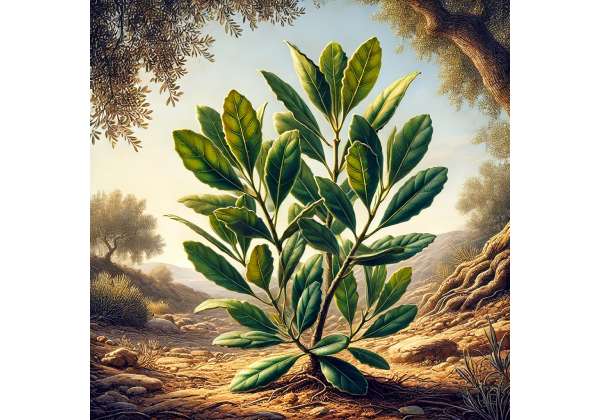
Bay laurel is the true culinary bay leaf: Laurus nobilis, a member of the Lauraceae family. The leaves are thick, glossy, and gently curved, with a firm midrib and a distinctive, sweet-resinous scent when crushed. In a kitchen context, bay leaf is rarely eaten directly. It is used as an aromatic “background note” that builds depth, especially in long-simmered dishes. In herbal contexts, the leaf is sometimes steeped as a mild infusion, used in baths, or infused into oils for massage-style applications.
The most important practical skill with bay leaf is correct identification. “Bay” is a common name used for multiple plants, and not all are interchangeable.
Common “bay” mix-ups
- California bay (Umbellularia californica): Often much stronger, sometimes sharp enough to trigger headaches in sensitive people. It is used culinarily in some regions, but it is not the same as Laurus nobilis.
- West Indian bay (Pimenta racemosa): Used in bay rum and fragrance traditions; it’s in the myrtle family and has a different chemistry.
- Cherry laurel (Prunus laurocerasus) and related ornamentals: Not culinary bay; some Prunus species contain cyanogenic compounds and are not suitable for herbal experimentation.
If you are buying dried bay leaves, the safest approach is to choose products that list the botanical name (Laurus nobilis) on the label. If you harvest from a garden, confirm the plant’s identity from a reliable source—especially if the plant came from an ornamental nursery.
Fresh vs dried bay leaves
- Dried leaves are more common and often more predictable for dosing because moisture has been removed.
- Fresh leaves can be brighter and more eucalyptus-like; they may feel stronger in tea and can dominate food if used heavily.
Bay laurel is best treated as a “small amounts, consistent technique” herb. The payoff is subtle: clearer flavor, smoother digestion after heavy meals, and a sense of warm aromatic comfort without overwhelming your system.
Key ingredients in bay laurel
Bay laurel’s effects come from two overlapping layers: volatile essential oils (responsible for aroma and many fast sensory effects) and non-volatile polyphenols (often linked to antioxidant and enzyme-modulating activity). The balance shifts depending on how you prepare it. A long-simmered stew extracts some volatiles into fat and broth, while a covered infusion preserves more of the lighter aromatic compounds in the cup.
Essential oil constituents (aroma and “feel”)
Bay leaf essential oil commonly includes compounds such as:
- 1,8-cineole (eucalyptol): Associated with a clean, camphor-eucalyptus note. It helps explain why bay leaf can feel “clearing” in steam or warm tea.
- Eugenol and related phenolics (variable): Warm, clove-like notes that may contribute to soothing effects but can also irritate at high concentration.
- Linalool and terpinenes: Floral and herbal tones that influence how relaxing or sharp a particular batch smells.
- Methyleugenol and related compounds (trace to moderate): Present in some oils and relevant for safety discussions, especially with concentrated essential oil products.
Because these compounds are volatile, storage matters. Bay leaves left open near heat or sunlight lose aroma faster. A practical quality test is simple: if the leaf smells like almost nothing when crushed, the “active” aromatic layer has likely faded.
Polyphenols and supportive phytochemicals
Bay leaf also contains:
- Phenolic acids and flavonoids: Often discussed in relation to antioxidant activity and cellular protection.
- Tannins: Mildly astringent compounds that can influence mouthfeel and may play a role in traditional digestive uses.
- Sesquiterpenes and other minor constituents: A diverse “support cast” that varies with geography, harvest timing, and drying method.
Why bay leaf effects vary
If two people disagree about bay leaf’s “strength,” they may both be right. Bay laurel varies by:
- growing region and soil,
- leaf age at harvest,
- drying temperature and duration,
- storage time and exposure to air.
This variability is common across aromatic culinary herbs. If you are curious how potent essential-oil profiles shape an herb’s traditional uses, compare bay leaf’s approach to other kitchen botanicals with strong aromatic chemistry, such as oregano’s active compounds and traditional applications.
Bay leaf benefits for digestion
Bay leaf’s most practical “health benefit” is also its most traditional one: supporting comfortable digestion. In many food cultures, bay leaf is paired with beans, lentils, meat broths, and rich sauces—not because it is dramatic, but because it helps meals feel rounder, lighter, and easier to finish.
How bay leaf may support digestive comfort
Bay leaf is often described as a carminative herb—one used to reduce gas and support smooth digestive movement. In real-life terms, it may help:
- reduce the “heavy” feeling after rich or oily meals,
- make legumes feel more tolerable for some people,
- support appetite and salivation through aroma-driven digestion cues.
A useful way to understand this is through sensory physiology. Aromatic herbs stimulate smell and taste receptors, which can prime digestive secretions and motility. That does not require bay leaf to be a drug; it simply needs to be consistent and well-matched to the meal.
Gentle support for bloating and post-meal discomfort
Many people use bay leaf tea when they feel bloated or tight after eating. The best outcomes tend to come from modest strength rather than aggressively strong infusions. If the tea is too bitter or too sharp, the “relaxing” effect can flip into stomach irritation.
Practical signs you are overdoing it include:
- burning or sour stomach,
- nausea from strong aroma,
- headache or “too stimulating” sensations.
Inflammation and oxidative stress (realistic framing)
Bay leaves contain antioxidant polyphenols, and bay essential oil has been studied for anti-inflammatory pathways. The most realistic way to apply this information is indirect: antioxidant-rich herbs can support overall dietary patterns, especially when they help you eat more home-cooked meals and fewer highly processed foods. Bay leaf is not a stand-alone anti-inflammatory treatment, but it can be a small piece of a bigger “less inflammatory” routine.
A practical digestive pairing strategy
If you use bay leaf for digestion, consider pairing it with other gentle, well-tolerated botanicals in food rather than stacking supplements. For example, bay leaf plus citrus peel in a broth can feel bright and settling, while bay leaf plus a small amount of mint after a meal can support comfort without heaviness. If mint is a good fit for you, peppermint digestive support is a useful companion topic because it shares the “aromatic, dose-sensitive” pattern: small amounts often work better than large ones.
Does bay leaf help blood sugar
Bay leaf is often promoted online for blood sugar and cholesterol support. The reason is straightforward: there is some human research suggesting bay leaf powder may improve metabolic markers, and a large body of laboratory and animal work exploring bay leaf’s enzyme-modulating and antioxidant properties. The key is to translate that into practical expectations and safe decision-making.
What people hope bay leaf will do
Most metabolic claims fall into a few buckets:
- lower fasting glucose or improve insulin sensitivity,
- reduce LDL cholesterol or triglycerides,
- support weight management through appetite regulation or digestive comfort.
Bay leaf is unlikely to deliver medication-level changes on its own, but it may offer modest support when it replaces less helpful habits (sugary beverages, heavy late-night meals) or when used consistently alongside broader lifestyle changes.
Why the form matters
A bay leaf simmered in soup is not the same as bay leaf powder taken daily. Food use tends to be low dose and intermittent. Supplemental-style use is higher dose and more consistent, which is the only way you would expect measurable lab shifts. This is also where safety and interactions matter more.
A practical way to interpret the evidence is:
- Culinary bay leaf: helpful for flavor and meal quality; metabolic effects are likely indirect.
- Bay leaf powder (gram-level): plausible metabolic support for some people, but not universal and not guaranteed.
- Extracts and essential oil: more variable, harder to compare across products, and more likely to cause side effects if misused.
Realistic outcomes and timelines
If bay leaf helps metabolically, changes would usually be expected over 4 to 12 weeks, not days. Tracking matters. Choose one outcome to follow (fasting glucose, home glucose readings, waist measurement, or a lipid panel) rather than judging by vague feelings.
Who should be especially cautious
- People on glucose-lowering medications (risk of hypoglycemia if an intervention adds to medication effects).
- People who use multiple supplements aimed at blood sugar at the same time (harder to identify what helps or harms).
- Those with liver disease or complex medical histories (because concentrated herbal use adds uncertainty).
If your goal is blood sugar support, it can help to compare bay leaf’s modest, culinary-first approach with other kitchen spices that are more commonly discussed in metabolic routines. For example, cinnamon for blood sugar and heart health is often used in a similarly “small daily dose” style, with the same core principle: consistency and safety matter more than intensity.
How to use bay laurel
Bay laurel is one of the easiest medicinal herbs to use well because it already belongs in the kitchen. Most people get the best results by focusing on culinary technique first, then exploring tea or topical methods if they have a clear reason.
Culinary use (the classic and safest route)
Bay leaf works best when it has time to infuse. Common approaches:
- Soups and stews: Add 1–2 leaves early, simmer gently, then remove before serving.
- Beans and lentils: Bay leaf is especially useful here; it adds depth and can make the dish feel less heavy.
- Rice, pilaf, and braises: Add a leaf to the cooking liquid, then discard.
- Bouquet garni method: Tie bay leaf with thyme-like herbs and remove as a bundle.
A practical quality tip: bay leaf aroma dissolves into fat well. If a dish contains a little olive oil or protein, the flavor often integrates more smoothly than in plain water.
Bay leaf tea (when you want a gentle, focused ritual)
Tea is best used for short-term digestive comfort or when you want an aromatic warm drink that is not stimulating.
Simple method:
- Lightly crush 1 small dried bay leaf (or measure dried cut leaf).
- Pour hot water over it and cover the cup to retain volatile oils.
- Steep 8–12 minutes, then strain.
If the tea is sharp or bitter, reduce the dose rather than forcing yourself to “get used to it.”
Steam and aromatic comfort
Some people enjoy bay leaf steam during seasonal congestion:
- Add a few leaves to a bowl, pour hot water, and inhale gently from a comfortable distance for a few minutes.
Avoid forcing hot vapor into the face, and skip steam if it aggravates asthma symptoms.
Topical and infused oil use
Bay leaves are sometimes infused into oils for massage-style use on tense muscles. If you explore this, keep it simple:
- Use dried leaves in a carrier oil, keep the infusion mild, and avoid broken skin.
Bay leaf pairs well with other culinary botanicals for comfort-focused routines. If you want a warming synergy in food or tea, bay leaf plus ginger is a classic combination; ginger’s active compounds and practical uses can help you choose forms and amounts that fit your goal.
How much bay leaf per day
Bay leaf dosing depends on whether you use it as a spice, a tea, a powder, or a concentrated essential oil. The safest rule is to treat bay leaf like a strong aromatic: start low, keep it consistent, and only increase if you tolerate it well.
Culinary dosing
For most home cooking:
- 1 to 2 dried leaves per pot of soup, beans, or sauce is a typical range.
A dried bay leaf is light (often around a fraction of a gram depending on size), which is why culinary dosing is best described by leaf count rather than milligrams. If you regularly use bay leaf in multiple meals, that is still usually a modest exposure compared with supplemental powder routines.
Important technique:
- Remove the leaf before serving. Bay leaves can remain stiff and sharp-edged after cooking, and swallowing a whole leaf can irritate the throat or create a choking hazard.
Tea dosing (most common medicinal-style use)
A practical tea range for adults is:
- 1–2 g dried leaf per cup, up to 2 cups daily.
If using whole leaves:
- Start with 1 small leaf per cup, then adjust based on taste and tolerance.
Timing suggestions:
- After meals for digestive comfort, or mid-afternoon as a non-caffeinated warm drink.
Powdered bay leaf (supplement-style use)
Powder is the form most often used in metabolic studies and routines. A common trial-style range is:
- 1–3 g bay leaf powder daily, often divided with meals.
If you try this approach, a 30-day trial is a reasonable starting point, with clear tracking (fasting glucose, lipid panel timing, or symptom notes).
Essential oil dosing (topical and aromatic only for most people)
Bay laurel essential oil is far more concentrated than the leaf. General safety-oriented ranges:
- Topical dilution: 0.5–1% for sensitive skin, up to 2% for short-term use on small areas.
- Aromatic use: a few drops in a diffuser as directed, in a ventilated room.
Avoid internal essential oil use unless supervised by a qualified clinician with appropriate training. Essential oils are not simply “strong teas”—they are concentrated chemical mixtures that require a different safety standard.
Safety, interactions, and evidence
Bay laurel is generally safe as a culinary herb for most people, but safety issues become more important with tea, powder, and especially essential oil. The goal is not to fear bay leaf—it is to use the right form for the right situation and avoid the common mistakes that create unnecessary risk.
Common side effects
- Stomach irritation or nausea: more likely with strong tea or high-dose powder, especially on an empty stomach.
- Headache or overstimulation: possible in sensitive individuals, particularly with strong aromatic exposure.
- Skin irritation: possible with infused oils and more likely with essential oil if not diluted.
Choking and throat irritation risk
Bay leaves often remain firm after cooking. Swallowing a whole leaf can:
- scratch or irritate the throat,
- become stuck in the esophagus,
- create a choking hazard.
This is why chefs remove bay leaves before serving. It is a safety step, not just a culinary preference.
Medication interactions and precautions
Bay leaf may influence blood sugar and, in concentrated forms, could add to medication effects. Use extra caution if you take:
- Diabetes medications: monitor for low blood sugar if using gram-level powder or extracts.
- Blood thinners or antiplatelet medications: caution is reasonable with concentrated herbal use because many aromatic plants contain compounds that can influence inflammatory and platelet pathways.
- Sedatives or anesthesia planning: some herbs can affect sedation depth or recovery; it is often prudent to stop concentrated herbal supplements before surgery based on clinician guidance.
Pregnancy, breastfeeding, and children
- Pregnancy and breastfeeding: culinary use is typically fine, but avoid medicinal-dose powder, extracts, and essential oil due to limited safety data.
- Children: food use is generally acceptable, but avoid essential oil use on or near the face of young children and avoid internal essential oil use.
Evidence quality: what to believe and what to question
- Best-supported uses: culinary flavoring and gentle digestive comfort.
- Promising but not definitive: metabolic marker support with bay leaf powder in some studies.
- Hard to generalize: essential oil research, because oils vary by chemotype and preparation.
If you want a low-risk calming tea routine while you reserve bay leaf for food, chamomile tea benefits and safe dosage is often easier to use consistently, especially for people who are sensitive to strong aromatics.
References
- A Review of the Botany, Volatile Composition, Biochemical and Molecular Aspects, and Traditional Uses of Laurus nobilis – PMC 2022 (Review)
- Essential Oils of Laurus nobilis L.: From Chemical Analysis to In Silico Investigation of Anti-Inflammatory Activity by Soluble Epoxide Hydrolase (sEH) Inhibition – PMC 2024
- Anti‐inflammatory effects of bay laurel (Laurus nobilis L.) towards the gut microbiome in dextran sodium sulfate induced colitis animal models – PMC 2024
- Safety and efficacy of a feed additive consisting of an essential oil from the leaves of Laurus nobilis L. (laurel leaf oil) for all animal species (FEFANA asbl) – PMC 2023 (Guideline)
- Bay Leaves Improve Glucose and Lipid Profile of People with Type 2 Diabetes – PMC 2008 (RCT)
Disclaimer
This article is for educational purposes only and does not provide medical advice, diagnosis, or treatment. Bay laurel is generally safe as a culinary herb, but concentrated use (strong tea, gram-level powder, extracts, and essential oil) can cause side effects and may interact with medications, especially diabetes medicines and blood thinners. Do not ingest bay laurel essential oil. If you are pregnant or breastfeeding, managing a chronic condition, preparing for surgery, or taking prescription medications, consult a qualified clinician before using bay leaf therapeutically. Seek urgent medical care for severe allergic reactions, breathing difficulty, signs of infection, or suspected choking or esophageal obstruction.
If you found this guide useful, consider sharing it on Facebook, X (formerly Twitter), or your preferred platform so others can make safer, more informed choices.