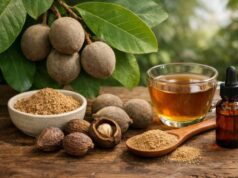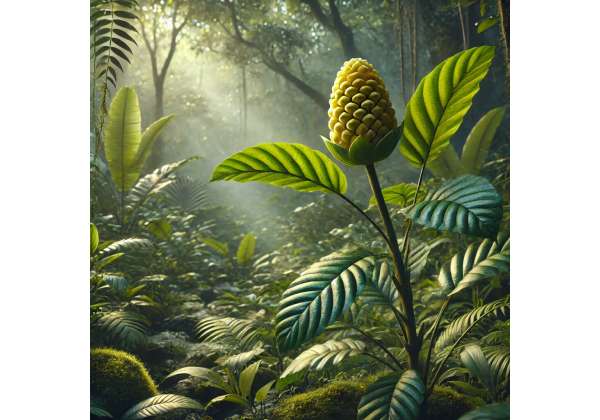
Biriba (Annona mucosa) is a tropical fruit tree in the custard-apple family, loved for its creamy, aromatic pulp and increasingly discussed for its potential wellness value. In everyday use, biriba is primarily a food: it offers hydration, natural carbohydrates for quick energy, and a mix of fiber, potassium, and plant polyphenols that can support digestion and overall antioxidant intake. Traditional practices in parts of tropical America have also used leaves or other parts of the plant in home remedies, but those “medicinal” uses require more caution than the fruit itself, because related Annona species can contain bioactive compounds that are not ideal to concentrate.
This guide focuses on practical, evidence-aware decision-making: what biriba is, what it contains, the realistic benefits you can expect from normal food portions, common ways to use it, and how to think about dosage, timing, side effects, and who should avoid it. The goal is to help you enjoy biriba safely, without hype.
Essential Insights
- Helps support hydration and regularity when eaten as ripe pulp because it is water-rich and provides fiber.
- Adds antioxidant variety to the diet through polyphenols and vitamin C, best viewed as supportive rather than therapeutic.
- Typical intake: 100–250 g ripe pulp per day (about 1 to 2 loosely packed cups).
- Avoid seeds and concentrated leaf or seed extracts; avoid use if pregnant, breastfeeding, or living with Parkinson’s or other degenerative neurological conditions.
Table of Contents
- What is biriba?
- Key ingredients in biriba
- Biriba health benefits
- How to use biriba
- Biriba dosage and timing
- Biriba safety and interactions
- What the evidence actually says
What is biriba?
Biriba, also spelled biribá, is the common name for Annona mucosa, a fruit-bearing tree native to tropical regions from Central America into parts of South America. You may also see older naming systems that connect it to the former genus Rollinia, which is one reason it can appear under multiple labels in older research and market listings. For most people, the important point is simple: biriba is a close botanical cousin to other Annona fruits such as soursop (guanabana), cherimoya, and sugar apple.
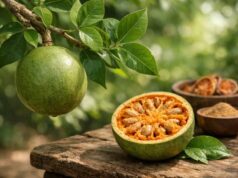
The biriba fruit is medium to large, usually yellowish when ripe, with a soft, textured skin. Inside, the pale pulp is thick, custard-like, and fragrant, with a flavor that many people describe as a mix of banana, pineapple, and vanilla. The texture is a major part of its appeal: ripe biriba blends easily into smoothies, ice creams, and desserts without much effort. The seeds are typically large and glossy, and they are removed before eating.
In traditional food culture, biriba is most often eaten fresh or used as pulp. Its “medicinal” reputation tends to come from two places: (1) the general association of tropical fruits with vitamin and antioxidant content, and (2) the broader Annona family’s long-standing use in folk practices. However, it is important to separate normal fruit consumption from concentrated preparations. Many plants in the Annona family contain potent secondary compounds (including acetogenins) that can behave very differently when extracted and concentrated.
From a practical standpoint, biriba is best approached like a functional food: a fruit that can improve diet quality when used consistently and sensibly. When you treat it as a food first, you get the benefits that are most reliable: hydration, fiber support, and nutrient variety.
How to pick and store biriba
- Ripeness cues: look for a fruit that yields gently to pressure and smells sweet and fruity. Very firm fruit is usually underripe.
- Storage: if underripe, let it soften at room temperature for a day or two. Once ripe, refrigerate and use quickly.
- Food safety: scoop the pulp, discard seeds, and avoid using any bitter-tasting portions near the skin.
Used this way, biriba is primarily a nourishing fruit. The more “medicinal” uses belong in a higher-caution category that you should evaluate carefully, especially if you have any underlying conditions or take medications.
Key ingredients in biriba
Biriba’s value comes from a combination of basic nutrition and bioactive plant compounds. Like many ripe tropical fruits, it is mostly water and carbohydrates, with modest protein and fat. What makes it more interesting than “just sugar” is how those carbohydrates show up in the body: ripe pulp tends to be easy to digest for many people, while still providing some fiber that supports regularity and a slower, steadier rise in blood sugar compared with fruit juices.
Core nutrients you can expect
While exact values vary by growing conditions and ripeness, biriba pulp commonly provides:
- Water and natural sugars: supports hydration and quick energy, especially useful after physical activity.
- Dietary fiber: helps stool bulk and can improve satiety when the pulp is eaten whole rather than strained.
- Potassium and magnesium: minerals associated with normal muscle and nerve function, and helpful for people who sweat heavily.
- Vitamin C and B vitamins: supports normal immune function and energy metabolism. For readers comparing vitamin C rich fruits, it can help to look at familiar benchmarks such as guava’s vitamin C and polyphenol profile, even though biriba and guava are different fruits with different dominant compounds.
Bioactive compounds and why they matter
Biriba contains plant phenolics (such as phenolic acids and related polyphenols). These compounds are part of a fruit’s natural defense system, and in the human diet they contribute to overall antioxidant intake. Antioxidant support is best understood as “cell-protective background nutrition,” not an instant therapeutic effect. The impact is usually subtle and cumulative, showing up most clearly when a diet includes a wide variety of plant foods.
Another compound class relevant to the Annona family is annonaceous acetogenins. These are most often discussed in relation to seeds, leaves, bark, and concentrated extracts rather than normal pulp servings. They are a key reason safety guidance for Annona-family supplements is stricter than safety guidance for occasional fruit consumption. In other words: the fruit can be fine in food portions, but “extract thinking” does not automatically apply.
A helpful way to think about biriba ingredients
- Food portion: mainly hydration, fiber, minerals, and a diverse mix of polyphenols.
- Concentrated preparations: potentially higher exposure to bioactive compounds that may not be ideal to take daily, especially long-term.
If you are choosing biriba for health reasons, the most realistic approach is to treat it as a nutrient-dense fruit that can support digestion and dietary variety, while avoiding “more is better” logic with seeds, teas, or extracts.
Biriba health benefits
Biriba’s benefits are most dependable when you focus on what the fruit does well as a food: supporting hydration, gentle digestion, and overall diet quality. Many online claims about Annona-family plants drift into disease-treatment language, but for biriba, the strongest and safest conclusions come from normal dietary use.
Digestive comfort and regularity
Whole fruit pulp provides water and some fiber, a combination that often supports bowel regularity. People who struggle with “dry diets” (high in refined grains, low in fruits and vegetables) may notice that adding water-rich fruit helps stools move more comfortably. The effect is not dramatic like a stimulant laxative; it is more of a gentle nudge toward better consistency and regularity.
If you are increasing fruit intake to support digestion, start with smaller portions and increase gradually. Sudden jumps in fruit can cause gas or loose stools in sensitive people, especially if the rest of the diet is low in fiber.
Hydration and recovery support
Because biriba is water-rich and provides potassium, it can fit well after exercise or during hot weather. Think of it as a “hydrating snack” that also gives quick carbohydrates. This can be especially useful if you have trouble eating heavier foods immediately after training.
Antioxidant and immune support
Biriba contributes vitamin C and polyphenols, which support normal immune function and help widen the range of plant antioxidants in the diet. The best way to feel this benefit is not through a single serving, but through consistency and variety. Pairing biriba with other colorful plants (berries, citrus, leafy greens) improves overall antioxidant diversity more than relying on any one fruit.
Satiety and weight-friendly dessert swaps
When biriba replaces ultra-processed desserts, it can support weight management indirectly by lowering overall calorie density and increasing nutrient intake. The key is the substitution: a fruit-based dessert is often easier to sustain than a restrictive plan that removes sweets entirely.
A practical approach is to build a “fiber and protein anchor” around biriba pulp. For example, blend biriba with unsweetened yogurt or kefir, then add chia seeds for extra fiber and satiety. This tends to feel more filling than fruit alone and can be gentler on blood sugar.
What biriba does not reliably do
- It is not a proven treatment for diabetes, hypertension, infections, or cancer.
- It is not a detoxifier in the sense many marketing claims suggest.
- It should not replace medical care or prescribed treatments.
If you keep expectations realistic, biriba can be a valuable part of a nourishing diet: supportive, pleasant, and easy to use consistently.
How to use biriba
Biriba is most safely and effectively used as a food. The simplest goal is to keep the preparation close to the traditional way people actually eat it: ripe pulp, seeds removed, used fresh or blended. This preserves fiber and reduces the risk that comes with concentrating compounds from other plant parts.
Everyday food uses
Common, practical ways to use biriba pulp include:
- Fresh pulp with a spoon: the simplest method, best for preserving the natural texture.
- Smoothies: blend biriba with yogurt or milk alternatives, plus a handful of greens if you want more micronutrient density.
- Frozen pulp desserts: blend ripe pulp, freeze in portions, and re-blend for a sorbet-like texture.
- Breakfast additions: mix into oatmeal or overnight oats for sweetness without added sugar.
- Sauces and fillings: biriba pulp can be used like a custard base in fruit-forward desserts.
Pairings that improve balance
Because biriba is naturally sweet and soft, it pairs well with ingredients that add structure:
- Protein: Greek yogurt, cottage cheese, or a mild protein powder.
- Healthy fats: nuts, nut butter, or coconut.
- Fiber texture: oats, chia, or flax.
Traditional leaf and seed uses: a caution zone
In some communities, leaves or other parts of Annona-family plants are used in infusions or decoctions. With biriba, it is important to be conservative:
- Seeds: do not chew or blend into drinks. Seeds in many Annona species contain compounds that are not meant to be consumed casually.
- Leaf teas and extracts: avoid routine daily use unless guided by a qualified professional, especially if the product is concentrated or marketed for “therapeutic” effects.
Smart storage and handling
- Use ripe fruit promptly; very ripe pulp can ferment quickly.
- Freeze pulp in measured portions if you want convenience without waste.
- Avoid combining biriba with large amounts of added sugar; it does not need it.
Used in these ways, biriba is a versatile fruit that can improve diet quality with minimal complexity and lower risk.
Biriba dosage and timing
Because biriba is primarily a food, “dosage” is best thought of as serving size, frequency, and tolerance. The goal is to get the benefits of fruit intake without pushing into excess sugar, digestive discomfort, or risky experimentation with concentrated preparations.
Typical food portion range
For most healthy adults, a practical daily range is:
- 100–250 g ripe biriba pulp per day (roughly 1 to 2 loosely packed cups)
This range fits easily into a balanced diet and is large enough to contribute fiber, potassium, and polyphenols without making biriba your primary calorie source.
If you are new to biriba or sensitive to high-fruit meals:
- Start with 80–120 g once daily for several days, then increase as tolerated.
Timing: when biriba fits best
- Morning or midday: useful if you want quick energy and a lighter digestive load.
- Post-exercise: a convenient carbohydrate and hydration snack; pair with protein for better recovery.
- As dessert: works best when it replaces a more processed sweet, not when it adds extra calories on top of a full meal.
If you are watching blood sugar, consider eating biriba with a meal or alongside protein and fat rather than alone as a large fruit bowl.
How long to use it
Food use does not require “cycling.” The main questions are variety and moderation. A good pattern is:
- Include biriba a few times per week when available, rather than pushing daily large servings for months.
This supports nutrient variety and reduces the chance you rely heavily on one fruit.
Leaf tea and extract dosing: conservative guidance
There is no universally established therapeutic dose for biriba leaf tea. If you choose to use a non-concentrated leaf infusion despite the uncertainty, keep it conservative and short-term:
- Infusion: 1–2 g dried leaf in 250 mL hot water, steep 10–15 minutes, once daily, for no more than 7–14 days without professional guidance.
Avoid combining leaf tea with other Annona-family products, and avoid concentrated extracts unless supervised.
Common variables that change the best dose
- Digestive sensitivity: lower doses if you get bloating or loose stools.
- Activity level: higher end of the pulp range may fit better after training.
- Diet context: if your diet already contains several servings of fruit daily, you may not need biriba every day.
If your main goal is digestive comfort, you may also benefit from combining biriba with other gentle fruits rather than relying on “medicinal” preparations. For example, papaya is often used in digestion-focused diets; see papaya’s digestive compounds and practical uses for comparison and meal ideas.
Biriba safety and interactions
Biriba pulp eaten as a normal food portion is generally considered the lowest-risk way to use this plant. Most safety concerns arise when people move away from food use and toward seeds, leaf teas, or concentrated supplements, especially taken daily and long-term. Because biriba belongs to the Annona family, it is wise to apply a “conservative by default” approach.
Side effects from fruit pulp
In food portions, the most common issues are digestive:
- Bloating or gas (more likely with larger servings)
- Loose stools if you increase fruit suddenly
- Rare allergy-like reactions in people sensitive to certain fruits
If you notice itching, hives, swelling, or breathing difficulty, stop and seek medical help.
Seeds and concentrated preparations
- Do not eat the seeds. Do not blend them into smoothies.
- Avoid seed powders and seed extracts.
- Be cautious with leaf teas and avoid high-dose or long-term daily use.
This caution is not meant to alarm; it is a practical response to what is known about bioactive compounds in related Annona species and the way risk increases when you concentrate plant chemistry.
Who should avoid biriba or use extra caution
Avoid biriba leaf products and consider avoiding biriba entirely unless a clinician approves if you are:
- Pregnant or breastfeeding
- Living with Parkinson’s disease, atypical parkinsonism, dementia, or other degenerative neurological conditions
- Managing very low blood pressure or frequent dizziness
- Using multiple medications where small blood pressure or glucose shifts could be risky
For readers who want a broader safety framework for Annona-family products, a closely related discussion appears in graviola safety and key ingredient guidance, which highlights why concentrated use deserves more caution than fruit-as-food.
Potential interactions
Direct clinical interaction data for biriba specifically is limited. Still, it is reasonable to be cautious with:
- Blood pressure medications: large amounts of potassium-rich foods and certain plant compounds can affect blood pressure in some people.
- Diabetes medications: fruit intake affects glucose; pairing with protein and keeping portions moderate reduces swings.
- Sedating herbs or medications: if you use leaf teas that are marketed for relaxation, treat them like a sedating product and avoid combining with other sedatives.
Red flags to stop and reassess
Stop use and consult a clinician if you develop:
- Persistent numbness, tremor, unusual weakness, or new neurological symptoms
- Ongoing nausea, vomiting, or severe diarrhea
- Worsening dizziness or fainting
- Any allergic reaction signs
The most protective strategy is simple: enjoy the pulp in moderate servings, avoid seeds and extracts, and treat “medicinal” claims with caution unless backed by clear clinical evidence.
What the evidence actually says
The evidence around biriba sits in a familiar place for many tropical fruits: strong as nutrition, promising but preliminary as “medicine.” Understanding what type of research exists helps you decide what to believe, what to ignore, and what to treat as an open question.
What we know with the most confidence
- Biriba is a real food with useful nutrients. Like other fruits, it contributes hydration, minerals, fiber, and plant compounds that improve diet quality.
- Polyphenols are part of the package. Phenolic compounds and related antioxidants are found across many Annonaceae fruits, including biriba, and they contribute to overall antioxidant intake.
These are not dramatic claims, but they are dependable. Most real-world health improvement comes from repeated, ordinary decisions like increasing whole plant foods and reducing ultra-processed snacks.
What is promising but not proven
Research on Annona-family plants often reports antioxidant, antimicrobial, and other bioactivities in lab or animal models. This kind of research can be useful for identifying interesting compounds, but it does not automatically mean a fruit treats disease in humans.
For biriba specifically, the most responsible interpretation is:
- Food use may support wellness (digestion, hydration, nutrient variety).
- Therapeutic claims require human evidence that is often missing or too limited to guide self-treatment.
Why extracts are a different category
A key evidence problem is “dose translation.” A study might use a concentrated extract at a level that a person would never reach by eating fruit. When you try to replicate those results with supplements, you can also replicate risks. This is especially relevant for plants in the Annonaceae family, where certain compound classes can have strong biological effects.
So, if you see claims that biriba “kills cancer cells” or “treats infections,” ask:
- Was this tested in humans, or only in a lab?
- Was it pulp, or a concentrated leaf or seed extract?
- What dose was used, and is that dose realistic or safe?
A grounded bottom line
- If you want biriba for health, treat it as a nutrient-dense tropical fruit and use it consistently in moderate portions.
- If you want a medicinal product, do not assume biriba extracts are safe or effective just because the fruit tastes gentle.
- If you have neurological risk factors or are considering leaf products, prioritize safety and professional guidance.
This approach is not as exciting as miracle claims, but it is far more likely to improve health without creating avoidable risk.
References
- Functional and nutritional properties of selected Amazon fruits: A review 2021 (Review)
- Phenolic Compounds and Metals in Some Edible Annonaceae Fruits 2020 (Analytical Study)
- Traditional Uses, Phytochemistry and Pharmacological Activities of Annonacae 2022 (Review)
- An Overview of the Chemical Characteristics, Bioactivity and Achievements Regarding the Therapeutic Usage of Acetogenins from Annona cherimola Mill. 2021 (Review)
- Annonaceae Consumption Worsens Disease Severity and Cognitive Deficits in Degenerative Parkinsonism 2022 (Clinical Observational Study)
Disclaimer
This article is for educational purposes only and does not provide medical advice, diagnosis, or treatment. Biriba (Annona mucosa) is discussed primarily as a food, and research on “medicinal” uses of Annona-family plants is often preliminary or indirect. If you are pregnant, breastfeeding, managing a chronic condition (especially neurological conditions), or taking prescription medications, consult a qualified clinician before using biriba leaf teas, extracts, or supplements. Seek urgent medical care for any severe allergic reaction or concerning neurological symptoms.
If you found this guide useful, consider sharing it with friends or colleagues on Facebook, X (formerly Twitter), or your preferred platform so others can make safer, more informed choices.