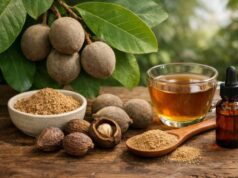
Bitter kola (Garcinia kola) is a West African seed traditionally chewed for its distinctive astringent bitterness and its reputation for “clearing the throat,” supporting stamina, and helping the body cope with everyday stressors. In herbal practice, it is valued less as a single-purpose remedy and more as a versatile plant food with concentrated polyphenols—especially biflavonoids—linked to antioxidant and anti-inflammatory activity. People commonly reach for bitter kola when they want gentle support for respiratory comfort, digestive ease, or overall vitality, and it is also explored for cardiometabolic and immune-related effects.
At the same time, bitter kola sits in a complicated space: tradition is strong, but human research is still limited compared with better-studied herbs. That means the best approach is practical and cautious—use conservative amounts, pay attention to stimulant-like effects and medication interactions, and treat it as supportive care rather than a replacement for medical treatment.
Essential Insights
- Bitter kola may support antioxidant defenses and help soothe throat and respiratory irritation for some people.
- Start low; higher intakes can trigger insomnia, jitteriness, or stomach upset.
- A common conservative range is 1–2 g/day of dried seed (or 250–500 mg/day of standardized extract).
- Avoid during pregnancy and breastfeeding unless a clinician specifically advises otherwise.
- People on blood thinners, diabetes medications, or stimulant drugs should avoid or use only with medical guidance.
Table of Contents
- What is bitter kola?
- Key compounds and medicinal properties
- Health benefits and what to expect
- Common uses and how to prepare it
- How much bitter kola per day?
- Safety, side effects, and interactions
- What the evidence actually says
What is bitter kola?
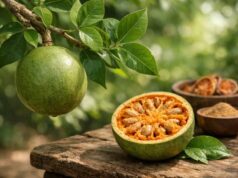
Bitter kola is the seed of Garcinia kola, an evergreen tree native to West and Central Africa. The seeds are typically tan to brown, firm, and intensely bitter, often chewed slowly rather than eaten in large amounts. In many communities, bitter kola is shared as a sign of hospitality and used in everyday self-care traditions—especially for throat comfort, digestive complaints, and maintaining alertness during long days.
It helps to separate bitter kola from similarly named “kola nut.” Kola nut usually refers to Cola nitida or Cola acuminata, which are better known for caffeine content and use in flavoring and stimulant products. Bitter kola is a different plant entirely, with a different phytochemical profile and a more resinous bitterness. If you are trying to understand that distinction—especially from a stimulant and tolerance perspective—see kola nut safety and stimulant basics for context.
From a nutrition standpoint, bitter kola is not typically consumed in quantities large enough to function like a major food source. Still, the seed contains plant fats, fiber, and a range of micronutrients in small amounts. Its main interest comes from “secondary metabolites”—bioactive plant compounds that plants use for defense and signaling and that humans often use for therapeutic effects.
In practical use, you will see bitter kola in a few common forms:
- Whole seed (“nut”): chewed as-is; sometimes lightly dried.
- Powdered seed: mixed into warm water, teas, or foods.
- Extracts and capsules: concentrated preparations with more predictable dosing.
- Seed oil (less common): used experimentally in topical or food-preservation contexts.
Quality can vary widely depending on harvest, storage, dryness, and whether the seed is fresh or aged. Fresh seeds tend to be more pungent and moist; dried seeds can be easier to portion but may lose some aromatic notes. Because bitter kola is often purchased in markets rather than standardized supplement channels, your first goal should be identification and consistency: buy from a reliable seller, keep the seed dry, and track how much you actually use.
Key compounds and medicinal properties
Bitter kola’s “medicinal properties” are usually discussed in terms of three overlapping actions: antioxidant activity (helping neutralize reactive molecules that can damage cells), anti-inflammatory signaling (helping calm exaggerated inflammatory pathways), and antimicrobial or protective effects in certain lab settings. These properties are not unique to bitter kola, but the plant’s blend of biflavonoids makes it distinct.
Key compound families you may see discussed include:
- Biflavonoids (often grouped as “kolaviron”): a complex mixture that includes multiple related flavonoid structures. These are frequently studied for antioxidant and anti-inflammatory signaling effects.
- Polyphenols and tannins: contribute to bitterness and astringency; may influence oral and digestive comfort.
- Xanthones and related Garcinia compounds: a broader class found in several Garcinia species; some are researched for antioxidant and cell-signaling effects. If you are curious how Garcinia plants are discussed more broadly in wellness culture, mangosteen’s related Garcinia compounds offers useful background.
- Garcinoic acid and tocotrienol-like activity (reported in some preparations): compounds sometimes compared to vitamin E–like antioxidant behavior, depending on extraction method.
- Saponins and minor alkaloids (reported variably): may contribute to taste and biological effects, though amounts differ by sample.
How do these translate into “medicinal properties” in real life? A helpful way to think about it is directional influence, not guaranteed outcomes. In lab and animal models, bitter kola compounds are often evaluated for how they affect:
- Oxidative stress markers (the balance between oxidants and antioxidants).
- Inflammatory mediators (pathways such as COX-related signaling, cytokine release, and oxidative enzymes).
- Barrier and tissue resilience (how tissues respond to irritation, toxins, or metabolic strain).
- Microbial growth in controlled conditions (which does not automatically predict results in the human body).
A major practical issue is standardization. Whole seeds can differ by region, season, age, and storage. Extracts can differ by solvent (water vs alcohol vs mixed), concentration, and whether they target specific fractions like kolaviron. For consumers, that means “bitter kola worked for my friend” might reflect a completely different dose and chemistry than what you bought.
If you want the most predictable experience, choose a reputable standardized extract with clear labeling. If you prefer whole seed, keep your use conservative and consistent so you can judge how your body responds.
Health benefits and what to expect
People use bitter kola for a wide range of reasons, but the most realistic expectations cluster into a few themes: respiratory comfort, antioxidant support, and general “tonic” use (alertness, resilience, and appetite control). The challenge is that many promising findings come from preclinical research, while human data remains limited. So it is best to frame benefits as possible support rather than assured outcomes.
Respiratory and throat comfort is the most common traditional reason for chewing bitter kola. The astringent bitterness can stimulate saliva and create a “clearing” sensation that some people find soothing for scratchy throats, hoarseness, or mild irritation. This does not mean it treats infections, but it may offer symptomatic comfort, especially when paired with hydration and rest.
Antioxidant and inflammation support is the second major theme. Bitter kola’s polyphenols and biflavonoids are often discussed for their potential to reduce oxidative stress and modulate inflammatory pathways. In day-to-day terms, people who respond well typically describe subtle changes—less “raw” irritation in the throat, a calmer stomach after heavy meals, or improved sense of stamina. These effects, when they occur, tend to be mild and build with consistent, moderate use rather than a single large dose.
Cardiometabolic interest (blood sugar, lipids, and blood pressure) appears frequently in research discussions, but you should treat it as exploratory. If you have hypertension, diabetes, or high cholesterol, bitter kola should not replace proven therapies. The more relevant takeaway is a safety one: if you are already on medication that affects glucose or blood pressure, bitter kola could add unpredictable “extra” effects.
Digestive use is also common. Because bitter taste can stimulate digestive secretions in some people, small amounts before or after meals may support appetite regulation and digestive comfort. However, for sensitive stomachs, the same bitterness and tannins can irritate, especially on an empty stomach.
If you are choosing between bitter kola and other anti-inflammatory plant options, it can help to compare goals and tolerability. For example, some people prefer black cumin seed benefits when they want a gentler daily supplement with broader human research, while keeping bitter kola for occasional use.
A practical way to judge “what to expect” is to track one or two specific outcomes for two weeks:
- Throat comfort (frequency and severity of irritation)
- Sleep quality (watch for stimulant-like disruption)
- Digestive response (heartburn, nausea, constipation or looseness)
- Energy and focus (helpful lift vs jitteriness)
If benefits are not noticeable at conservative doses—or side effects show up early—bitter kola may not be a good fit for you.
Common uses and how to prepare it
Bitter kola is most often used in simple, traditional ways—chewed slowly or infused—because the seed is naturally potent and does not require complex preparation. Your goal should be consistency, palatability, and safety (especially if you are sensitive to stimulants or gastrointestinal irritation).
1) Chewing the whole seed (most traditional)
This is the form most people recognize: a small piece is chewed gradually, then swallowed or discarded depending on preference and tolerance.
Practical tips:
- Start with a small piece rather than a whole seed.
- Chew slowly; the bitterness intensifies as you break it down.
- If you get heartburn, switch to using it after food, not before.
2) Bitter kola tea or decoction (gentler taste, easier portioning)
A tea is often better tolerated than chewing for people who dislike prolonged bitterness.
Simple method:
- Slice or lightly crush a small portion of dried seed.
- Simmer in water for 8–12 minutes (a gentle decoction works better than a quick steep).
- Strain and sip slowly.
You can soften the flavor by pairing it with ginger or lemon (without trying to “mask” it completely), but avoid adding large amounts of sweeteners if your goal is metabolic support.
3) Powdered seed (convenient, easy to overdo)
Powder makes it easy to take too much. If you use powder, measure it—do not rely on a spoon “guess.”
Ways to use:
- Stir into warm water and drink promptly (it settles).
- Mix into a small amount of yogurt or porridge to reduce bitterness.
4) Capsules or standardized extracts (most predictable dosing)
If you want repeatable effects, capsules are often the best choice. Look for clear labeling, batch testing, and an ingredient list that does not hide the extract amount in a “proprietary blend.”
5) Traditional combinations and practical contexts
People commonly use bitter kola:
- During seasonal throat irritation
- After heavy meals
- As a “wakeful” chew during long workdays
- As a short-term tonic when energy feels low
Storage matters: keep seeds dry, away from humidity, and ideally in an airtight container. If the seed develops moldy odor, soft wet spots, or visible fuzz, discard it.
How much bitter kola per day?
There is no universally accepted “official” dose for bitter kola, partly because it is used in multiple forms (whole seed, powder, extract) and partly because standardized human studies are limited. A safer approach is to choose a conservative range, match the dose to your form, and adjust based on tolerance—especially sleep and stomach comfort.
Conservative starting points by form (typical traditional and supplement practices):
- Whole seed (chewed): start with 0.5–1 g/day (a small piece), then consider 1–2 g/day if well tolerated.
- Dried powder: start with 0.5 g/day, and avoid pushing beyond 2 g/day unless you have professional guidance.
- Tea/decoction: use 1–2 g of sliced dried seed per cup; begin with one cup/day.
- Standardized extract (capsules): commonly 250–500 mg/day, ideally split into two doses if the label suggests it.
Because bitter kola can feel stimulating for some people, timing matters:
- Take it in the morning or early afternoon if you are prone to insomnia.
- If you notice stomach irritation, take it with food.
- Avoid combining it late in the day with other stimulants (strong coffee, energy drinks, pre-workouts).
How long to use it depends on your goal:
- For throat irritation: many people use it short-term (3–7 days).
- For “tonic” use: consider a 2–4 week trial, then pause for a week to reassess.
A simple dose-adjustment checklist:
- If sleep worsens → reduce dose or move it earlier.
- If heartburn appears → take with food, reduce dose, or switch to tea.
- If you feel jittery or anxious → stop or lower dose; do not “push through.”
- If you take blood pressure or glucose medication → do not escalate without clinician input.
If you are tempted to stack bitter kola with other energizing botanicals, be cautious. Combining it with stimulant-heavy herbs like guarana and energy-focused supplements can increase the chance of palpitations, anxiety, or sleep disruption.
The most important “dosage rule” is consistency: keep the dose stable for several days before changing it, so you can accurately judge how your body responds.
Safety, side effects, and interactions
Bitter kola is widely used as a traditional chew, but “natural” does not automatically mean risk-free. Safety depends on dose, individual sensitivity, product quality, and your medication profile. The most common side effects are mild, but they can matter if you are using bitter kola daily or in larger amounts.
Common side effects (more likely with higher doses):
- Insomnia or lighter sleep, especially when used late in the day
- Jitteriness, restlessness, or palpitations in stimulant-sensitive individuals
- Stomach upset, nausea, heartburn, or mouth/throat irritation from strong astringency
- Headache (often related to stimulation, dehydration, or dose escalation)
Who should avoid bitter kola (or use only with medical guidance):
- Pregnant or breastfeeding individuals (insufficient safety data)
- Children (dose and sensitivity concerns)
- People with arrhythmias, uncontrolled hypertension, significant anxiety, or severe insomnia
- Anyone with chronic liver disease or a history of supplement-related liver issues (caution is reasonable because concentrated botanicals can be unpredictable)
- People scheduled for surgery (stop at least 2 weeks before unless your surgical team advises otherwise)
Medication and supplement interactions to take seriously:
- Blood thinners and antiplatelet drugs (bleeding risk is a concern with many polyphenol-rich botanicals; avoid casual stacking)
- Diabetes medications (risk of glucose changes; monitor closely if a clinician approves use)
- Blood pressure medications (risk of additive effects, dizziness, or pressure swings)
- Stimulants and high-caffeine products (sleep disruption, heart rate effects)
- Herbs that also affect clotting or glucose (stacking can be unpredictable)
Quality and contamination risks are often overlooked. Whole seeds sold in open markets can be exposed to humidity and molds. Buy intact seeds, keep them dry, and discard any with off odors or visible spoilage. For capsules, choose brands with third-party testing and clear labeling.
A practical safety approach:
- Start at a conservative dose.
- Track sleep and digestion for the first week.
- Avoid combining with multiple new supplements at once.
- Stop promptly if you notice palpitations, significant anxiety, rash, or persistent gastrointestinal pain.
If you have a medical condition or take prescription medication, bitter kola should be a conversation with your clinician—not a self-experiment at escalating doses.
What the evidence actually says
Bitter kola has a strong traditional record and an expanding scientific literature, but most of the research still sits in laboratory and animal models, with fewer well-designed human trials. This matters because preclinical studies can identify promising mechanisms, yet they do not always translate into meaningful real-world outcomes.
What research supports most consistently (as “signals,” not guarantees):
- Bitter kola contains bioactive polyphenols—especially biflavonoids—associated with antioxidant activity and inflammation-modulating effects in controlled models.
- Certain fractions (often discussed under the umbrella of “kolaviron”) are frequently explored for cardiometabolic pathways, such as oxidative stress in vascular tissue or lipid-related signaling.
- Extracts and seed-derived preparations show antimicrobial activity in lab conditions, which is useful scientifically but does not automatically prove the same effect in the human body.
Where evidence is weaker or mixed:
- Respiratory benefits are largely tradition-driven, with limited rigorous human data. Many people’s “throat relief” may be symptomatic and sensory (bitterness, saliva stimulation) rather than a targeted medical effect.
- Blood pressure, blood sugar, and cholesterol claims are common, but human studies are not yet strong enough to justify using bitter kola as a treatment. If you have these conditions, bitter kola is best viewed as a cautious adjunct, not a replacement.
- Long-term safety data in humans is limited, especially at higher supplemental doses and with standardized extracts.
How to read bitter kola claims responsibly:
- Look for human trials, not just animal outcomes.
- Check whether a study used whole seed, tea, or an extract fraction—they are not interchangeable.
- Notice the dose: animal doses often exceed realistic human intake.
- Prioritize outcomes that matter: symptoms, function, and clinically meaningful markers—not just lab measurements.
A grounded conclusion is that bitter kola is plausible as a supportive botanical—especially for antioxidant and irritation-related comfort—but it is not yet backed by enough human evidence to justify bold disease-treatment claims. Used conservatively, it may fit into a wellness routine for some people, particularly as occasional use rather than high-dose, long-term supplementation.
References
- Garcinia kola: a critical review on chemistry and pharmacology of an important West African medicinal plant 2023 (Review)
- A review on garcinia kola heckel: traditional uses, phytochemistry, pharmacological activities, and toxicology 2022 (Review)
- The role of Kolaviron, a bioflavonoid from Garcinia kola, in the management of cardiovascular diseases: A systematic review 2024 (Systematic Review)
- Antioxidant activity and efficacy of Garcinia kola (bitter kola) oil on pathogenic and alteration microorganisms of attiéké 2023
Disclaimer
This article is for educational purposes only and does not provide medical advice, diagnosis, or treatment. Herbal products can vary widely in strength and purity, and “natural” substances may cause side effects or interact with medications. If you are pregnant, breastfeeding, have a chronic condition, or take prescription drugs (especially blood thinners, blood pressure medicines, or diabetes medications), speak with a qualified healthcare professional before using bitter kola or any concentrated herbal extract. Seek urgent medical care for symptoms such as chest pain, severe palpitations, fainting, trouble breathing, facial swelling, or signs of a serious allergic reaction.
If this guide was useful, consider sharing it on Facebook, X (formerly Twitter), or your favorite platform so others can make more informed, safer choices.