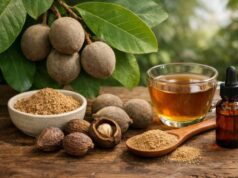
Bitter orange (Citrus aurantium) is a traditional citrus used in several distinct ways: the peel is taken as a digestive bitter and appears in weight-management supplements, the flowers yield “neroli” oil prized in aromatherapy, and the leaves produce “petitgrain” oil with a fresh, green-citrus scent. Modern interest centers on bitter orange extract and its naturally occurring protoalkaloid, p-synephrine—often marketed as a gentler alternative to older stimulant-based products.
In practice, bitter orange sits at the crossroads of food and medicine. As a culinary ingredient, it adds sharp, complex citrus notes (think Seville orange marmalade). As a botanical remedy, it is commonly used for appetite and metabolism support, mild digestive sluggishness, and sometimes exercise-focused “thermogenic” blends. The same properties that make it appealing—its stimulating, adrenergic-like activity—also drive its main safety concerns, especially for people sensitive to stimulants or managing blood pressure.
Essential Insights
- May modestly increase fat use during exercise, but meaningful weight loss is not consistently shown.
- Typical p-synephrine supplemental ranges are about 10–40 mg per day; start low.
- Can raise heart rate or blood pressure, especially when paired with caffeine or other stimulants.
- Avoid if pregnant or breastfeeding, or if you have hypertension, heart disease, or rhythm issues.
Table of Contents
- What is bitter orange?
- Key ingredients and medicinal properties
- Health benefits and realistic outcomes
- How to use bitter orange
- How much bitter orange per day?
- Side effects and interactions
- What the research actually says
What is bitter orange?
Bitter orange is an evergreen citrus tree best known for its intensely aromatic peel and distinctly bitter-sour fruit. You may also see it called sour orange or Seville orange. While sweet oranges are mainly eaten fresh, bitter orange is more often used for flavoring and extracts because the peel and oils are the “star”—packed with fragrant compounds and bitter principles.
Different parts of the plant are used for different goals:
- Peel (zest and dried rind): Traditionally used as a digestive bitter to support appetite regulation, stomach comfort, and a sense of “movement” after heavy meals. The peel is also the most common source for standardized bitter orange extracts used in supplements.
- Flowers: Distilled into neroli essential oil, used in aromatherapy for mood, stress, and sleep routines.
- Leaves and twigs: Distilled into petitgrain essential oil, often described as green, woody-citrus and used for relaxation and tension.
- Fruit juice and preserved fruit: Used in culinary traditions (notably marmalades and sauces), where its sharp acidity and bitterness balance sweetness.
In modern supplement form, “bitter orange” can mean several different things: whole-peel powder, peel extract standardized to p-synephrine, or blends that combine bitter orange with caffeine, green tea, or other stimulating ingredients. That last category is where most confusion—and many safety issues—arises. When you see dramatic claims (“rapid fat burn,” “ephedra-like results”), it is often because bitter orange is being positioned as a stimulant substitute, not because the whole fruit behaves like a powerful drug.
One useful way to think about bitter orange is as a citrus bitter plus a mild-to-moderate stimulant, depending on how concentrated and standardized the product is. Tea made from peel behaves differently than a capsule delivering a measured dose of p-synephrine, and both differ from essential oil aromatherapy, which acts mainly through inhaled volatile compounds and sensory pathways.
Key ingredients and medicinal properties
Bitter orange’s effects come from a combination of protoalkaloids, flavonoids, and volatile aromatic oils. The balance of these compounds changes depending on the plant part used and how it is prepared (tea, extract, essential oil).
1) p-Synephrine and related amines
The best-known active compound in bitter orange peel is p-synephrine. It is often discussed in the context of “thermogenesis” because it can interact with adrenergic pathways involved in energy mobilization. Bitter orange also contains smaller amounts of other biogenic amines (commonly noted in the literature) such as octopamine and tyramine. Collectively, these may contribute to the “stimulating” feel some people report—especially in concentrated extracts.
2) Flavonoids and bitter principles
Citrus peels are rich in flavonoids, including flavanone glycosides commonly found across citrus species. These compounds are typically associated with antioxidant activity and may support vascular function and inflammatory balance in a broad, non-stimulant way. In addition, the peel contains bitter-tasting constituents that can influence digestion through the classic “bitter reflex”: bitterness on the tongue can cue digestive secretions and gut motility in some people, which is one reason peel teas are used before or after meals.
If you enjoy comparing citrus phytochemistry, the peel chemistry overlaps in some ways with other aromatic citrus like bergamot’s key compounds and uses, although bitter orange is more commonly associated with p-synephrine-focused supplements.
3) Volatile oils (aroma compounds)
The scent of bitter orange is not just pleasant—it reflects a complex volatile profile. Citrus essential oils are often rich in limonene and other terpenes, along with floral and woody notes depending on whether the oil comes from peel, flowers, or leaves. In aromatherapy practice, these volatile compounds are used for mood shifts, relaxation rituals, and stress decompression, primarily through inhalation.
4) Why product type matters
- Whole peel or tea: broader mix of compounds, typically gentler.
- Standardized extracts: more predictable p-synephrine dose, more stimulant-like.
- Essential oils: concentrated aroma compounds; not interchangeable with oral extracts and not meant to be taken internally unless under qualified guidance.
This “chemistry-to-experience” link is the key to using bitter orange well: match the form to the goal, and respect the stimulant potential when using concentrated extracts.
Health benefits and realistic outcomes
People usually reach for bitter orange for one of three reasons: metabolism and weight management, exercise support, or digestive comfort. It also has a role in aromatherapy via neroli and petitgrain oils. The most helpful mindset is to separate “what is plausible” from “what is proven,” and to avoid expecting drug-like fat loss.
Metabolism and weight management
Bitter orange extract is often marketed as a thermogenic aid. In controlled settings, p-synephrine has been studied for its potential to shift fuel use (fat vs carbohydrate) and modestly influence energy expenditure. In real life, outcomes tend to be subtle: some people notice slightly reduced appetite or a mild “lift,” while others feel nothing—or feel overstimulated. Importantly, a supplement that simply makes you feel more energetic can be mistaken for “fat burning,” even when scale or body-composition changes do not follow.
A practical comparison: if your goal is weight management, many people do better starting with non-stimulant strategies (protein at breakfast, fiber consistency, walking volume) and, if using a supplement, choosing something with a longer track record. For example, green tea extract is often discussed in the same weight-management conversations but works through a different profile and still requires careful dosing.
Exercise and performance support
Some studies suggest p-synephrine can modestly increase fat oxidation during certain types of exercise, particularly at low-to-moderate intensities and when taken before training. However, the effect is not universal across all groups, and it does not reliably translate into better performance outcomes. Think of it as a small nudge in fuel preference, not a shortcut to fitness.
Digestive support and “heaviness” after meals
Traditional use of bitter orange peel leans heavily toward digestion: easing sluggishness, supporting appetite regulation, and improving the sensation of “movement” after rich foods. This is where gentle preparations (like peel tea) often make more sense than standardized stimulant extracts. If you are using bitter orange mainly for digestion, the least stimulating form is usually the most appropriate.
Mood and stress routines (via essential oils)
Neroli and petitgrain oils are popular in evening routines because citrus-floral aromas can feel calming without sedation. The benefit here is often experiential: improved relaxation cues, a more pleasant wind-down ritual, and reduced perceived stress. That said, essential oils are powerful concentrates; use them thoughtfully (diffuse, dilute, and avoid internal use).
Overall, bitter orange can be useful—but “useful” often looks like modest support layered onto fundamentals, not a dramatic transformation.
How to use bitter orange
The safest, most effective way to use bitter orange depends on what you want from it. A good rule: start with the least concentrated form that fits your goal, and only move to standardized extracts if you truly need the stronger effect and have no stimulant-related risk factors.
1) Peel tea (digestive and gentle appetite support)
This is often the best starting point for people who want the traditional “bitter” effect without a stimulant-heavy supplement.
- Use 1–2 g dried peel (or a small strip of fresh zest, avoiding the white pith if you want less bitterness).
- Steep in hot water for 8–12 minutes.
- Drink once daily, or up to twice daily if well tolerated—often before meals or after heavy meals.
Taste matters: if it is extremely bitter, reduce the amount. Pairing with ginger or cinnamon can make it more pleasant without turning it into a sugary beverage.
2) Culinary uses (low-risk, food-based exposure)
Marmalades, sauces, and zest use are a way to get bitter orange’s aromatic and bitter qualities in a naturally limited dose. Food use is also less likely to create stimulant-like effects unless you are extremely sensitive.
3) Capsules or standardized extracts (metabolism-focused)
If you choose a supplement, prioritize clarity:
- Look for a product that specifies p-synephrine content per serving, not just “bitter orange extract.”
- Avoid “proprietary blends” that hide exact amounts.
- Be cautious with multi-stimulant stacks.
4) Essential oil (neroli, petitgrain, or peel oil) for aromatherapy
This route is for mood and relaxation routines, not weight loss.
- Diffuser: start with 2–4 drops in water and assess how you feel.
- Topical: dilute to about 1% (for many people, that is roughly 1 drop essential oil per 1 teaspoon carrier oil, depending on drop size). Patch test first.
Because citrus oils can be phototoxic when applied to skin (especially cold-pressed peel oils), avoid sun exposure on treated areas for a day, and do not apply undiluted oil.
If you are exploring citrus-based antimicrobial products, be aware that not all “citrus seed” or peel products behave the same; grapefruit seed preparations have their own quality and formulation considerations.
How much bitter orange per day?
There is no single “perfect” dose for bitter orange because products vary widely: tea uses whole peel, supplements can be standardized to p-synephrine, and essential oils are a separate category entirely. The goal is to choose a dose that matches your intent while staying conservative on stimulant exposure.
Peel tea (traditional use)
- 1–2 g dried peel, steeped once daily to start
- If well tolerated, up to 2 times daily
This is typically the least stimulating approach and often the best fit for digestive goals.
Standardized bitter orange extract (supplement use)
Many products are standardized by p-synephrine content. A cautious, commonly used approach is:
- Start at 5–10 mg p-synephrine per day to assess sensitivity.
- If tolerated and still desired, a typical range is 10–40 mg p-synephrine per day, often divided into 1–2 doses.
- Avoid late-day dosing if you notice sleep disruption.
Some exercise studies use weight-based single doses (often taken 45–60 minutes before training). Those research doses can be substantially higher than what many people use day-to-day, so they should not be treated as a casual starting point.
Timing and duration
- For digestion: consider tea before meals or after heavy meals.
- For training: if using a standardized supplement, many take it 45–60 minutes pre-workout.
- For weight management: if you choose to use it, consider a limited trial such as 4–8 weeks, then reassess. Long-term, continuous use is harder to justify when safety and benefit are both modest.
Do not “stack” automatically
Bitter orange is often paired with caffeine, yohimbine-like stimulants, or thyroid-support blends. Stacking increases risk more quickly than it increases benefit. Bitter orange is frequently discussed as an ephedra substitute; if you want context on why that comparison raises safety flags, see how ephedra-like stimulant approaches differ in risk.
If you have any cardiovascular risk factors, are on blood-pressure medication, or are sensitive to stimulants, it is safer to skip stimulant-style dosing entirely and focus on food-based or aromatherapy uses.
Side effects and interactions
Bitter orange’s safety profile depends heavily on dose, form, and what it is combined with. Tea made from peel is usually gentler, while concentrated extracts standardized to p-synephrine can behave more like a stimulant.
Common side effects (more likely with extracts)
- Jitteriness, restlessness, or feeling “wired”
- Headache or nausea
- Faster heart rate, palpitations, or chest “fluttering”
- Elevated blood pressure
- Insomnia or lighter sleep (especially if taken later in the day)
- Anxiety flare-ups in sensitive individuals
If any heart-related symptoms occur (new palpitations, chest pain, faintness), stop the product and seek medical guidance promptly.
Higher-risk combinations
The most concerning pattern is bitter orange combined with caffeine or other stimulants. This can amplify cardiovascular strain even when each ingredient seems “moderate” alone. Be especially cautious with:
- Pre-workout formulas
- “Thermogenic” blends
- Stimulant-containing fat burners
- Multiple caffeinated beverages plus a bitter orange supplement
Medication and condition interactions (use caution or avoid)
- Blood pressure or heart medications: effects may be unpredictable if a supplement raises heart rate or blood pressure.
- Stimulant medications (for ADHD or narcolepsy) and decongestant-type stimulants: additive stimulation is possible.
- MAO inhibitors and certain antidepressants: potential for interaction is a major reason to avoid unsupervised use.
- Thyroid conditions or thyroid medication: stimulant-like compounds can worsen symptoms in some people.
Who should avoid bitter orange supplements (especially standardized extracts)
- Pregnant or breastfeeding people
- Children and teens
- Anyone with hypertension, heart disease, arrhythmias, or prior stroke
- People with panic disorder or strong stimulant sensitivity
- Anyone scheduled for surgery (a common conservative practice is to stop stimulant-like supplements well in advance)
For aromatherapy use, the main concerns are skin irritation, sensitization, and (for peel oils) sun-related reactions on skin. If you want a gentler, non-stimulant evening routine, lavender oil is often used for stress and sleep support and does not rely on adrenergic stimulation.
What the research actually says
The research story on bitter orange is clearer than marketing suggests: effects are generally modest, and cardiovascular caution is warranted, especially with longer use or stimulant stacking.
1) Weight loss outcomes are not reliably strong
When bitter orange is studied in controlled trials, measurable fat loss is often small or inconsistent. Some products show changes, but many of those products contain multiple active ingredients, making it hard to credit bitter orange alone. Studies that isolate p-synephrine are more informative—and they tend to show that “feeling stimulated” does not necessarily equal “losing fat.”
2) Blood pressure and heart-rate signals matter
A key theme in the clinical literature is that p-synephrine can meaningfully influence cardiovascular markers in some settings. Even if average changes appear small, the practical question is: “What happens to the person who is sensitive, already hypertensive, or combining multiple stimulants?” That is why safety guidance often focuses on who should avoid it, not just what the average participant experienced.
3) Exercise fuel use may shift, but that is not the same as fat loss
Several trials explore whether p-synephrine changes fat oxidation during exercise. A modest upward shift in fat use can occur in certain protocols, but it does not automatically translate into better performance or significant body-composition changes. In other words, bitter orange may slightly influence which fuel you use during a workout, without changing the overall energy balance enough to matter on the scale.
4) Quality and labeling are real-world problems
One underappreciated issue is variability: botanical extracts can differ by plant part, harvest timing, processing, and standardization. Labels may emphasize “bitter orange extract” without clarifying p-synephrine content, and some products blend multiple stimulants. If you are trying to use bitter orange responsibly, transparency matters more than hype.
A grounded takeaway
Bitter orange is best viewed as an optional, short-term tool with a narrow use case: mild digestive bitter effects (tea) or carefully dosed, stimulant-like support (standardized extracts) for healthy adults who tolerate stimulants well. If you have cardiovascular risk factors, are pregnant or breastfeeding, or are using stimulant medications, the risk-to-reward ratio is usually not favorable.
References
- The Safety and Efficacy of Citrus aurantium (Bitter Orange) Extracts and p-Synephrine: A Systematic Review and Meta-Analysis | MDPI 2022 (Systematic Review and Meta-Analysis)
- Effect of p-Synephrine on Fat Oxidation Rate during Exercise of Increasing Intensity in Healthy Active Women 2022 (RCT)
- Bitter Orange – Drugs and Lactation Database (LactMed®) – NCBI Bookshelf 2021 (Database Monograph)
- p-Synephrine: an overview of physicochemical properties, toxicity, biological and pharmacological activity – PubMed 2025 (Review)
Disclaimer
This article is for educational purposes only and does not provide medical advice, diagnosis, or treatment. Bitter orange extracts can affect heart rate and blood pressure and may interact with medications, especially stimulants and certain antidepressants. If you are pregnant, breastfeeding, have a medical condition (particularly cardiovascular or thyroid conditions), or take prescription medicines, consult a licensed clinician before using bitter orange in supplement form. Seek urgent medical care for chest pain, fainting, severe shortness of breath, or signs of an allergic reaction.
If you found this guide useful, consider sharing it on Facebook, X (formerly Twitter), or your favorite platform to help others make safer, more informed choices.