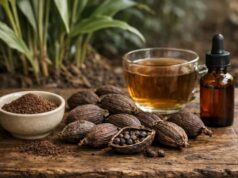
Black cumin (Nigella sativa)—often called black seed or kalonji—is a small, matte-black seed used for centuries as both a culinary spice and a traditional remedy. Despite the name, it is not the same as common cumin (Cuminum cyminum). Its warm, slightly peppery flavor makes it easy to include in food, while its concentrated oil and extracts are popular in supplements and topical products.
Modern interest focuses on black cumin’s antioxidant and anti-inflammatory profile, largely linked to compounds such as thymoquinone. People most often use it to support metabolic health (blood sugar, cholesterol, and blood pressure trends), seasonal allergy comfort, digestive balance, and skin and scalp care. The evidence is promising in some areas, but results vary widely depending on the form used, dose, and the person’s underlying health.
Because black cumin can influence blood sugar, clotting pathways, and immune signaling, “more” is not always better—especially in concentrated oils or standardized extracts. With a careful approach, it can be a practical, traditional tool that fits into both wellness routines and everyday meals.
Essential Insights
- May support healthier blood sugar and lipid markers when used consistently alongside diet and medical care.
- Typical daily dosing is about 1–3 g ground seed or 1–2.5 mL oil, depending on the form.
- Can increase bleeding risk and lower blood sugar; use extra caution with anticoagulants or diabetes medications.
- Avoid during pregnancy and stop before surgery unless a clinician advises otherwise.
- People with bleeding disorders, very low blood pressure, or complex medication regimens should avoid self-prescribing.
Table of Contents
- What is black cumin
- Active compounds and medicinal properties
- Does it help metabolic health
- Immune and respiratory support
- Skin, hair, and topical uses
- How to use black cumin
- How much per day and when
- Side effects, interactions, and who should avoid
- What the research really shows
What is black cumin
Black cumin comes from Nigella sativa, a flowering plant in the buttercup family (Ranunculaceae). The seeds are small, angular, and deep black, with a scent that many people describe as a cross between oregano, pepper, and toasted onion. Depending on the region, you may see it called black seed, kalonji, habbat al-barakah, or “seed of blessing.” You may also see confusing look-alikes: black cumin is not the same as cumin, and it is also different from caraway, black sesame, and “black cumin” labels sometimes used for Bunium bulbocastanum in parts of Europe. If the label clearly states Nigella sativa, you are in the right place.
In food, black cumin is commonly sprinkled on flatbreads, mixed into yogurt or dips, added to pickles, and used in spice blends. Gently toasting the seeds brings out a nutty aroma and reduces harshness. The seeds can also be ground into a powder, which is easier to dose consistently than whole seeds.
In supplements, black cumin usually appears in three forms:
- Whole seed powder (capsules or loose powder)
- Black seed oil (liquid or softgels), typically cold-pressed
- Standardized extracts that list thymoquinone content (sometimes 2–5% or more)
These forms are not interchangeable. A teaspoon of oil does not equal a teaspoon of ground seed, and a standardized extract can deliver a much higher dose of certain compounds than either. That difference matters for both effects and side effects.
Quality also varies. Fresh seeds smell aromatic and slightly pungent. Rancid oil smells flat, sour, or “paint-like,” and should be discarded. Because the oil contains delicate compounds, it is more sensitive to heat and light than the whole seed. If you use oil regularly, darker bottles, a stable cap, and proper storage (cool, away from sunlight) make a noticeable difference in shelf life.
The most practical way to think about black cumin is “food first, concentrate later.” Many people do best starting with culinary use, then moving to oil or capsules only if they have a clear goal and a plan to monitor their response.
Active compounds and medicinal properties
Black cumin’s reputation is tied to a combination of volatile oils, antioxidant compounds, and fatty acids that influence inflammation and metabolic signaling. The exact profile depends on the seed source, how it is grown, and—most importantly—how it is processed. Whole seeds, cold-pressed oil, and standardized extracts can act like three different products.
Key compounds often discussed include:
- Thymoquinone (TQ): The best-known bioactive constituent. It is linked to antioxidant activity and multiple anti-inflammatory signaling effects, and it is often used as a quality marker in standardized oils and extracts.
- Nigellone (dithymoquinone) and related quinones: Closely related compounds that may contribute to respiratory comfort and inflammatory balance in traditional use contexts.
- Volatile constituents such as p-cymene, thymol, and carvacrol: These contribute to aroma and are studied for antimicrobial and anti-inflammatory actions.
- Alpha-hederin and other saponin-like compounds: Sometimes discussed for immune and airway-related effects, though human data are still limited and product-dependent.
- Fatty acids in the oil: Black seed oil typically contains meaningful amounts of linoleic acid (omega-6) and oleic acid (omega-9), plus smaller amounts of saturated fats. These fats matter less as “magic ingredients” and more as carriers that influence absorption and tolerability.
- Phytosterols and tocopherols (vitamin E family): These may support antioxidant status and lipid metabolism in ways that are subtle but relevant to cardiometabolic goals.
Medicinal properties commonly attributed to black cumin are best described as:
- antioxidant support, 2) anti-inflammatory modulation, 3) metabolic support, and 4) antimicrobial and immune-adjacent activity. The key word is modulation, not suppression. Many people use black cumin to “calm” inflammatory tendencies without feeling sedated or dulled, but the response is individual.
A useful practical distinction is the difference between culinary dosing and therapeutic-style dosing. Culinary use emphasizes flavor and gentle physiologic effects. Therapeutic use—especially with standardized oils—delivers higher levels of thymoquinone and other lipophilic compounds. That can be helpful for targeted goals, but it also increases the risk of side effects and interactions.
Processing matters. Heat, prolonged storage, and light exposure can reduce volatile compounds and contribute to oxidation. That is why some people notice stronger effects from fresh seeds or carefully stored oil than from older, poorly stored products. If you choose an oil, look for signs of careful handling (dark bottle, batch information, and a clear expiration date). If you choose capsules, look for labels that clarify whether the product is seed powder, oil, or a standardized extract—because the medicinal profile changes with each.
Does it help metabolic health
Metabolic health is the most common reason people try black cumin supplements. The questions usually come in clusters: “Will it lower my blood sugar?” “Can it help cholesterol?” “Does it affect blood pressure?” The most evidence-informed answer is that black cumin may offer modest improvements in some cardiometabolic markers, especially when used consistently for weeks to months and paired with the basics—diet quality, movement, sleep, and medication adherence when prescribed.
Blood sugar and insulin sensitivity
Human trials and meta-analyses often report small-to-moderate improvements in fasting glucose and, in some cases, A1c. Effects tend to be more noticeable in people with elevated baseline markers (prediabetes, metabolic syndrome, or type 2 diabetes) than in people with normal glucose regulation. Importantly, benefits vary by form: seed powder, oil, and extracts do not behave identically. If you already take glucose-lowering medication, black cumin can sometimes amplify the effect, which is helpful only if it is monitored.
Cholesterol and triglycerides
Black cumin is frequently used as an “oil for cholesterol,” but the realistic expectation is incremental support, not a replacement for statins or other prescribed therapy. Some studies show improvements in total cholesterol, LDL, and triglycerides, and occasional increases in HDL. The strongest pattern appears when the intervention is long enough (often 8–12 weeks or more) and the participant population has dyslipidemia or metabolic syndrome rather than normal baseline lipids.
Blood pressure
The blood-pressure effect—when present—usually looks like a small reduction rather than a dramatic drop. In real-life terms, a modest shift can still matter at a population level, but it should not be treated as a stand-alone strategy for hypertension. If you already take antihypertensives, you should watch for lightheadedness, especially when starting or increasing dose.
Body weight and waist circumference
Weight-related outcomes are inconsistent. Some people see mild appetite and waist changes, particularly when black cumin is part of a broader metabolic plan. But it is not a reliable “fat burner,” and results are unlikely to show up without dietary structure.
A smart way to approach black cumin for metabolic health is to run a simple, trackable trial:
- Pick one form (seed powder or oil is easiest).
- Keep other changes steady for 4–8 weeks.
- Track one or two outcomes (fasting glucose, post-meal readings, home BP, or clinician-ordered labs).
- Stop early if you feel signs of low blood sugar or unusually low blood pressure.
If your plan already includes food-based metabolic strategies—such as spice-forward meals—black cumin can fit alongside options like cinnamon routines for blood sugar support, but it is best to introduce changes one at a time so you can tell what is actually helping.
Immune and respiratory support
Black cumin is widely used for seasonal discomforts—especially nasal congestion, sneezing, and itchy, reactive airways. While the internet often frames this as “immune boosting,” a more accurate description is that black cumin may support immune balance and airway calm, particularly in allergy-prone people.
Seasonal allergies and allergic rhinitis
This is one of the more practical use cases because the goal is often symptom relief rather than changing a lab marker. People commonly use black seed oil capsules during allergy season, sometimes combined with standard care such as antihistamines or saline rinses. In some trials, standardized oils have been studied for short periods (around 2 weeks), suggesting a potential role as an add-on for seasonal symptoms. The effects—when they occur—tend to be gradual over days rather than immediate.
Asthma and reactive airways
Traditional use often emphasizes black cumin for bronchial comfort. Mechanistically, it is discussed in relation to inflammatory mediators (including leukotriene pathways), oxidative stress, and smooth-muscle effects in the airways. In practice, it may help some people feel less tightness or reduce cough frequency, but it should never replace rescue inhalers, controller medications, or medical evaluation for uncontrolled symptoms.
How people use it for respiratory goals
- Oil capsules with meals during allergy seasons
- Ground seeds in honey or yogurt for daily, food-based use
- Topical application is sometimes used around the chest in folk practices, but this is not a substitute for respiratory care and can irritate sensitive skin if undiluted
- Nasal use exists in traditional settings, but it carries irritation risk; most people are better served by standardized oral forms or clinician-guided products
A key safety nuance: if you have asthma, the “natural” label can create overconfidence. Any supplement that changes inflammatory signaling can potentially help—or complicate—symptom patterns. The safest approach is to treat black cumin as a supportive tool while keeping your standard care plan stable.
If your primary goal is allergy symptom management, it can also help to understand other evidence-informed options, such as butterbur for allergies and migraine, especially if you are comparing add-on strategies and want to prioritize those with clearer clinical use patterns. Regardless of what you choose, track symptoms, avoid stacking multiple new products at once, and seek medical guidance for wheezing, shortness of breath, or nighttime symptoms.
Skin, hair, and topical uses
Black seed oil is popular in skin and scalp care because it feels nourishing, spreads easily, and is often well tolerated when used correctly. Its topical appeal is usually tied to two themes: supporting a calmer inflammatory environment on the skin, and helping reduce dryness and barrier disruption. That said, “natural” oils can still cause irritation or breakouts, especially in acne-prone or fragrance-sensitive people.
Common skin uses
- Dryness and barrier support: Many people use black seed oil as a light occlusive layer over damp skin, often mixed with a neutral moisturizer.
- Acne-prone skin: Some users report fewer inflamed blemishes, while others break out. The difference often comes down to dose, frequency, and whether the oil is layered over heavy products.
- Eczema-prone areas: Gentle use may reduce tightness and itch in some people, but patch testing is essential because reactive skin can flare from almost any new product.
- Uneven tone and spot care: Traditional routines sometimes focus on “brightening,” but visible changes are usually subtle and slow.
Scalp and hair routines
Black seed oil is often used for a dry scalp, seasonal shedding concerns, or general shine. A common approach is a short “pre-wash” oiling:
- Apply a small amount to the scalp and massage gently for 2–5 minutes.
- Leave on for 15–60 minutes (not overnight at first).
- Shampoo thoroughly, sometimes twice, to prevent buildup.
If you have dandruff-like flaking, oiling alone may not be enough. In those cases, pairing a targeted shampoo with occasional oil use is often more effective than using oil daily.
Dilution and patch testing
Even though black seed oil is not an essential oil, it can still irritate sensitive skin. A simple safety method:
- Patch test a tiny amount on the inner forearm for 24–48 hours.
- If tolerated, start by mixing 1 part black seed oil with 3–5 parts a gentle carrier oil or moisturizer, then adjust.
- Avoid applying to broken skin until you know how you react.
Where topical use fits in the bigger picture
Skin inflammation is influenced by sleep, stress, irritants, and diet. Some people notice better results when topical routines are paired with overall anti-inflammatory habits, including adequate protein, stable blood sugar, and healthy fats. If your goals include overall inflammation support, understanding options like omega-3 fatty acids and how to choose the right supplement can help you build a more complete plan—without relying on a single oil to do everything.
Topical black seed oil can be a useful tool, but it should be used thoughtfully: start low, patch test, and keep the routine simple so you can tell what is helping and what is irritating.
How to use black cumin
Black cumin is unusually flexible because it works as both a spice and a supplement. The right choice depends on your goal, your tolerance, and how much structure you want in your routine.
1) Culinary use (best starting point)
Culinary use is ideal if you want gentle support and high consistency. Simple ways to use the seeds:
- Sprinkle on flatbreads, roasted vegetables, eggs, or salads.
- Stir into yogurt with lemon and salt as a quick dip.
- Add to lentils, beans, or rice near the end of cooking.
- Lightly toast in a dry pan for 30–60 seconds to deepen flavor (avoid burning).
If you want a more measurable routine, grind the seeds and add them to food in a consistent amount. Grinding improves dispersion and makes it easier to take the same dose daily.
2) Oil (liquid or softgels)
Oil is a common step-up because it concentrates lipophilic compounds and is easier to take consistently. Practical tips:
- Take with food to reduce nausea and improve tolerability.
- Start with a small amount and increase gradually.
- Store away from heat and sunlight; refrigeration can help some oils stay fresh longer.
3) Extracts and standardized thymoquinone products
These are the most “supplement-like” forms. They are useful when you want predictability, but they also require the most caution. If a product lists thymoquinone percentage, that can help you compare potency—yet it also means the product may have stronger effects, especially on blood sugar and blood pressure.
4) Pairing for comfort and adherence
Some people find the taste of oil unpleasant. Mixing strategies can improve consistency:
- Blend a small amount into a savory dressing (lemon, yogurt, salt).
- Take softgels rather than liquid if taste is a barrier.
- Use ground seeds in warm dishes rather than trying to swallow them dry.
If you are using black cumin for digestion or as part of a warming routine, it often pairs well with culinary herbs that support comfort after meals, such as ginger preparations for digestion and inflammation. The key is to keep combinations simple at first so you can tell how black cumin affects you.
5) Choosing a product that matches your goal
- For “daily wellness”: seeds or seed powder are usually enough.
- For a focused trial (metabolic markers or seasonal symptoms): oil or a standardized product may be more practical.
- For topical goals: start with oil, patch test, and dilute when needed.
The most effective routine is the one you can actually follow. Black cumin works best when it is used consistently and evaluated honestly, not when it is taken sporadically in high doses.
How much per day and when
Because black cumin products differ so much, dosing should be framed by form rather than a single universal number. The ranges below reflect common patterns used in human studies and real-world routines, but individual needs vary with body size, goals, baseline health, and medication use.
Whole seeds or ground seed (food or capsules)
- A common daily range is 1–3 g per day.
- Many people start at 1 g daily for a week, then increase gradually if tolerated.
- Whole seeds can be harder to measure; ground seed is easier for consistent dosing.
Black seed oil (liquid)
- A typical daily range is 1–2.5 mL per day (roughly 1/4 to 1/2 teaspoon).
- Some people split the dose (morning and evening) to improve tolerability.
- Taking oil with meals often reduces nausea and “peppery” reflux.
Oil softgels
Softgels vary by brand, but many provide 500–1,000 mg oil per capsule. A common routine is 1 capsule once or twice daily with food, adjusting based on label and tolerance.
Standardized extracts (often labeled by thymoquinone content)
This category is the most variable. If a product lists thymoquinone percentage, treat it as a higher-potency option and start low. A cautious approach is to begin with one serving daily and only increase after assessing blood sugar, blood pressure, and digestive tolerance.
Timing and duration
- For metabolic goals, many people evaluate over 8–12 weeks, because that window is long enough to observe trends in glucose, lipids, or blood pressure.
- For seasonal symptoms, shorter trials (often 2–4 weeks) may be used during peak season.
- If you are prone to reflux, avoid taking oil right before bed.
A practical tracking plan
If your goal is metabolic support, choose one or two measurements you can track reliably: fasting glucose, post-meal readings, home blood pressure, or clinician-ordered labs. Keep other changes steady so the result is interpretable.
Avoid aggressive stacking
If you combine black cumin with other strong metabolic supplements, effects can add up. For example, combining it with berberine routines for glucose and lipid support may increase the chance of low blood sugar in people who are sensitive or already using diabetes medications. Introduce one change at a time, start low, and monitor.
If you are unsure where to begin, seed powder or food use is typically the gentlest entry point. Oils and standardized extracts are best treated as structured trials, not open-ended daily habits.
Side effects, interactions, and who should avoid
Black cumin is generally well tolerated as a food, but concentrated oils and extracts can produce side effects—especially when taken on an empty stomach or layered on top of medications that influence blood sugar, blood pressure, or clotting. The goal is not to fear it; the goal is to use it with the same respect you would give any biologically active supplement.
Common side effects (more likely with oil or extracts)
- Stomach upset, nausea, or loose stools
- Heartburn or a “peppery” reflux sensation
- Headache or lightheadedness (sometimes from lowered blood pressure)
- Skin irritation when applied topically without patch testing
Hypoglycemia risk (low blood sugar)
If you have diabetes or prediabetes and use black cumin in supplement doses, monitor closely—especially if you take insulin, sulfonylureas, or other glucose-lowering medications. Symptoms like shakiness, sweating, confusion, unusual fatigue, or a fast heartbeat can signal low blood sugar. If that happens, stop the supplement and speak with a clinician.
Bleeding risk and clotting interactions
Black cumin is sometimes discussed for effects on platelet activity and inflammatory pathways. While the clinical significance varies, it is prudent to use extra caution if you take anticoagulants or antiplatelet drugs (or if you have a bleeding disorder). The safest default is to avoid high-dose extracts and stop supplemental use before surgery unless a clinician directs otherwise.
Blood pressure and dizziness
If you already run low blood pressure, take antihypertensives, or feel dizzy easily, start with culinary use rather than supplements. If you choose oil, start low and monitor how you feel when standing quickly, exercising, or skipping meals.
Who should avoid black cumin supplements (or use only with clinician guidance)
- Pregnant individuals: avoid supplemental dosing; traditional concerns include uterine effects and insufficient safety data.
- Breastfeeding individuals: use caution due to limited high-quality safety data for concentrated forms.
- People preparing for surgery or procedures: stop supplemental use ahead of time unless a clinician advises otherwise.
- People on complex medication regimens: especially diabetes, anticoagulant, antiplatelet, or blood pressure medications.
- Children: culinary use is one thing; supplement dosing should be clinician-guided.
Topical safety
Even high-quality oils can trigger dermatitis in sensitive individuals. Patch test, dilute if needed, and avoid applying to broken or inflamed skin until you know your reaction.
The safest pattern is simple: start low, use with food, avoid stacking multiple new supplements at once, and treat any strong symptom change as a reason to pause and reassess.
What the research really shows
Black cumin is one of those herbs that sits between “promising” and “proven,” depending on the outcome you care about and the quality of the product used. The research base includes randomized trials, meta-analyses, and broad reviews—yet results still vary, and that variability is not random. It usually comes down to study design, population, and product standardization.
Where evidence tends to look strongest
- Cardiometabolic markers: Many trials focus on fasting glucose, A1c, cholesterol fractions, triglycerides, and blood pressure. Across pooled analyses, black cumin often shows favorable changes, but the size of the effect is typically modest and not universal. The most consistent signal appears in people with elevated baseline risk (metabolic syndrome, prediabetes, type 2 diabetes, dyslipidemia, or hypertension).
- Seasonal allergy comfort: Some controlled studies of standardized oils report symptom improvements over short periods, especially for nasal and eye-related symptoms. This is a realistic use case because symptom relief can be noticed without lab tests.
Where claims often run ahead of evidence
- Major weight loss: Some studies show small shifts, but black cumin is not a reliable weight-loss intervention by itself.
- “Cure-all” immune claims: Lab findings do not automatically translate to clinical outcomes. Black cumin may support immune balance, but it is not a replacement for vaccines, medical evaluation, or treatment of infections.
- One-size-fits-all dosing: Trials use a wide range of doses and forms, which is one reason different people report different experiences.
A quality problem that matters
Not all “black seed oil” is equal. Thymoquinone content varies by seed source and extraction method, and many trials do not fully describe the product’s chemistry. That makes it harder to translate research into a personal plan. If you want a more evidence-aligned approach, choose products that clearly state whether they are seed powder, oil, or a standardized extract, and avoid jumping between forms during the same trial period.
How to interpret results like a clinician would
- If you have normal labs and feel well, black cumin is best treated as a flavorful food.
- If you have borderline or elevated metabolic markers, black cumin can be a reasonable adjunct—but only if you track outcomes and keep your care plan stable.
- If you take medications, the “benefit” can turn into a side effect if dosing is not monitored.
The most realistic bottom line
Black cumin is not magic, but it is not hype-only either. It has enough human evidence to justify a careful, structured trial for specific goals—especially cardiometabolic support and seasonal symptoms—while recognizing that product quality and individual response determine whether it is helpful, neutral, or too strong.
References
- The effect of Nigella sativa supplementation on glycemic status in adults: An updated systematic review and meta-analysis of randomized controlled trials 2024 (Systematic Review)
- Antihypertensive effects of Nigella sativa supplementation: An updated systematic review and meta-analysis of randomized controlled trials 2023 (Systematic Review)
- Effects of Nigella sativa supplementation on lipid profiles in adults: An updated systematic review and meta-analysis of randomized controlled trials 2024 (Systematic Review)
- Nigella sativa and health outcomes: An overview of systematic reviews and meta-analyses 2023 (Overview of Systematic Reviews)
- A randomized, double-blind, placebo-controlled study to evaluate the benefits of a standardized Nigella sativa oil containing 5% thymoquinone in reducing the symptoms of seasonal allergy 2024 (RCT)
Disclaimer
This article is for educational purposes only and does not provide medical advice, diagnosis, or treatment. Black cumin (Nigella sativa) can affect blood sugar, blood pressure, and bleeding risk, and it may interact with prescription medications, especially diabetes drugs and anticoagulants or antiplatelet agents. Avoid using black cumin supplements during pregnancy, and stop supplemental use before surgery unless your clinician advises otherwise. If you have a medical condition, take medications, or develop symptoms such as dizziness, signs of low blood sugar, or an allergic reaction, seek medical guidance promptly.
If you found this guide useful, consider sharing it on Facebook, X (formerly Twitter), or any platform where you discuss health and wellness.