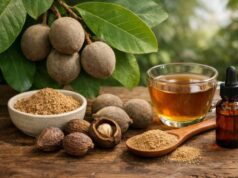
Black haw (Viburnum prunifolium) is a North American shrub whose bark has a long history in traditional herbalism for calming “tight” or cramping tissues—especially uterine cramping associated with menstruation. In modern terms, black haw is best understood as a gentle antispasmodic: it may help relax smooth muscle and ease discomfort that comes from spasms rather than inflammation alone. Herbalists also use it for occasional digestive cramping, muscle tension, and situations where stress seems to amplify body tightness.
What makes black haw distinctive is that it is not primarily a hormonal herb. Instead of “changing your cycle,” it is usually chosen for how it feels in the body—more like a softening, releasing effect. Still, its traditional reputation (including historical use in threatened miscarriage) can create confusion and risk, particularly for pregnant people. The safest approach is practical and conservative: use appropriate forms and doses, watch for sleepiness or stomach upset, and treat persistent pelvic pain as a reason to seek medical evaluation—not simply to increase herbal support.
Quick Facts for Black Haw
- May help ease menstrual cramping by relaxing uterine smooth muscle in some people.
- Use conservative doses; higher amounts can cause nausea, dizziness, or sleepiness.
- Typical adult range: 1–3 g/day of dried bark or 2–6 mL/day of tincture (split doses).
- Avoid self-treating pregnancy-related cramping; urgent medical assessment is safer.
- People on sedatives, blood pressure drugs, or anticoagulants should avoid or use only with clinician guidance.
Table of Contents
- What is black haw?
- Key ingredients and actions
- Does it help with cramps?
- How to use black haw
- How much black haw per day
- Side effects and interactions
- Research and evidence summary
What is black haw?
Black haw (Viburnum prunifolium) is a deciduous shrub or small tree native to the eastern United States. You may also see it called blackhaw viburnum, sweet haw, or stag bush. In herbal practice, the bark (sometimes specified as stem bark or root bark) is the part most often used medicinally. The berries are part of the plant’s ecology and traditional food uses in some regions, but they are not the main focus of modern supplements labeled “black haw.”
Black haw is commonly discussed alongside another viburnum: cramp bark (Viburnum opulus). They share a similar “muscle-relaxing” reputation, but they are not interchangeable. Their chemistry differs, and the market history includes cases where one bark is substituted for another. If you shop for bulk bark, correct labeling matters because dose and effect can feel different across species.
Traditionally, black haw was used for patterns of discomfort that were described as “spasmodic” or “irritable,” especially in the pelvic area. Today, that translates into a few practical use-cases:
- Menstrual cramping that feels gripping or radiating into the low back or thighs
- Cramping that worsens with stress, poor sleep, or dehydration
- Pelvic tightness accompanied by general muscle tension
- Occasional digestive spasm (less common than menstrual use)
It is helpful to set expectations early. Black haw is not typically used as a fast-acting painkiller. Think of it more as a tone-shifter: it may take the edge off tension and make cramps feel less “hard” or relentless. Many people notice it most when it is used at the right time—for example, at the first sign of cramping, or in the day leading into a predictable pattern.
Because black haw is linked so strongly to reproductive comfort, it is sometimes assumed to be “for women only.” That is not accurate. Smooth muscle spasm can show up in many contexts, and some herbalists use black haw in broader antispasmodic formulas. Still, most consumer interest centers on menstrual cramps, and that is where careful dosing, safety screening, and realistic outcomes matter most.
Key ingredients and actions
Black haw’s effects are usually described with three overlapping actions: antispasmodic (relaxing smooth muscle), mild sedative (easing nervous-system-driven tension), and astringent (tissue-toning, often felt as “drying” or tightening in the mouth). These actions come from a mix of compounds rather than a single “magic ingredient,” and the balance can shift depending on the plant part and extraction method.
Compounds most often discussed in Viburnum prunifolium include:
- Iridoid glycosides: a class of bitter plant compounds found in various medicinal herbs. In black haw, certain iridoids have been isolated and studied for relaxant and spasmolytic activity in laboratory models.
- Coumarins (including scopoletin in related viburnum discussions): coumarins are a broad family; some are studied for smooth muscle effects and inflammation-modulating pathways. They also raise an important safety point: “coumarin-containing plant” does not automatically equal “blood thinner,” but it is a reason to be cautious with anticoagulant medications.
- Tannins: responsible for much of the astringent taste. Tannins can bind proteins and may influence gut comfort for some people, but they can also irritate sensitive stomachs when taken on an empty stomach.
- Flavonoids and phenolic acids: often discussed in relation to antioxidant activity across the viburnum genus. These are supportive compounds, but antioxidant labels should not be confused with proven clinical outcomes.
- Triterpenes and other lipophilic constituents: present in many barks; they may contribute to anti-inflammatory signaling and general “tonic” properties.
So what do these ingredients “do” in real-world use? A grounded way to explain black haw is that it may help interrupt a loop between the nervous system and smooth muscle. When the body is stressed or sleep-deprived, cramping can feel more intense and more reactive. An herb with both antispasmodic and mild calming effects can feel like it’s turning down the volume.
Black haw is also a reminder that preparation matters. A strong alcohol tincture may extract different proportions of compounds than a water decoction. Capsules may be made from whole bark powder (less concentrated) or from an extract (more concentrated). Because products vary, two people can take “black haw” and have very different experiences.
If you have used herbal teas without effect, a tincture or standardized extract may be more noticeable—but that also increases the importance of dosing and safety screening, especially if you are sensitive to sedation, low blood pressure, or gastrointestinal irritation.
Does it help with cramps?
Black haw is most often used for cramps driven by spasm, especially uterine cramping during menstruation. The best-case scenario is not “no pain at all,” but a change in the quality of the pain—less gripping, less radiating, and easier to ride out with basic supports like heat, hydration, and rest.
Many people with primary dysmenorrhea (menstrual cramps without an underlying condition) describe cramps as waves of tightness that peak and release. This is the pattern where antispasmodic herbs are most commonly tried. Black haw may be considered when cramps:
- Start with a clear “tightening” sensation
- Worsen under stress or after poor sleep
- Come with pelvic heaviness and low-back tension
- Are predictable month-to-month (which makes timing strategies easier)
What black haw is less likely to do is address pain that is driven by a structural or inflammatory condition, such as endometriosis, fibroids, pelvic infection, or ovarian cysts. Herbs can still provide supportive comfort, but the priority becomes evaluation and appropriate treatment. Seek medical care promptly if you have new severe pain, fainting, fever, unusually heavy bleeding, bleeding between periods, or pain that steadily worsens over months.
Black haw is often compared to other antispasmodic herbs, particularly cramp bark. While they are distinct plants, they share a similar “uterine relaxant” niche. If you want a close relative for comparison, cramp bark antispasmodic overview can help you understand why viburnum barks are grouped together and how people typically use them.
Beyond menstrual cramping, black haw is sometimes used for:
- Occasional digestive spasm, especially when stress tightens the gut
- General muscle tension (though many people prefer magnesium, stretching, or targeted muscle relaxants here)
- Tension that feels “wired and tight”, where mild calming plus smooth muscle relaxation feels relevant
A practical way to judge usefulness is to track a few outcomes over two cycles:
- Pain intensity at peak (0–10 scale)
- Time to noticeable relief after dosing (minutes vs hours)
- Need for rescue support (heat, NSAIDs, rest)
- Side effects (sleepiness, nausea, dizziness)
If your cramping improves modestly without unwanted sedation or stomach upset, black haw may be a reasonable tool. If you need escalating doses to get a small effect, it is usually better to reassess the strategy rather than pushing harder.
How to use black haw
Black haw is used in several forms, and the “best” form depends on your goal, sensitivity, and how predictable your cramping pattern is. If you are trying to use it for menstrual cramps, consistency and timing often matter as much as the product itself.
Common forms include:
- Tincture (alcohol extract): often the most practical for acute cramping because it is easy to dose in small increments and tends to be absorbed quickly.
- Capsules (powder or extract): convenient for routine use, especially if you prefer not to taste bitter bark.
- Decoction (simmered bark tea): traditional and affordable, but harder to dose precisely and more time-intensive.
- Combination formulas: black haw is frequently paired with other calming or antispasmodic herbs.
If you choose a decoction, a simple approach is:
- Use cut-and-sifted bark rather than powdered bark (powder can be gritty and overly strong).
- Add the bark to cool water, then bring to a gentle simmer.
- Simmer 10–15 minutes, then steep another 10 minutes off heat.
- Strain and sip slowly.
For menstrual cramping, many people do best with a timing strategy rather than “random use.” Two common approaches are:
- At first signs: dose when you first feel tightness, then repeat in smaller doses as needed.
- Pre-emptive support: start low-dose use the day before expected cramps if your pattern is very consistent.
Because black haw is not primarily a hormone-modulating herb, it is sometimes paired with cycle-support herbs aimed at PMS patterns, mood shifts, or breast tenderness. If that is your situation, chaste tree for cycle-related symptoms is one example people explore—though it works through a different pathway than black haw.
Quality tips when buying black haw:
- Prefer products that specify plant part (bark) and offer a clear extract ratio if applicable.
- Avoid blends that hide amounts in “proprietary” mixes if you need predictable dosing.
- If using bulk bark, store it dry and discard it if it smells musty or shows signs of mold.
Finally, build a complete comfort plan. Black haw tends to work best when paired with basics that reduce cramp triggers: hydration, magnesium-rich foods, heat therapy, gentle movement, and consistent sleep.
How much black haw per day
There is no single universally accepted dose for black haw because products vary (powder vs tincture vs extract), and modern human trials are limited. Still, a conservative dosing range can be used as a practical starting point, with adjustments based on response and side effects.
Typical adult ranges used in herbal practice:
- Dried bark (powder or cut bark): 1–3 g/day, often split into 2–3 doses
- Decoction: made from about 2–4 g of bark per day total, sipped in divided servings
- Tincture (common ratios such as 1:5): 2–6 mL/day total, split into 2–3 doses
- Standardized extract capsules: often 250–500 mg per dose, 1–2 times daily (follow label guidance and start at the low end)
For acute cramping, many people use a short-term pattern:
- Take a moderate first dose at the first sign of cramping.
- Reassess after 60–90 minutes.
- If needed, repeat a smaller dose rather than stacking large doses quickly.
For predictable monthly cramps, a two-step plan often works better than high dosing:
- Pre-cycle support: low dose starting 12–24 hours before expected cramping (optional).
- Peak-day support: split doses during the day cramps typically peak.
A key variable is sedation. If you feel sleepy or mentally slowed, reduce the dose, spread it out, or reserve use for evening cramps. Another variable is stomach sensitivity. If the bark feels rough on your stomach, take it with food or switch from decoction to a tincture diluted in water.
Do not overlook foundational supports that reduce cramp intensity over time. Adequate magnesium intake is a common focus because magnesium is involved in muscle relaxation and nerve signaling. If you want to review practical targets, magnesium daily intake for muscle function can be a helpful companion topic—especially if cramps come with calf tightness, eyelid twitching, or stress-driven tension.
When to stop self-dosing and seek guidance:
- You need steadily increasing amounts to get the same effect
- You develop dizziness, faintness, or heart palpitations
- Pelvic pain becomes severe, new, or disruptive across multiple cycles
- You are trying to use black haw during pregnancy or postpartum recovery
A safe rule is to trial black haw for two cycles at conservative doses. If you do not see meaningful improvement, it is usually better to change strategy than to escalate.
Side effects and interactions
Black haw is often described as “gentle,” but safety still depends on dose, individual sensitivity, and medication profile. Because research is limited, the safest approach is to treat black haw as a focused tool for short-term spasm support rather than a high-dose daily supplement for months.
Potential side effects include:
- Nausea or stomach upset, especially with strong decoctions or empty-stomach dosing
- Dizziness or lightheadedness, more likely if you are prone to low blood pressure
- Sleepiness or slowed reaction time, particularly at higher doses or when combined with other calming herbs
- Dry, astringent mouth feel, which some people experience as thirst or “tightness” in the mouth
Who should avoid black haw or use only with clinician guidance:
- Pregnant people: black haw has a historical reputation for miscarriage prevention, but that is exactly why self-treatment is risky. Cramping or bleeding in pregnancy needs medical evaluation, not escalating herbs.
- Breastfeeding people: safety data is limited, so professional guidance is important.
- People taking sedatives (benzodiazepines, sleep medications) or other strongly calming supplements, due to additive sleepiness.
- People on blood pressure medications or with symptomatic low blood pressure.
- People on anticoagulants or antiplatelet drugs: while black haw is not the same as pharmaceutical blood thinners, cautious spacing and medical guidance are prudent given the broader coumarin and polyphenol context in medicinal plants.
Interaction risk also rises when black haw is combined with pain-relief botanicals that affect bleeding risk or the stomach lining. If you are comparing options, willow bark pain-relief considerations is a useful example of why “natural pain relief” still requires medication-style thinking, especially around ulcers, surgery, and anticoagulants.
Practical safety guardrails:
- Start low and increase slowly only if needed.
- Avoid driving or risky tasks until you know whether it makes you sleepy.
- Stop at least two weeks before surgery, unless your surgical team advises otherwise.
- Use extra caution if you have unexplained bruising, bleeding disorders, or heavy menstrual bleeding.
Seek urgent medical care if you experience severe dizziness, fainting, chest pain, shortness of breath, facial swelling, or signs of a serious allergic reaction. For pelvic pain, the red flags are fever, one-sided severe pain, fainting, sudden heavy bleeding, or pregnancy-related bleeding—these should not be managed at home with herbs alone.
Research and evidence summary
Black haw sits in a familiar herbal pattern: strong traditional use, promising mechanistic clues, and limited modern clinical trials. That does not make it ineffective, but it does mean you should be careful with big claims—especially claims that imply treatment of gynecologic conditions without medical evaluation.
What the evidence supports most clearly is a plausible antispasmodic pathway. Laboratory research on Viburnum prunifolium has identified constituents (including specific iridoid glycosides) that show relaxant and spasmolytic effects in experimental tissue models. This aligns with how herbalists describe black haw in practice: a tool for smooth muscle tension rather than a hormone-altering agent.
At the same time, translating “relaxes isolated tissue” into “reliably reduces menstrual pain in people” requires clinical trials—ideally randomized, controlled, and using standardized preparations. Those trials are scarce. Reviews of the broader viburnum genus discuss traditional use for cramps and menstrual discomfort, but also highlight the gap in direct human evidence and the need for clearer safety and efficacy data.
An important nuance is that mechanisms may differ across barks and across species. Some research on medicinal barks used in traditional contexts has explored potassium-channel pathways involved in smooth muscle relaxation. Interestingly, black haw bark does not always behave like other barks in those screening models, which suggests that “antispasmodic” can arise through more than one biochemical route. In everyday terms, this reinforces two practical points: product variability matters, and individual response matters.
So how should a reader interpret the current evidence?
- Black haw is best viewed as supportive care for spasm-like discomfort, not as a primary treatment for disease.
- The most reasonable claims are modest: “may help reduce cramp intensity” or “may help the body relax smooth muscle tension.”
- The safest use pattern is short-term, symptom-targeted dosing with attention to sedation and stomach tolerance.
- If cramps are severe, worsening, or accompanied by red flags, the evidence strongly favors medical evaluation over higher herbal dosing.
A balanced conclusion is that black haw remains a credible traditional antispasmodic with mechanistic support, but it has not yet earned the level of confidence that comes from robust human trials. Used wisely and conservatively, it may be a helpful part of a broader cramps plan—especially for people whose discomfort feels strongly “spasm-driven.”
References
- Genus Viburnum: Therapeutic Potentialities and Agro-Food-Pharma Applications – PMC 2021 (Review)
- KCNQ5 activation by tannins mediates vasorelaxant effects of barks used in Native American botanical medicine – PMC 2022
- AHPA updates eight entries to the online Botanical Safety Handbook 2nd Ed. in first 2022 release 2022 (Position Update)
- In vitro relaxant and spasmolytic effects of constituents from Viburnum prunifolium and HPLC quantification of the bioactive isolated iridoids – PubMed 2009
- Botanicals and Their Bioactive Phytochemicals for Women’s Health – PMC 2016 (Review)
Disclaimer
This article is for educational purposes only and does not provide medical advice, diagnosis, or treatment. Herbal products can vary widely in strength and purity, and natural substances may cause side effects or interact with medications. If you are pregnant, breastfeeding, have a medical condition, or take prescription drugs (especially sedatives, blood pressure medicines, or anticoagulants/antiplatelet drugs), consult a qualified healthcare professional before using black haw or any concentrated botanical extract. Seek urgent medical care for severe pelvic pain, fainting, fever, sudden heavy bleeding, chest pain, trouble breathing, or signs of a serious allergic reaction.
If you found this guide helpful, please share it on Facebook, X (formerly Twitter), or your preferred platform so others can make safer, more informed choices.