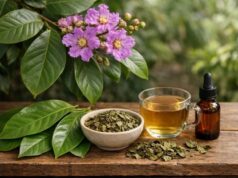
Black horehound (Ballota nigra) is a strongly aromatic herb in the mint family, known as much for its distinctive, musky odor as for its traditional role in digestive and “nervous stomach” support. Herbalists have long reached for it when nausea feels tied to stress, motion, or migraine patterns, and when digestive discomfort shows up as spasms, cramping, or a tight, unsettled feeling after meals. In smaller amounts, black horehound is often described as mildly calming, which helps explain why it appears in formulas aimed at tension that sits in the gut.
Modern interest focuses on its bitter principles and polyphenols, plus specialized diterpenes found across the Ballota genus. Still, the evidence base is uneven: tradition is strong, while high-quality human trials are limited. That makes practical decision-making—choosing a sensible dose, using it for the right time window, and knowing who should avoid it—especially important. Used thoughtfully, black horehound can be a useful short-term tool, not a cure-all.
Quick Overview
- Black horehound is most often used short-term for nausea, vomiting, and digestive spasms, especially when symptoms feel stress-related.
- Some people find it gently calming, which may help “nervous dyspepsia” patterns that combine tension and stomach upset.
- Typical adult range: 0.3–12 g/day dried aerial parts (total), adjusted by form and tolerance.
- Avoid in pregnancy, and use extra caution with sedatives, alcohol, or other calming herbs due to possible additive drowsiness.
- People with severe or persistent vomiting, dehydration risk, or unexplained abdominal pain should avoid self-treatment and seek medical care.
Table of Contents
- What is black horehound?
- Key ingredients and actions
- What might it help with?
- How to use black horehound
- How much black horehound per day?
- Safety and who should avoid
- What does the evidence say?
What is black horehound?
Black horehound (Ballota nigra) is a perennial herb in the Lamiaceae (mint) family. Like many mints, it has square-ish stems and opposite leaves, and it produces small, clustered flowers that can range from pinkish to purple. What sets it apart is its powerful smell when bruised—often described as earthy, musky, or “foetid.” That scent is not a flaw; it reflects a complex mix of plant compounds that evolved partly for defense and partly to attract specific pollinators.
Common names and common confusion
The word “horehound” causes confusion because it is used for more than one plant. Black horehound (Ballota nigra) is not the same as white horehound (Marrubium vulgare). They share a family and a traditional history, but they taste different, smell different, and show up in different types of formulas. White horehound is best known in classic cough preparations, while black horehound is more often discussed for nausea, digestive spasm, and the uneasy “nervous stomach” pattern.
Parts used in herbal practice
Most preparations use the aerial parts (leafy tops and flowering portions). This matters because “roots vs tops” can change the balance of bitter compounds, phenolics, and aromatic components. In practical terms, teas and tinctures almost always rely on the above-ground herb. Capsules may contain powdered aerial parts or dry extracts, and labels should clarify which.
Traditional use in plain language
Historically, black horehound has been used in a few overlapping ways:
- As an antiemetic for nausea and vomiting, especially when the trigger is motion, stress, or migraine-like patterns
- As an antispasmodic for digestive cramping, tightness, or “spasm-y” discomfort
- As a mild calming herb when tension is feeding digestive upset
- Less commonly, in topical traditions for minor skin irritation
The key is to match the herb to the pattern. Black horehound is rarely a “daily tonic.” It is more often used for short periods, aimed at a specific, time-limited problem.
Key ingredients and actions
Black horehound’s effects are best understood as a layered profile rather than one “magic” molecule. Different batches, harvest times, and preparations can shift the chemistry, which helps explain why people sometimes report different experiences with the same herb.
Bitter principles and digestive signaling
Black horehound is notably bitter. Bitter taste is not just a flavor—it can stimulate reflexes that support digestion, including saliva production and early “get ready to digest” signaling. For some people, that bitter edge helps when nausea comes with heaviness, slow digestion, or fullness after meals. For others, bitterness can be too intense and may worsen queasiness if taken on an empty stomach. This is why dosing strategy matters as much as dose size.
Polyphenols and phenylpropanoid glycosides
The aerial parts contain polyphenols, including phenylpropanoid glycosides that are common in several mint-family plants. These compounds are often studied for antioxidant behavior and their ability to influence inflammatory signaling in laboratory settings. In real-life use, they may contribute to the “settling” feel some people notice—especially when nausea is paired with irritation, stress load, or a tight, reactive stomach.
Diterpenes and genus-specific markers
Across the Ballota genus, researchers describe distinctive diterpenes that help classify species and may contribute to biological activity. These are not water-soluble “tea compounds” in the same way as many polyphenols, which means extracts can differ from infusions in meaningful ways. For consumers, the practical takeaway is simple: a tea can feel gentler and more immediate, while an extract can feel stronger and more “pharmacologic,” especially regarding drowsiness or stomach sensitivity.
Volatile components and odor chemistry
The strong smell of black horehound points to volatile constituents. Volatiles can affect sensory pathways that feed into nausea (smell and taste are tightly connected to the vomiting reflex). That can cut both ways: some people find the odor grounding and helpful, while others feel more nauseated by it. If scent is a trigger for you, capsules or a diluted tincture may be a better entry point than tea.
What might it help with?
Black horehound is best thought of as a short-term herb for specific symptom patterns, not a general wellness supplement. Its traditional strengths cluster around nausea, digestive spasm, and the overlap between stress and stomach function.
Nausea and vomiting support
Traditional use often emphasizes nausea that feels “central” or stress-linked—such as motion sickness, migraine-associated nausea, or the unsettled stomach that comes with anxiety. In those cases, people may use black horehound before a known trigger (like travel) or at the first sign of queasiness.
It is not a substitute for medical care when vomiting is severe or persistent. If you cannot keep fluids down, have signs of dehydration, vomit blood, or have intense abdominal pain, self-treatment is not the right next step.
Digestive spasms and nervous dyspepsia
Some people experience digestive discomfort as gripping, cramping, or a “tight knot” feeling rather than classic heartburn. Black horehound is traditionally used in that spasm-forward pattern, especially when stress clearly worsens symptoms. In practice, this may look like taking a small dose after meals or during a flare, rather than around the clock.
Tension and mild calming effects
Black horehound is sometimes described as mildly calming. This matters because nausea often has a nervous system component: worry, sensory overload, and poor sleep can all lower the threshold for nausea and gut reactivity. If you notice that calming the body reduces stomach symptoms, black horehound may fit your pattern—provided you tolerate its bitterness and scent.
How it compares to common alternatives
For simple nausea without a strong “nervous stomach” component, many people start with ginger. If you want a comparison point for dosing styles and tolerance, see ginger extract benefits and dosage. Black horehound is often chosen when ginger is not enough, when nausea is strongly tied to tension, or when cramping and spasm are part of the picture.
How to use black horehound
Black horehound can be used as a tea, tincture, or capsule. The best choice depends on your symptom trigger, your sensitivity to taste and smell, and how quickly you need effects.
Tea for gentle, adjustable dosing
Tea is useful when you want a slower, more adjustable approach. Because black horehound can be intense, many people do better starting weak and building only if needed.
A practical tea method:
- Start with 1 to 2 g of dried aerial parts in a mug.
- Pour hot water over the herb and cover the mug.
- Steep 10 to 15 minutes, then strain.
- Sip slowly rather than drinking quickly.
If the odor is a problem, brew it in a covered container and drink it warm rather than piping hot. If bitterness worsens nausea, take it with a small snack (plain crackers or toast) instead of on an empty stomach.
Tinctures for nausea triggers and convenience
A tincture (alcohol-water extract) can be practical for travel or sudden nausea. Many people find small, frequent doses more tolerable than a large single dose. If you are sensitive to alcohol, you can dilute a measured dose into warm water and let it sit a few minutes to reduce the alcohol burn, while still keeping the dosing convenient.
Capsules when taste is a barrier
Capsules are often preferred by people who cannot tolerate the smell or bitterness. They may also reduce the “sensory nausea” problem where taste and scent amplify symptoms. The trade-off is that capsules are less adjustable in the moment, and they can feel stronger if the product is a concentrated extract.
Simple pairing strategy
If your main issue is cramping or digestive spasm, some people pair black horehound with gentler, familiar carminatives. A common reference point is peppermint for digestive comfort. The practical rule is to change one variable at a time: add or remove only one herb every few days so you can tell what helps and what irritates.
How much black horehound per day?
Black horehound dosing depends on the form and on your goal. For nausea and spasm patterns, the best results often come from moderate doses used at the right time rather than high doses used continuously.
Typical adult ranges by form
Common total daily ranges for adults using dried aerial parts fall roughly between 0.3 and 12 g per day, with the wide span reflecting different preparations and traditions. Many people do not need the upper end.
Practical starting points:
- Tea: 1 to 2 g per cup, 1 to 3 cups per day
- Stronger tea (short-term): up to 3 g per cup, up to 3 cups per day if well tolerated
- Powder in capsules: commonly 500 to 1,000 mg per dose, 1 to 3 times daily (product-dependent)
- Tincture: often taken in small measured doses (for example, 1 to 2 mL), repeated as needed up to a few times daily
Because tinctures and extracts vary in concentration, the label matters. A “dropperful” is not a standard unit across brands. If the label provides an herb-equivalent (for example, “equivalent to X grams of dried herb”), use that to keep your total daily intake within a reasonable range.
Timing strategies that match real use
- Motion sickness: consider a small dose 30 to 60 minutes before travel, then repeat if symptoms build.
- Migraine-associated nausea: small, early doses are often better tolerated than waiting until nausea is severe.
- Digestive spasms: a dose shortly after meals or at the first sign of cramping can be more useful than late dosing.
How long to use it
Black horehound is usually a short-term herb. For most self-care situations, a window of several days up to two weeks is a reasonable starting boundary. If symptoms persist beyond that, your safest next step is to reassess the cause rather than escalating dose. Persistent nausea, repeated vomiting, or recurring abdominal cramping deserves evaluation, even if an herb provides partial relief.
Safety and who should avoid
Black horehound is not considered a “high-risk” herb for most healthy adults when used short-term, but several safety points matter—especially around pregnancy and sedating combinations.
Who should avoid black horehound
Avoid medicinal use if you are:
- Pregnant (traditional cautions exist, and safety data are not strong enough to justify routine use)
- Breastfeeding (use only with clinician guidance)
- A child or young teen (medicinal dosing is generally not recommended without professional input)
- Allergic to plants in the mint family (Lamiaceae) or prone to strong plant allergies
If you have severe or persistent vomiting, signs of dehydration, unexplained weight loss, black stools, vomiting blood, severe abdominal pain, or fever, do not self-treat. Those red flags require medical evaluation.
Possible side effects
Side effects are usually dose-related and may include:
- Drowsiness or slowed reaction time
- Stomach upset (especially if taken on an empty stomach)
- Headache or lightheadedness in sensitive individuals
- Worsening nausea if the odor or bitterness is a trigger
If you feel sedated, avoid driving and activities that require quick reflexes until you know how you respond.
Interactions and combination cautions
Be cautious if you use:
- Alcohol, sleep medications, benzodiazepines, or other sedatives (possible additive drowsiness)
- Multiple calming herbs at the same time (stacking can be subtle but meaningful)
If you are already using gentle calming supports—such as passionflower for stress and sleep—introduce black horehound carefully and start at the low end. The goal is not to “knock yourself out,” but to take the edge off nausea or spasms without impairing function.
When to stop
Stop use if you develop a rash, swelling, wheezing, severe dizziness, or worsening GI symptoms. If symptoms improve, taper down rather than staying on the same dose out of habit. With black horehound, the safest pattern is purposeful, time-limited use.
What does the evidence say?
Black horehound has a long history of use, but modern evidence is mixed in quality and depth. Understanding what is well supported—and what is still speculative—helps you use the herb with realistic expectations.
What is relatively well supported
- Traditional use for nausea, vomiting, and digestive spasm is consistent across herbal sources and modern monograph-style summaries.
- Chemical studies confirm the presence of polyphenols and genus-typical diterpenes that plausibly relate to anti-inflammatory signaling and smooth-muscle or nervous-system effects.
- Some older mechanistic work suggests interactions with receptor pathways associated with calming effects, which fits the “nervous stomach” tradition.
These points support why black horehound remains a common choice in Western herbalism for nausea patterns that overlap with stress and tension.
Where the evidence is limited
High-quality human trials are not abundant. Many studies are laboratory-based (cell or animal models) or focus on chemical profiling rather than clinical outcomes. That does not mean the herb is ineffective; it means certainty is limited. For a symptom like nausea, where placebo effects and expectation can strongly shape outcomes, robust human trials matter.
How to interpret real-world results
If black horehound helps you, it usually shows up in one of two ways:
- Nausea becomes less frequent or less intense, especially around known triggers.
- Digestive cramping or “tight stomach” sensations loosen, and eating becomes easier.
If you see neither within a short, sensible window, escalating dose is rarely the best move. Instead, reassess: Is this nausea from infection, medication side effects, reflux, vestibular issues, pregnancy, or migraine? Each has a different best approach.
Choosing smart alternatives when needed
If your primary issue is cramping—especially menstrual-type spasm—an herb with a clearer antispasmodic identity may fit better than black horehound alone. For a comparison point, see cramp bark antispasmodic support. Black horehound can still be useful when nausea and tension are also in the picture, but it is not the only tool.
References
- NATURAL HEALTH PRODUCT BLACK HOREHOUND – BALLOTA NIGRA 2025 (Monograph).
- Determination of the Absolute Configuration of Ballonigrin Lactone A Using Density Functional Theory Calculations – PubMed 2023 (Research Article). ([PubMed][1])
- Mild Salinity Stimulates Biochemical Activities and Metabolites Associated with Anticancer Activities in Black Horehound (Ballota nigra L.) | MDPI 2021 (Phytochemical Study). ([MDPI][2])
- Neurosedative and antioxidant activities of phenylpropanoids from ballota nigra – PubMed 2000 (Mechanistic Study). ([PubMed][3])
- A review on traditional uses, phytochemistry and pharmacological activities of the genus Ballota – PubMed 2019 (Review). ([PubMed][4])
Disclaimer
This article is for educational purposes and does not replace medical advice, diagnosis, or treatment. Herbs can cause side effects and may interact with medications, especially sedatives, alcohol, and therapies that affect alertness. Do not self-treat severe or persistent vomiting, dehydration, unexplained abdominal pain, black or bloody stools, fever, or rapidly worsening symptoms—seek medical care. If you are pregnant, breastfeeding, managing a chronic condition, or considering black horehound for a child, consult a qualified clinician before use.
If you found this guide useful, consider sharing it on Facebook, X (formerly Twitter), or your preferred platform to help others make safer, better-informed choices.