Blackberry (Rubus fruticosus) is more than a summer fruit: it is a nutrient-dense berry and a traditional herbal ally, using both the sweet, dark fruit and the tannin-rich leaves. As a food, blackberries are valued for fiber, vitamin C, and deeply colored polyphenols that support everyday cardiometabolic and gut health. As an herbal preparation, blackberry leaf is best known for its astringent, “tightening” action—often used short term for loose stools and as a soothing rinse for the mouth and throat.
What makes blackberry especially interesting is how its compounds behave in the body. Anthocyanins give the fruit its color and antioxidant activity, while ellagitannins can be transformed by gut microbes into metabolites that may support cellular resilience. Still, the most reliable benefits come from consistent dietary use rather than high-dose expectations. Like many botanicals, blackberry works best when matched to the right form, dose, and goal—while respecting safety for sensitive groups.
Top Highlights
- Regular blackberry intake can support heart and metabolic health through fiber and polyphenols.
- Blackberry leaf tea may help with occasional loose stools when used short term.
- Typical food intake is 75–150 g per day (about 1/2–1 cup), while leaf tea often uses 1.5–3 g per cup.
- Avoid blackberry leaf products during pregnancy and breastfeeding, and use caution with liver, kidney, or iron-related concerns.
Table of Contents
- What is blackberry?
- Key ingredients and medicinal properties
- Health benefits and realistic outcomes
- How to use blackberry
- How much blackberry per day?
- Side effects and who should avoid
- What the evidence actually says
What is blackberry?
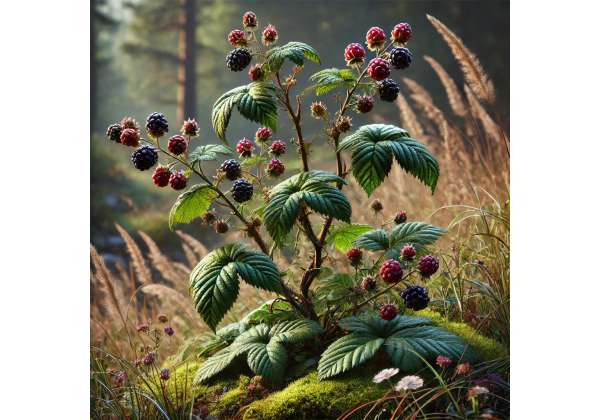
Blackberry is the common name for several closely related bramble plants in the Rubus genus, with Rubus fruticosus often used as the traditional botanical label—especially in Europe—though “blackberry” can refer to a complex of species. The plants are hardy, thorny (or sometimes thornless in cultivated varieties), and produce clusters of small drupelets that ripen from red to deep purple-black. This ripening shift is not just visual; it often reflects changes in acidity, sugar balance, and polyphenol profile.
From a wellness perspective, blackberry has two main “personalities,” depending on the part used:
- Fruit (food use): The berry is primarily a nutritional and functional food. It provides water, carbohydrates, and fiber, plus a concentrated mix of pigments and polyphenols. In everyday terms, the fruit supports digestion regularity, post-meal satisfaction, and antioxidant intake—especially when eaten in place of refined snacks or desserts.
- Leaf (herbal use): The leaves are rich in tannins and are traditionally prepared as a tea (infusion) or a stronger decoction for short-term, targeted use. This is where blackberry behaves less like a fruit and more like an herb: drying, astringent, and supportive for certain mucosal tissues.
There is also occasional traditional use of root bark, but it is far less common in modern self-care compared with fruit and leaf. If you are buying “blackberry” products, the label should tell you which part is used. Blackberry fruit powder is not interchangeable with blackberry leaf tea, and a “blackberry extract” can vary widely in strength, plant part, and standardization.
In the kitchen, blackberries are used fresh, frozen, dried, or as juice and preserves. Frozen berries are often an underrated option because freezing locks in freshness and makes it easier to eat berries consistently. If you enjoy comparing dark berries, blackberry is often discussed alongside mulberry nutrition and health uses, but they differ in taste, sugar profile, and the specific polyphenols that tend to dominate.
As a practical starting point: treat blackberry fruit as a daily or near-daily food, and treat blackberry leaf as an occasional, short-term herbal tool.
Key ingredients and medicinal properties
Blackberry’s health appeal comes from a layered mix of nutrients and phytochemicals. The fruit and leaves overlap in some compounds, but their “feel” is different: the fruit is nourishing and fiber-rich, while the leaf is tannin-forward and astringent.
Fruit nutrients that matter most
- Fiber and pectin: Blackberry is notably fiber-rich for a fruit. That fiber supports bowel regularity, feeds beneficial gut microbes, and can soften post-meal glucose peaks by slowing digestion. Pectin, a soluble fiber, also helps explain blackberry’s satisfying texture and its traditional role in jams.
- Vitamin C and minerals: Blackberries contribute vitamin C, plus minerals such as manganese (important for enzymes involved in metabolism and antioxidant defenses). The amounts are meaningful as part of a varied diet, even if blackberries are not your only source.
- Organic acids: Natural acids help blackberry taste bright and can influence how it pairs with dairy, grains, and sweeteners.
Polyphenols and pigments
- Anthocyanins: These are the pigments responsible for blackberry’s deep purple-black color. Anthocyanins are often used as a shorthand for “antioxidant berries,” but their most important role may be how they influence vascular function, inflammation signaling, and oxidative balance in tissues—not just their test-tube antioxidant score.
- Ellagitannins and ellagic acid: These compounds are especially interesting because they can be transformed by certain gut microbes into metabolites called urolithins. Not everyone produces urolithins to the same degree, which may be one reason people respond differently to the same berry intake.
- Flavonols and phenolic acids: These support blackberry’s broader anti-inflammatory and protective reputation, particularly when the fruit is eaten regularly rather than occasionally.
Leaf compounds and astringent action
Blackberry leaf is high in tannins, which bind to proteins and create a tightening, drying sensation. In practice, this is why leaf tea is used for occasional loose stools and as a mouth or throat rinse. It is also why long-term, high-dose leaf use can be counterproductive for people prone to constipation or low iron.
If you want a helpful comparison point for berry pigments, bilberry’s anthocyanin-rich profile is often discussed in similar antioxidant and circulation conversations, although each berry has its own compound “signature.”
The simplest way to remember blackberry chemistry is: fruit supports long-term nourishment and microbial diversity; leaf supports short-term astringent relief.
Health benefits and realistic outcomes
Blackberry benefits are most reliable when you think in patterns rather than promises. A bowl of berries will not “detox” you overnight, but regular blackberry intake can meaningfully improve the quality of your diet—especially when it replaces refined snacks and helps you hit fiber targets.
Cardiometabolic support
Blackberries combine fiber with polyphenols, a pairing that fits well with heart and metabolic health goals. Practically, that may look like better post-meal satisfaction, fewer cravings for sweets, and improved diet consistency. Over time, diets that include berries are commonly associated with healthier vascular function and inflammation balance, though outcomes depend on the overall diet context.
Digestive regularity and gut microbiome
The fruit’s fiber helps stool bulk and regularity, while polyphenols interact with gut microbes. Many berry polyphenols behave like “selective fuels,” encouraging certain microbial pathways. A useful expectation is not “a probiotic effect,” but a gradual improvement in digestive steadiness—especially when blackberries are part of a broader fiber pattern.
If your main goal is increasing fiber and improving stool consistency, it can help to compare food-based fiber with targeted options like psyllium husk dosing strategies. Psyllium is not a replacement for berries, but it can be useful when food intake is inconsistent or when a clinician has recommended a specific fiber approach.
Antioxidant and recovery support
Blackberries are often chosen for “antioxidants,” but the most realistic benefit is supporting the body’s normal resilience—especially in people whose diets are low in colorful produce. For physically active individuals, berries may support recovery through inflammation-modulating pathways, though the magnitude is usually modest.
Cognitive and healthy aging interest
Because anthocyanins and related compounds are studied in brain and vascular contexts, berries are often discussed in cognitive aging conversations. With blackberries specifically, it is reasonable to think of them as one small part of a brain-supportive pattern: consistent produce, omega-3 fats, sleep, movement, and blood pressure control.
Blackberry leaf: short-term herbal benefits
Leaf tea is traditionally used for occasional loose stools and for mouth or throat comfort as a rinse. Here, “realistic outcomes” means mild support, short-term use, and a focus on symptom relief—not treatment of persistent gastrointestinal disease.
Overall, blackberry works best as a steady, enjoyable habit: a daily food for long-term benefits, and a leaf preparation for targeted, short-term needs.
How to use blackberry
Blackberry is unusually versatile because you can use it as a daily food, a functional ingredient, or a short-term herbal tea (leaf). The best approach depends on your goal and your tolerance for tartness and seeds.
Fruit: simple ways to get consistent intake
- Fresh or frozen bowl: Add blackberries to yogurt, oats, or cottage cheese. Pairing berries with protein and fat often improves satiety and reduces the urge for added sugar.
- Smoothies (with a fiber mindset): Use whole berries rather than juice. If texture is an issue, blend longer or strain occasionally—but remember that straining removes much of the fiber.
- Frozen “dessert swap”: Frozen blackberries with a small drizzle of honey or a dusting of cinnamon can replace ice cream more often than you might expect.
- Savory uses: Blackberries work well in vinaigrettes, pan sauces, or salads. Their acidity can brighten heavier meals.
Powders and extracts
Blackberry powders vary widely. Some are simply freeze-dried whole fruit ground into powder; others are extracts that concentrate specific polyphenols. When choosing a powder:
- Prefer products that specify “freeze-dried whole blackberry” and list grams per serving.
- Avoid products that hide amounts in proprietary blends.
- Use powders as a convenience tool, not as a substitute for all fruit intake.
Leaf tea and mouth rinse (traditional herbal use)
Blackberry leaf tea is typically used short term:
- Tea for occasional loose stools: A mild infusion can be taken for a day or two, while also focusing on hydration and gentle foods.
- Gargle or rinse: A stronger infusion, cooled, can be used as a mouth rinse for temporary comfort.
Because leaf preparations are tannin-rich, they can feel drying. If you notice constipation, stomach discomfort, or a “tight” feeling that does not suit you, reduce strength or stop.
Storage and preparation tips
- Choose frozen for consistency: Frozen berries are often picked ripe and frozen quickly, making them a practical year-round staple.
- Minimize prolonged high heat: Gentle cooking is fine, but long simmering can reduce certain heat-sensitive compounds.
- Mind the seeds: Seeds contribute fiber and texture, but some people with sensitive digestion do better with smaller portions or blended forms.
A useful rule is to choose the simplest form that fits your life: whole fruit for daily nourishment, powder for convenience, and leaf tea only when you have a specific, short-term need.
How much blackberry per day?
Blackberry dosing depends on whether you mean the fruit (food) or the leaf (herbal tea). Food-based intake is generally the most evidence-aligned and safest long term, while leaf use is best kept short term and purpose-driven.
Fruit intake for daily health
A practical, realistic range for most adults is:
- 75–150 g per day (about 1/2–1 cup) as a steady habit
- Up to 2 cups per day can be reasonable for many people if it fits your digestion and overall carbohydrate needs
If you are increasing berry intake from near zero, start with 1/2 cup daily for a week and assess digestion. Berries are fiber-rich, and “too much too fast” can cause gas or bloating in sensitive people.
Powdered blackberry
Powders are best used as a serving-equivalent tool:
- 5–15 g per day of freeze-dried whole-fruit powder is a common practical range (often mixed into yogurt or smoothies)
- If the product is an extract rather than whole fruit, follow label directions and avoid stacking multiple extracts
When converting powder to whole fruit in your mind, remember that freeze-drying concentrates volume. A small scoop can represent a significant portion of berries.
Blackberry leaf tea
For occasional, short-term use, common traditional preparation looks like this:
- 1.5–3 g dried leaves (often about 1–2 teaspoons, depending on cut and density) in 250 mL hot water
- Steep 10–15 minutes, then strain
- Use 1–3 cups per day for 1–3 days for occasional loose stools, then reassess
For a mouth rinse, some people prepare a slightly stronger infusion, cool it fully, and use it as a gargle. Do not treat this as a substitute for dental care when symptoms persist.
Timing and duration
- Fruit: anytime; pairing with meals often improves satiety and glucose steadiness
- Leaf tea: best used short term; if diarrhea persists beyond 48 hours, involves blood, fever, or dehydration risk, seek medical guidance
A simple way to personalize your “dose” is to pick a minimum you can do most days (such as 1/2 cup fruit), then adjust upward only if digestion, appetite, and overall diet balance stay strong.
Side effects and who should avoid
For most people, blackberry fruit is a low-risk food. Safety concerns tend to arise from (1) allergies, (2) digestive sensitivity to high fiber, and (3) concentrated leaf or extract use.
Common side effects
- Digestive changes: Gas, bloating, or looser stools can happen when you increase berry intake quickly. The fix is usually simple: reduce portion size and build up gradually.
- Seed irritation (rare): People with very sensitive digestion may find seeds irritating during a flare of IBS, diverticular discomfort, or inflammatory bowel conditions. In that case, smaller servings, blended berries, or temporarily choosing smoother fruits can help.
- Leaf tea dryness or constipation: Blackberry leaf is tannin-rich and can be overly drying for people prone to constipation.
Allergies and intolerances
True blackberry allergy is uncommon but possible. Stop use and seek medical help if you develop hives, swelling, wheezing, or severe itching after eating berries. If you notice mild oral itching with multiple raw fruits, it may reflect pollen-food cross-reactivity; a clinician can help clarify.
Medication and condition considerations
- Blood thinners (warfarin): Blackberries contain some vitamin K. The key is consistency—avoid big swings in intake without discussing it with your clinician.
- Diabetes medications: Blackberries are generally supportive as a high-fiber fruit, but if you significantly change carbohydrate patterns, monitor glucose and medication response.
- Iron deficiency: Strong tannin teas can reduce iron absorption if taken with meals. If you rely on iron supplements, separate leaf tea from iron by a few hours, or avoid leaf tea unless clearly needed.
Pregnancy, breastfeeding, and children
- Fruit: generally a normal food choice in pregnancy and breastfeeding unless your clinician has advised a specific dietary restriction.
- Leaf products and extracts: best avoided during pregnancy and breastfeeding unless recommended by a qualified clinician, since data and standardization are limited.
When to stop and get help
Seek medical care promptly if you have persistent diarrhea (especially with fever, blood, severe abdominal pain, or dehydration), or if you are using leaf preparations and develop worsening constipation, black stools, or unexplained weakness.
The safest pattern is simple: enjoy the fruit regularly, use leaf tea only briefly and for a clear purpose, and treat concentrated extracts as optional and more “medicine-like.”
What the evidence actually says
Blackberry research sits in a realistic middle ground: the nutrient and polyphenol profile is strong, mechanistic studies are compelling, and human evidence supports berries as a category—but blackberry-specific clinical trials are less abundant than marketing implies. That does not mean blackberries are ineffective; it means expectations should be anchored to diet-level effects rather than supplement-level promises.
What is solid
- Blackberries are a nutrient-dense, polyphenol-rich fruit. This is consistent across food composition research and phytochemical analyses. The combination of fiber plus colorful pigments makes blackberries a strong “upgrade food” for cardiometabolic patterns.
- Berry intake is associated with improvements in vascular and cardiometabolic markers in many trials. However, these studies often involve blueberries, strawberries, mixed berries, or standardized berry extracts rather than blackberries alone.
What is promising but variable
- Anthocyanins and ellagitannins: These compounds are biologically active, but absorption and metabolism vary widely. Many anthocyanins appear in the bloodstream briefly and may act through signaling rather than direct antioxidant “mopping up.” Ellagitannins can be converted into urolithins by certain gut microbiomes, which means two people can eat the same blackberries and produce different metabolites and effects.
- Exercise recovery and inflammation: Berry polyphenols may reduce exercise-induced oxidative stress in some contexts, but results depend on dose, duration, and the athlete’s baseline diet.
If you want to explore the urolithin pathway more directly, urolithin A dosing and benefits is often discussed as a downstream metabolite concept—useful for understanding why gut microbiome differences can change “berry response.”
What looks weaker or mixed
- Blood pressure changes from blackberry products: A notable blackberry-derived polyphenol beverage trial did not show clear blood pressure reductions in at-risk adults. This is a useful reminder that “high polyphenol” does not automatically mean a measurable clinical change in every outcome, especially over short timeframes.
- Disease-treatment claims: Evidence does not support treating chronic diseases with blackberry alone. Blackberries can support healthier patterns, but they are not a substitute for medical care.
Best evidence-aligned takeaway
If you want the benefits blackberry can most reliably deliver, focus on a consistent food habit: 1/2–1 cup most days, paired with a fiber-forward diet, adequate protein, and regular movement. Use leaf tea as a short-term, symptom-specific tool, and treat extracts as optional—not necessary for most people.
References
- A Review on Chromatography–Mass Spectrometry Applications on Anthocyanin and Ellagitannin Metabolites of Blackberries and Raspberries 2021 (Review)
- Review of the Report on the Nutritional and Health-Promoting Values of Species of the Rubus L. Genus 2024 (Review)
- Exploring the Antioxidant Potential of Blackberry and Raspberry Leaves: Phytochemical Analysis, Scavenging Activity, and In Vitro Polyphenol Bioaccessibility 2023 (Research Article)
- The Role of Berry Consumption on Blood Pressure Regulation and Hypertension: An Overview of the Clinical Evidence 2022 (Review)
- Effect of a blackberry-derived polyphenol enriched beverage on blood pressure: A randomized controlled crossover trial 2017 (RCT)
Disclaimer
This article is for educational purposes only and does not provide medical advice, diagnosis, or treatment. Foods and herbs can affect individuals differently, especially if you are pregnant, breastfeeding, managing a medical condition, or taking prescription medications (including anticoagulants and diabetes medicines). Blackberry fruit is generally safe as part of a normal diet, but blackberry leaf preparations and concentrated extracts may not be appropriate for everyone. Seek medical care promptly for severe or persistent gastrointestinal symptoms, signs of dehydration, or allergic reactions.
If you found this article helpful, consider sharing it on Facebook, X (formerly Twitter), or your preferred platform to support informed, safer herbal and nutrition choices.