Boneset (Eupatorium perfoliatum) is a traditional North American herb best known for supporting comfort during feverish colds—especially when chills, deep body aches, and fatigue make you feel “flattened.” Its common name comes from that classic symptom pattern: a bone-deep ache that can accompany seasonal viral illnesses. In herbal practice, boneset is often described as a warming diaphoretic, meaning it may encourage gentle perspiration and help the body feel less tense and congested during the early, chilled phase of a cold or flu-like episode.
Modern interest in boneset centers on its bitter compounds and polyphenols, which are studied for immune-modulating, anti-inflammatory, and antiviral activity in laboratory settings. At the same time, boneset is an herb that requires careful, safety-first use: it is typically reserved for short-term support, and product quality matters because the plant can contain pyrrolizidine alkaloids associated with liver risk.
This article explains what boneset is, what it contains, what it may help with, how to use it practically, and how to choose conservative dosing and safer timing.
Core Points on Boneset
- Traditionally used for feverish colds with chills, fatigue, and body aches.
- Best suited for short-term support during acute illness rather than daily wellness use.
- Common adult tea range is about 2–6 g dried herb per day, divided into servings.
- Choose reputable products and avoid long courses due to pyrrolizidine alkaloid liver concerns.
- Avoid if pregnant or breastfeeding, if you have liver disease, or if you have Asteraceae allergy.
Table of Contents
- What is boneset
- Key ingredients and properties
- Does boneset help with colds
- Boneset for fever and aches
- How to use boneset
- How much boneset per day
- Safety, interactions, and evidence
What is boneset
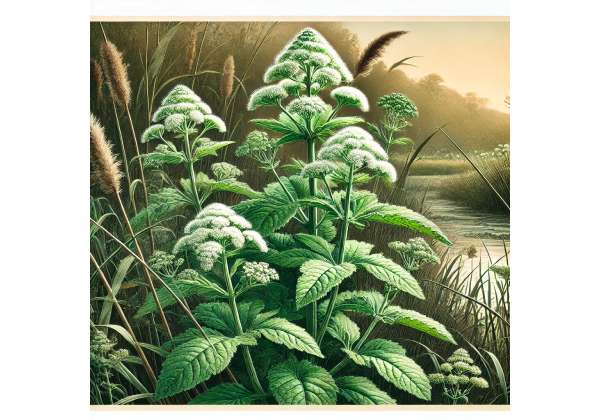
Boneset is a perennial plant in the Asteraceae (daisy) family, native to North America and traditionally gathered from moist meadows and stream edges. You can recognize it by its opposite leaves that appear “fused” around the stem (perfoliate leaves) and clusters of small white flowers. In herbal preparations, the aerial parts—leaves, flowering tops, and stems—are most commonly used.
Boneset’s reputation is tightly linked to the symptom experience of acute viral illness. Herbalists have historically reached for it when a person feels chilled, sore, heavy, and feverish, often with a dull headache and a sense that the body cannot “shift gears.” In that context, boneset is rarely used as a daily tonic. Instead, it is treated like a short-term tool: used at the onset of symptoms, then stopped once the acute phase passes.
People most often consider boneset for:
- Early-stage colds and flu-like illnesses with chills and deep aches
- Fever with a “stuck” sensation (hot and cold alternating, tight skin, restless discomfort)
- Seasonal congestion accompanied by fatigue and muscle soreness
- Occasional immune support protocols used only for days, not weeks
A key practical point is that boneset is a bitter herb. That bitterness is not a flaw—it is part of why it has been used traditionally—yet it shapes how you prepare it and how your body responds. Some people notice that a hot infusion feels soothing and grounding, while others find it too intense and prefer a tincture in small amounts.
It is also important to distinguish boneset from similar-looking or similarly named plants. “Thoroughwort” is sometimes used for boneset, and there are related species and look-alikes in the same plant family. For safety and consistency, a label should clearly state Eupatorium perfoliatum and ideally the plant part used. When you are dealing with an herb used during illness, clarity matters: it supports predictable dosing and reduces the risk of substitution.
Used thoughtfully, boneset can be a comforting ally during short, intense stretches—especially when rest, hydration, and warmth are already part of your recovery plan.
Key ingredients and properties
Boneset’s medicinal properties come from a blend of bitter compounds, polyphenols, and other plant constituents that work together rather than acting like a single “active ingredient.” This matters because boneset’s effects are often described as whole-body—warming, easing tension, and supporting the immune response—rather than targeting only one symptom.
Notable compound groups
Boneset contains several categories of constituents that are commonly discussed in herbal research and quality testing:
- Sesquiterpene lactones: These are bitter compounds found in many Asteraceae plants. They are often associated with inflammation-modulating activity and the characteristic strong taste of boneset.
- Flavonoids and other polyphenols: Polyphenols can support antioxidant activity and may influence inflammatory signaling. They are also frequently studied for their interactions with viruses in laboratory models, including effects on early steps like attachment and entry.
- Caffeic acid derivatives and related phenolics: These compounds are common in many medicinal plants and are often discussed in connection with antioxidant effects and immune signaling balance.
- Polysaccharides: In several medicinal herbs, polysaccharides are explored for immune-modulating activity, especially in how they interact with innate immune responses.
Medicinal actions boneset is known for
In traditional practice, boneset is most often described with these functional properties:
- Diaphoretic support: Used warm or hot, boneset is traditionally taken to encourage gentle perspiration and help the body feel less “locked up” during chills and fever.
- Anti-inflammatory potential: Laboratory work with boneset extracts and isolated compounds suggests anti-inflammatory activity, which fits the way it has been used for body aches and soreness during infections.
- Antiviral activity in laboratory settings: Some studies suggest certain extracts can interfere with viral processes in cell-based models. This supports plausibility, but it is not the same as proving clinical effectiveness in everyday colds.
- Digestive and “bitter” effects: Strong bitter herbs can affect digestion, appetite, and nausea in different ways depending on dose and person. With boneset, too much can tip into stomach upset.
Why preparation changes the chemistry
Boneset’s chemistry is sensitive to how you prepare it:
- Hot water infusions emphasize water-soluble constituents and the traditional diaphoretic approach.
- Hydroalcoholic extracts (tinctures) can pull a different spectrum of polyphenols and bitter compounds, often producing a more concentrated dose in smaller volume.
- Capsules vary widely: some contain powdered herb, others contain extracts, and labels may not always make the difference clear.
This is why two people can have very different experiences with “boneset” even if they both use it responsibly. The form, dose, timing, and product quality shape what you actually consume—and therefore what you can reasonably expect.
Does boneset help with colds
Boneset is most commonly used for colds and flu-like illnesses, but it helps to define what “help” means in this context. Boneset is not a substitute for medical treatment, and it is not a proven cure for viral infections. Where it may be useful is in symptom comfort and the subjective experience of moving through an acute illness—especially when chills, aches, and fatigue are prominent.
When boneset is the best match
Boneset tends to be the most relevant when a cold has a specific pattern:
- Chills and shivering even when the fever is rising
- Heavy fatigue and soreness that feels “in the bones”
- A dull headache and a desire to lie still
- Early-stage symptoms where warmth and rest feel clearly helpful
In that pattern, a warm boneset infusion is traditionally used to support mild perspiration and help the body feel less rigid and tense. Many people describe the benefit as a shift from “stuck and chilled” to “warm and settling,” which can make it easier to rest.
What you should not expect
Even when boneset feels helpful, it may not:
- Shorten the illness dramatically
- Replace fever management strategies
- Prevent complications like dehydration or secondary infection
- Substitute for antivirals when those are clinically indicated
Boneset is best viewed as a supportive tool—similar to how warm broth, baths, or humidification support comfort—rather than a direct antiviral medication.
How to use it alongside sensible care
If you use boneset for a cold, it pairs best with basics that actually change outcomes:
- Hydration with water, soups, or electrolyte drinks
- Adequate calories and protein if appetite allows
- Sleep and reduced exertion
- Monitoring for red flags
Consider medical evaluation if you have shortness of breath, chest pain, persistent high fever, signs of dehydration, confusion, severe weakness, or symptoms that worsen after initial improvement.
Some people prefer combining boneset with other well-known immune-support herbs in short-term protocols. If you do that, keep it simple and introduce only one new herb at a time. For example, many people compare boneset with echinacea immune support for colds, which is more commonly used as a broader immune-modulating option. They are not interchangeable: boneset is often chosen for the “aches and chills” pattern, while echinacea is typically used for immune support during early respiratory symptoms.
The most balanced conclusion is that boneset may offer meaningful comfort for some people during acute colds, but it should be used conservatively, short term, and with a clear plan for when to seek medical care.
Boneset for fever and aches
Fever and body aches are where boneset’s traditional identity is strongest. The herb’s common name reflects this use: boneset has long been associated with “breakbone” feelings—deep soreness and tenderness that can accompany influenza-like illnesses. In modern terms, it is often chosen when the illness experience is more about systemic discomfort than about a specific symptom like cough.
How boneset is traditionally used for fever
Boneset is often described as a warming diaphoretic. In practice, that usually means:
- Taken as a warm or hot infusion
- Used early in an illness when chills are prominent
- Paired with rest, warmth, and hydration
- Stopped once sweating is established or the acute phase passes
The goal is not to “force sweat” aggressively. Instead, boneset is used to support a gentle transition—helping the body move from tight, chilled discomfort into a more relaxed state that allows deeper rest.
This distinction matters because fever management is not the same for everyone. Children, older adults, and people who dehydrate easily are not good candidates for strategies that could increase fluid loss without careful monitoring. If you are already sweating heavily, have vomiting or diarrhea, or struggle to keep fluids down, boneset’s classic “hot tea” approach may be poorly matched.
Aches, soreness, and the “bone-deep” pattern
Boneset is typically chosen for aches that are:
- Diffuse rather than localized to one joint
- Associated with fever, chills, and fatigue
- Worse with movement and better with rest
- Paired with a sense of heaviness or malaise
Some users also describe benefit for a dull headache during viral illness. The effect is usually not sharp or immediate like a pain reliever; it is more about easing the overall “sick body tension.”
Practical comfort strategies that improve results
If boneset is part of your plan, these supportive steps often make the experience more effective and safer:
- Drink a full glass of water before and after a hot infusion.
- Keep the room warm, and avoid sudden cooling after sweating.
- Use boneset earlier in the day if it upsets your stomach at night.
- Stop if nausea, vomiting, or diarrhea begins—those are signs you may be pushing too hard.
If you tend toward nausea during illness, pairing your routine with gentle, food-based supports may help. Many people compare strategies with ginger for nausea and warming comfort, which is often easier on the stomach than strong bitter herbs.
Used with care, boneset may make feverish aches more tolerable and support restful downtime—two factors that can meaningfully shape recovery even when they do not directly “kill a virus.”
How to use boneset
Boneset is most commonly used as a tea (infusion) or tincture. Capsules exist, but they can be harder to evaluate because product strength and plant part are not always clear. Because boneset is typically used short term and for a specific symptom pattern, the “how” matters as much as the “what.”
Boneset tea: a practical method
A traditional infusion is simple, but small choices influence how it feels:
- Use dried aerial parts (leaves and flowering tops) from a reputable source.
- Add about 1–2 teaspoons of dried herb to a cup of hot water.
- Cover and steep 10–15 minutes.
- Strain and sip warm. Many people take it in the early phase of illness, then stop once chills ease or sweating begins.
Boneset is bitter. If taste is a barrier, you can dilute the tea, take smaller sips, or pair it with a small snack. Avoid masking bitterness with large amounts of sugar, which can be hard on appetite and energy during illness. If you use honey, keep it modest.
Tincture: when you want smaller doses
Tinctures are often chosen when:
- You want a smaller volume than tea
- You need flexible dose adjustments
- You find tea too intense or too bitter
Many people take tincture in warm water, which can mimic some of the “warming ritual” of tea while allowing smaller, more controlled amounts.
Capsules and extracts: what to check
If you choose capsules, look for:
- Eupatorium perfoliatum clearly named
- Plant part and extract ratio if relevant
- Conservative dosing instructions
- Quality statements related to contaminant testing when available
Because boneset is not generally a “daily supplement,” it is often best to avoid complex blends that make it difficult to know what is helping and what is causing side effects.
How to build a short-term routine
A sensible routine is usually:
- Use for 1–4 days during the acute chilled, achy phase
- Combine with hydration, rest, and warm supportive care
- Stop once the pattern changes (for example, once you are sweating heavily or symptoms shift toward simple congestion)
If you want a gentler evening tea that supports rest without focusing on perspiration, some people switch to calming options later in the illness. A familiar comparison is chamomile tea for gentle relaxation, which can support sleep while you continue to recover.
Boneset works best when you treat it as a specific, time-limited tool—used thoughtfully and discontinued when its “best-fit” symptom pattern has passed.
How much boneset per day
Boneset dosing varies by form, and conservative dosing is especially important because the herb is typically used during illness—when your stomach may be sensitive and your hydration needs are higher. Another reason to avoid overly aggressive dosing is that boneset has a long-standing reputation for causing nausea if taken too strong or too frequently.
Typical adult ranges by form
Because products differ, there is no single perfect dose. However, common label-guided and traditional ranges often fall roughly within:
- Tea (infusion): about 2–6 g dried herb per day, divided into 2–3 servings
- Tincture: about 6–12 mL per day, divided (for example, 2–4 mL up to three times daily), depending on concentration and label directions
- Capsules/extracts: follow the product label closely, because “mg” can refer to whole herb powder or a concentrated extract
These are not targets you must hit. They are ranges used in practice. Many people do better starting at the lower end and increasing only if needed and well tolerated.
Timing and duration
Boneset is usually used short term:
- Timing: often taken in the first half of the day or early evening during chills and aches
- Duration: commonly 1–4 days, sometimes up to about a week in conservative protocols, then stopped
- Stop sooner if: nausea, vomiting, diarrhea, dizziness, or worsening weakness develops
If the goal is to support perspiration, people often use it warm and then rest. If you take it and immediately return to activity, you may miss the practical benefit: the herb is often part of a “rest and reset” approach.
Adjusting dose based on your situation
Dose decisions should reflect:
- Body size and sensitivity: smaller or sensitive individuals often need less
- Fever level and hydration: higher fever and poor fluid intake favor lower, gentler dosing
- Stomach tolerance: if nausea appears, reduce or stop rather than “pushing through”
- Other medications: if you are taking multiple medicines, keep herbs conservative and avoid stacking many new products at once
When to avoid self-dosing and get guidance
If you are pregnant, breastfeeding, have liver disease, are immunocompromised, or take prescription medications with meaningful interaction risk, it is best to talk with a clinician before using boneset. And if fever is high or persistent, or symptoms worsen, professional evaluation matters more than adjusting herbal doses.
In practical terms: boneset dosing should feel steady and supportive, not forceful. If you are “muscling through” bitter tea and feeling worse, that is a sign the dose—or the herb—is not the right match.
Safety, interactions, and evidence
Boneset is best approached with a safety-first mindset. While many people use it without problems in short courses, the herb has two meaningful safety considerations: stomach intolerance at higher doses and the presence of pyrrolizidine alkaloids (PAs), a class of compounds associated with liver risk. These realities shape the most responsible way to use boneset: short term, conservative dosing, and careful product selection.
Common side effects
The most common issues are dose-related:
- Nausea or stomach upset
- Vomiting or diarrhea when the tea is too strong or taken too often
- Lightheadedness, especially if fever and dehydration are already present
If any of these occur, the safest response is to stop or lower the dose rather than adding more herbs to “balance” the reaction.
Who should avoid boneset
Avoid boneset (or use only with clinician supervision) if you are:
- Pregnant or breastfeeding
- Living with liver disease, unexplained elevated liver enzymes, or a history of herb-related liver reactions
- Allergic to Asteraceae plants (ragweed-type allergies can sometimes cross-react)
- Using it as a daily long-term supplement (this is generally not an appropriate use case)
Potential interactions
Because of liver considerations and the context of use (acute illness), be cautious if you take:
- Medications that affect the liver or have known hepatotoxic potential
- Alcohol (especially during illness, when the liver is already under strain)
- Anticoagulant or antiplatelet medications, where any additional bleeding risk needs clinician review
- Immunosuppressive therapies (because boneset is traditionally positioned as immune-active, even if clinical evidence is limited)
What the evidence actually supports
Modern evidence for boneset is limited and uneven. Laboratory research suggests some extracts can influence viral processes and inflammatory signaling, which supports plausibility for its traditional role in feverish colds. However, high-quality human trials are scarce, and historical clinical reports do not always meet modern research standards. That means the most honest framing is:
- Plausible for symptom comfort, especially in the classic chills and aches pattern
- Not proven as a treatment for infection, and not a replacement for medical care
- Most appropriate as a short-term supportive herb, where benefits are judged by comfort and recovery experience rather than “virus elimination”
If you have concerns about liver risk, the best protection is prevention: avoid long courses, choose reputable products, and prioritize medical evaluation if symptoms suggest liver stress. While some people explore supplements marketed for milk thistle liver support, that should not be used as a substitute for clinical assessment when warning signs appear.
The safest summary is simple: boneset may be helpful for a narrow, traditional purpose, but it should be used with restraint, not as a daily wellness habit.
References
- Antiviral activity of hydroalcoholic extract from Eupatorium perfoliatum L. against the attachment of influenza A virus – PubMed 2016
- Potentially toxic pyrrolizidine alkaloids in Eupatorium perfoliatum and three related species. Implications for herbal use as boneset – PubMed 2018
- Pyrrolizidine Alkaloids in Foods, Herbal Drugs, and Food Supplements: Chemistry, Metabolism, Toxicological Significance, Analytical Methods, Occurrence, and Challenges for Future – PMC 2024 (Review)
- Pyrrolizidine Alkaloids as Hazardous Toxins in Natural Products: Current Analytical Methods and Latest Legal Regulations – PMC 2024 (Review)
- A Mini Review: The Application of Eupatorium Plants as Potential Cosmetic Ingredients 2022 (Review)
Disclaimer
This article is for educational purposes only and does not provide medical advice, diagnosis, or treatment. Herbal products can vary in identity, purity, and strength, and individual responses differ. Boneset may contain pyrrolizidine alkaloids associated with liver risk, so it is generally best reserved for short-term use and avoided by people who are pregnant or breastfeeding, have liver disease, or have a history of adverse reactions to herbs. If you take prescription medications, especially those affecting the liver, immune system, or blood clotting, consult a licensed clinician before using boneset. Seek prompt medical care for severe or persistent fever, shortness of breath, chest pain, dehydration, confusion, worsening symptoms, or signs of possible liver injury such as jaundice, dark urine, persistent nausea, or unusual fatigue.
If you found this guide useful, consider sharing it on Facebook, X (formerly Twitter), or your preferred platform so others can make safer, more informed choices.