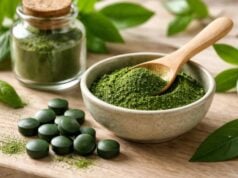
Cacao refers to the seeds of Theobroma cacao, a tropical tree whose beans are fermented, dried, and turned into cocoa powder, chocolate, cacao nibs, and cocoa butter. Beyond its cultural appeal and deep flavor, cacao is valued for naturally occurring plant compounds—especially flavanols—that influence blood vessel function and help explain why some people notice subtle shifts in circulation, mental clarity, or exercise “ease” when they use it regularly. Cacao also contains theobromine (a gentler stimulant than caffeine), small amounts of caffeine, fiber, and minerals such as magnesium and iron, making it a unique crossover between food and functional ingredient.
Used thoughtfully, cacao can fit into heart-healthy and brain-supportive routines—often as an unsweetened powder or a flavanol-standardized extract rather than sugar-heavy chocolate. The key is matching the form and dose to your goal, and respecting safety considerations like stimulant sensitivity, reflux, and product quality concerns.
Quick Overview for Cacao
- Regular intake of flavanol-rich cacao can modestly support blood vessel function and healthy blood pressure alongside lifestyle basics.
- Cacao’s theobromine and small amounts of caffeine may improve alertness but can worsen insomnia, reflux, or palpitations in sensitive people.
- Typical food-based range: 5–15 g unsweetened cacao powder daily (about 1–3 tablespoons).
- Choose reputable brands and vary sources to reduce cumulative lead and cadmium exposure, especially with very dark chocolate.
- Avoid high-dose cacao extracts if you are pregnant, breastfeeding, have significant arrhythmias, or take MAO-inhibiting medicines unless your clinician approves.
Table of Contents
- What is cacao and what is in it
- Does cacao support heart health
- Cacao for mood and brain
- How to use cacao daily
- How much cacao per day
- Side effects and who should avoid it
- What the research actually shows
What is cacao and what is in it
Cacao is the seed of the Theobroma cacao tree. In everyday language, people sometimes say “cacao” to mean less-processed products (like cacao powder or nibs) and “cocoa” to mean more processed products. In practice, labeling is inconsistent—so it’s more useful to focus on the processing steps that shape what you’re actually getting.
After harvest, cacao beans are typically fermented and dried. Fermentation is not just tradition; it changes the bean’s chemistry, reduces bitterness, and creates flavor precursors that later develop into chocolate’s familiar aroma. Next comes roasting (sometimes light, sometimes intense), then grinding into cocoa liquor (a thick paste). From there, manufacturers may separate cocoa butter (fat) from cocoa solids, creating cocoa powder. Some powders are “natural” (more acidic), while others are alkalized (often called “Dutch-processed”), which makes the flavor smoother and darker but can reduce the flavanol content that many people are seeking for health purposes.
The main categories you’ll see include:
- Cacao nibs: crushed roasted or lightly processed beans; crunchy, bitter, and minimally sweet.
- Cacao or cocoa powder: defatted solids; easiest for drinks, baking, and smoothies.
- Dark chocolate: cocoa solids plus cocoa butter, often with added sugar; higher cocoa percentage usually means more cocoa solids, but not automatically more flavanols.
- Cocoa butter: mostly fat; great for cooking and topical use, but low in flavanols compared with powder or nibs.
- Standardized extracts: supplements that list cocoa flavanols per serving; these are the most “doseable” for research-like intake.
Nutritionally, cacao powder offers fiber and minerals, with relatively few calories if you keep it unsweetened. Many people are surprised that cacao can be a meaningful dietary source of magnesium; if you’re trying to connect cacao intake to muscle relaxation, sleep quality, or blood pressure support, it helps to understand your broader baseline needs (see magnesium daily intake and interactions). Cacao also naturally contains methylxanthines—mostly theobromine and smaller amounts of caffeine—which can be a feature or a drawback depending on your sensitivity.
The practical takeaway: cacao is not one product. The “best” form depends on whether you want flavor, lower sugar, a higher likelihood of flavanols, or more predictable dosing.
Does cacao support heart health
Cacao’s strongest and most consistent health story is tied to the cardiovascular system—specifically, how blood vessels respond to flavanols. Flavanols (such as epicatechin and related compounds) support the body’s ability to produce nitric oxide, a signaling molecule that helps blood vessels relax and widen. When this system is working well, circulation is more efficient, and blood pressure regulation tends to be smoother.
What does that look like in real life? For many people, the effect is subtle: a small improvement in blood pressure or vascular function markers rather than dramatic changes you “feel” day to day. Benefits are most likely when cacao is used in a flavanol-rich form (commonly unsweetened natural cocoa powder or a standardized extract) and when the rest of the routine supports vascular health—sleep, movement, adequate potassium intake, and a generally balanced diet.
Several practical nuances matter:
- Sugar can cancel the plan. A high-sugar chocolate habit adds calories and can work against cardiometabolic goals. If you choose chocolate, keep portions modest and favor higher cocoa solids with minimal added sugar.
- Processing affects potency. Alkalized powders often have fewer flavanols than natural powders, even if they taste smoother.
- Dose matters. Many clinical trials use specific flavanol amounts; a random chocolate bar may not match that profile.
Cacao may also influence cardiovascular risk indirectly. For example, if cacao replaces a higher-sugar dessert or helps someone stick to a satisfying, lower-sugar routine, that behavior shift can matter more than the flavanols themselves. On the other hand, if cacao becomes an excuse for frequent candy-like treats, the net effect may be negative.
Finally, it can be helpful to keep cacao in context with other polyphenol-rich foods and drinks. Some people rotate cacao with options like green tea to broaden the “plant compound portfolio” while avoiding too much of any one stimulant or flavor profile.
A grounded way to think about cacao for heart health: it’s a supportive tool, not a treatment. If you’re already on blood pressure or cholesterol medication, cacao is best viewed as an add-on to a clinician-guided plan—not a replacement.
Cacao for mood and brain
Cacao’s brain and mood effects come from a blend of chemistry and experience: flavanols that influence circulation, methylxanthines that shape alertness, and the sensory comfort many people associate with chocolate flavor. The result is that cacao can feel like it “brightens” the day for some users—yet it can also trigger headaches, jitters, or sleep disruption for others.
From a physiology standpoint, flavanol-rich cacao may support cerebral blood flow and vascular responsiveness, which can translate into small improvements in certain cognitive tasks—especially those involving attention, processing speed, and mental fatigue. These effects are often described as modest and situational. You’re more likely to notice them when you’re under strain (poor sleep, intense work blocks, travel, altitude, or a demanding training cycle) rather than when you already feel sharp and well-rested.
The stimulant side is equally important. Theobromine is cacao’s signature methylxanthine: it tends to feel smoother and longer-lasting than caffeine, with less of a “spike,” but it can still increase heart rate awareness or restlessness in sensitive people. Cacao also contains some caffeine, and the combination can be helpful for focus in the morning—and unhelpful later in the day.
Mood-wise, cacao is often discussed in terms of “feel-good” neurotransmitters and compounds like phenylethylamine. In practice, the most reliable mood effect tends to be indirect: a pleasant ritual, a warm drink that replaces alcohol or sugar-heavy snacks, or a pre-exercise boost that makes activity feel more appealing. Some studies suggest potential benefits on mood states in certain populations, but outcomes vary widely depending on the product, dose, and baseline stress level.
A practical way to explore cacao for mood and brain support is to treat it like a structured self-test:
- Choose a low-sugar, consistent form (natural cocoa powder or measured nibs).
- Use it at a consistent time (morning or early afternoon).
- Track sleep, reflux, and headaches for two weeks.
- Decide based on your net outcome, not on hype.
If you’re prone to migraines, anxiety, or insomnia, cacao may still be workable—but the dose and timing matter much more, and some people do best with occasional use rather than daily intake.
How to use cacao daily
Cacao is easiest to use when it’s built into a repeatable routine. The main decision is whether you want cacao primarily as a food (flavor, fiber, minerals) or as a functional ingredient (a more targeted flavanol intake). You can do either, but clarity helps you avoid the most common mistake: turning a “health habit” into a daily sugar delivery system.
Best everyday forms for most people
- Unsweetened natural cocoa powder: flexible, affordable, easy to measure.
- Cacao nibs: crunchy topping that adds intensity without much sugar.
- Modest-portion dark chocolate: workable if you keep the serving small and the added sugar low.
- Standardized cocoa flavanol extract: most consistent for people following research-style dosing, though it’s not always necessary.
Simple ways to use cacao without over-sweetening
- Stir cocoa powder into Greek yogurt or oatmeal with berries.
- Blend a cocoa smoothie with milk or a dairy alternative plus banana for sweetness.
- Add cacao nibs to chia pudding, nut mixes, or lightly sweetened granola.
- Use cocoa powder in savory applications (for example, a small amount in chili) to deepen flavor.
A practical “cacao drink” template (no special equipment)
- Warm water or milk until hot but not boiling.
- Whisk in cocoa powder slowly to prevent clumps.
- Add a pinch of salt; it improves perceived sweetness.
- Sweeten lightly if needed, and keep the sweetener consistent so you can judge cacao’s effect.
Many people enjoy pairing cacao with spices. If cinnamon is part of your routine, it can complement cacao’s bitterness and reduce the urge to add sugar; see cinnamon benefits and safe use considerations if you’re using it regularly or in higher amounts.
What about “ceremonial cacao”? This usually refers to minimally processed cacao paste used in larger drink servings. The experience can be meaningful, but the stimulant load can be significant, and the flavanol content is not automatically standardized. If you try it, start with a small portion, use it earlier in the day, and treat it as an occasional practice rather than a daily requirement.
The bottom line: cacao works best when it stays “cacao,” not candy. Choose a form you can keep consistent, then adjust flavor with technique (salt, spices, mixing method) more than with sugar.
How much cacao per day
A sensible cacao dose depends on your goal, your sensitivity to stimulants, and the form you’re using. Food-based cacao is easiest to personalize, while standardized extracts are easiest to match to clinical trial dosing.
Common food-based ranges
- Unsweetened cocoa or cacao powder: 5–15 g per day is a practical range for many adults. That’s roughly 1–3 tablespoons, depending on the product’s density and how you measure.
- Cacao nibs: about 5–20 g per day (often 1–3 tablespoons as a topping) works for people who enjoy the texture and want minimal sugar.
- Dark chocolate: if you go this route, consider 10–30 g per day as a “small-portion” range, and pay close attention to added sugar and total calories.
Research-style flavanol dosing (supplements and some powders)
Many studies focus on a daily cocoa flavanol intake in the few-hundred-milligram range, with some large trials using around 500 mg cocoa flavanols per day. If you use supplements, look for labels that state the amount of cocoa flavanols (not just “cocoa extract” in milligrams). Two products can have the same capsule weight and very different flavanol content.
Timing: when cacao makes the most sense
- Morning to early afternoon: best for most people, especially if you’re sensitive to sleep disruption.
- Before mentally demanding work: some people prefer cacao 60–120 minutes before a focus block.
- Before exercise: cacao can be used as a gentle pre-workout ritual, though individual response varies.
How long to try it
If your goal is blood vessel support or mood steadiness, give a consistent cacao routine 4–8 weeks before judging. For acute “feel” effects (alertness, mental energy), you’ll often know within a few uses—but don’t confuse stimulation with benefit if sleep quality drops.
Variables that change the effective dose
- Alkalized vs natural powder: natural powders tend to retain more flavanols.
- Sugar and fat in chocolate: these change calorie load and may influence how you tolerate and interpret the effect.
- Stimulant sensitivity: theobromine and caffeine content vary by product and serving size, so start lower if you’re prone to jitters, reflux, or palpitations.
A steady, moderate dose that you tolerate well is usually better than an occasional very large dose. If you feel “wired,” get headaches, or sleep worsens, reduce the amount, move it earlier, or switch forms.
Side effects and who should avoid it
Cacao is a food, but “food” does not automatically mean risk-free—especially when you concentrate it into extracts, rely on very dark chocolate daily, or have medical conditions that change how stimulants and minerals affect you. Most issues are dose-related and reversible, but they’re worth anticipating.
Common side effects (more likely at higher intakes)
- Insomnia or lighter sleep: theobromine’s effects can linger, and cacao can be surprisingly disruptive when used late.
- Jitters, anxiety, or palpitations: some people are sensitive even to small stimulant amounts, especially during stress, dehydration, or when combining cacao with coffee or energy drinks.
- Reflux or stomach upset: cacao can relax the lower esophageal sphincter in some people and may aggravate GERD.
- Headaches or migraine triggers: chocolate and cacao are frequently reported triggers, though triggers vary person to person.
- Skin reactions or allergy-like symptoms: rare, but possible, especially with flavored products or cross-contamination.
Interactions and special situations
- Blood pressure and heart rhythm issues: if you have arrhythmias, uncontrolled hypertension, or you’re under evaluation for palpitations, use higher-dose cacao cautiously and discuss supplement forms with your clinician.
- MAO inhibitors and certain psychiatric medications: cacao and chocolate are sometimes cautioned due to stimulant effects and naturally occurring amines; if you take MAO-inhibiting medicines, get individualized guidance.
- Pregnancy and breastfeeding: moderate food amounts are typically handled similarly to other mild stimulant sources, but high-dose flavanol supplements are a different category—avoid them unless your obstetric clinician explicitly approves.
- Kidney stones: cacao can be relatively high in oxalates; if you have a history of calcium oxalate stones, keep portions modest and consider rotating cacao with other options.
Heavy metals and quality concerns
Dark chocolate and cocoa products can contain measurable lead and cadmium, with levels varying by brand, origin, and processing. This does not mean you must avoid cacao—but it does mean daily large servings of very dark chocolate may not be a great default, especially for children, pregnant people, and anyone trying to reduce cumulative exposure. Practical steps include choosing reputable brands that publish testing, varying products rather than relying on a single source, and using cocoa powder or nibs in moderate portions rather than frequent oversized servings.
Who should avoid high-dose cacao supplements (and be cautious even with food forms)
- Pregnant or breastfeeding individuals unless specifically approved by a clinician
- Children using adult-sized portions or stimulant-like products
- People with significant arrhythmias, uncontrolled anxiety, or severe GERD
- Anyone who consistently gets migraines or sleep disruption from chocolate
If cacao improves your routine without downsides, it can be a reasonable long-term habit. If it worsens sleep, reflux, or anxiety, the healthiest choice is often simply “less, earlier, or not at all.”
What the research actually shows
Cacao research can look more decisive than it is, mostly because “cacao” is not one standardized intervention. Studies may use high-flavanol cocoa drinks, capsules, dark chocolate bars with varying sugar and processing, or carefully standardized extracts. When you zoom out, the evidence is best understood in tiers: what is fairly consistent, what is promising but variable, and what is still uncertain.
Where evidence is strongest
- Vascular function and related markers: Across many controlled trials, flavanol-rich cacao tends to improve measures of endothelial function and blood vessel responsiveness. This aligns well with known mechanisms (nitric oxide signaling) and is one reason cacao is often discussed in cardiovascular prevention conversations.
- Modest blood pressure effects in some groups: Average changes are typically small and not universal, but they can be meaningful at the population level—especially when cacao is added to an overall cardiometabolic plan rather than used as a stand-alone “fix.”
Where evidence is promising but mixed
- Cognition and mental performance: Some systematic reviews and trials suggest benefits for certain cognitive domains and mental fatigue, but results depend heavily on the task used, the population, and whether the product was actually high in flavanols. A person who sleeps well and eats a plant-forward diet may notice little, while someone under strain may notice more.
- Mood and stress response: A few trials suggest improvements in specific mood measures, but placebo effects, expectancy, and lifestyle context can be powerful. The most reliable “mood benefit” may be the ritual and replacement effect (cacao instead of a higher-sugar snack or alcohol), which is still a legitimate outcome.
Where evidence is limited or easy to misunderstand
- Weight loss: Cacao is not a weight-loss agent. It can support adherence to healthier routines if it reduces cravings or helps replace desserts, but chocolate calories add up quickly.
- Inflammation claims: Some analyses show improvements in oxidative stress and inflammatory markers, but certainty varies by marker, and effects often depend on dose, duration, and baseline health status.
- Clinical cardiovascular events: Large trials provide important reality checks—suggesting that cacao extracts may not dramatically lower overall event rates, even if certain outcomes or subgroups show benefit. This is not a failure; it’s a reminder that improving one pathway does not automatically translate into sweeping disease prevention.
How to translate evidence into a smart personal plan
- Prefer low-sugar, flavanol-forward forms (natural cocoa powder, measured nibs, or a clearly labeled extract).
- Use a consistent, moderate dose for 4–8 weeks, then judge your response.
- Treat benefits as incremental—a few percent improvement in the bigger picture, not a replacement for exercise, sleep, and medical care.
- Choose quality products and avoid daily oversized servings of very dark chocolate if you’re trying to minimize heavy metal exposure.
Cacao can be a meaningful “small lever” when it fits your body and routine. The research supports cautious optimism—and rewards practical restraint.
References
- Effect of cocoa flavanol supplementation for the prevention of cardiovascular disease events: the COcoa Supplement and Multivitamin Outcomes Study (COSMOS) randomized clinical trial 2022 (RCT)
- The role of cocoa flavanols in modulating peripheral and cerebral microvascular function in healthy individuals and populations at-risk of cardiovascular disease: a systematic review 2025 (Systematic Review)
- Effect of dark chocolate/ cocoa consumption on oxidative stress and inflammation in adults: A GRADE-assessed systematic review and dose-response meta-analysis of controlled trials 2024 (Systematic Review and Meta-Analysis)
- Effects of chocolate on cognitive function in healthy adults: A systematic review and meta-analysis on clinical trials 2023 (Systematic Review and Meta-Analysis)
- A multi-year heavy metal analysis of 72 dark chocolate and cocoa products in the USA 2024 (Exposure Study)
Disclaimer
This article is for educational purposes only and does not provide medical advice, diagnosis, or treatment. Cacao and cocoa products can affect sleep, reflux symptoms, heart rhythm awareness, and migraine patterns in some people, and supplements may not be appropriate for everyone. If you are pregnant, breastfeeding, have a chronic medical condition, or take prescription medicines (especially for blood pressure, heart rhythm, or mental health), consult a licensed clinician before using cacao extracts or making major dietary changes. Do not stop or change prescribed treatment without medical guidance. Seek urgent care if you experience chest pain, fainting, severe allergic symptoms, or other acute concerns.
If this guide helped you, consider sharing it on Facebook, X (formerly Twitter), or any platform where you discuss nutrition and wellness.