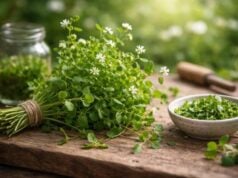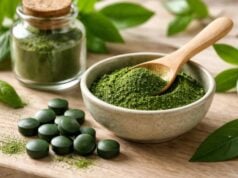
Calamint (Clinopodium nepeta) is an aromatic Mediterranean herb in the mint family, valued for its bright, mint-oregano scent and its long history as a digestive and respiratory comfort tea. In kitchens, it is often used as a finishing herb—especially in Italian traditions where it is known as “nepitella”—adding warmth and lift to vegetables, beans, and meats. In wellness contexts, calamint is most commonly used for post-meal heaviness, gas, and mild cramping, and it is sometimes chosen during seasonal congestion for its pleasantly clearing aroma.
What makes calamint distinctive is its mix of volatile oils (responsible for its fragrance and much of its traditional action) and polyphenols (plant antioxidants). At the same time, its volatile profile can vary widely by plant type and harvest conditions, and some varieties can contain higher levels of compounds that warrant extra caution—especially in concentrated forms like essential oil. Used thoughtfully, calamint can be a practical, gentle addition to everyday routines.
Essential Insights
- May support digestion and reduce post-meal gas when used as a light infusion.
- Aromatic compounds may promote a sense of clearer breathing and throat comfort.
- Typical use: 150–250 mL tea per serving, 1–3 servings daily.
- Avoid ingesting essential oil; concentrated volatile oils can increase liver and side effect risks.
- Avoid during pregnancy and breastfeeding, and in young children or people with liver disease.
Table of Contents
- What is calamint and what is in it?
- What calamint may help with
- How to use calamint in practice
- How much calamint per day?
- Choosing preparations and quality
- Side effects, interactions, and who should avoid it
- What the research says and where it falls short
What is calamint and what is in it?
Calamint (Clinopodium nepeta) is a leafy, flowering herb in the Lamiaceae (mint) family—the same broad botanical family as basil, thyme, rosemary, and oregano. It grows as a perennial in many Mediterranean climates and is often harvested for its aerial parts (leaves and flowering tops). Depending on region and tradition, you may also see it described under older naming conventions such as Calamintha nepeta, and it is sometimes sold as “lesser calamint.” In Italian cooking, “nepitella” commonly refers to calamint used as a culinary herb.
Why it smells “minty” but also “oregano-like”
Calamint’s personality comes from its volatile oils—aromatic compounds stored in tiny glands on the leaves. Many people describe it as halfway between mint and oregano, with a warm, slightly peppery edge. If you enjoy that profile, you may also appreciate the broader culinary-herb pattern shared across the mint family; for a related kitchen comparison, see this oregano health profile.
Key active compounds
Calamint contains two broad categories of constituents, and they tend to complement each other:
- Volatile oils (terpenes and oxygenated monoterpenes): These contribute most of the aroma and are strongly influenced by growing conditions. Depending on the plant’s “chemotype,” calamint oils may feature compounds such as pulegone, piperitone or piperitenone derivatives, menthone-like compounds, and smaller amounts of limonene and related terpenes. This matters because chemotypes can differ not only in scent, but also in tolerability—especially when concentrated.
- Polyphenols (phenolic acids and flavonoids): These are water-soluble to some degree, which is why tea and decoctions can extract them well. Commonly discussed polyphenols across mint-family herbs include rosmarinic acid and caffeic-acid derivatives, along with flavonoids such as quercetin- or apigenin-related compounds.
What these compounds “do” in the body
A practical way to think about calamint is “aroma plus antioxidants.” The volatile oils are often associated with traditional carminative and antispasmodic use—meaning they may help the digestive tract feel calmer after a heavy meal. Polyphenols, meanwhile, are frequently studied for antioxidant and inflammation-modulating activity in laboratory settings. Together, this combination explains why calamint is used both as a flavorful food herb and as a wellness tea.
One important nuance: calamint is not a single, uniform product. The same plant name can represent different oil profiles depending on region, harvest timing, and drying. For everyday use, this variability is usually a reason to keep preparations mild and to treat essential oil as a separate—and higher-risk—category than tea or culinary use.
What calamint may help with
Calamint’s traditional reputation centers on comfort and function rather than dramatic “quick fixes.” In practical terms, it is most often used for digestion, mild respiratory support, and overall soothing—especially when stress and tension show up as tightness in the gut or chest.
Digestive comfort and post-meal ease
The most common reason people reach for calamint tea is the familiar pattern of fullness, gas, and mild cramping after meals. In herbal traditions, calamint is grouped with other aromatic “carminatives” that are taken warm and slowly, often after food. Many people find that the ritual itself—warm fluid, slow breathing, and a pleasantly bitter-aromatic taste—supports relaxation around digestion. If you are sensitive to strong mint oils, calamint may still feel supportive, but you will usually do best with a lighter brew rather than a very concentrated infusion.
Respiratory and throat comfort
Because calamint is aromatic, it is sometimes used during seasonal congestion or when the throat feels irritated. A warm infusion can add moisture and warmth, while the aroma may feel clearing in the nose and upper airways. This is best understood as comfort support: it may help you feel better while your body does its work, rather than acting as a stand-alone treatment for infection.
Antioxidant and inflammation-related interest
Research on calamint often highlights antioxidant activity and laboratory measures related to inflammation pathways. These findings are promising in the sense that calamint contains compounds that scientists recognize as biologically active. However, most of this work is not the same as proving a clinical effect in humans at everyday tea doses. A realistic takeaway is that calamint—like many mint-family herbs—can be a sensible “small daily” antioxidant addition, especially when used in food.
Other traditional uses
Depending on region, calamint has also been used for:
- Menstrual comfort (cramping or “stuck” feeling), usually as a warm tea
- Mood and sleep support, particularly when tension feels physical
- Mild mouth and breath freshening, as a tea used warm or cooled as a rinse
- Occasional topical use, such as compresses made from a strained infusion
If you are considering calamint for a specific health concern (for example, persistent reflux, chronic diarrhea, recurring cough, or severe cramps), it is better to treat it as a supportive tool while you address root causes with a clinician. Ongoing or worsening symptoms deserve a clearer diagnosis than any single herb can provide.
How to use calamint in practice
Calamint is easiest to use when you choose the right form for your goal. For most people, that means starting with culinary use or a simple tea—then deciding whether you need anything more specialized.
1) Tea (infusion) for daily wellness
A basic calamint tea is the most practical option for digestion and overall comfort.
- How to make it: Place dried calamint (or a small handful of fresh leaves) in a mug, pour hot water over it, cover, and steep.
- Steeping time: 5–10 minutes for a lighter, more everyday cup; longer steeping makes a stronger, more bitter-aromatic tea.
- How it feels: Many people prefer it after meals or in the late afternoon when stress tends to show up in the body.
Taste tips: calamint pairs well with lemon peel, a small amount of honey, or a slice of fresh ginger. If you are using it during seasonal discomfort, you can combine it with other traditional aromatic herbs, but keep the overall blend gentle; a useful comparison for cough-oriented herbs is this thyme essential overview.
2) Culinary use as a finishing herb
Calamint shines in food because you can get its benefits in “micro-doses” that are naturally self-limiting.
- Add it near the end of cooking to preserve aroma.
- Use it with beans, lentils, mushrooms, roasted vegetables, eggs, and grilled meats.
- Try it in marinades with olive oil, garlic, and citrus zest.
Culinary use is also a smart choice if you are cautious about concentrated herbal products: it delivers flavor and plant compounds without pushing into high-dose territory.
3) Steam and aromatic comfort
If you like the scent and want a non-ingested option, you can use a strong leaf infusion as an aromatic steam. Keep it simple: hot water plus leaves, then breathe the vapor gently from a safe distance. Avoid this method for young children and anyone prone to bronchospasm.
4) Topical compresses and rinses
A cooled, strained infusion can be used as a compress for minor skin discomfort or as a mouth rinse for a fresh, clean feel. Do not apply undiluted essential oil to skin. If you notice redness, itching, or burning, discontinue.
A note on essential oil
Calamint essential oil is not interchangeable with calamint tea. Essential oils are concentrated chemical mixtures. They can be irritating, and the safety profile depends heavily on the oil’s composition. For most home use, tea and culinary use deliver the best balance of benefit and safety.
How much calamint per day?
Because calamint products vary—and because some calamint chemotypes can be higher in certain potent oil constituents—dosage is best approached as a conservative range rather than a single “correct” number. Your goal is to find the smallest amount that gives the effect you want.
Tea dosage (most common)
A practical, cautious approach looks like this:
- Start: 1 cup (150–250 mL) once daily.
- Typical range: 1–3 cups daily, taken with or after meals.
- Short-term upper pattern: 2–3 cups daily for up to 7–14 days, then reassess.
If you are using dried herb, many people prepare a “mild culinary-tea strength” rather than an extract-like brew. If you want a more measurable routine, a common kitchen guideline is about 1–2 grams of dried leaves per cup (roughly 1–2 teaspoons depending on cut and density). With fresh leaves, you will generally need more volume for the same intensity.
Timing and best use cases
- After meals: best for gas, heaviness, and mild cramping.
- Late afternoon or evening: best when tension is part of the picture and you want a soothing ritual.
- As needed: occasional use is reasonable for many people, especially as a culinary herb.
Extracts, capsules, and tinctures
If you are using a labeled supplement, follow the product’s instructions and avoid “stacking” multiple calamint formats at once (for example, tea plus a concentrated extract). Unless a product provides meaningful standardization and safety testing, it is better to assume potency can vary.
As a general rule, avoid ingesting essential oil unless you are working with a qualified professional and a product specifically made for that purpose. Ingested essential oils can produce much higher exposures to volatile constituents than tea.
When to choose a gentler alternative
If you find calamint too stimulating, too minty, or you notice reflux-like warmth, switch to a gentler option and keep the goal the same (comfort and ritual). For example, this spearmint guide can be a helpful comparison if you want digestive support with a different aromatic profile.
If symptoms persist beyond two weeks, worsen, or come with red flags (vomiting, blood in stool, weight loss, fever, or severe pain), treat that as a medical issue rather than a dosing problem.
Choosing preparations and quality
Quality matters more with calamint than many people expect—not because the herb is inherently “dangerous,” but because the volatile-oil profile can change with species identity, growing conditions, and processing. The good news is that most of the quality work happens before you ever brew a cup.
Know what you are buying
Look for clear labeling that includes the botanical name Clinopodium nepeta (and ideally the plant part, such as “aerial parts” or “leaves and flowering tops”). Avoid products that use vague language like “mint blend” if you are trying to evaluate safety and consistency.
If you are shopping for dried herb:
- Choose herbs that still smell fragrant when you open the container. A “dusty” smell often signals age or poor storage.
- Prefer suppliers who provide harvest date and storage guidance.
- Consider whole leaf or larger cut rather than powder, which can lose aroma faster.
Fresh versus dried
- Fresh leaves can be excellent in food and make a softer, greener tea.
- Dried leaves are more consistent for tea, but they degrade with heat and light over time.
Store dried calamint in an airtight container away from heat and sunlight. For best aroma, use within about 6–12 months.
Essential oil: treat it as a different product
If you choose calamint essential oil for diffusion or topical blending, ask for documentation such as a batch test profile (often listed as GC-MS). This matters because oils can differ dramatically in levels of specific constituents. For topical use, dilute appropriately in a carrier oil and patch-test first. Keep essential oils away from eyes, mucous membranes, and children.
Common mistakes to avoid
- Brewing it extremely strong and then assuming side effects mean “detox.” If you feel nauseated, dizzy, or headachy, reduce strength or stop.
- Confusing it with other mint-family oils, especially oils known to be high in more hazardous ketones.
- Using multiple concentrated aromatics together, which can increase irritation and reflux symptoms.
When home harvesting is reasonable
If you harvest calamint yourself, make identification a priority: mint-family plants can look similar, and correct ID is the foundation of safety. Harvest from clean areas (away from roads and pesticides), dry in a shaded, well-ventilated space, and label the jar with date and location so you can track freshness.
Side effects, interactions, and who should avoid it
For most healthy adults, culinary use and mild tea are typically well tolerated. The main safety issues arise when calamint is used in concentrated forms, used at high frequency, or used by higher-risk groups.
Possible side effects (tea and food use)
Side effects are usually dose-related and may include:
- Heartburn or a warm “reflux” sensation
- Nausea, stomach discomfort, or headache (often from overly strong tea)
- Dizziness or feeling “wired” in sensitive individuals
- Skin irritation if used topically without adequate dilution
- Allergic reactions (rare, but possible with any mint-family plant)
If you experience side effects, stop the herb and reassess. Often, simply lowering strength or frequency resolves the issue.
Essential oil ingestion is a high-risk choice
Calamint essential oil concentrates volatile constituents that the body must metabolize, and this is where safety becomes more complex. Certain mint-family ketones (notably pulegone in some oils) have well-known toxicity concerns at higher exposures. This does not mean calamint tea is automatically unsafe—but it does mean you should not treat essential oil as “strong tea.”
Who should avoid calamint or use only with professional guidance
- Pregnant or breastfeeding people: avoid medicinal dosing; stick to culinary amounts only if your clinician agrees.
- Young children: avoid essential oil use; be cautious with herbal teas unless advised by a pediatric clinician.
- Liver disease or a history of elevated liver enzymes: avoid concentrated forms; consider skipping entirely.
- Seizure disorders: avoid essential oils and proceed cautiously with strong aromatics.
- Severe reflux or gastritis: aromatic herbs can aggravate symptoms in some people.
Potential interactions
Clear interaction data specific to calamint in humans is limited, but cautious practice is still useful. Be extra careful if you take:
- Medications that affect the liver or have known liver risk (discuss with your clinician).
- Sedatives or sleep medications, if you notice calamint makes you drowsy.
- Blood pressure or blood sugar medications, if you are using higher-dose extracts and notice lightheadedness or unusual readings.
If you want a calming herb with a more established “gentle tea” reputation, consider an alternative such as lemon balm, especially if your goal is relaxation more than digestive stimulation.
When in doubt, keep calamint in the “food and mild tea” lane, and treat anything concentrated as a separate decision that deserves professional input.
What the research says and where it falls short
Calamint sits in an interesting research space: it is clearly rich in bioactive compounds, yet high-quality human trials for specific conditions are limited. Understanding that gap helps you use the herb wisely—appreciating its potential without turning it into a cure-all.
Where the evidence is strongest
Most published work focuses on chemistry (what compounds are present) and on biological activity measured in laboratory and animal models. Across these studies, calamint and related Clinopodium species are commonly associated with:
- Antioxidant activity, often linked to phenolic acids and flavonoids
- Antimicrobial effects in vitro, especially from essential oil fractions
- Anti-inflammatory signals in preclinical models, depending on extraction method
- Safety signals that depend heavily on preparation, with aqueous extracts generally looking gentler than essential oils in screening models
These patterns fit traditional use: mild teas and culinary use for comfort, and essential oils used cautiously and mostly externally.
Why chemotype and dose matter so much
A major challenge in interpreting calamint research is that different samples can have very different volatile-oil profiles. Two products labeled “calamint” may not be equivalent in potency or tolerability. This is also why it is difficult to translate a laboratory dose into a kitchen routine. In everyday terms, the safest translation is conservative: keep home use mild, do not chase intensity, and avoid ingesting essential oil.
What is missing
For common consumer questions—“Does calamint help bloating?” “How well does it work compared with peppermint?” “Is it safe daily?”—the missing piece is clinical research in humans using standardized preparations. Future studies that would meaningfully improve guidance include:
- Well-designed trials for functional digestive complaints (bloating, post-meal discomfort)
- Standardized chemotype reporting so results can be compared across regions and products
- Clear safety and tolerability studies that separate tea-strength use from concentrated extracts
- Interaction and special-population data, especially for pregnancy, liver conditions, and pediatric use
How to use evidence responsibly
A sensible way to frame calamint is as a supportive herb: useful for comfort, flavor, and routine, with promising preclinical signals—but not a substitute for diagnosis or treatment when symptoms are persistent or severe. If a product promises dramatic outcomes, look for specifics: standardized content, dosing clarity, and safety testing. If those details are missing, keep your use modest and practical.
Done well, calamint earns its place as a “small but meaningful” herb: a culinary ally and a gentle tea that supports comfort—provided you respect the difference between food-level use and concentrated oils.
References
- Yield and Composition of the Essential Oil of Clinopodium nepeta subsp. spruneri as Affected by Harvest Season and Cultivation Method, i.e., Outdoor, Greenhouse and In Vitro Culture – PMC 2023
- Chemical Composition, Anti-Quorum Sensing, Enzyme Inhibitory, and Antioxidant Properties of Phenolic Extracts of Clinopodium nepeta L. Kuntze – PubMed 2021
- The Chemical Composition, Pharmacological Activity, Quality Control, Toxicity, and Pharmacokinetics of the Genus Clinopodium L – PMC 2025 (Review)
- Risk Assessment of Pulegone in Foods Based on Benchmark Dose–Response Modeling – PMC 2024
- In vitro biological activities of Calamintha nepeta L. aqueous extracts – PubMed 2024
Disclaimer
This article is for educational purposes only and does not provide medical advice, diagnosis, or treatment. Herbs can cause side effects and may interact with medications or medical conditions, especially during pregnancy, breastfeeding, childhood, or liver disease. If you have ongoing symptoms, take prescription medications, or are considering concentrated herbal products or essential oils, consult a qualified healthcare professional before use.
If this guide helped you, consider sharing it on Facebook, X (formerly Twitter), or any platform where friends might benefit from a practical, safety-first overview.