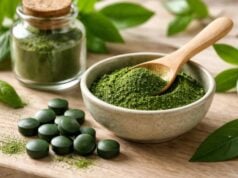
Carob (Ceratonia siliqua) is the sweet, cocoa-colored pod of a Mediterranean evergreen tree, traditionally eaten as a food and increasingly used as a functional ingredient. Most people meet carob as powder in baked goods or drinks, but the plant offers several distinct preparations: the roasted pod pulp (carob powder), the seed-derived thickener known as locust bean gum, and fiber-rich extracts used in supplements. What makes carob especially interesting is that it delivers a rare combination of gentle sweetness, substantial dietary fiber, and polyphenols—without caffeine or theobromine.
From a health perspective, carob is best known for supporting digestion and stool consistency, helping some people manage post-meal spikes through fiber effects, and contributing to heart-metabolic goals when used consistently in place of more refined sweets. Its benefits depend on which carob product you use and how much. This guide breaks down carob’s active compounds, practical uses, realistic outcomes, and the safety details that matter most for children, people with sensitive digestion, and anyone using fiber therapeutically.
Core Points
- May support bowel regularity and firmer stools due to fiber and tannins.
- Can help replace cocoa-like flavors without caffeine and may support heart-metabolic goals when used as a swap.
- Typical intake: 10–20 g carob powder per day or 5–15 g carob fiber per day, increased gradually with fluids.
- Large doses may cause gas, bloating, or constipation if fluids are low.
- People with legume allergies, swallowing difficulties, or severe IBS sensitivity should avoid concentrated powders and gums.
Table of Contents
- What is carob and what is in it?
- Carob benefits for digestion
- Does carob help cholesterol and blood sugar?
- How to use carob
- How much carob per day?
- Side effects and who should avoid
- What the evidence says
What is carob and what is in it?
Carob is the pod of Ceratonia siliqua, a legume-family tree that thrives in dry Mediterranean climates. The mature pods are naturally sweet and can be milled into a cocoa-like powder. The seeds inside the pods are unusually uniform in size and are processed into locust bean gum (a thickening agent used in foods, infant formulas, and pharmaceuticals). Because “carob” can refer to pod pulp, seed gum, fiber extracts, or syrups, it helps to think of it as a family of products rather than one single ingredient.
Carob pod, carob powder, and carob syrup
- Carob pod pulp (roasted or raw): The sweet, fibrous portion used for flour or powder.
- Carob powder: Typically roasted pod pulp, finely milled. It has a toasted sweetness and mild bitterness, but it is not chocolate.
- Carob syrup or molasses: A concentrated sweetener made from pods; flavorful but usually high in sugars.
These forms behave more like foods: they add flavor and fiber, but the calorie and sugar content can vary widely by processing.
Locust bean gum and carob fiber extracts
- Locust bean gum (LBG): A seed-derived galactomannan. It thickens and stabilizes foods and can increase viscosity in the stomach, which is why it is used in some anti-regurgitation formulas.
- Carob fiber extracts: Often concentrated insoluble fiber (sometimes with retained polyphenols) used in supplement powders, snack bars, or functional foods.
These forms behave more like functional fibers: dose, tolerance, and hydration matter more than taste.
Key bioactive components
Carob’s health interest comes from a few core ingredient groups:
- Dietary fiber: A mix of insoluble and soluble fractions. Fiber supports stool bulk, microbial fermentation, and slower carbohydrate absorption.
- Polyphenols (especially tannins): These contribute antioxidant activity and may help bind certain compounds in the gut. They also explain why carob has a traditional reputation for firming stools.
- Natural sugars: Carob pod pulp can be naturally sweet. This is helpful for reducing added sugar in recipes, but it also means portions matter for blood sugar goals.
- D-pinitol and related inositols: These are studied for metabolic signaling, though effects depend on dose and overall diet context.
- Minerals: Carob contains minerals like calcium and potassium, but the meaningful impact depends on the serving size and the rest of your diet.
A practical way to summarize carob: it is a caffeine-free, cocoa-adjacent flavor with a real fiber and polyphenol profile—useful when you treat it as a targeted swap, not a “free food.”
Carob benefits for digestion
Carob’s strongest everyday value is digestive. Unlike many “gut health” ingredients that are subtle, carob often produces a noticeable change in stool consistency and post-meal comfort—especially when your baseline diet is low in fiber or when stools are on the loose side.
How carob supports stool consistency
Carob combines insoluble fiber (adds bulk and structure) with tannins (polyphenols that can feel “binding” in the gut). In practical terms, this can help when:
- stools are loose or urgent
- travel, stress, or dietary change disrupts digestion
- you want a food-based way to make breakfast or snacks more stabilizing
This does not mean carob is a treatment for persistent diarrhea or infection. If diarrhea is severe, watery, bloody, or accompanied by fever, dehydration, or weight loss, treat that as a medical problem.
Carob and reflux-style comfort
A separate but important digestive lane is reflux support—particularly in infants. Carob’s seed gum (LBG) increases thickness, which can reduce the frequency of visible regurgitation in some infants when used in age-appropriate products. For adults, the same “thickening” idea can show up as a feeling of a calmer stomach after meals, but tolerance varies. If reflux is driven by delayed gastric emptying, overeating, or high-fat meals, adding thick fibers can sometimes help and sometimes worsen fullness. Start small and track your response.
Fiber benefits and the “too much, too fast” problem
Carob can help with regularity, but only when your dose matches your current fiber intake. Common early reactions include gas or bloating—usually a sign the amount increased faster than your gut microbiome can adapt.
A gentle ramp-up plan often works well:
- Start with a small serving (for example, 1 teaspoon of carob powder in yogurt or oats).
- Keep the dose stable for 3–4 days.
- Increase gradually, and add water rather than adding more powder quickly.
If you already use fiber supplements, be careful about stacking. Combining multiple fibers can be very effective, but it can also produce cramps if total fiber rises too fast. If you want a benchmark for how structured fiber routines are typically built, a psyllium husk dosing guide can help you compare “low and slow” strategies.
Who may benefit most
Carob tends to fit best for:
- people who crave chocolate-like flavors but want a caffeine-free option
- those who need more fiber but dislike rough-textured bran products
- anyone who wants a “food-first” approach to stool regularity
Used consistently and gently, carob is one of the more practical ways to make digestive support feel like normal eating rather than a supplement project.
Does carob help cholesterol and blood sugar?
Carob is often marketed for cholesterol and blood sugar support, and there are plausible reasons this can be true—mainly related to fiber, polyphenols, and how carob changes what you eat. The most reliable benefit usually comes from replacement: swapping carob for refined sweets, sweetened cocoa mixes, or low-fiber desserts.
Cholesterol support: fiber and bile acid binding
Some carob products—especially fiber-rich preparations—may support healthier lipid profiles by helping bind bile acids in the gut. When bile acids are excreted, the body pulls cholesterol from circulation to make more, which can lower LDL cholesterol modestly over time. In practical, real-world terms, the people most likely to see a measurable change tend to have:
- elevated baseline LDL cholesterol
- consistent daily intake of a fiber-rich carob preparation
- overall diet patterns that support the goal (less saturated fat, more plant foods)
A realistic expectation is modest improvement, not a dramatic shift. If your LDL is high enough to warrant medication, carob should be viewed as an adjunct—not a substitute—unless your clinician advises otherwise.
Blood sugar support: slowing the curve
Carob’s influence on blood sugar is nuanced because carob pod pulp contains natural sugars. The helpful effect is usually driven by fiber slowing absorption and by using carob to reduce added sugars elsewhere. Practical scenarios where carob may help include:
- using carob powder to flavor yogurt instead of sweetened syrups
- baking with carob and adding less total sugar
- choosing a fiber-rich carob snack instead of a refined cookie
If you use carob syrup, the story changes: it can behave more like other sweeteners. The flavor is excellent, but portion control matters more than the “natural” label.
How to test whether it helps you
If you track glucose (finger-stick or CGM), treat carob like an experiment:
- test a small serving of carob powder in a meal you already know well
- avoid changing multiple things at once (new fiber plus new sweetener plus new exercise)
- pay attention to both glucose and symptoms (fullness, gas, cravings)
If you are looking for a non-sugar sweetening strategy for drinks or desserts, comparing carob with a non-nutritive option can be useful. This stevia and blood sugar overview is one way to think about when “sweet taste” does or does not add carbohydrate load.
Medication considerations
If you take glucose-lowering medication, any increase in daily fiber can shift your post-meal response. That is usually positive, but it also means you should watch for unexpected lows if you make large changes quickly.
Bottom line: carob may support cholesterol and blood sugar goals, but it works best as part of a consistent routine—especially as a replacement for refined, low-fiber sweets.
How to use carob
Carob is most effective when you choose the form that matches your goal. If you want cocoa-like flavor, use pod-based products. If you want functional thickening or therapeutic fiber, look for seed gum or fiber concentrates.
Carob powder for everyday eating
Carob powder works best when you treat it as a flavor ingredient rather than a direct chocolate substitute. It is naturally sweet, so many recipes need less added sugar.
Simple ways to use it:
- Stir 1–2 teaspoons into oats, yogurt, or smoothies.
- Add to pancake or muffin batter for a toasted, caramel-like note.
- Make a warm drink with milk or a milk alternative, cinnamon, and a pinch of salt.
- Blend into energy bites with nut butter and rolled oats.
If you are replacing cocoa, remember that cocoa has its own unique polyphenols and stimulants. Carob is caffeine-free, which is ideal for evening use, but it tastes sweeter and less bitter. For a deeper comparison of cocoa’s bioactive profile, see cacao compounds and benefits.
Carob syrup and molasses-style products
Carob syrup has a rich, date-like flavor that pairs well with tahini, yogurt, or drizzled fruit. It is best used as a finishing sweetener in small amounts:
- Use 1–2 teaspoons rather than tablespoons as a default.
- Pair with protein or fat to slow absorption.
- Avoid treating it as “free” for blood sugar goals.
Locust bean gum for texture and specialized needs
Locust bean gum is mainly a thickener. In home kitchens, it can improve mouthfeel in:
- ice cream or frozen desserts
- sauces and dairy-free milks
- gluten-free baking (structure and moisture retention)
Because it thickens strongly, small measurement errors can create unpleasant textures. If you use it at home, weigh it in grams and start with tiny amounts.
Carob fiber products for targeted routines
Fiber concentrates are where carob becomes more “functional.” They are often used:
- to support stool regularity
- to blunt appetite swings when paired with meals
- as a daily addition for cholesterol support goals
The key to success is gradual increase and adequate fluids. A carob fiber routine that feels “too strong” can often be fixed by reducing the dose, splitting it across meals, and increasing water intake.
Carob is one of the rare ingredients that can be both culinary and functional. The best version for you depends on whether your priority is taste, digestion, or metabolic support.
How much carob per day?
Carob dosing depends on the form. A spoonful of carob powder in oatmeal is not the same exposure as grams of concentrated fiber or seed gum. The safest approach is to choose one form, start low, and scale gradually while watching both digestion and appetite.
Carob powder (food use)
A practical range for adults is:
- 5–20 g per day (roughly 1–4 teaspoons, depending on density and recipe)
- best taken with meals or snacks rather than on an empty stomach
- easiest to tolerate when split across the day
If you are using carob as a cocoa replacement, start at the lower end because carob’s sweetness can surprise you and lead to accidental overuse.
Carob syrup
Because syrup concentrates sugars, the dosing logic is portion control:
- 1–2 teaspoons (5–10 mL) as a sweetener, once or twice daily
- consider smaller amounts if you have diabetes or reactive hypoglycemia
- treat it like honey or molasses, not like a “fiber supplement”
Carob fiber concentrates
For fiber-focused products, common adult routines often fall in this lane:
- 5 g daily to start, then increase by 2–3 g every 3–4 days as tolerated
- typical range 5–15 g per day
- take with at least 250–350 mL of water per dose, unless the label instructs otherwise
If your goal is cholesterol support, consistency matters more than intensity. A moderate dose taken daily for 4–8 weeks is often a more realistic plan than high doses for one week.
Locust bean gum
For home culinary use, quantities are small and depend on recipe scale. For medical use (such as anti-regurgitation formulas), follow product instructions and clinician guidance. Do not improvise gum dosing for infants.
Timing, duration, and troubleshooting
- For stool support: take with breakfast or lunch, and reassess after 7–10 days.
- For appetite and metabolic goals: take with the meal that most needs “slowing” (often dinner).
- For sensitive digestion: take smaller doses with more water, and increase slowly.
If you develop gas or bloating, your first adjustment should be to lower the dose, not to stop entirely. Many people adapt after 1–2 weeks when increases are gradual. If you develop constipation, increase fluids, reduce the dose, and ensure your overall diet includes enough water-rich foods.
Side effects and who should avoid
Carob is generally food-safe for most people when used in normal culinary amounts. Side effects tend to appear when doses become “fiber-therapeutic” or when concentrated products are used without enough fluids. Safety is also more nuanced for infants and for people with allergies.
Common side effects
Most side effects are digestive and dose-related:
- gas, bloating, or cramping (often from increasing fiber too quickly)
- constipation (especially if fluid intake is low)
- nausea or heavy fullness (more likely with thickened mixtures or high doses)
If symptoms are mild, reduce the dose and increase water for several days. If symptoms are severe or persistent, stop and reassess—especially if there is significant pain, vomiting, or blood in stool.
Allergy considerations
Carob is a legume-family plant. True carob allergy is uncommon, but it can occur, and seed-derived gum may contain trace proteins that can trigger reactions in sensitized individuals. Use extra caution if you have:
- known legume allergies
- a history of anaphylaxis to foods
- unexplained oral itching or hives from similar products
When trying a new carob product, start with a small amount and avoid doing so alone if you have a history of serious reactions.
Medication and nutrient interactions
Carob’s tannins and fiber can influence absorption and timing:
- Medication spacing: If you take thyroid hormone, certain antibiotics, iron, or other narrow-therapeutic-index medications, consider spacing fiber-rich carob products by 2–4 hours.
- Iron absorption: Polyphenol-rich foods can reduce non-heme iron absorption when taken at the same time. If you are iron-deficient, avoid pairing high-tannin carob with iron-rich meals or supplements.
Children, infants, and special populations
- Infants: Only use carob bean gum in age-appropriate products designed for infants and ideally under pediatric guidance. Never add gum thickener to bottles as a DIY approach unless a clinician specifically instructs you.
- Pregnancy and breastfeeding: Carob as a food is generally considered acceptable, but concentrated fiber or supplement-style extracts should be used cautiously due to limited targeted safety data.
- Swallowing disorders: Thick powders and gums can be a choking risk if mixed incorrectly. Use caution in older adults or anyone with dysphagia.
Who should avoid concentrated carob products
Avoid or use clinician guidance if you:
- have severe IBS symptoms that flare with added fiber
- have recurrent bowel obstruction or strictures
- require tightly managed medication absorption timing
- have a confirmed legume allergy or prior severe reactions
Safety with carob is mostly about matching the form and dose to your situation. When used thoughtfully, it is a low-risk, food-forward tool. When used aggressively, it becomes a fiber intervention that deserves the same respect as any supplement.
What the evidence says
Carob sits in a useful middle ground: it is a traditional food with measurable bioactive compounds, and it also appears in clinical settings through locust bean gum in infant formulas and fiber-based interventions. The strength of evidence varies by outcome and by which carob preparation is being studied.
Best-supported lanes
- Digestive support and regurgitation reduction (locust bean gum): The thickening function is straightforward and testable. Studies in infants using formulas thickened with locust bean gum generally show reduced visible regurgitation and acceptable tolerance when used as designed. This is a strong example of carob’s seed fraction being used in a clearly defined way.
- Stool consistency and gut comfort (pod fiber and polyphenols): Carob’s combination of fiber and tannins aligns well with traditional use for firming stools. Human data supports changes in stool form for some users, though the best results usually come from consistent intake and gradual dose increases.
- Cholesterol effects (fiber-rich preparations): Human studies have reported improvements in lipid profiles with carob fiber products, especially in people with elevated cholesterol at baseline. Mechanistically, bile acid binding and changes in fat absorption are plausible. Realistically, the effect size is usually modest and depends heavily on overall diet quality and adherence.
Promising but less settled areas
- Blood sugar and metabolic signaling: Carob’s fiber can reduce the speed of carbohydrate absorption, but carob’s natural sugars mean outcomes depend on form and portion size. Studies suggest potential benefits, yet they do not justify treating carob syrup as a “blood sugar supplement.”
- Antioxidant and anti-inflammatory claims: Carob contains meaningful polyphenols, and lab findings are consistent with antioxidant activity. Translating that into clinical outcomes (less inflammation-related pain, better disease control) is more complex and not as firmly established.
How to interpret the research as a consumer
A helpful decision rule is to match the evidence to the product type:
- If your goal is reflux-style support in infants, rely on age-specific formula design, not DIY modifications.
- If your goal is cholesterol or post-meal support, choose fiber-rich carob products and track measurable outcomes over 4–8 weeks.
- If your goal is “healthier dessert,” carob powder can be a meaningful substitution strategy, but it is still a calorie-containing food.
What evidence does not support
Carob should not be framed as a cure for diabetes, high cholesterol, or chronic gut disease. It may support risk reduction and symptom comfort, but it works best as part of a broader dietary pattern.
Overall, the evidence favors carob as a practical functional food: a fiber and polyphenol source that can improve digestive routine and support heart-metabolic goals when used consistently, in the right form, and at a tolerable dose.
References
- Nutritional, biochemical, and clinical applications of carob: A review – PMC 2023 (Review)
- Exploring Carob (Ceratonia siliqua L.): A Comprehensive Assessment of Its Characteristics, Ethnomedicinal Uses, Phytochemical Aspects, and Pharmacological Activities – PubMed 2023 (Review)
- Lipid-Lowering Effects of Carob Extracts (Ceratonia siliqua): Proposed Mechanisms and Clinical Importance – PubMed 2022 (Review)
- Tolerance and Safety of an Anti-Regurgitation Formula Containing Locust Bean Gum, Pre-, and Postbiotics: A Multi-Country Multi-Center Prospective Randomized Controlled Study in Infants with Regurgitation – PMC 2024 (RCT)
- Re-evaluation of locust bean gum (E 410) as a food additive in foods for infants below 16 weeks of age and follow-up of its re-evaluation as a food additive for uses in foods for all population groups – PubMed 2023 (Guideline)
Disclaimer
This article is for educational purposes only and does not provide medical advice, diagnosis, or treatment. Food-based ingredients and fiber supplements can still cause side effects and may interact with medications by changing absorption or digestion. If you are pregnant or breastfeeding, have a gastrointestinal disorder, take prescription medications with sensitive dosing, or are considering carob-based thickeners for an infant, consult a qualified healthcare professional for personalized guidance. Seek urgent medical care for severe abdominal pain, dehydration, blood in stool, or persistent vomiting.
If this guide helped you, please share it on Facebook, X (formerly Twitter), or any platform you prefer so others can learn how to use carob safely and effectively.